
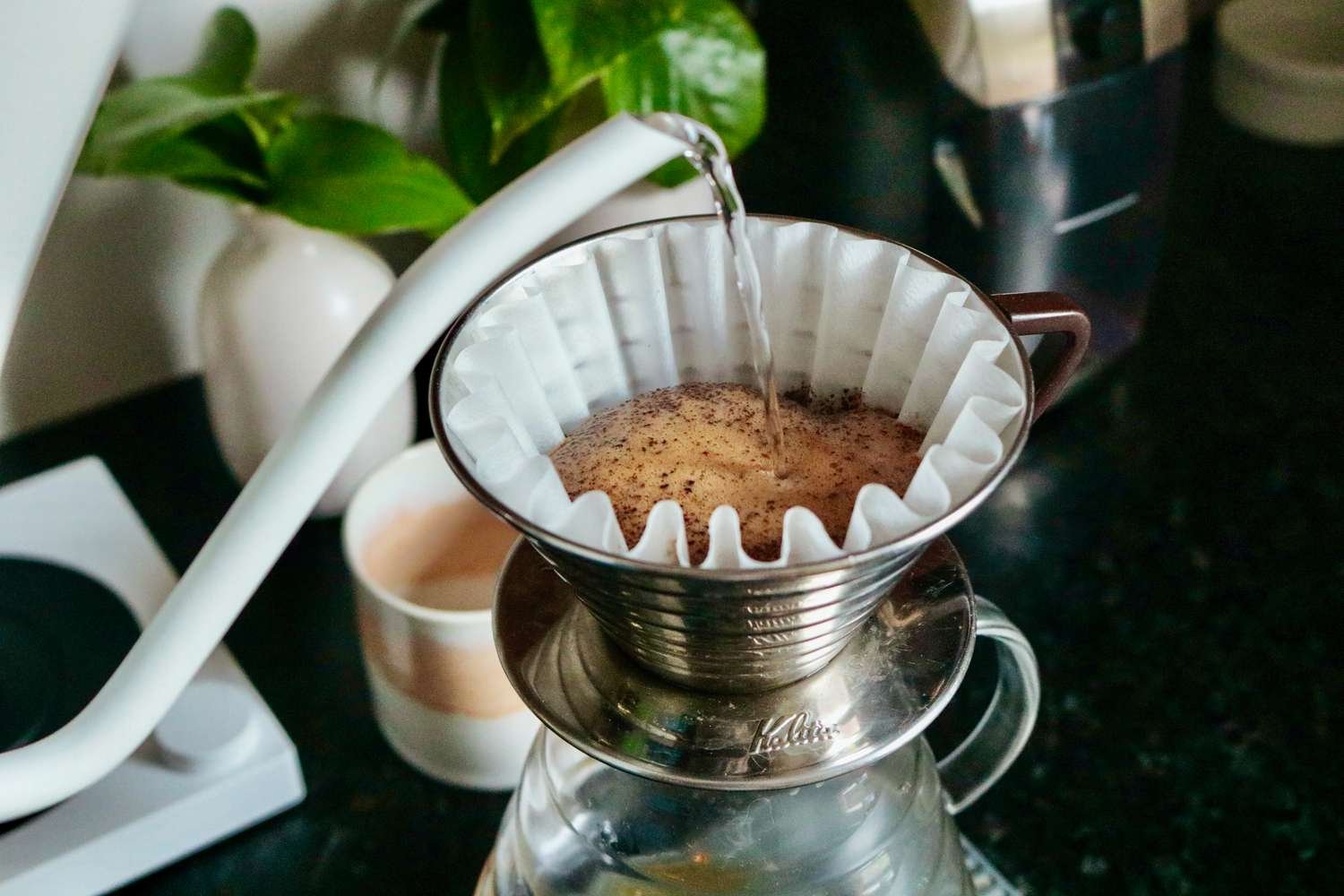
The optimal coffee bloom time for pour over is typically 30-45 seconds, allowing for effective degassing and even extraction.
Mastering the coffee bloom time for pour over is not merely a step in the brewing process; it’s a foundational technique that profoundly impacts the final cup’s flavor profile. As someone who has meticulously brewed countless cups of coffee, understanding and controlling this initial phase transforms a good pour over into an exceptional one. This article delves deep into the nuances of the coffee bloom, offering insights that will elevate your brewing expertise and ensure every pour over you make is a testament to precision and flavor.

What is the Coffee Bloom and Why Does It Matter for Pour Over?
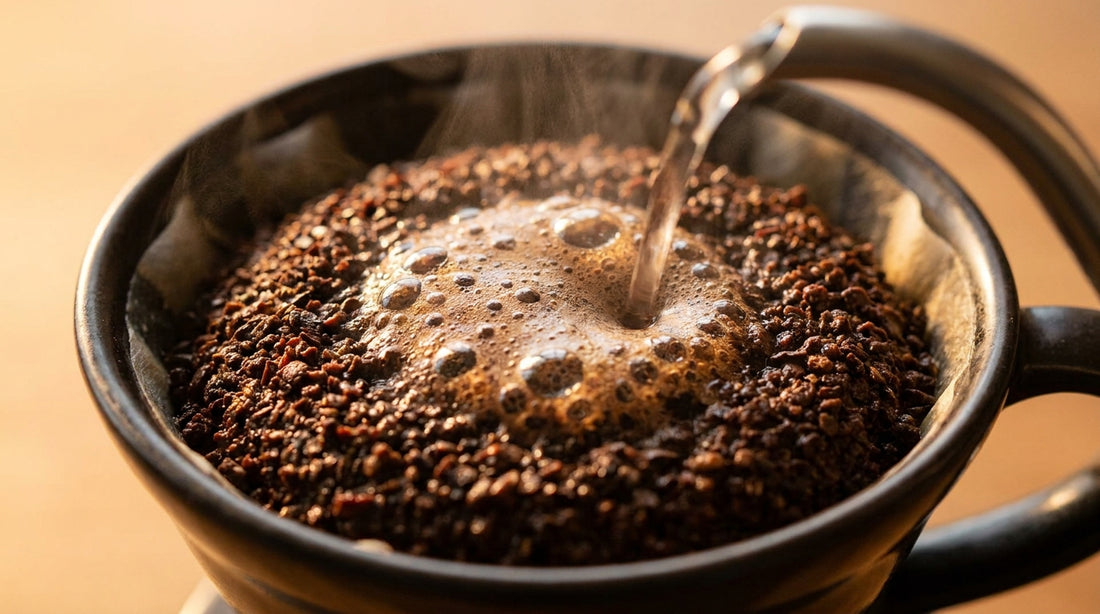
The coffee bloom is the initial wetting of coffee grounds, where hot water causes them to rapidly expand and release trapped carbon dioxide (CO2). This effervescence, resembling a rising dough, is a crucial indicator of fresh coffee. During roasting, CO2 forms within the coffee bean, and this gas needs to escape before full extraction can occur. If the CO2 isn't released adequately, it can create carbonic acid, leading to a sour or metallic taste in your final brew.
For pour over brewing, the bloom is particularly vital because it prepares the coffee bed for an even extraction. An effective coffee bloom time ensures that the subsequent water pours can uniformly saturate the grounds, dissolving the desirable flavor compounds consistently. Without this initial degassing, water would channel unevenly through the grounds, bypassing some coffee particles and over-extracting others. This leads to an imbalanced cup, often described as weak, bitter, or astringent in parts.
:max_bytes(150000):strip_icc()/__opt__aboutcom__coeus__resources__content_migration__serious_eats__seriouseats.com__2018__07__20180703-coffee-blooming-vicky-wasik-4-04bb75c20b0049c0a0b5bf687b961679.jpg)
The Science Behind the Perfect Coffee Bloom Time for Pour Over
At its core, the coffee bloom is a chemical reaction involving water and roasted coffee. When hot water hits the dry grounds, it instantly dissolves the soluble gases, primarily carbon dioxide. This gas, trapped in the porous structure of the coffee particles, rapidly escapes, creating the visible bubbling and expansion. The fresher the coffee beans, the more CO2 they contain, resulting in a more vigorous and pronounced bloom. This is why observing the coffee bloom time can also give you an indication of your coffee's freshness.
The rate of CO2 release is influenced by several factors, including water temperature, grind size, and roast level. Higher water temperatures can accelerate the degassing process, while a finer grind exposes more surface area for gas escape, potentially leading to a quicker, more intense bloom. Conversely, very dark roasts tend to release CO2 more rapidly and store less overall, often resulting in a shorter, less dramatic bloom compared to lighter roasts. Understanding this interplay is key to predicting and optimizing your coffee bloom time for pour over.
Optimal Coffee Bloom Time for Pour Over: A Practical Guide
Determining the ideal coffee bloom time for pour over is a blend of science and sensory observation. While a general recommendation often falls between 30 and 45 seconds, the precise duration can vary based on your specific beans and equipment. The goal is to allow the grounds to fully saturate and for the majority of the CO2 to escape without cooling the coffee bed excessively or starting to over-extract.
To execute a perfect bloom, start by pouring about twice the weight of your coffee grounds in water over them, ensuring all grounds are evenly wet. For instance, if you're using 20 grams of coffee, use 40 grams of water. Watch for the grounds to puff up and release gas; this is the bloom in action. Once the bubbling subsides and the coffee bed visibly settles, it’s usually time for your next pour. My personal experience has shown that pushing the coffee bloom time towards the longer end of this range, especially for very fresh or light roast coffees, often unlocks a more complex and balanced flavor profile.
Factors Influencing Your Coffee Bloom Time
Several variables dynamically interact to shape your coffee bloom time for pour over, demanding a flexible approach to brewing. Recognizing these influences allows for thoughtful adjustments, ensuring a consistently delicious cup.
- Roast Level: Lighter roasts, having undergone less heat, retain more CO2 and typically require a longer coffee bloom time—often closer to the 45-second mark. Darker roasts, which are more porous due to extensive roasting, release their CO2 more quickly and might be ready for the next pour after just 20-30 seconds.
- Bean Age: Freshly roasted beans (within 1-2 weeks of roast date) contain abundant CO2 and will exhibit a vibrant, foamy bloom requiring a substantial coffee bloom time. As beans age, their CO2 content diminishes, leading to a less pronounced bloom and potentially a shorter bloom time.
- Grind Consistency: A consistent, medium-fine grind is ideal for pour over. If your grind is too fine, it can restrict CO2 release, leading to an uneven bloom. Conversely, a coarse grind might allow CO2 to escape too rapidly, reducing the effectiveness of the coffee bloom time.
- Water Temperature: The temperature of your bloom water is critical. Water between 195°F and 205°F (90°C and 96°C) is generally recommended. Water that is too cool will inhibit the CO2 release, resulting in a weak bloom, while water that is too hot can cause premature extraction during the bloom phase.
- Pour Technique: An even, gentle pour during the bloom ensures uniform saturation of all coffee grounds. Avoid aggressive pouring that might create channels or disturb the coffee bed, which can lead to an inconsistent coffee bloom time and subsequent uneven extraction.
Understanding and adapting to these factors is essential for mastering the art of the pour over.
:max_bytes(150000):strip_icc()/Web_1500-SEA-kalita-wave-pour-shot-jesse-raub-01-d4e2aa9b3a574c44abca52742a2874a4.jpg)
Troubleshooting Your Pour Over Bloom
Even with careful attention, the coffee bloom can sometimes present challenges. Recognizing these issues and knowing how to troubleshoot them is part of developing your expertise in pour over brewing.
- Too Short or Non-Existent Bloom: If your coffee grounds don’t expand or bubble much during the coffee bloom time, it often indicates stale coffee beans. Over time, beans lose their trapped CO2, diminishing the bloom. Another potential cause is water that's too cool, failing to properly initiate the degassing process. Try using fresher beans or ensuring your water is at the optimal temperature (195-205°F).
- Too Long or Excessive Bloom: While a vigorous bloom is good, an excessively long or persistent bloom can also signal issues. It might suggest your grind is too fine, compacting the coffee bed and making it difficult for CO2 to escape efficiently. Alternatively, you might be using too much water for the bloom, causing over-saturation without contributing to effective degassing. Adjusting your grind coarser or reducing your bloom water volume can help.
- Uneven Bloom: An uneven bloom, where some parts of the coffee bed expand more than others, often points to an inconsistent initial pour. This can lead to uneven extraction later in the brewing process. Ensure your initial bloom pour saturates all grounds evenly, swirling the brewer gently if needed to encourage full wetting. Also, an inconsistent grind can contribute to this, as different sized particles will degas at different rates.
By observing these signs and making informed adjustments, you can refine your technique and achieve a more consistent and effective coffee bloom time for pour over.

Personal Insights: Mastering the Bloom in My Pour Over Journey
Throughout my own journey into the world of specialty coffee, the coffee bloom time for pour over has always been a fascinating and instructional indicator. I vividly recall one morning, early in my brewing exploration, where I consistently produced flat, lifeless pour overs. The coffee tasted dull, lacking any vibrancy. It wasn't until I focused intently on the bloom that the revelation occurred. I was rushing it, barely giving the grounds 15 seconds before proceeding. The result was a brew where the initial rush of water pushed un-degassed CO2 through the coffee, leading to harshness.
A mentor, observing my struggle, simply told me, "Let it breathe." He demonstrated how a deliberate, 30-second coffee bloom, sometimes even 45 seconds for a particularly fresh light roast, transformed the coffee bed. The bubbling, the gradual rise—it was like watching the coffee come alive. I started meticulously timing my blooms, observing how different roast levels and bean ages reacted. I learned that for a fresh, anaerobic natural-processed Ethiopian bean, extending the coffee bloom time to a full 45 seconds allowed its complex fruit notes to truly shine, whereas a two-week-old medium roast blend might only need 30 seconds. The biggest lesson? Don't be afraid to experiment, but always pay attention to what the coffee itself is telling you through its bloom. This meticulous approach to the coffee bloom time for pour over has become a cornerstone of my brewing philosophy, ensuring a cleaner, more aromatic, and truly expressive cup every time.
:max_bytes(150000):strip_icc()/Web_1500-SEA-hario-mugen-temp-probe-jesse-raub-01-4b421614edc64b11856926a646772f1e.jpg)
Frequently Asked Questions
How long should coffee bloom for pour over?
The ideal coffee bloom time for pour over typically ranges from 30 to 45 seconds, allowing sufficient time for CO2 to escape and the coffee grounds to fully saturate. This duration helps prepare the coffee bed for even extraction during subsequent pours.
What happens if you don't bloom coffee?
If you skip or shorten the coffee bloom time, trapped CO2 will interfere with water flow and extraction, leading to an unevenly extracted and potentially sour or metallic-tasting cup. Water will channel through the grounds rather than extracting flavor uniformly.
Can you over-bloom coffee?
While a good bloom is essential, excessively prolonging the coffee bloom time beyond 45-60 seconds can cause the coffee bed to cool down too much and might lead to premature extraction of certain compounds. This can result in a less efficient and potentially less flavorful final brew.
Does bloom time vary with different roasts?
Yes, coffee bloom time for pour over often varies with roast levels. Lighter roasts typically require a longer bloom (up to 45 seconds) due to higher CO2 retention, while darker roasts, having less CO2, may be ready after a shorter bloom (20-30 seconds).
What is the ideal water temperature for blooming?
The ideal water temperature for blooming coffee is generally between 195°F and 205°F (90°C and 96°C). This temperature range efficiently initiates the degassing process without scorching the grounds or extracting undesirable flavors too quickly.
Conclusion
Mastering the coffee bloom time for pour over is a pivotal step in crafting an exceptional cup of coffee. It’s a silent, yet powerful, indicator of your beans' freshness and a critical precursor to uniform extraction. By understanding the science behind degassing, observing your coffee's unique reactions, and making thoughtful adjustments based on factors like roast level and bean age, you elevate your brewing from a routine to a ritual. Embrace the opportunity to experiment with your coffee bloom time; notice how those few extra seconds or a subtle adjustment in water temperature can unlock hidden complexities and delightful nuances in your brew. Continue to refine your technique, as each pour over offers a chance to deepen your connection with the art of coffee. For more insights and advanced techniques, explore additional resources or join our community of coffee enthusiasts to share your discoveries.

- Unlocking the Venti: Discover the Perfect Shot Count for Your Drink - October 13, 2026
- Unpacking the Buzz: Caffeine Levels in Café Bustelo Espresso - October 13, 2026
- How to Fix Bitter Coffee: 10 Expert Ways to Improve the Taste - October 4, 2026