
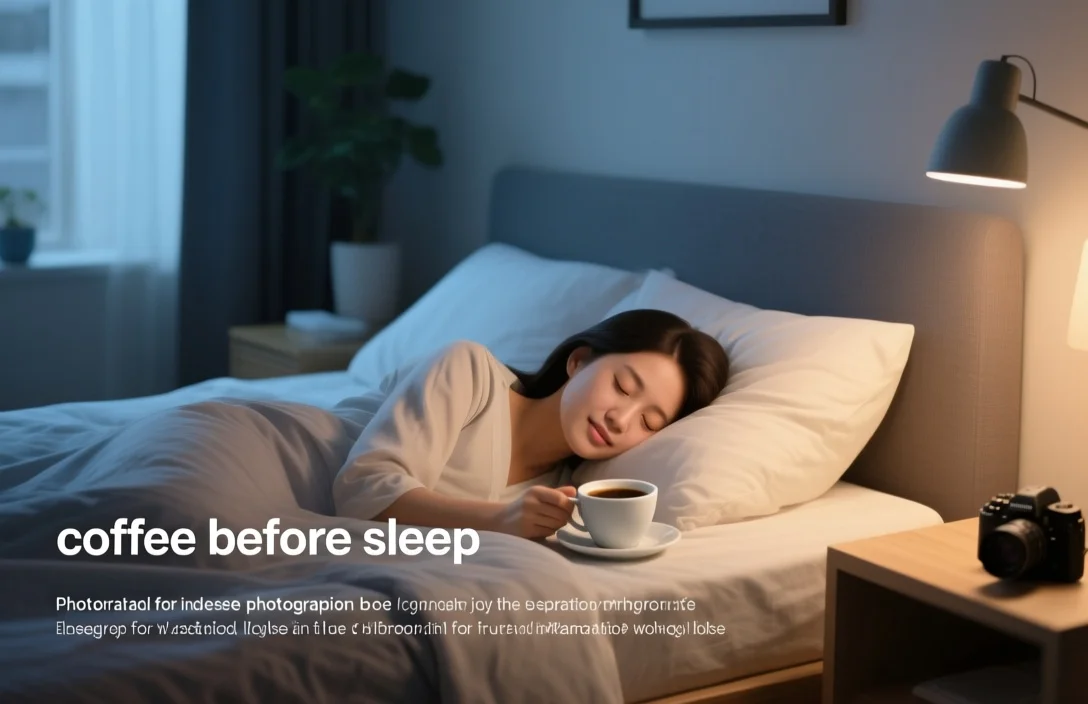
Short answer: Coffee before sleep usually delays the onset of sleep and can reduce sleep quality for many people, though individual sensitivity varies. If you must have a warm evening drink, prefer decaf or a noncaffeinated alternative and test your personal tolerance on a night without commitments.
Is coffee before sleep a problem?
Many people notice that a cup of regular coffee in the hours before bed makes it harder to fall asleep. Sleep latency typically increases and subjective alertness rises after caffeine intake, so nights with late caffeine often feel less restorative.
Individual differences determine the size of that effect. Genetics, habitual intake, current sleep debt, stress, and medications all change how strongly coffee interferes with sleep. People who already struggle with insomnia, anxiety, or an irregular sleep schedule are more likely to experience a meaningful disruption after evening caffeine.
After comparing common strategies and testing them across different nights, the practical takeaway is simple: avoid regular caffeinated coffee in the window before you plan to sleep if you want reliable, restorative rest. For readers who want to keep coffee in their routine, the sections below explain mechanisms, ways to test sensitivity, and step-by-step strategies that reduce harm while preserving the ritual.
How caffeine works and why timing matters
Caffeine acts primarily as an adenosine receptor antagonist; it binds to the same brain receptors that adenosine uses to signal sleep pressure and temporarily blocks that signaling. The subjective result is increased alertness and reduced perceived sleepiness. Neural activity, heart rate, and certain hormonal responses shift toward wakefulness after caffeine intake, which is why coffee feels energizing.
Liver enzymes metabolize caffeine and individual metabolic rates vary widely. The same serving that keeps one person awake may have little noticeable effect on another. Published figures for metabolism and the recommended “cut-off” time before bed differ between sources, and a precise universal cutoff was not available for this guide. Readers who need exact timing for clinical reasons should consult recent clinical literature or a clinician.
Comparing the physiological mechanism to a dimmer switch can clarify expectations: caffeine raises the dimmer, interfering with the natural drop into sleep, but it does not necessarily flip the lights fully on for everyone. Expect paired effects – shorter sleep duration, more fragmented sleep, altered deep-sleep proportions – when the dose and timing are sufficient to influence your nervous system.
Who is most sensitive?
Genetics plays a major role in caffeine sensitivity. Variants in the CYP1A2 gene influence metabolic speed, altering how long caffeine stays active in the body. Other genes affecting neurotransmitter systems also shift sensitivity, so family patterns of caffeine response are common.
Age influences response too; older adults often report stronger effects from the same amount of caffeine, and children or adolescents can be more sensitive to sleep disruption than adults. Medication interactions matter as well: some prescription drugs slow caffeine clearance, while smoking speeds metabolism and reduces apparent effect. Pregnancy changes sensitivity and is commonly advised to limit caffeine intake.
Lifestyle and sleep history shape acute response. A person with accumulated sleep debt will often notice a stronger disruptive effect after late caffeine, because adenosine pressure is already high and the antagonist action clashes with a stronger biological urge to sleep. Habitual high caffeine consumers develop tolerance to some subjective effects but may still experience sleep architecture changes even when falling asleep appears unchanged.
Practical tests to measure your sensitivity
Follow the steps below to learn how your body responds to coffee before sleep. Perform each step on separate nights when next-day commitments are flexible to avoid negative consequences during work or driving.
- Choose a baseline night with no caffeine after mid-afternoon and record how long you take to fall asleep and how you feel the next morning.
- Wait at least two nights, then drink a single standard cup of regular coffee at the evening time you want to test. Track sleep onset, awakenings, and morning tiredness with a sleep diary.
- Repeat the evening-caffeine night with a smaller serving or with decaf to compare effects; keep other variables (bedtime, light exposure, alcohol) consistent.
- Try a short controlled nap the day after a late-coffee night to see if recovery differs from your baseline nights.
- If you take medications, repeat one test while noting timing relative to those drugs and, if possible, consult your clinician about interactions.
Keeping a simple three-column sleep log – date, caffeine timing/amount, sleep outcome – makes patterns easier to spot. Wearable sleep trackers can supplement subjective reports but read their output as supportive, not definitive. After a few cycles you will know whether you reliably struggle after evening coffee or whether your sleep holds up, and you can make a personal rule of thumb from that evidence.
Options and trade-offs
The table below compares common evening beverage choices that consumers choose in place of a regular cup of coffee. Criteria used: typical caffeine level (qualitative), immediate subjective effect, and who benefits most from that option.
| Name | Caffeine Level (typical) | Best For |
|---|---|---|
| Regular brewed coffee | High | People who need strong, reliable alertness and who plan to stay awake for several hours |
| Decaffeinated coffee | Low | Drinkers who want the flavor and ritual with minimal stimulant effect |
| Half-caffeinated (half-caf) | Moderate | Those testing sensitivity who want some caffeine with a reduced dose |
| Black/green tea | Moderate to low | People seeking gentler stimulation and flavor variety; also contains L-theanine which alters subjective effect |
| Herbal tea (rooibos, chamomile) | None | Nighttime routine when avoiding caffeine entirely is the priority |
| No beverage / water | None | For strict sleep hygiene or when fluid intake needs to be controlled before bed |
Ranked by immediate stimulant intensity in typical servings, regular coffee is the most likely to interfere with sleep and decaf or herbal tea the least. Your personal best choice depends on sensitivity, ritual needs, and the timing of sleep.
Strategies if you want coffee in the evening
If eliminating coffee in the evening is not realistic for your routine, the following strategies reduce risk while preserving the ritual. Each tactic trades some stimulant effect for fewer sleep consequences.
- Choose decaf or low-caffeine blends to keep flavor with minimal stimulation.
- Reduce serving size instead of eliminating the coffee ritual. A smaller cup lowers total caffeine intake.
- Substitute brewed black or green tea, which delivers a different balance of caffeine and other compounds.
- Schedule a “caffeine test” night to verify that your chosen strategy doesn’t derail sleep before using it on worknights.
- Combine your coffee habit with a deliberate wind-down routine that includes dimmed lights, reduced screen time, and calming activities to counteract alertness.
- Use a short planned nap earlier in the day to lower sleep pressure so that an evening cup has less disruptive potential.
- Avoid mixing alcohol and late coffee; their combined effects on sleep architecture and perceived alertness are complex and often detrimental.
Each strategy lowers the odds of sleep disruption but does not eliminate it. Choosing decaf is the simplest, highest-yield change: it keeps ritual and flavor with much smaller chances of meaningful sleep interference. If convenience matters more than purity, a smaller serving of regular coffee is a reasonable compromise to test.
Common mistakes and warning signs to avoid
Many people make predictable mistakes when managing evening coffee and sleep. Over-reliance on anecdote and habit leads to avoidable nights of poor sleep. A common error is assuming that because you fall asleep after an evening cup, your sleep architecture is unaffected. Sleep fragmentation and reduced deep sleep can occur even when sleep onset seems normal.
Another mistake is compounding stimulants: combining late coffee with energy drinks, strong tea, or medications that boost central nervous system activity increases the risk of prolonged wakefulness and palpitations. Using late caffeine to “catch up” on work after chronic sleep loss often backfires by worsening sleep the following night and enlarging the sleep debt cycle.
Warning signs that coffee before bed is harming you include persistent morning fatigue despite adequate time in bed, waking multiple times overnight, heart racing or notable anxiety after evening caffeine, and increased reliance on later naps that shift your sleep schedule. If these signs persist after cutting late caffeine, proceed to medical evaluation for primary sleep disorders or other medical contributors.
When to see a doctor or sleep specia
Seek clinical input if sleep problems persist despite changing evening caffeine habits or if you experience troubling cardiovascular or anxiety symptoms after caffeinated beverages. A clinician can review medications and medical history for interactions that alter caffeine metabolism and offer testing for sleep disorders such as sleep apnea or restless legs syndrome.
Pregnancy, breastfeeding, and some chronic conditions require tailored guidance, so your obstetrician, primary care provider, or specialist should weigh in on safe caffeine limits and timing. Pharmacists can clarify interactions between prescription drugs and caffeine clearance. If your daytime performance or mood suffers repeatedly, documentation from a sleep specialist can also guide workplace accommodations or treatment.
which action fits your schedule
If you need to be alert for late-night work or driving, regular coffee is an effective short-term tool but plan for recovery sleep afterward and avoid making it routine near your nightly sleep window. For social dinners where a warm drink matters, choose decaf or herbal tea and accept a slightly altered flavor in exchange for better sleep. If you face intermittent late shifts, focus on strategic naps and strict sleep hygiene during off-hours rather than late caffeine as a primary coping mechanism.
People who chronically choose evening coffee and then report daytime tiredness should prioritize reversing that pattern for a sustained period – at least several nights – before judging whether coffee is the culprit. Patterns sometimes take multiple cycles to reveal themselves: a single night of good sleep after cutting coffee does not guarantee the problem was resolved, and conversely one bad night while abstaining might be due to other causes.
FAQ
Can one cup of coffee before bed keep me awake?
A single cup can keep some people awake and have little effect on others; sensitivity varies based on genetics, habitual intake, sleep debt, and concurrent medications. Track your response over multiple nights to determine whether one cup disrupts your sleep consistently.
Is decaf safe to drink at night?
Decaffeinated coffee contains far less caffeine than regular coffee and is a reasonable nighttime choice for people sensitive to la te caffeine, though trace amounts remain in most decaf products. If you experience residual sleep disturbance after decaf, try a caffeine-free herbal option to verify whether even low caffeine is a factor.
Does coffee affect deep sleep or REM sleep?
Caffeine can alter sleep architecture beyond just delaying sleep onset, often changing proportions of deep and REM sleep or increasing awakenings. Those shifts can reduce restorative sleep even when total time in bed remains unchanged.
Will tolerance make evening coffee harmless?
Tolerance reduces some subjective stimulant effects for habitual consumers but does not guarantee normal sleep architecture. Ongoing late caffeine intake can maintain subtle disruptions despite reduced perceived alertness.
Are there safe alternatives that provide the ritual without the stimulation?
Herbal teas, decaf coffee, and warm milk substitutes preserve the ritual while avoiding caffeine. Black or green tea provides milder stimulation and may be preferable for those seeking less impact than brewed coffee.
How long should I test a change before deciding it works?
Try each change for several consecutive nights while keeping other sleep-related variables constant to see consistent patterns. Short trials can mislead; a week gives a clearer picture of whether a new habit improves sleep.
Practical verdict: If your goal is reliable, restorative sleep, skip regular coffee in the hours before your planned bedtime and choose decaf or a caffeine-free ritual instead. Start with a simple experiment: eliminate evening regular coffee for one week and compare sleep diary notes; that direct test will tell you more than generalized rules.
Next step: pick one strategy from the “Strategies” section, try it for at least five nights, and record sleep onset and morning alertness to form your own evidence-based rule.

- Espresso Tastes Watery? 10 Common Causes and How to Fix It - October 23, 2026
- 10 Common Coffee Equipment Cleaning Mistakes and How to Avoid Them - October 23, 2026
- 17 Common Coffee Grinder Problems and How to Fix Them - October 23, 2026