
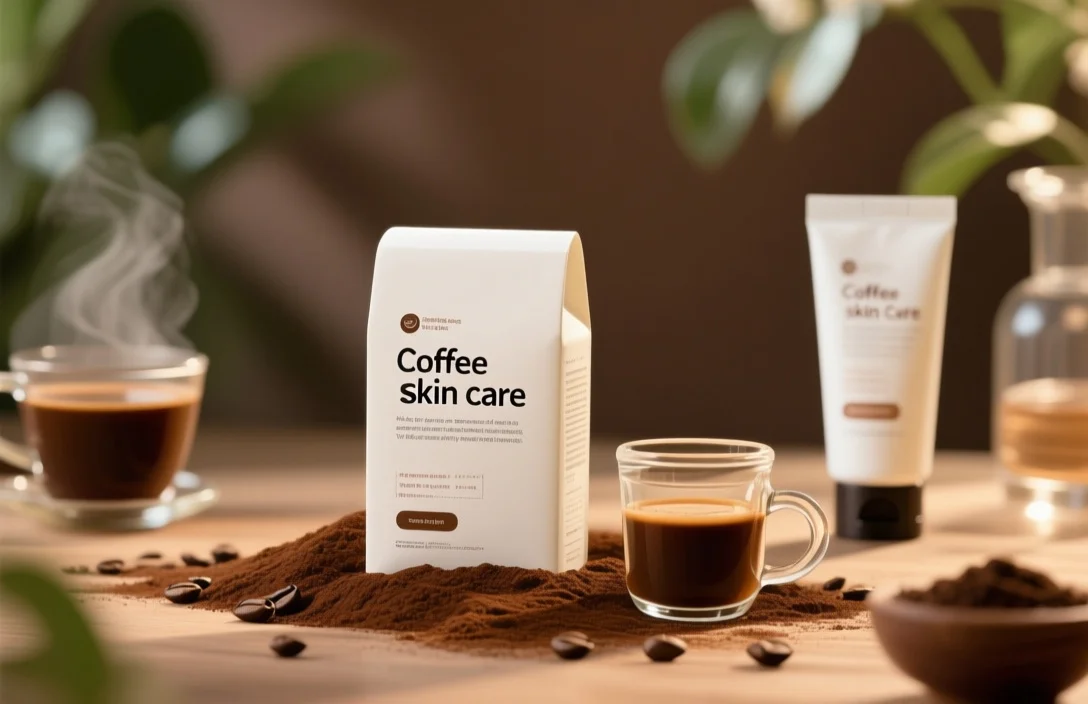
Coffee can help skin in clear, mostly short-term ways: used topically it provides physical exfoliation, antioxidant molecules, and mild vasoconstriction that reduce puffiness; when consumed its effects depend on sleep, hydration, and your skin’s sensitivity. This guide on coffee and skin care explains what the balance of likely benefits and risks looks like, how to use coffee safely on face and body, and which commercial ingredients to prefer or avoid.
What coffee actually contains that matters for skin
Roasted coffee beans carry several biologically active molecules that matter to skin. Caffeine is the best-known compound and acts as a stimulant systemically; it also has topical effects that include transient vasoconstriction and mild antioxidant activity. Chlorogenic acids and other polyphenols survive roasting to varying degrees and serve as antioxidants that can scavenge free radicals at the skin surface.
Oil-soluble compounds appear in coffee oils and can act as emollients or carry aroma; diterpenes such as cafestol and kahweol exist in unfiltered brews and in oil fractions, but their topical role is minor compared with caffeine and chlorogenic acid. Ground coffee particles provide mechanical exfoliation when applied as a scrub; particle size and shape determine how abrasive that exfoliation will be. Trace minerals and melanoidins formed during roasting add color and smell but do not materially change skin physiology.
Readers choosing a product should think in two classes: ingestible constituents that change skin indirectly (via sleep, inflammation, gut-skin axis), and topical constituents that act on the epidermis and superficial dermis. Topical caffeine and antioxidants operate across the skin surface for short windows. Mechanical exfoliants remove stratum corneum cells and increase product penetration, a double-edged effect that helps serums absorb but can also increase irritation if overused.
How topical coffee affects skin
Topically applied coffee works through three clear mechanisms: physical exfoliation, chemical action from small molecules, and short-term circulation changes. Physical exfoliation comes from ground beans or coffee-derived particles and speeds removal of dead skin cells; that improves texture and gives an immediate brighter look. Caffeine and certain polyphenols can reduce visible puffiness by temporarily constricting small blood vessels and by donating antioxidant activity at the skin surface.
Aesthetic improvements from topical coffee tend to be transient rather than structural. Puffiness and redness often subside for a few hours after application, and skin texture feels smoother where abrasive particles have removed dead cells. Deposition of oils or humectants in a scrub base can leave skin feeling softer after rinsing. Longer-term changes such as collagen remodeling need sustained, evidence-backed actives at known concentrations; coffee ingredients rarely meet that bar on their own.
Sensitivity and cumulative irritation must guide frequency and formulation. Harsh scrubbing with coarse grounds can cause microtears in thin facial skin and exacerbate inflammation, especially for those with rosacea or active acne. A product that combines finely milled coffee with a gentle emollient base limits mechanical damage while preserving the perceived benefits. Consumers who want measurable outcomes should prioritize formulations with standardized caffeine levels or with scientifically validated co-actives rather than using raw grounds alone.
How drinking coffee influences skin health
Consumed coffee affects skin indirectly through systemic pathways rather than by depositing coffee molecules on the surface. Caffeine stimulates the central nervous system, alters sleep architecture for some people, and transiently raises cortisol in sensitive individuals; those hormonal and sleep changes influence inflammation and skin barrier recovery. Hydration status also matters because caffeinated beverages have mild diuretic effects for some users, and poor overall hydration makes skin look dull and fine lines more visible.
Antioxidants present in coffee can provide systemic benefit after digestion, but bioavailability varies by roast, preparation method, and individual metabolism. Topic-specific skin issues such as acne or rosacea do not reliably improve from drinking coffee; results are individualized. Smoking, diet quality, UV exposure, and skincare routine typically have far larger, better-documented effects on aging and pigmentation than moderate coffee consumption.
Those who notice that coffee triggers acne flares, increased redness, or sleep disruption should test changes to intake rather than assuming coffee is the root cause. Swapping a late-afternoon cup for decaffeinated options or delaying caffeine until after a morning routine can preserve perceived benefits while minimizing sleep disruption. Tracking one variable at a time for two to three weeks makes cause-and-effect easier to see for an individual.
How to use coffee on your skin safely
Many readers want practical directions for using coffee topically without causing irritation. Follow these principles: reduce mechanical abrasion, avoid open wounds, use clean ingredients, and limit frequency to prevent barrier damage. A step-based approach helps translate those principles into safe DIY routines.
- Wet your skin with lukewarm water to soften the surface and reduce friction.
- Mix finely ground coffee with a mild carrier such as plain yogurt, honey, or a gentle oil; choose a base that matches your skin type.
- Apply with light, circular motions and avoid harsh rubbing; focus on rough areas such as elbows or body zones rather than thin facial skin.
- Rinse thoroughly, pat dry, and follow with a moisturizer containing occlusives or humectants to restore barrier function.
- Use a patch test on the inner forearm before facial application if you have sensitive or reactive skin.
A basic coffee scrub recipe that balances exfoliation and skin protection uses finely ground, cool-brewed coffee combined with one or two tablespoons of a moisturizing base. Yogurt adds lactic acid for chemical exfoliation while honey provides humectant and antimicrobial properties. Oils such as jojoba or sweet almond reduce scratchiness from particles while providing emollience. Avoid salt or sugar as the primary abrasive when using coffee particles; coffee’s angular grains can be abrasive enough on their own.
Readers who want to extract caffeine into an oil or serum should extract cold-brew concentrate and incorporate it into a stable carrier created for cosmetic use. Stability, preservative choice, and pH matter for any leave-on product; unpreserved water-based DIY serums can grow bacteria and cause infection. Those unfamiliar with cosmetic formulation should prefer rinse-off scrubs or purchase a professionally formulated product rather than attempting a long-term homemade serum.
how to read labels and pick an effective product
A crowded market now offers scrubs, masks, serums, and creams that list coffee or caffeine as star ingredients. Buyers should evaluate those products by checking the ingredient list order, the presence of co-actives, and whether the formula is leave-on or rinse-off. Caffeine listed near the top suggests a meaningful concentration; caffeine at the very bottom of the list provides negligible topical effect.
Products that pair caffeine with validated carriers or co-actives typically deliver more consistent outcomes. For example, caffeine combined with hyaluronic acid enhances hydration after exfoliation, while caffeine paired with antioxidants such as vitamin C or niacinamide addresses oxidation and tone. Scrubs aimed at cellulite or stretch-mark reduction often rely on massage and transient vasoconstriction for temporary improvement; skepticism is appropriate when manufacturers promise permanent structural changes without peer-reviewed data.
A simple comparison table helps translate product types into what they reliably do.
| Name | Key ingredient / Typical form | Best for |
|---|---|---|
| Coffee scrub (rinse-off) | Finely ground coffee + oil or cream base | Immediate texture smoothing and body exfoliation |
| Caffeine serum (leave-on) | Caffeine in aqueous/glycol carrier | Temporary reduction in puffiness under eyes, enhanced absorption for serums |
| Coffee mask (rinse-off) | Coffee + clay or cream base | Brightening appearance and surface exfoliation |
| Coffee oil or infused carrier | Oil-soluble coffee fraction or cold-brew infusion | Emollience and aroma, body softening |
| Oral coffee (beverage) | Brewed coffee with polyphenols | Systemic antioxidant intake and routine enjoyment |
Consumers should also check for irritants such as fragrance, essential oils, or high concentrations of chemical exfoliants that could interact with coffee’s mechanical action. Dermatologically tested claims, a transparent ingredient list, and a sensible product type for your skin zone (rinse-off scrubs for body, gentle leave-on for delicate facial areas) indicate a better match between marketing and likely results.
Who should avoid coffee on the skin and common mistakes to avoid?
Certain skin types and conditions need to avoid coffee-based treatments or use them with caution. People with rosacea, eczema, active acne, or very thin facial skin risk increased irritation from mechanical scrubs. Open wounds or freshly treated skin should not be exposed to abrasive grounds. Individuals who are allergic to coffee or to added ingredients such as nuts or botanical extracts should check ingredient panels carefully.
Common mistakes include over-exfoliation, using coarse grounds on the face, confusing transient tightening with long-term improvement, and failing to moisturize after rinsing. Leaving an unpreserved DIY coffee paste on the skin for extended periods risks microbial contamination. Applying hot coffee or overly hot masks can damage the epidermal barrier and provoke redness or peeling.
A practical rule: prioritize gentleness on the face and allow stronger mechanical treatments only on thicker skin areas such as elbows, knees, and the body. Patch testing remains the quickest way to avoid an adverse reaction: apply a small amount of product behind the ear or on the inner forearm, wait a day, and observe for irritation before wider use. Those under dermatologic care for inflammatory conditions should consult their clinician before adding mechanical exfoliants or novel topical stimulants.
How to integrate coffee into an effective skin routine
Integration of coffee-derived products into a skincare sequence depends on product type and the rest of your routine. Rinse-off scrubs should come ahead of chemical actives so the skin surface is clear for absorption, followed by a gentle toner and then any concentrated serums. Leave-on caffeine serums intended to reduce puffiness are best applied to cleansed, dry skin under a moisturizer to lock in hydration.
Sunscreen deserves priority whenever exfoliation is part of your routine. Removing dead skin increases photosensitivity, so apply broad-spectrum SPF every morning after any nighttime coffee exfoliation. Combining mechanical scrubs with retinoids or strong chemical exfoliants increases the risk of irritation; stagger those treatments rather than layering them the same day. A conservative approach for sensitive types is to alternate a coffee scrub day with a gentle moisturizing day, then monitor how the skin responds.
Timing matters for ingestion as well. Drinking coffee too late in the day can impair sleep, which in turn slows nighttime skin repair. Morning coffee may fit cleanly into many routines if it does not interfere with sleep or trigger inflammatory flare-ups. Readers aiming for anti-aging outcomes should prioritize sunscreen, topical retinoids or peptides at validated concentrations, and hydration over expecting coffee to drive major structural change.
Common myths, exaggerated claims, and what the evidence supports
Claims that coffee will permanently remove cellulite, erase stretch marks, or deliver long-term collagen remodeling without other actives are not supported by reliable evidence. Temporary improvements in appearance from circulation changes and exfoliation are real but should not be confused with permanent tissue restructuring. Marketing language that states “clinically proven to remove fat” requires scrutiny of the clinical protocol, population, and endpoints; transient changes are common in small, short-term studies.
Many products conflate circulation-related tightening with permanent results. Consumers who base expectations on before-and-after photos without a time stamp or a control should be skeptical. Labels that list “caffeine” without disclosing concentration offer little information about efficacy; transparency about active percentages or delivery technology matters for meaningful outcomes. Readers should demand clear, testable claims and prefer products that publish study details, even if those studies show moderate or short-lived effects.
Practical reality: coffee ingredients are useful adjuncts for texture, brightness, and temporary depuffing. Long-term improvements require consistent use of actives with validated mechanisms such as UV protection, retinoids, antioxidants at proven concentrations, and hydration strategies. Coffee can be a helpful addition but should not replace foundational skincare.
FAQ
Can topical coffee reduce under-eye bags?
Topical caffeine can produce a temporary reduction in under-eye puffiness by constricting small blood vessels and improving fluid distribution in the superficial skin. Effects tend to be short-lived and are best viewed as cosmetic enhancements rather than structural solutions; pairing a caffeine product with a moisturizer improves comfort.
Is using coffee scrubs safe for acne-prone skin?
Mechanical scrubs can irritate inflamed acne and spread bacteria if used aggressively. A gentle, finely milled scrub paired with a non-comedogenic carrier may be tolerated by some with acne, but those with active, pustular lesions should avoid mechanical exfoliation and consult a clinician for appropriate treatments.
Will drinking coffee make my skin age faster?
Moderate coffee consumption on its own is not a dominant driver of skin aging compared with UV exposure, smoking, and chronic poor sleep. If caffeine disrupts your sleep or triggers inflammation, those downstream effects can contribute to faster visible aging. Adjust timing and quantity to fit your personal tolerance.
How often should I use a coffee scrub on my body?
Frequency depends on skin thickness and sensitivity. Thick-skinned areas tolerate more frequent exfoliation than delicate facial skin. Watch for signs of irritation such as increased redness, persistent dryness, or microtearing and reduce frequency accordingly.
Are there preservatives needed for homemade coffee skincare?
Yes, any water-containing homemade product requires a preservative to prevent bacterial and fungal growth if you plan to store it. Rinse-off scrubs made fresh and used immediately are lower risk, but leave-on or stored DIY serums without a proper preservative are unsafe.
Can coffee products help with cellulite?
Topical caffeine can produce a short-term tightening or temporary reduction in the appearance of cellulite because of vasoconstriction and massage effects. Long-term alteration of subcutaneous fat architecture requires interventions with established mechanisms; topical coffee alone is unlikely to provide lasting structural change.
My practical verdict: coffee has useful, mostly temporary benefits for skin when used correctly, and it can be an enjoyable adjunct in both DIY and commercial products. Pick gentle formulations for the face, favor rinse-off scrubs for mechanical exfoliation on the body, and prioritize sunscreen and proven long-term actives for anti-aging. Next step: test a small patch of any coffee product, note results for a week, and adjust frequency or discontinue if irritation appears.

- Espresso Tastes Watery? 10 Common Causes and How to Fix It - October 23, 2026
- 10 Common Coffee Equipment Cleaning Mistakes and How to Avoid Them - October 23, 2026
- 17 Common Coffee Grinder Problems and How to Fix Them - October 23, 2026