
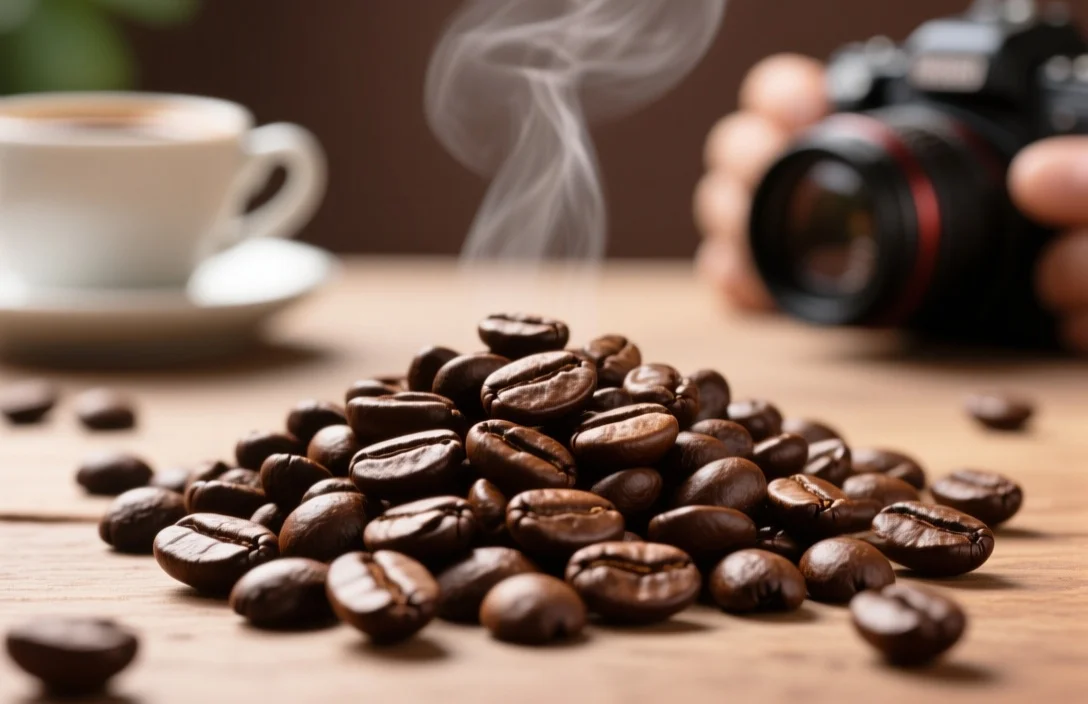
Chocolate flavored coffee beans are either naturally chocolatey coffees whose origin and roast produce cocoa-like notes, or beans that have had chocolate flavor added after roasting. Choose natural chocolate-noted beans for subtlety and complexity, or go for flavored or chocolate-coated beans if you want an unmistakably sweet chocolate experience.
What “chocolate flavored” actually means
Many buyers use “chocolate” to describe two different things. One category is coffee that tastes of chocolate because of origin, processing, and roast – think of the tasting notes on a single-origin bag that list “dark chocolate,” “cocoa,” or “brown sugar.” A second category is coffee that has been intentionally flavored: post-roast oils, sugar coatings, cocoa nibs, or chocolate infusion are added to produce a deliberate chocolate taste.
Origin-driven chocolate notes come from the coffee’s inherent compounds and how they develop during fermentation and roasting. Cocoa-like compounds can appear when beans are grown in certain regions, particularly in Latin America and parts of Africa, or when the processing method preserves chocolate precursors. Added chocolate flavoring is a manufacturing choice that aims for consistency and intensity but changes mouthfeel, roast profile, and how the beans behave in grinders and espresso machines.
Why coffee can taste like chocolate
Cocoa and coffee share several volatile compounds that overlap in aroma and flavor perception. Maillard reactions during roasting create melanoidins and aromatic compounds that can read as “chocolate” on the palate. Lower acidity, fuller body, and roast levels that emphasize caramelization also push a coffee toward chocolate descriptors.
Natural processing and fermentation alter sugar breakdown and can increase compounds that produce brown-sugar, nutty, or cocoa impressions. Roasters often target medium-dark profiles to showcase those notes without creating the burnt flavors associated with a heavy dark roast. Roast profile tuning is critical: a short, high-heat roast can flatten chocolate notes, while a slower development time at the end of the roast can amplify chocolate-y sweetness and mouthfeel.
how they differ
After comparing the main options side by side, four practical categories emerge: naturally chocolatey coffees, flavored beans (added oils or essences), cocoa-nib blends, and chocolate-coated espresso snacks. Each category has different use cases, risks, and price expectations.
| Name | Price / Key Spec | Best For |
|---|---|---|
| Naturally chocolatey single-origin or blend | Price tier varies; labeled with tasting notes like “cocoa” or “dark chocolate” | Brewing where subtle complexity matters (pour-over, drip, espresso) |
| Flavored beans (added chocolate flavor oils) | Commercially flavored; claims of “natural/artificial flavor” on label | Sweet, dessert-like coffee; cold brew or drip that preserves flavor |
| Cocoa-nib blended beans | Whole beans mixed/packaged with cocoa nibs or nibs included in roasting | Home cooks and roasters who want authentic cocoa aroma and texture |
| Chocolate-coated espresso beans | Beans enrobed in chocolate (snack item) | Quick espresso-shot treats or candy; not ideal for grinding |
Roasters and retailers use distinct methods to produce these products. Natural chocolate notes require careful bean selection and roast profiling. Flavoring involves post-roast application of flavor oils or powders. Cocoa-nib blends physically add cacao material alongside beans to increase cocoa aroma without masking origin characteristics. Chocolate-coated beans are confectionery, best eaten as snacks; coating interferes with grinding and extraction.
How to choose which style fits your needs
Rank decisions by the following buyer criteria: desired intensity of chocolate, brewing method you prefer, sensitivity to added sugars or oils, and whether you want snacking versus brewing use. Buyers who favor subtle, complex flavors should prefer natural chocolatey beans. Those chasing a dessert-like cup, especially for cold brew or automatic drip, will likely appreciate flavored beans.
Look at label language carefully. Bags that list “natural chocolate notes” or name regions (Colombia, Brazil, Costa Rica) are signaling taste developed in the bean and roast. Bags that list “natural and artificial flavors,” “flavoring,” or “chocolate flavor” indicate added ingredients. Allergy-conscious shoppers should check for “may contain milk” or “processed in facility” notes if the product includes sugar or dairy in coatings.
Assess grind-and-equipment risk before buying flavored or coated beans. Flavored oils can gum up burrs and leave residual taste; chocolate coatings can clog grinders and espresso groups if you attempt to grind coated beans. Prefer whole, uncoated beans for home grinding and espresso machines.
Key practical checklist before buying:
- Inspect the label for “flavor” versus origin tasting notes.
- Note roast level – medium-dark roasts often emphasize chocolate.
- Verify whether beans are coated or mixed with cocoa nibs.
- Confirm return or freshness policies from the seller.
- Consider sample sizes before committing to a full bag.
Brewing methods that highlight chocolate notes
Choose a brewing method that preserves the compounds you want to taste. Espresso extracts concentrated flavor and body; pour-over reveals layered acidity and chocolate undertones; French press highlights body and mouthfeel. The following steps are a practical approach to extract chocolate notes reliably.
- Preheat equipment and cup to stabilize temperature and avoid shock that masks flavors.
- Use a medium grind for drip or pour-over; for espresso use your usual fine grind but reduce dose slightly if the beans are flavored to avoid over-sweetness.
- Start with filtered water at 195-205°F for most brewing methods; this range extracts chocolate-like aromatics without pushing bitter pyrolytic notes.
- Bloom for 30-45 seconds on pour-over to release aromatics; use a 2:1 water-to-coffee bloom ratio (by weight) to let CO2 escape before full pour.
- For full extraction, aim for a total brew time of 2:30-4:30 minutes depending on method – adjust grind size to hit target time without over-drawing bitterness.
- Taste early and adjust variables: if the cup tastes flat, try a slightly coarser grind or higher temperature; if it tastes burnt, lower temperature or shorten roast exposure next time.
- For cold brew, steep 12-18 hours; extended cold extraction accentuates sweet, chocolatey body without increasing perceived acidity.
- If using flavored beans, minimize heat exposure and aggressive tamping in espresso to avoid pushing sticky residues into machine parts.
Practical tips for home espresso users:
- Backflush machines frequently when using flavored beans.
- Use a dedicated grinder if you frequently purchase oil-flavored beans.
- For drip machines, remove old filters immediately after brewing to avoid lingering flavors.
Roasts, origins, and tasting notes to target
Single-origin coffees from Brazil and Colombia commonly list chocolate, nutty, and caramel notes on their tasting cards. That pattern emerges from terroir and typical processing choices in those regions. African coffees (especially Ethiopian) tend toward fruity or floral notes instead of chocolate; blending can be used to balance chocolate body with brighter acidity.
Roast degree matters more than many buyers assume. Medium roasts preserve origin traits while encouraging sugar caramelization, which helps create chocolate perceptions. Medium-dark roasts lean into fuller body and bittersweet cocoa impressions; dark roasts can convert cocoa notes into roast bitterness if not carefully managed.
When comparing tasting notes on bags, prefer descriptions that pair “cocoa” with body or sugar descriptors rather than those that only flag “roasty” or “smoky.” The former indicates flavor that will taste chocolate-like in brewed form; the latter may be masking over-roasting.
How flavorings are applied and what to watch for
Roasters and manufacturers use at least three practical methods to achieve a chocolate taste after roasting: liquid flavor oils, powdered flavorants, and physical additions such as cocoa nibs or sugar coatings. Liquid oils and powders are efficient and scalable, but they change mouthfeel and can leave residues. Cocoa nibs add authentic cacao aroma and are the least chemically altered option, but nibs add particulate matter that must be separated before grinding if the blend is not intended to be ground together.
Flavored oils typically appear on ingredient lists as “natural flavor” or “chocolate flavor,” and the label should indicate whether the flavor is natural or artificial. Powdered flavorings may include sugar or milk powder in confectionery-style products, creating carryover risk for people with dietary restrictions.
Operational risks for equipment include:
- Burr grinders accumulating sticky residues from flavored oils.
- Espresso group heads clogging from sugar or cocoa coatings.
- Taste cross-contamination in communal grinders or office machines.
Practical mitigation steps:
- Reserve one grinder for flavored beans.
- Clean grinders and espresso groups more frequently when flavored beans are used.
- Avoid grinding chocolate-coated beans; they are intended as snacks.
Storage, freshness, and shelf life
Freshness is central to tasting chocolate notes properly. Whole beans retain volatile aroma compounds longer than pre-ground coffee. Oxygen, light, humidity, and temperature accelerate flavor decay. Store whole beans in opaque, airtight containers away from heat sources and direct sunlight.
Flavored beans deserve special storage attention because added oils and sugars can oxidize or become rancid faster than natural coffee oils. Batch sizes matter: buy smaller amounts of flavored beans to avoid months-long storage where added flavor compounds will degrade.
A few practical storage rules:
- Buy smaller bags of flavored beans (250-340g) if you drink coffee daily and want peak flavor.
- Use one-way-valve bags until opened; after opening, transfer to an airtight container.
- Freeze sealed bags only if you will store them for many weeks and will not repeatedly open the package; thaw fully before opening to avoid condensation.
Avoid these practices that hurt chocolate notes:
- Leaving beans in transparent canisters on the counter.
- Grinding more coffee than you will use in 24 hours.
- Storing coffee near spices or strong-smelling foods.
Common mistakes, trade-offs, and what to avoid
A frequent mistake is confusing tasting notes with added flavor. Buyers assume “chocolate” on a label always indicates added chocolate; that is not the case. Tasting-card descriptors can describe natural notes, blends, or added flavors – read ingredient lists.
Another mistake is using flavored beans in high-precision equipment without accounting for residues. Baristas who switch between plain and flavored beans without cleaning report persistent off-flavors. A trade-off exists between convenience and equipment maintenance: flavored beans deliver consistent sweet chocolate flavors but increase cleaning frequency and may require dedicated gear.
Over-roasting to achieve “chocolaty” darkness is a risk. That approach can flatten origin complexity and produce burnt bitterness, which many people misinterpret as intense chocolate. Roasters who achieve chocolate notes without heavy dark roasts are leveraging origin selection and roast development time instead.
Avoid grinding chocolate-coated beans for espresso or filter brewing; coatings are meant to be enjoyed as a snack and will foul grinders.
Where to buy and what to expect on price and packaging
Specialty roasters sell naturally chocolatey single-origin coffees and blends, usually with tasting notes and roast dates on the bag. Grocery and big-box stores often carry flavored beans and chocolate-coated espresso snacks in larger, less specific packaging.
Retail expectations to set:
- Specialty roasters will provide roast dates and tasting cards that help you assess natural chocolate notes.
- Flavored beans are common in supermarket shelves and online marketplaces; ingredient transparency varies.
- Sampling or single-origin sample packs are the safest way to determine preference before a full-bag purchase.
Table of typical product categories and buying guidance:
| Product Category | Packaging cues | Best purchase channel |
|---|---|---|
| Naturally chocolatey single-origin | Roast date, origin listed, descriptors like “cocoa” | Specialty roaster, farmer-direct sites |
| Flavored beans (oils/powders) | “Chocolate flavor,” “natural/artificial flavor” on ingredients | Supermarket, online marketplaces, flavored-coffee brands |
| Cocoa-nib blends | “With cocoa nibs” or visible nibs in packaging | Artisan roasters, gourmet shops |
| Chocolate-coated beans | Candy-style packaging, allergen labels | Confectionery, grocery snack aisles |
Price descriptions vary widely by brand and roast quality. Budget flavored beans are common and widely available; premium single-origin coffees command higher prices based on origin and roast quality. Try a sample from a trusted roaster before committing to wholesale-sized bags.
Practical experiments and recipes to try at home
If you want to test chocolate notes, run controlled tasting experiments. The suggested sequence below helps isolate whether chocolate comes from the bean or an added flavor.
- Brew two pourovers using identical parameters: one with a labeled naturally chocolatey coffee, another with a flavored chocolate coffee. Taste side-by-side: note sweetness, body, aftertaste, and whether the chocolate impression is oily or candy-like.
- Make a cold brew with the naturally chocolatey coffee and another with the flavored beans. Observe whether the flavored beans produce a heavier mouthfeel or sugared finish.
- Create a mocha by mixing 1 shot espresso (or 30-60 mL concentrated brew) with 1 tablespoon unsweetened cocoa powder and a sweetener of choice. Compare with an espresso brewed from chocolate-coated beans that have been removed from their coating and ground (if you attempt this, accept equipment-cleaning consequences).
Simple recipes:
- Chocolatey morning drip: 18 g coffee to 300 g water, medium grind, pour-over bloom 30 seconds, total brew 3:00 minutes.
- Quick mocha: 1 shot espresso, 1 tbsp cocoa powder dissolved in 20 g hot water, 120 g steamed milk, sweeten to taste.
FAQ
Are chocolate flavored coffee beans real coffee or candy?
Flavored and coated products are still coffee at their core, but chocolate-coated beans are confectionery items intended as snacks. Read ingredient lists to identify sugar, milk powder, or coating agents that change the product from a straightforward coffee to a hybrid snack.
Do flavored beans damage my grinder or espresso machine?
Flavored beans that use oil-based flavorings or sugar coatings accelerate grinder wear and require more frequent cleaning. Using a dedicated grinder or limiting flavored beans to drip machines reduces risk to high-end home espresso equipment.
Can I get chocolate notes from any coffee by roasting darker?
Roasting darker can generate roast-derived bitterness that some people call “chocolate,” but heavy dark roasting often destroys origin-specific complexity. Choosing beans with natural cocoa notes and using proper roast development time gives a truer chocolate profile.
Is cocoa nib blending the same as flavored coffee?
No. Cocoa nib blends add real cacao pieces and scent while keeping the coffee unmodified chemically. Flavored coffee uses added flavorants and sometimes sugars or milk solids; the mouthfeel and extraction behavior differ as a result.
How should I store flavored coffee compared with plain coffee?
Store both in airtight, opaque containers away from heat and light. Buy flavored coffee in smaller quantities because added flavor compounds can degrade faster than natural coffee aromatics.
Will chocolate flavored coffee have more caffeine?
Caffeine content depends on bean species, roast, and serving size, not on whether chocolate flavor is present. Chocolate flavoring itself does not significantly change the caffeine content of the brewed cup.
A short practical verdict and next ste
Choose naturally chocolatey beans if you value subtle complexity and want to brew across methods; pick flavored or cocoa-nib blends if you want a dessert-style cup or a snack. Taste two different types side-by-side using identical brewing parameters to decide which you prefer, and buy a small sample bag from a specialty roaster or retailer to confirm the flavor before committing to larger quantities.

- Espresso Tastes Watery? 10 Common Causes and How to Fix It - October 23, 2026
- 10 Common Coffee Equipment Cleaning Mistakes and How to Avoid Them - October 23, 2026
- 17 Common Coffee Grinder Problems and How to Fix Them - October 23, 2026