
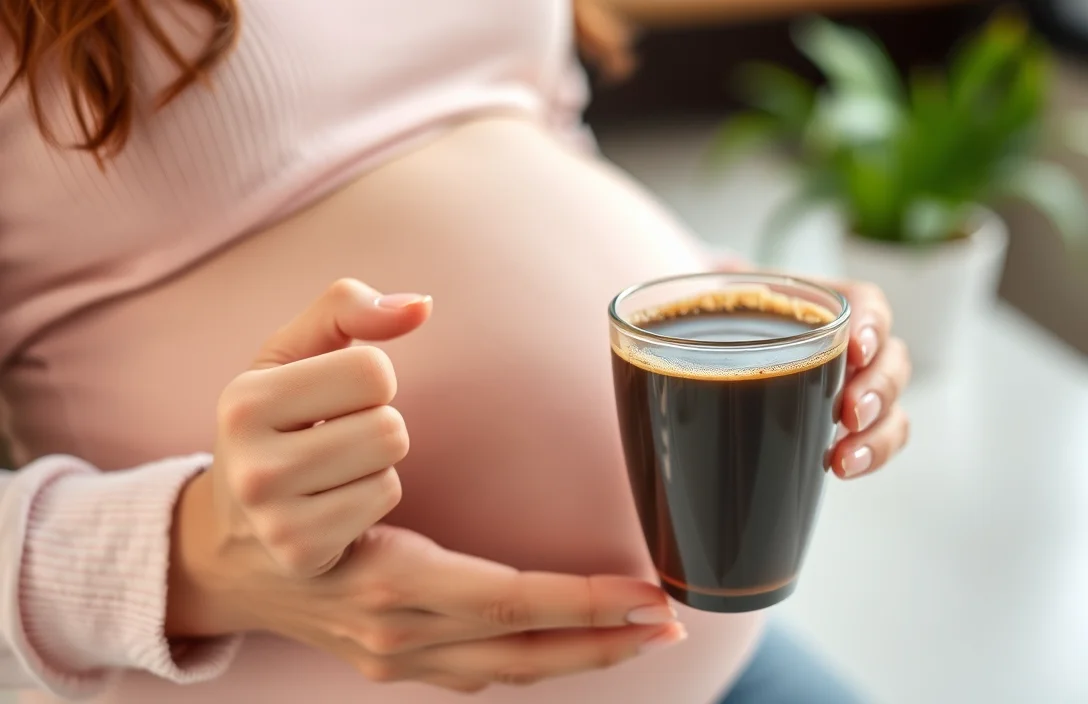
Over 70% of pregnant women consume caffeine, yet experts recommend limiting intake to 200 mg daily. This statistic raises questions about the safety of coffee during pregnancy, particularly regarding its effects on fetal development and maternal health.
Research indicates that moderate coffee consumption is generally safe. Pregnant women should limit caffeine to 200 mg per day, equivalent to about one 12-ounce cup of coffee. Always consult a healthcare provider for personalized advice.
Caffeine Effects on Pregnancy
Caffeine consumption during pregnancy can lead to various health effects. Research indicates that excessive intake may increase risks such as miscarriage, low birth weight, and developmental issues. Pregnant women should be aware of these potential consequences to make informed choices about their caffeine habits.
- Caffeine crosses the placenta quickly, affecting the fetus. This exposure can lead to potential complications, especially in high amounts. Fetal metabolism of caffeine is slower than that of adults, making it crucial to monitor intake closely.
- Studies show that moderate caffeine intake correlates with increased heart rate and other physiological changes in pregnant women. Monitoring your body’s response helps ensure that caffeine consumption remains within safe limits.
- Health experts recommend being mindful of all caffeine sources. Coffee, tea, chocolate, and some medications contain caffeine, so a comprehensive approach to tracking intake is essential for expecting moms.
Recommended Caffeine Limits for Expecting Moms
Caffeine consumption during pregnancy should be monitored closely to ensure the health of both mother and baby. Experts recommend limiting caffeine intake to no more than 200 milligrams per day. This amount is roughly equivalent to one 12-ounce cup of coffee. Staying within this guideline can help reduce risks associated with higher caffeine consumption.
- Consult your healthcare provider regularly. Personalized advice is crucial for managing caffeine intake based on individual health factors.
- Track your daily caffeine sources. Consider not just coffee, but also tea, chocolate, and certain medications that may contain caffeine.
- Opt for decaffeinated alternatives. If cravings for coffee persist, try decaf versions to satisfy your taste without exceeding caffeine limits.
- Monitor your body’s response. Pay attention to how caffeine affects your energy levels and sleep patterns, adjusting intake as necessary.
- Stay informed about new research. Recommendations may change as studies evolve, so keeping updated ensures you’re following the latest guidelines.
Alternatives to Coffee for Pregnant Women
Herbal teas represent an excellent option. Varieties like chamomile or peppermint are naturally caffeine-free and can provide soothing benefits. Always consult your healthcare provider before trying any new herbal tea, as some might not be safe during pregnancy.
Fruit-infused waters offer a refreshing alternative. Combine slices of lemon, cucumber, or berries in water for a flavorful drink. This method not only hydrates but also boosts vitamin intake, making it a healthy choice for expecting mothers.
Bone broth serves as a nutritious beverage. Rich in minerals and collagen, it can help support overall health. This warm drink is comforting and can be enjoyed at any time of the day, especially during cold weather.
Decaffeinated coffee provides a similar taste without caffeine. Look for high-quality brands that maintain flavor without the stimulating effects. This option allows those who miss coffee to enjoy a familiar beverage without the associated risks.
Coconut water stands out for its natural electrolytes. Packed with potassium and hydration, it’s a great choice for combating fatigue. Many pregnant women find it refreshing and beneficial during warm weather or after exercise.
Impact of Coffee on Fetal Development
Caffeine intake significantly affects fetal growth. Pregnant women should be cautious about their coffee consumption to minimize potential risks. Studies indicate that excessive caffeine may lead to low birth weight, preterm delivery, or developmental issues in infants. Therefore, moderation is crucial for expectant mothers.
- Caffeine crosses the placenta quickly. This means that the fetus is exposed to the same caffeine levels as the mother, which can impact growth and development.
- Research shows that high caffeine consumption correlates with an increased risk of miscarriage. Limiting intake to about 200 mg per day is often recommended for safety.
- Low birth weight is another concern. Babies born with low birth weight face higher risks of health complications, including respiratory issues and developmental delays.
- Developmental delays may occur. Some studies suggest that excessive caffeine consumption can affect neurodevelopment, possibly leading to cognitive and behavioral issues as the child grows.
Monitoring caffeine intake is essential. Pregnant women should consult healthcare providers to establish safe consumption levels tailored to their individual health needs.
Identifying Symptoms of Caffeine Sensitivity
Recognizing caffeine sensitivity helps pregnant women make informed choices. Symptoms can manifest differently for each individual. Awareness of these signs is crucial during pregnancy, as they can influence coffee consumption and overall well-being.
- Increased heart rate indicates sensitivity. Some women may experience palpitations or an elevated pulse after consuming caffeine. Monitoring heart rate can help determine tolerance levels.
- Unusual anxiety or jitteriness may arise. Caffeine can amplify feelings of anxiety, leading to nervousness or restlessness. If these feelings occur, consider reducing coffee intake.
- Sleep disturbances can signal sensitivity. Difficulty falling asleep or staying asleep might be linked to caffeine consumption, especially if consumed later in the day. Track sleep patterns to assess the impact.
- Gastrointestinal issues can develop. Symptoms like nausea or stomach upset may occur after caffeine intake. If these symptoms emerge, evaluate the amount and timing of coffee consumption.
- Headaches or migraines may intensify. Some individuals may experience increased headache frequency or severity linked to caffeine. Recognizing this connection can guide dietary adjustments.
Decaffeinated Coffee as an Option
Decaffeinated coffee serves as a suitable alternative for pregnant women craving the flavor of coffee without the caffeine. It retains the rich taste while significantly lowering caffeine intake, making it a safer choice. Most decaf varieties contain only a trace amount of caffeine, typically around 2-5 milligrams per cup, compared to regular coffee, which can have over 100 milligrams.
Studies indicate that moderate consumption of decaf coffee during pregnancy poses minimal risks. Pregnant women can enjoy the taste while adhering to recommended caffeine limits. Always check the specific brand’s details, as some may have higher caffeine levels than expected.
Flavor profiles vary among decaf options, allowing for a personalized experience. Espresso, dark roasts, and flavored varieties offer something for every palate. Experimenting with different types can help find a preferred choice that satisfies cravings without exceeding caffeine recommendations.
Health experts often recommend discussing dietary choices with healthcare providers during pregnancy. Regular consultations can provide tailored advice on caffeine consumption and overall diet. Monitoring intake of both caffeinated and decaffeinated beverages ensures a balanced approach to health during pregnancy.
Caffeine in Other Beverages
Various drinks contain caffeine, impacting pregnant women in different ways. Besides coffee, teas, energy drinks, sodas, and certain juices may contribute to overall caffeine intake. Understanding these sources allows expectant mothers to monitor their consumption effectively.
Tea generally has less caffeine than coffee, but some varieties can still pack a punch. Black tea typically contains around 40-70 mg per cup, while green tea offers about 20-45 mg. Herbal teas are often caffeine-free, making them a safer choice during pregnancy.
Energy drinks vary widely in caffeine content, often containing 80-300 mg per serving. Many also include other stimulants and sugars, which can pose additional risks. Pregnant women should avoid these beverages to minimize health concerns.
Sodas can be sneaky sources of caffeine, especially colas. A regular cola may have about 30-50 mg of caffeine per can, while diet versions can be similar. Opting for caffeine-free alternatives can help manage intake.
Some chocolate products contain caffeine, particularly dark chocolate. A standard ounce of dark chocolate can contain 20-30 mg. Moderation is key, ensuring that cravings don’t lead to excessive consumption.
Quick Summary
- Moderate coffee consumption during pregnancy is generally considered safe.
- The recommended limit is usually around 200 mg of caffeine per day, equivalent to about one 12-ounce cup of coffee.
- Excessive caffeine intake may be linked to risks such as low birth weight and preterm birth.
- Women should be aware of hidden sources of caffeine in chocolate, tea, and some medications.
- Individual tolerance to caffeine can vary, so pregnant women should consult their healthcare provider for personalized advice.
- Decaffeinated coffee is a safer alternative for those looking to reduce caffeine intake.
- Staying hydrated and maintaining a balanced diet is crucial during pregnancy, regardless of caffeine consumption.
Frequently Asked Questions
Can pregnant women drink coffee?
Yes, pregnant women can drink coffee, but moderation is key. It’s generally recommended to limit caffeine intake to 200 mg per day, which is roughly equivalent to one 12-ounce cup of coffee.
What are the risks of drinking coffee during pregnancy?
Excessive caffeine intake during pregnancy has been linked to an increased risk of miscarriage, low birth weight, and preterm birth. It’s important to monitor your overall caffeine consumption from all sources, including tea, soda, and chocolate.
Are there any benefits to drinking coffee while pregnant?
Some studies suggest that moderate caffeine consumption may have certain benefits, such as improved mood and decreased fatigue. However, these potential benefits should be weighed against the risks associated with high caffeine intake.
Can I consume decaffeinated coffee instead?
Yes, decaffeinated coffee is a safer alternative for pregnant women who enjoy the taste of coffee but want to limit caffeine. Just be mindful that decaf still contains a small amount of caffeine, so it’s best to check the label.
Should I consult my doctor about coffee consumption during pregnancy?
Yes, it’s always a good idea to discuss your diet and caffeine consumption with your healthcare provider during pregnancy. They can offer personalized advice based on your individual health and circumstances.

- Espresso Tastes Watery? 10 Common Causes and How to Fix It - October 23, 2026
- 10 Common Coffee Equipment Cleaning Mistakes and How to Avoid Them - October 23, 2026
- 17 Common Coffee Grinder Problems and How to Fix Them - October 23, 2026