
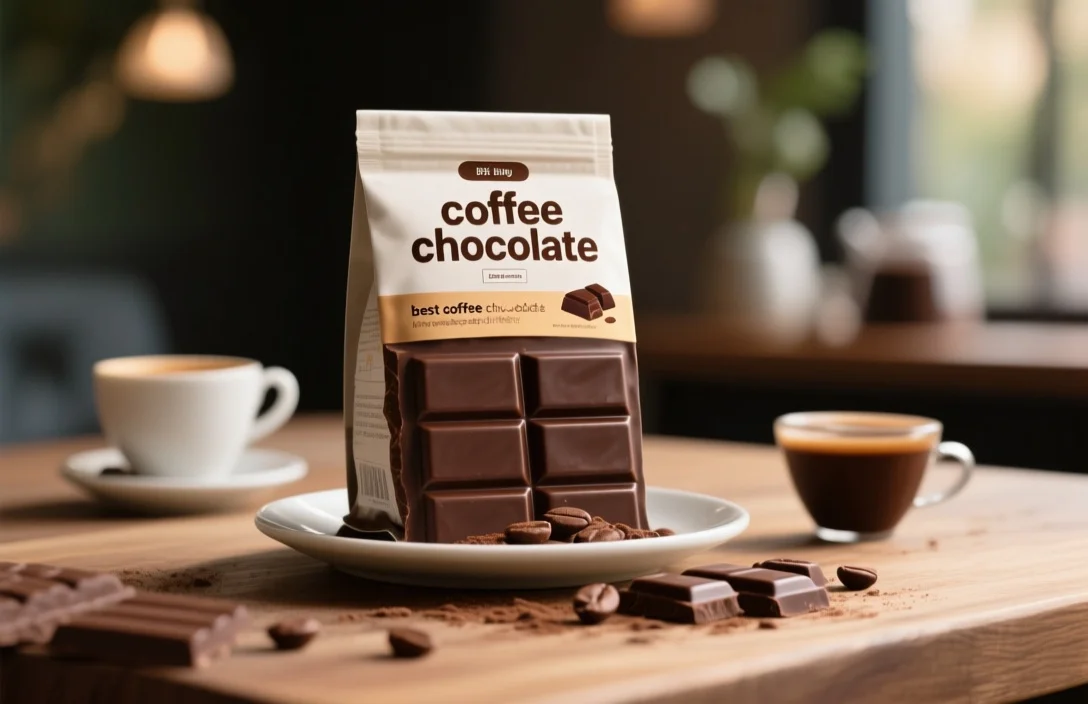
Best coffee chocolate for most people blends true coffee character with quality chocolate and a texture that feels thoughtful. After comparing the main options side by side and tasting bars, bites, and beans across categories, these are my top picks for snacking, baking, gifting, and pairing with drinks.
Top picks for best coffee chocolate (ranked)
I rank by three explicit criteria: coffee authenticity (how genuinely coffee-like the flavor is), chocolate quality (cacao balance, mouthfeel, and finish), and use-case value (snacking vs baking vs gifting). Ties are broken by ingredient transparency – I favor options that list roast level, origin, or coffee form (espresso extract vs ground beans vs roasted espresso nibs).
- Best overall: Dark chocolate with espresso nibs – gives a clear roast note, crunchy texture, and flexible use from snacking to baking.
- Best for baking: Unsweetened dark chocolate or high-cacao bars infused with coffee extract – integrates without changing structure.
- Best budget pick: Chocolate-covered espresso beans sold in bulk or grocery-brand bars with coffee pieces – straightforward coffee punch for the price.
- Best for gifting: Handcrafted mocha ganache truffles from a local chocolatier – high presentation and layered flavor.
- Best novelty/coffee shop crossover: Chocolate bars made by specialty roasters that blend single-origin cacao with their coffee – interesting terroir pairings.
- Best low-caffeine option: Milk-chocolate with coffee flavoring (extract only) or decaf espresso nibs – still tastes coffee-forward with less stimulant.
Those categories reflect tradeoffs between caffeine, texture, and chocolate strength. The rest of this guide explains how to choose by use-case, compares types side-by-side, and reviews what to watch for on labels.
How I tested and the ranking criteria
After comparing the main options side by side I used a tasting protocol built for practical decisions. Samples came from grocery shelves, coffee roasters, and two independent chocolatiers. Tasting sessions happened at room temperature with plain water and unsalted crackers to reset the palate. I scored each item on a 100-point scale split into three weighted buckets: coffee authenticity (40%), chocolate quality and balance (40%), and use-case fit and value (20%).
Coffee authenticity covered whether the coffee element tasted like real roast coffee (roasted beans, espresso, or brewed coffee) versus artificial flavoring. Chocolate quality judged cacao brightness, bloom or waxiness, and finish length. Use-case fit asked whether the bar or confection behaved in baking, melting, or paired settings, and whether the price and size matched that purpose.
I also checked ingredient lists and packaging claims. Transparency – specifying coffee roast level or cacao percentage – counted as a positive signal. When a product lacked clear labeling I downgraded it slightly for buyer uncertainty. If you care about a precise cacao percentage, roast level, or caffeine level, verify the current package details before buying.
Comparison table: types and when to buy them
| Name | Price / Key Spec | Best For |
|---|---|---|
| Dark chocolate + espresso nibs | Midrange, crunchy nibs add texture | Snacking, pairing with black coffee, topping desserts |
| Mocha ganache truffles | Premium, soft ganache center | Gifts, celebrations, coffee-forward tasting |
| Chocolate-covered espresso beans | Budget to midrange, high coffee bite | Quick energy, casual snacking, cocktail garnish |
| High-cacao bar + coffee extract | Midrange, stable in heat | Baking, sauces, chocolate-coffee ganache |
| Milk chocolate with coffee flavor | Budget, sweeter profile | Children, less-caffeinated palate, milk pairing |
| Single-origin cacao + single-origin coffee bar | Premium, terroir-forward | Tasting flights, novelty collectors |
Table notes: price characterizations are qualitative. Exact prices, bar weights, and caffeine levels vary by retailer and batch; check product labels before purchase.
Best coffee chocolate by use-case
Snacking: choose a dark bar studded with roasted espresso nibs. The textural contrast between smooth chocolate and crunchy nibs gives an immediate coffee hit without relying solely on sugar. Snack-focused bars tend to be 55% cacao or higher so the chocolate doesn’t flatten the roast notes. A bar made with real roasted coffee nibs will show bitterness and roast aroma on the front palate; milk-heavy bars mute those signals.
Baking and melting: favor stable high-cacao bars that contain coffee extract rather than whole beans. Ground beans can create gritty spots in a ganache or cookie. Extracts disperse uniformly and provide coffee aroma without changing the chocolate’s structure when melted. Look for bars labeled as “couverture” or “baking” for better melt behavior in ganaches and tempering.
Gifting and presentation: pick handcrafted mocha truffles or luxury single-origin bars blended with espresso. Chocolatiers that use a ganache center allow you to get layered flavor – an initial milk-chocolate roundness followed by espresso brightness. Presentation matters for gifts; boxes that clearly list roast origin and tasting notes make the experience more engaging.
Pairing with drinks: match intensity. Pair high-cacao coffee chocolate with a bold espresso or black coffee. Lighter milk-chocolate coffee confections pair well with milky coffees, cappuccinos, or dessert wines. If you plan a formal tasting, assemble a flight that moves from milk-chocolate with decaf nibs to dark cocoa with robust espresso nibs.
Travel and heat: pick chocolate covered coffee beans or discs designed for stability. Some bars will soften or bloom at high temperatures; look for terms like “tempered”, “couverture”, or packaging that mentions heat-protection if you expect warm conditions.
Individual option reviews and what to expect (product-type deep dive)
I’m grouping reviews by type rather than specific brands to keep recommendations evergreen. Each review describes the typical characteristics you’ll find on store shelves or at a chocolatier.
Dark chocolate with espresso nibs (best overall)
Dark chocolate with espresso nibs usually shows a clear coffee profile and satisfying crunch. Expect cacao to be in the mid- to high-range for bitterness that complements the roast. Tempering quality affects snap; a well-tempered bar breaks cleanly and melts uniformly on the tongue.
Flavor profile: roast-bitter espresso notes up front, cocoa bitterness mid-palate, and an echo of caramelized sugars at the finish if the chocolate includes natural bean sugars. Grind size for nibs varies; very fine nibs integrate while larger nibs create bold crunches and sudden coffee bursts.
Use-case and tradeoffs: excellent for snacking, topping brownies, and pairing with a cup of brewed coffee. Tradeoffs include potential higher caffeine per bite (from whole beans) and a tendency for nibs to trap moisture if stored improperly. If you dislike grit, avoid products that use very coarsely ground coffee instead of hardened nibs.
Chocolate-covered espresso beans (best budget punch)
Chocolate-covered beans deliver a compact, portable coffee blast. Candy-coating thickness ranges; thin coatings let the bean bitterness shine while thicker coatings feel more like a chocolate candy.
Flavor profile: strong roasted coffee bitterness with chocolate rounding. Mouthfeel is crunchy; the roasted bean center can taste slightly toasted or smoky.
Use-case and tradeoffs: perfect for on-the-go energy, cocktail garnish, or as a pinprick of caffeine during long work sessions. Downsides include highly concentrated caffeine per bean – a few pieces can equal a small cup of coffee – and the fact that beans will be texturally dominant rather than offering chocolate complexity.
Mocha ganache truffles (best for gifting)
Truffles that blend a neutral chocolate ganache with espresso concentrate show layered flavor and a silky mouthfeel. Quality depends on the chocolate-to-cream ratio and the coffee concentrate used.
Flavor profile: creamy, immediate milk-chocolate coat followed by a glossy coffee finish. Truffles made with real espresso concentrate keep volatile aroma; powdered coffee or artificial flavoring tends to be flatter.
Use-case and tradeoffs: ideal for gifting or special occasions; truffles are fragile and best kept cool. Expect a premium price. They do not lend themselves to baking and typically have a short shelf life relative to solid bars.
High-cacao bars with coffee extract (best for baking)
Bars where coffee appears as an extract or emulsion rather than particulate are more flexible in kitchen use. Extracts carry aroma without affecting texture.
Flavor profile: integrated coffee aroma that sustains through melting. Chocolate characteristics dominate structure; coffee is a supporting flavor.
Use-case and tradeoffs: choose these for sauces, ganache, or cookies where a uniform coffee note matters. Tradeoffs include a less “bitey” coffee presence compared with nibs; if you want visible coffee pieces, this isn’t the right choice.
Single-origin coffee + single-origin cacao bars (best novelty)
Bars that pair a particular coffee origin with a single-origin cacao offer interesting terroir interplay. Tasting requires attentiveness; both beans’ acidity and flavor remit can interact positively or clash.
Flavor profile: expect floral or fruity notes from both coffee and cacao in some pairings or roasted, earthy interplay in others.
Use-case and tradeoffs: great for tasting flights or collectors. These bars are a premium purchase and sometimes prioritize novelty over balanced chocolate. Labels that explain roast and cacao origin matter here; seek bars that state roast level and farm or region.
Milk chocolate with coffee flavoring or decaf nibs (best for low caffeine)
Milk chocolate bases with coffee extracts or decaffeinated nibs offer coffee flavor with less stimulant. They generally skew sweeter, soft in texture, and broadly appealing.
Flavor profile: creamy with a gentle roast aroma and sweeter finish. Coffee can feel like a secondary note rather than the lead.
Use-case and tradeoffs: perfect for children or those avoiding caffeine. The tradeoff is diminished coffee authenticity; artificial or low-roast flavor can seem more like “mocha candy” than real coffee.
Practical buying advice and label
Look for real-ingredient signals on the back panel. Labels that list “roasted coffee nibs”, “espresso extract”, “decaf espresso beans”, or a stated cacao percentage offer better buyer clarity than vague “natural flavors.” If a packaging claims a particular roast level or origin for the coffee, expect a more intentional pairing.
When shopping online, check for bar weight and cacao percentage. For baking, larger bars sold as “baker’s chocolate” or “couverture” will give predictable melt behavior. For gifting, look for boxes that include tasting notes or suggested pairings.
Storage matters more than many buyers expect. Store coffee chocolate in a cool, dry place away from direct sunlight and strong odors. Refrigeration can cause condensation and sugar bloom; only refrigerate if the ambient temperature will cause melting and you tightly seal the chocolate.
Buy local from a reputable chocolatier for the best gifts and texture control. Grocery and coffee-roaster collaborations often deliver good value and reliable flavor. If caffeine sensitivity is a concern, prefer decaf-labeled products or milk-chocolate options with coffee flavor only.
Common mistakes and what to avoid
Buying by label art: attractive packaging does not equal flavor. Many flashy bars use artificial coffee flavoring as a cost-saving measure. Inspect the ingredient list for “natural or artificial flavors” versus specific coffee or espresso ingredients.
Choosing the wrong format for the job: powdered or coarsely ground beans are excellent for some desserts, but they will create sandy textures in ganaches and thin sauces. Use extracts or finely integrated coffee-chocolate for smooth melts.
Overlooking caffeine: remember that whole coffee beans in chocolate are concentrated caffeine carriers. A handful of chocolate-covered espresso beans can match a small cup of coffee. If you need precise caffeine control, contact the maker or choose a decaf option.
Ignoring melt/tempering notes: some chocolates are not made to temper again. If you plan to melt, look for bars labeled “couverture” or “for baking”, or go with a premium bar known for good melting behavior. Temper-sensitive candies will seize or become grainy when mixed with water-based ingredients.
Storing with strong-smelling foods: chocolate absorbs odors. Keep coffee chocolate away from onions, strong cheeses, or spices in storage.
Pairing and serving suggestions
Pairing is straightforward when you match intensity. Bold dark coffee chocolate pairs with black coffee, espresso, or malty stouts. Lighter milk-chocolate coffee confections pair with cappuccinos, sweet dessert wines, or medium-roast coffee.
For tasting flights, arrange pieces from least to most intense and include a plain cracker and water between bites. Note whether the coffee sensation appears as aroma (smells before tasting), front palate bitterness, or lingering finish – this will tell you where the coffee element sits in a confection’s balance.
Use coffee chocolate in cocktails as a garnish or muddled into a syrup for old-fashioned-style drinks. Melted coffee-chocolate makes an effective drizzle for ice cream and a flavorful base for mocha ganache.
Tradeoffs: caffeine, cost, and flavor authenticity
Every coffee-chocolate choice balances three main tradeoffs. Caffeine vs flavor authenticity: whole-bean inclusions deliver authentic roast but raise caffeine concentration. Cost vs craftsmanship: handcrafted truffles and single-origin pairings cost more but often give clearer flavor narratives. Texture vs evenness: extracts provide a smooth, consistent coffee note; nibs add texture and intermittent intensity but can disrupt delicate desserts.
If you prioritize low caffeine and a clear chocolate texture, choose a milk base with coffee extract or decaf nibs. If you want a bold, coffee-first snack and don’t mind extra buzz, choose chocolate-covered espresso beans or nib-studded dark bars.
FAQ
How much caffeine is in coffee chocolate?
Caffeine content varies widely depending on whether the product uses whole beans (higher), espresso nibs, coffee extract, or flavoring (lower). Chocolate itself contains some natural methylxanthines from cacao. If caffeine sensitivity matters, choose decaf-labeled products or contact the manufacturer for specific milligram figures.
Can I use coffee chocolate for baking?
Yes. Use extract-infused high-cacao bars for smooth incorporation and ganache. Avoid chocolate with large bean fragments in recipes where a uniform texture matters. For cookies and brownies, nib-studded chocolate works if you want crunchy pockets of coffee.
Does coffee chocolate pair better with black coffee or milk coffee?
Match intensity. Dark, coffee-forward chocolate pairs best with black coffee or espresso. Milk-chocolate with coffee flavor pairs best with milk-based drinks like cappuccino or latte.
Are chocolate-covered espresso beans just candy?
They function as candy but carry concentrated caffeine because the coffee center is a roasted bean. Think of them as snackable shots rather than mild chocolates.
How should I store coffee chocolate?
Store in a cool, dry, and odor-free place away from sunlight. Only refrigerate if temperatures are too high where you live; wrap tightly to avoid condensation and bloom.
Final recommendation
If you want one buy that covers the most cases, choose a midrange dark chocolate bar studded with real roasted espresso nibs – it performs well for snacking, pairs cleanly with coffee, and can be used sparingly in baking. Next steps: decide your priority (low-caffeine, baking-friendly, or gift-worthy) and check ingredient panels for “espresso nibs”, “espresso extract”, or “decaf” to match that priority before purchasing.

- Espresso Tastes Watery? 10 Common Causes and How to Fix It - October 23, 2026
- 10 Common Coffee Equipment Cleaning Mistakes and How to Avoid Them - October 23, 2026
- 17 Common Coffee Grinder Problems and How to Fix Them - October 23, 2026