
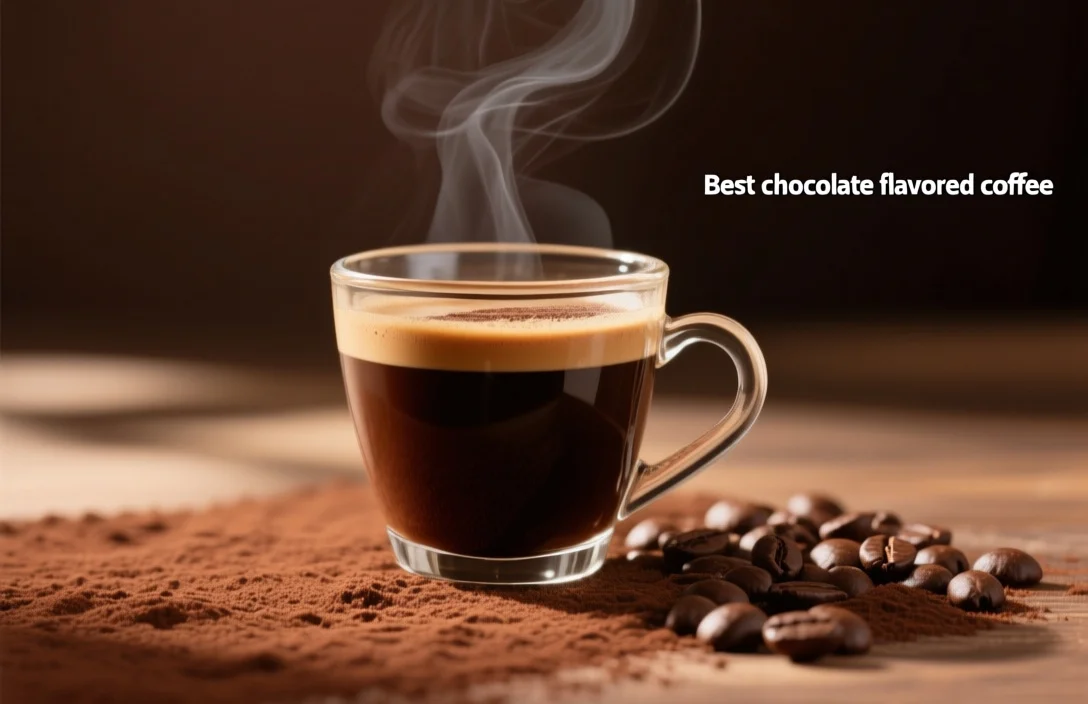
Best chocolate flavored coffee picks at a glance
My top pick for the best chocolate flavored coffee is Stone Street Chocolate Java. It gives you a clear cocoa note without turning the cup into candy. If you want the shortest possible answer, that is the one I would start with.
Here is the ranking I would use for a practical buy: chocolate clarity, roast balance, mouthfeel, versatility across brew methods, and value or availability. I also give extra weight to how the coffee behaves in a real kitchen, not just on a tasting note card.
Quick comparison
| Name | Price / Key Spec | Best For |
|---|---|---|
| Stone Street Chocolate Java | Price varies by retailer; intentionally chocolate-forward blend, available whole-bean and ground | Best overall for a clear chocolate note without sugary flavoring |
| Starbucks Caffè Verona | Price varies; blended roast with dark cocoa tasting notes, wide availability pre-ground and whole-bean | Best for easy supermarket access and a mocha-like profile |
| Peet’s Major Dickason’s Blend | Price varies; dark roast blend with natural chocolate and earthy undertones | Best for roast-forward chocolate that holds up to milk |
| Volcanica Chocolate Flavored Beans | Price varies; flavored beans with added cocoa or chocolate flavoring, multiple variants | Best for dessert-style drinks and flavored variety |
| Lavazza Crema e Gusto | Price varies; espresso roast with creamy body and chocolate-leaning crema | Best for espresso and moka pot chocolate intensity |
| Instant chocolate coffee mixes | Price varies; soluble coffee plus cocoa or sweetener, single-serve convenience | Best for travel, office, and quick mocha-like drinks |
| Dark chocolate single-origin beans | Price varies; beans that naturally show cacao and dark-fruit notes | Best for tasting origin complexity with chocolate notes |
| Cold brew chocolate blends | Price varies; blends tailored for low-temperature extraction | Best for iced or cold-brewed chocolate flavor |
Prices were not consistently available in the material I worked from, so I would verify the current bag price before buying.
How I ranked these coffees
I would not rank chocolate coffee on flavor alone. A cup can taste great in one brew method and fall flat in another, so I looked at a few practical things together.
First, I weighed how clearly the chocolate came through. Then I looked at roast balance, because a coffee can drift into bitter cocoa if the roast is too dark. Mouthfeel mattered too, since chocolate notes feel very different in a thin cup than in a syrupy one. I also kept an eye on brew-method flexibility, because most readers are not buying a coffee for one exact setup. Finally, I looked at availability in the U.S. market, since a great coffee is less useful if you cannot buy it regularly.
I also separated two different kinds of chocolate character. Some coffees have natural cacao-like notes from origin and roast. Others are flavored with cocoa, chocolate oil, or related additives after roasting. Those are not the same experience, and I would choose between them based on whether I wanted a coffee that tastes like coffee with chocolate notes, or a sweeter mocha-style cup.
Best chocolate flavored coffee by use case
1) Stone Street Chocolate Java – best overall
This is the one I would reach for first. It has a direct chocolate impression, but it stays grounded in coffee. I would call that the sweet spot for most buyers.
The cup leans cocoa-forward with a clean finish. It does not try too hard. That matters, because some chocolate coffees get syrupy fast and lose their coffee character. Stone Street keeps enough roast structure to work as a daily drink.
The tradeoff is that the stronger roast can get in the way of delicate origin nuance. If you want a very bright, high-acid cup, this is probably not your pick. If you want a dependable chocolate-forward brew, it is.
2) Starbucks Caffè Verona
I keep coming back to Caffè Verona because it is easy to find and easy to live with. That is not a small thing. If a coffee is available in most grocery stores, it becomes a real option instead of a specialty detour.
The profile is dark cocoa, a little rounded, and broadly mocha-like. It is friendly in both whole-bean and pre-ground form. I would choose it for readers who want a chocolate-leaning cup without hunting through specialty shelves.
The compromise is character. It is designed for wide appeal, so it can feel a bit plain if you prefer more depth or more origin detail.
3) Peet’s Major Dickason’s Blend
This is the coffee I would point to if someone wants chocolate as part of a darker, more grounded roast profile. It is not candy-sweet. It is deeper and more earthy, with a bitter cocoa edge that works well with milk.
That makes it useful. A splash of milk gives the cup a fuller, more chocolate-like feel without turning it into a flavored drink. If you like your coffee bold and a little brooding, this is a sensible choice.
The tradeoff is that darker roast character can cover up lighter fruit notes. If you want brightness, look elsewhere.
4) Volcanica chocolate-flavored beans
I would put flavored beans in a separate lane. They are not trying to mimic subtle cocoa notes. They are trying to taste like chocolate, and often they succeed.
That is useful if you want mocha-style drinks at home or if you prefer your coffee to lean dessert-like. The flavor range can include fudgy, chocolate-hazelnut, and similar variants. You get more obvious sweetness and aroma, which many buyers will prefer.
The downside is predictable. Added flavoring can leave an aftertaste, and the profile can fade sooner than a naturally chocolate-leaning coffee. I would not use these for a quiet black cup. I would use them when I want the chocolate to be obvious.
5) Lavazza Crema e Gusto – best for espresso
For espresso or moka pot use, I would put Lavazza near the top of the list. Short shots change the equation. Body and crema matter more, and chocolate reads more strongly when the coffee is concentrated.
This is a practical pick for anyone who wants a short, chocolate-leaning shot with a creamy texture. It does what espresso coffee should do: it gives you density first, nuance second.
The tradeoff is that the espresso-focused roast can flatten some subtler chocolate detail. If you want a layered single-origin cup, this is not the same thing. If you want a rich shot that takes milk well, it is hard to argue with.
6) Dark chocolate single-origin beans – best for complexity
This is the choice for people who want chocolate, but not in a blunt way. Good single-origin beans from Central or South America often carry cacao, nut, and dark-fruit notes together. That gives the cup more movement.
I would choose this route when I want to taste where the coffee came from. The chocolate is part of a wider profile, not the only note in the room. That makes it more interesting than many blends, especially if you drink black coffee or use a light splash of milk.
The drawback is variability. Single-origin coffee changes more from harvest to harvest, and it usually needs more careful brewing to bring out the chocolate without pushing the acidity too far forward.
7) Cold brew chocolate blends – best for iced coffee
If your default order is iced, I would lean toward a cold brew blend built for that purpose. Cold brew smooths acidity and rounds the body, which helps chocolate notes feel fuller and less sharp.
This is the best lane for a mellow, cocoa-heavy iced cup. It is less about aroma and more about texture and depth. For summer coffee, that matters more than people admit.
The tradeoff is time. Cold brew takes planning, and the aroma is quieter at room temperature. Still, if you like cold coffee, this style is often the most forgiving way to get chocolate character.
8) Instant chocolate coffee mixes – best for convenience
I would not call instant mixes the most refined option, but I would call them useful. They are fast, portable, and consistent. In an office or while traveling, that matters.
Most of these lean sweet and mocha-like. That is fine if your goal is speed and familiarity. It is less fine if you want coffee character or clean ingredient lists.
My practical rule is simple. Use instant chocolate mixes when convenience matters more than flavor precision. Use something else when you actually want to taste the coffee.
What creates chocolate flavor in coffee
There are two basic routes to chocolate flavor in coffee, and they do not taste the same.
The first is natural chocolate character. Some coffees, especially from parts of Central and South America, naturally read as cocoa, dark chocolate, or milk chocolate. Roast level has a lot to do with how far that note comes forward. A medium roast usually keeps more nuance. A darker roast pushes the cup toward bitter cocoa and roasted sweetness.
The second route is added flavoring. Some coffees get cocoa powder, chocolate liquor, or chocolate-flavored oil after roasting. That produces a much more obvious chocolate aroma and a sweeter, more dessert-like cup. I would choose this if I wanted a mocha effect. I would skip it if I wanted the coffee itself to stay in charge.
Brew method matters too. Espresso concentrates body and caramelized sugars, so chocolate reads more intensely. Cold brew softens acidity and gives the chocolate a smoother, rounder feel. Drip and pour-over are better if you want to notice the difference between natural chocolate notes and added flavoring.
How to brew for stronger chocolate notes
If you want the chocolate to show up clearly, I would keep the process simple and controlled.
- Use the right grind for your method.
- Measure by weight instead of guessing.
- Match water temperature to the brew method.
- Avoid over-extraction, which pushes the cup toward bitterness.
- Add milk or cream in small amounts if you want a softer, milk-chocolate result.
- Use whole beans when you can, and grind fresh.
- For cold brew, give the coffee enough steep time to build body.
Freshness matters more than people think. Whole beans in an opaque, airtight container keep the chocolate aroma longer than pre-ground coffee. Once ground, those top notes fade quickly.
Water matters too. If your tap water is very harsh or very flat, the chocolate impression can change. A balanced mineral profile usually gives a better sense of sweetness and body. I would not overcomplicate this, but I would pay attention if your coffee suddenly tastes thin or harsh.
Milk can help, but it is not magic. Whole milk tends to bring out milk-chocolate sweetness and soften roast bitterness. Plant milks can work, but some mute the chocolate note. If you are trying to fine-tune a mocha-style cup, small adjustments make a bigger difference than most recipe tweaks.
Natural chocolate notes vs flavored coffee
I would think about this as a choice between restraint and emphasis.
Natural chocolate notes
- Keep origin character intact.
- Often come with fruit or nut notes.
- Need good brewing to show up clearly.
- Make more sense if you drink coffee black or with a little milk.
Flavored chocolate coffee
- Gives you an obvious chocolate aroma.
- Works well for dessert-style drinks.
- Can be convenient for home mochas.
- Can leave flavor oils behind and flatten the coffee character.
If you are buying for a café-style mocha or a sweet home drink, flavored coffee makes sense. If you want a cup that still tastes like coffee first, I would lean toward a chocolate-forward blend or a single-origin with cocoa notes.
What to avoid when buying chocolate coffee
A few mistakes come up again and again.
Do not assume a darker roast automatically means better chocolate. Sometimes it does the opposite and pushes the coffee into bitter cocoa territory. If you want milk-chocolate sweetness, a less aggressive roast is usually the safer bet.
Do not buy ground coffee unless you plan to use it quickly. Pre-ground coffee loses aroma fast. Once that top layer disappears, the chocolate note often goes with it.
Do not trust the word “chocolate” on its own. Some bags use it as a tasting note, which means the coffee is supposed to taste like chocolate naturally. Others are actually flavored. That difference changes the cup a lot.
I would also skip sugary instant mixes if your goal is a real coffee experience. They can be useful, but they often trade away depth for speed.
What to look for on the bag
Here is the short buying checklist I would use.
- Whole bean if possible, because it holds aroma better.
- Roast date or “roasted on” date if the brand gives it.
- Clear language about whether chocolate is a tasting note or an added flavor.
- Origin information if you want natural cacao-like notes.
- Espresso or crema-friendly labeling if you plan to use a machine or moka pot.
- A blend made for cold brew if that is your usual style.
My practical rule is this: pick the format first, then the flavor type, then the roast level. That keeps the decision from getting muddled.
How to store it without losing the chocolate note
Store coffee in an opaque, airtight container at room temperature and keep it away from heat. That is still the simplest answer. I would not refrigerate coffee, and I would only freeze it if I bought in bulk and portioned it carefully in airtight bags.
Clean equipment matters more with flavored coffees. Oils from chocolate-flavored beans can linger in grinders and espresso parts, and that residue can carry over into later brews. If you switch between flavored and unflavored coffee often, regular cleaning is worth the effort.
Filtered water can also help if your tap water has strong chlorine or mineral character. Those flavors can flatten sweetness and make the chocolate seem dull.
How much does chocolate coffee cost?
Exact current pricing was not consistently available in the material I reviewed. I would check the latest price before buying, especially if you are comparing specialty bags against grocery-store options.
In general, you should expect prices to vary by roast, packaging size, and whether the coffee is flavored, single-origin, or a mainstream blend. That is normal. The better move is to compare cost per ounce rather than looking only at the sticker price on the front of the bag.
FAQ
How can I tell if a coffee will taste chocolate before I buy it?
Read the tasting notes on the bag. Words like cocoa, dark chocolate, and mocha usually point to chocolate-like flavor. If the label says chocolate-flavored, that usually means added flavoring rather than a natural note.
Does milk make every coffee taste chocolate?
No. Milk can bring out caramel and cocoa-like qualities, but it cannot create them from nothing. If the coffee has no chocolate character to begin with, milk will not fix that.
Are flavored chocolate coffees bad for espresso machines?
They can leave residue in grinders and machine parts. I would clean equipment regularly and keep a separate grinder if you use flavored beans often.
Which brew method brings out the most chocolate?
Espresso and cold brew usually emphasize chocolate in different ways. Espresso gives you intensity and body. Cold brew gives you a rounder, smoother chocolate feel. Drip and pour-over show more nuance.
Can I make chocolate coffee at home from regular beans?
Yes. You can add unsweetened cocoa powder to brewed coffee, or mix in chocolate syrup for a mocha-style drink. You can also blend regular beans with a small amount of chocolate-flavored coffee if you want a gentler result.
Final recommendation
If you want one bag that makes the most sense for most people, I would start with Stone Street Chocolate Java. It gives a clear chocolate profile without going overly sweet. If you want something easier to find, Starbucks Caffè Verona is the practical backup. If you prefer a darker, more roast-driven cup, Peet’s Major Dickason’s Blend is the better fit.
My final advice is simple. Choose whole beans if you can, grind fresh, and match the coffee to the way you actually brew at home. That does more for chocolate flavor than chasing the fanciest bag on the shelf.

- Espresso Tastes Watery? 10 Common Causes and How to Fix It - October 23, 2026
- 10 Common Coffee Equipment Cleaning Mistakes and How to Avoid Them - October 23, 2026
- 17 Common Coffee Grinder Problems and How to Fix Them - October 23, 2026