
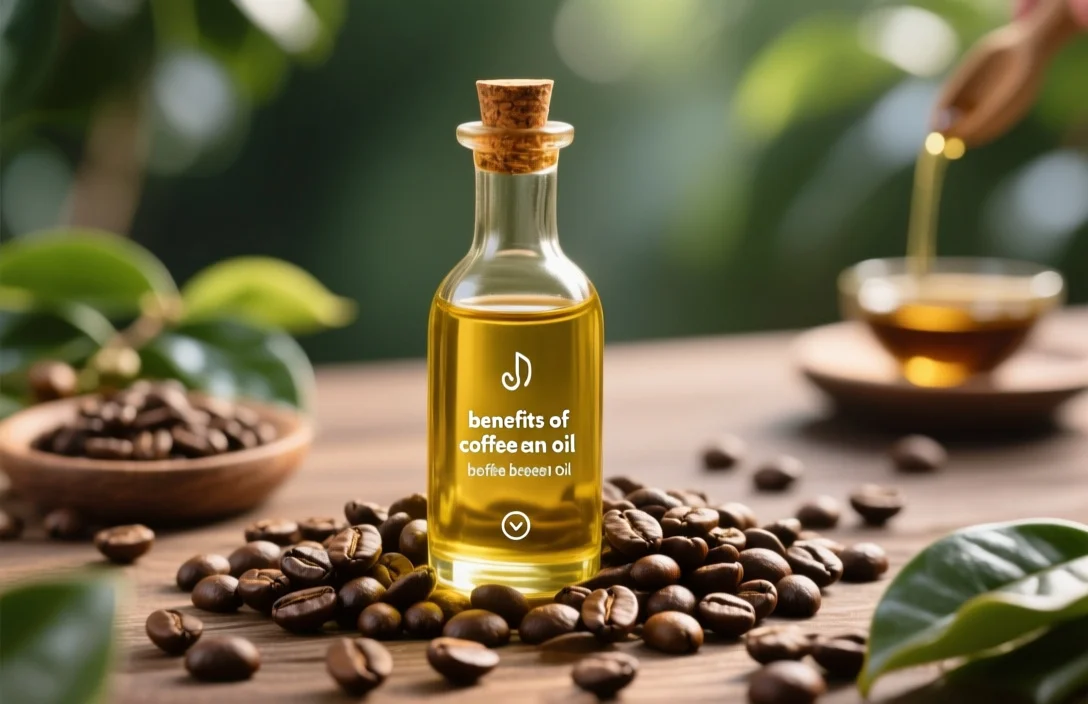
Coffee bean oil can improve skin hydration, deliver antioxidants to the surface, add a long-lasting roasted aroma in cosmetics, and act as a lightweight conditioning oil for hair and scalp. Practical uses include topical serums, massage blends, hair treatments, and perfumery; expect benefits to be modest and driven by quality and extraction method.
What coffee bean oil is and how it’s made
Coffee bean oil (also called coffee seed oil) comes from the seeds of the coffee plant rather than the brewed drink. Producers extract the oil using one of three common methods: cold-pressing raw seeds, CO2 extraction (a solvent-free, high-yield industrial method), or making an infused oil by macerating roasted grounds in a carrier oil. Each method produces oil with different scent, color, and chemical profile.
Cold-pressed oils tend to keep a greener, fresher aroma and a more neutral appearance; CO2 oils capture a broader suite of volatile compounds that give a strong coffee aroma and can preserve heat-sensitive antioxidants; infused oils pick up the toasted, roast-forward fragrance familiar from brewed coffee. Choosing between those depends on whether you prioritize aroma, antioxidant content, or price.
How coffee bean oil works on skin and hair
Topical action of coffee bean oil relies on two broad categories of ingredients: lipid components that condition and protect the skin barrier, and small bioactive molecules such as caffeine-related alkaloids and phenolic compounds with antioxidant potential. Lipids in the oil help form an emollient film that reduces trans-epidermal water loss and increases surface softness. Smaller molecules penetrate more shallow skin layers where they can neutralize free radicals and influence microcirculation.
Aroma molecules in coffee bean oil also affect perceived benefit. Fragrance can change a product’s subjective effectiveness by improving mood or perceived energy, which matters for morning skincare or hair products. Practical performance therefore mixes measurable changes in hydration and barrier with sensory and psychological effects.
Cosmetic and skincare benefits people use it for
Many formulators include coffee bean oil in facial serums, eye creams, and body oils because of its antioxidant and emollient profile. Antioxidants carried in the oil can scavenge free radicals on the skin surface, helping protect lipids and proteins in topical layers from oxidative damage that contributes to dullness and uneven tone. Emollient lipids smooth texture and improve spreadability when the oil is paired with silicones or light esters in a serum.
People seeking brighter-looking skin or firmer-feeling areas often apply products containing coffee oil to the face, neck, or décolletage. Results are incremental: expect improved skin feel and short-term plumping from hydration rather than dramatic structural changes. Individuals with combination or oily skin should look for formulas where coffee bean oil appears in a light ester blend or is diluted with a non-comedogenic carrier to avoid pore-clogging.
Hair and scalp uses and realistic outcomes
Coffee bean oil functions as a light conditioner and shine booster for most hair types when used sparingly. Fatty acids and lipids in the oil smooth the hair cuticle, reduce static, and increase perceived gloss – effects especially visible on dry, frizz-prone ends. Scalp applications capitalize on the stimulating scent and topical caffeine-related molecules; some users report improved scalp feel and temporary reduction in oiliness when coffee oil is part of a pre-wash or leave-in treatment.
Expect the oil to perform best as a targeted treatment: a few drops warmed between palms and applied to mid-lengths and ends, or a diluted scalp serum massaged into the roots. Heavy coverage or high concentrations can weigh down fine hair and make styles limp, so match dosage to hair density and porosity.
How to choose coffee bean oil
After comparing common product labels side by side, the key difference is extraction method and whether the product is a true single-ingredient coffee seed oil or a coffee-infused carrier oil. Look for these label signals.
- CO2-extracted or supercritical CO2 on the ingredient statement indicates a solvent-free extraction that preserves aromatic and some heat-sensitive compounds.
- Cold-pressed or unrefined suggests the oil is mechanically obtained with minimal heat.
- “Infused” or “macerated in” means the aroma comes from steeped roasted grounds in a separate carrier oil; strength and antioxidant carryover will vary.
Step-by-step selection checklist:
- Read the INCI name and confirm “Coffea” (or “Coffea Arabica/Coffea Canephora”) is listed as the oil source.
- Prefer CO2 or cold-pressed labels if aroma retention and active compound preservation matter.
- Choose infused oils when you want a strong roasted scent at lower cost.
- Check for “cold-pressed” or “unrefined” if you need a lighter, green aroma and fewer roast-derived volatiles.
- Verify third-party testing or a batch number for purity if you plan to use the oil near the eyes or on damaged skin.
How to use coffee bean oil safely (practical steps)
Use the following routine as a conservative starting point for topical application. Each step begins with a verb to keep the instructions actionable.
- Patch-test: Apply 1 drop on the inside of the forearm and wait 24 hours for irritation or redness.
- Dilute: Mix 1-5% coffee oil into a carrier (jojoba, fractionated coconut, or squalane) for facial use; use a higher dilution in body blends.
- Apply: Rub a pea-sized amount between palms, then press gently into damp skin or rub through mid-lengths and ends of hair.
- Cleanse after scalp massage: If you used the oil on the scalp as a pre-wash treatment, shampoo thoroughly to remove residue.
- Store: Keep the bottle away from direct heat and sunlight; refrigerate if the product label recommends it.
- Monitor: Stop use if you see persistent irritation, discoloration, or an increase in breakouts.
Risks, side effects, and interactions to watch for
Topical coffee bean oil carries several predictable risks that are easy to manage when you follow dilution and patch-test guidance. Contact dermatitis is the most common adverse effect; people with sensitive skin or existing eczema should test for allergic response before regular use. Sensitized skin can react not only to the oil’s lipid fraction but also to aromatic compounds concentrated in CO2 extracts.
Caffeine in topical oils can cause localized stimulation and transient redness in some users; that may feel like increased warmth after application. Avoid applying coffee bean oil to broken skin and keep it away from the eyes to prevent stinging. Pregnant people and those with specific medical concerns should consult a healthcare professional before starting regular topical use – ingestion of cosmetic oils is not recommended.
Comparing coffee bean oil forms and trade-offs
Comparing the main options side by side clarifies why one product costs more and why another smells different. The table below summarizes extraction types and the practical trade-offs a buyer faces.
| Name | Price / Key Spec | Best For |
|---|---|---|
| CO2-extracted coffee bean oil | Higher aroma fidelity; preserves many volatiles | Perfumery, aroma-forward serums, products where strong coffee scent is desired |
| Cold-pressed coffee bean oil | Neutral to green aroma; retains stable lipids | Lightweight skincare, carriers for sensitive formulas |
| Roasted-ground infused oil | Lower cost; pronounced roast/toast scent | DIY body oils, fragrancing, low-cost hair treatments |
| Fractionated blends with coffee oil | Moderate price; diluted active content | Everyday hair oils and body lotions where absorption and non-greasiness matter |
Price categories reflect typical market positioning rather than specific dollar amounts. Choose CO2-extracted oils when fragrance and aromatic active carryover matter. Select cold-pressed oils for gentler profiles that play well in face serums. Pick infused or blended products when cost and strong roasted fragrance are the priority.
Common mistakes and overstated claims to avoid
Many marketing claims around coffee bean oil overstate what topical application can do on its own. A few frequent errors to avoid will save time and money.
- Expecting major fat-loss or cellulite elimination from topical coffee oil is unrealistic. Topical agents can temporarily improve appearance by tightening and increasing microcirculation, but they do not remove fat deposits.
- Using high concentrations on the face without a patch-test increases the chance of irritation and can cause comedogenic reactions in acne-prone skin.
- Believing that a stronger smell equals higher antioxidant content is not always correct; some strong aromas reflect roasted volatiles that do not correlate directly with antioxidant potency.
- Assuming every product labeled “coffee” contains true coffee seed oil. Ingredient lists may show coffee extract, fragrance, or flavoring instead of oil.
Alternative approaches when expectations are high: combine topical coffee oil in evidence-backed formulas (retinoids, vitamin C, SPF) for layered benefits, and focus on consistent hydration and barrier repair as the core strategies for visible skin improvement.
How to read labels and verify quality
Label literacy prevents buying ineffective or mislabeled products. Look for the following elements on packaging and online product pages.
- Full INCI ingredient listing and the botanical name (for example, Coffea arabica oil).
- Extraction method disclosure – “CO2”, “cold-pressed”, or “infused”.
- Batch or lot numbers and a best-by or manufacture date for freshness tracking.
- Third-party certificates (COA, GC-MS reports listed or available on request) when high purity is essential.
When a vendor does not list an extraction method or uses marketing-only language like “coffee-scented” without botanical names, consider contacting customer service or selecting a product with transparent specifications. Cold-pressed and CO2-extracted oils are more likely to provide consistent, testable quality.
Practical examples and daily routines
Practical use cases show where coffee bean oil usually helps and where it does not.
- Morning facial serum: Add 1-2% coffee oil to a non-comedogenic carrier serum for antioxidant support and an energizing morning scent.
- Night hair treatment: Warm 3-5 drops in palms, apply to mid-lengths and ends, and leave overnight on dry hair for deep conditioning; shampoo in the morning.
- Scalp refresh: Mix a low-percentage coffee oil scalp elixir and massage before washing to improve scalp feel; rinse thoroughly to avoid residue.
- Body smoothing: Blend coffee oil into a lotion at a low dilution and use as a post-shower moisturizer for improved skin feel and aroma.
Practical note on frequency: start with weekly or alternate-day applications to monitor tolerance, then increase frequency if no irritation occurs.
FAQ
Can I use coffee bean oil on sensitive facial skin?
Patch-test first by putting a small amount on the inner forearm and waiting 24 hours. If no redness, itching, or swelling appears, try a 1-2% dilution in your usual facial oil or serum and observe for at least one week.
Is coffee bean oil the same as caffeine oil?
Not always. Coffee bean oil contains caffeine-related alkaloids but is a distinct botanical oil. Products labeled “caffeine” may be isolated caffeine in a carrier and lack the oil’s lipid profile and aroma.
Will coffee bean oil stain fabric or hair color?
Concentrated oils can leave residues on fabric and interact with hair dyes in rare cases. Test on an inconspicuous fabric patch and avoid using undiluted oil near freshly colored hair without consulting your stylist.
Can I ingest coffee bean oil for health benefits?
Do not ingest cosmetic-grade coffee bean oil unless a manufacturer specifically states it is food-grade and provides ingestion instructions. Many cosmetic oils are not processed for internal use.
How long does coffee bean oil last after opening?
Shelf life depends on extraction and storage: unrefined and cold-pressed oils are generally less shelf-stable than refined or CO2-extracted versions. Store in a cool, dark place and use within the manufacturer’s recommended period.
Final verdict and next
Coffee bean oil is a useful topical ingredient when you want lightweight conditioning, an antioxidant-rich surface layer, or a lasting roasted aroma in personal care products. For a first purchase, pick a small CO2-extracted or cold-pressed sample and perform the patch test described above; then integrate it at low dilution into a trusted carrier or product to judge real-world benefits.

- Espresso Tastes Watery? 10 Common Causes and How to Fix It - October 23, 2026
- 10 Common Coffee Equipment Cleaning Mistakes and How to Avoid Them - October 23, 2026
- 17 Common Coffee Grinder Problems and How to Fix Them - October 23, 2026