
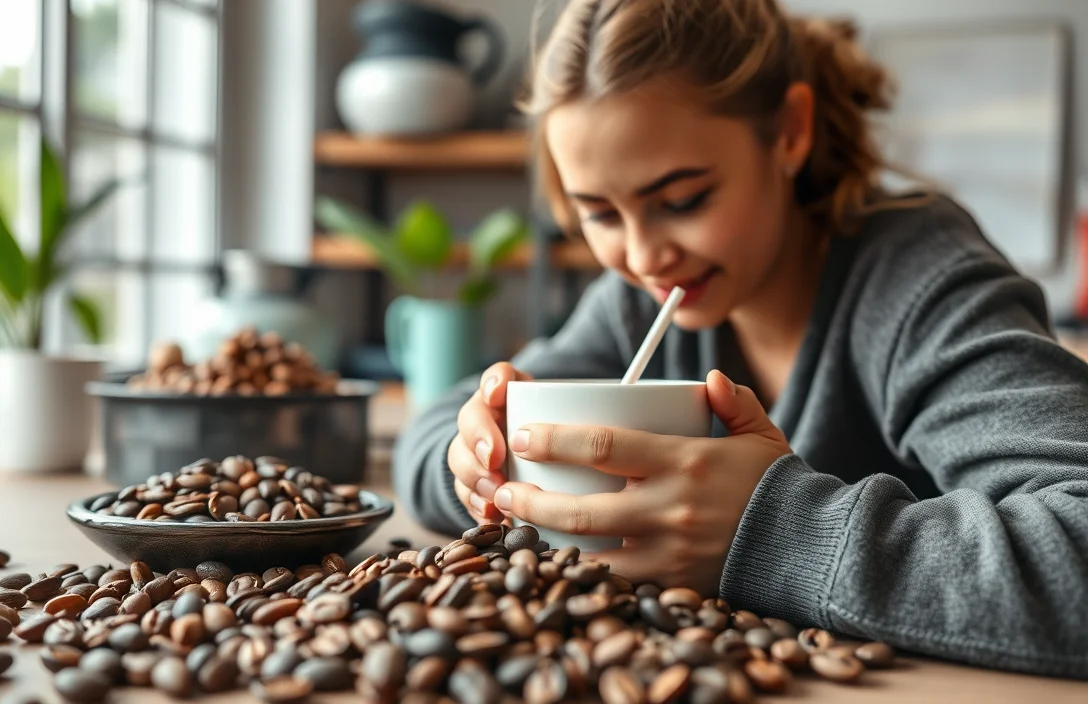
According to the Specialty Coffee Association, over 60% of Americans drink coffee daily, highlighting its importance in daily routines. With such high consumption rates, the question arises: Are coffee beans worth buying for your home brewing experience?
Purchasing coffee beans offers freshness, variety, and cost-effectiveness. Freshly ground beans provide superior flavor compared to pre-ground options, while buying in bulk can save money. Exploring different types also enhances your coffee experience.
Types of Coffee Beans Affect Value
Arabica beans represent the highest quality coffee available. Known for their smooth, complex flavors, they dominate the specialty coffee market. Typically grown at higher altitudes, Arabica plants require specific conditions, making them more expensive than other varieties. Their delicate nature contributes significantly to their value, attracting coffee enthusiasts willing to invest in premium brews.
Robusta beans offer a contrasting experience with a stronger, more bitter taste. These beans are hardier and grow at lower altitudes, making them less expensive to produce. Often used in espresso blends, Robusta beans provide a rich crema and a higher caffeine content, appealing to those who enjoy a bolder coffee flavor. Their affordability can make them an attractive option.
Excelsa beans, while less common, add unique flavors to coffee blends. This variety brings fruity and floral notes, enhancing overall complexity. Though often overshadowed by Arabica and Robusta, Excelsa’s distinct taste can elevate specialty coffee offerings, making it worth exploring for adventurous drinkers. Their rarity can also influence their market value.
Liberica beans present an unconventional choice for coffee lovers. Known for their smoky and woody flavors, they have a distinct aroma that sets them apart. Grown primarily in specific regions, Liberica is less available, which can drive up its price. Exploring this variety can add a unique dimension to your coffee collection.
Understanding Flavor Profiles of Coffee
Flavor significantly varies among coffee beans. Each type brings unique characteristics, affecting aroma and taste. Knowing these differences can guide decisions on which beans to purchase, enhancing your overall coffee experience.
- Arabica beans offer sweetness and acidity. These beans are known for their complex flavors, often featuring hints of fruit or sugar. High-quality Arabica beans are typically considered the gold standard in coffee.
- Robusta beans provide a stronger, bolder taste. Generally higher in caffeine, Robusta has a more bitter profile and earthy notes. This type is often used in espresso blends for its crema-enhancing properties.
- Single-origin beans deliver distinct regional flavors. Sourced from specific locations, these beans highlight unique growing conditions, resulting in diverse tasting notes. Buyers appreciate the story behind each origin, adding value to their purchase.
- Blended beans create balanced flavors. Coffee roasters often mix different beans to achieve a well-rounded profile, catering to various palates. Understanding blends can help you find the perfect cup that suits your preferences.
- Freshness is key for flavor. Purchasing whole beans and grinding them just before brewing preserves the essential oils and volatile compounds that contribute to rich flavors. Investing in fresh beans maximizes taste.
Whole Beans vs Ground Coffee Considerations
Investing in whole beans provides superior flavor and freshness compared to pre-ground options. Grinding beans just before brewing maximizes the coffee’s aroma and taste. Whole beans retain essential oils and compounds that contribute to complex flavors, which can diminish quickly in ground coffee.
Grinding coffee at home allows for customization based on brewing method. Different techniques require different grind sizes; for instance:
- Coarse grind for French press
- Medium grind for drip coffee
- Fine grind for espresso
Quality control is easier with whole beans. Selecting high-quality beans means you control freshness, origin, and roast profile. Pre-ground coffee can vary in quality and may contain stale or low-grade beans, diminishing your coffee experience.
Cost-effectiveness often favors whole beans. Although initial prices might seem higher, they typically yield more servings compared to pre-ground coffee. Buying in bulk can also reduce costs per cup, making it a more economical choice in the long run.
Impact of Freshness and Storage on Quality
Proper storage significantly enhances coffee bean longevity. Exposure to air, light, moisture, and heat can lead to rapid degradation. To maintain freshness, select airtight containers that block light, ensuring beans stay flavorful for longer periods. This simple step can make a noticeable difference in the quality of every cup brewed.
- Seal beans in airtight bags. Vacuum-sealed options work best, as they minimize air exposure and preserve flavor.
- Store in a cool, dark place. Avoid cabinets above the stove or near windows, where temperature fluctuations occur.
- Refrain from refrigerating beans. Cold storage can introduce moisture, which negatively impacts flavor and aroma.
- Buy in small quantities. Purchasing fresh beans every couple of weeks keeps flavor profiles vibrant and reduces waste.
- Consider whole beans over pre-ground. Grinding immediately before brewing maximizes freshness and taste.
Making these adjustments to storage methods directly influences the quality of coffee. Investing time in proper storage can ensure that beans deliver optimal flavor, making them worth buying for any coffee enthusiast.
Price Per Pound Analysis of Coffee Beans
Quality significantly influences coffee bean prices. High-quality beans typically range from $10 to $25 per pound, while lower-quality options may cost between $5 and $10. Factors like origin, processing methods, and flavor profiles determine these price variations. Investing in premium beans often yields a superior taste experience, making them worth considering.
Origin plays a crucial role in pricing. Beans sourced from renowned coffee-growing regions, such as Ethiopia or Colombia, often command higher prices due to their unique flavors and limited availability. Specialty coffee beans from these regions can exceed $25 per pound, reflecting their quality and craftsmanship.
Processing methods also affect costs. Natural processing, which enhances sweetness and complexity, usually incurs higher production expenses. Conversely, washed or semi-washed processes may lower prices but can result in less distinctive flavors. Consumers should weigh these factors against their personal taste preferences.
Market demand fluctuates, impacting prices. Limited editions or single-origin beans can see price spikes due to their rarity. Seasonal variations in harvests, climate conditions, and global market trends also play a part in determining the price per pound.
Ultimately, evaluating price per pound helps in making informed choices about which beans to purchase. Investing in quality coffee beans can enhance your brewing experience, making them worth buying for passionate coffee drinkers.
Organic Coffee vs Conventional Choices
Organic coffee beans generally offer superior quality and flavor, which justifies their higher price point. Many consumers appreciate the absence of synthetic pesticides and fertilizers in organic varieties. This factor not only enhances the taste but also contributes to environmental sustainability. Choosing organic supports farming practices that promote soil health and biodiversity.
Conventional coffee beans often come at a lower cost but may involve the use of harmful chemicals during cultivation. Buyers should weigh the potential health impacts and environmental concerns. The trade-off often lies in flavor and quality, which can be significantly affected by agricultural practices.
- Organic beans typically have richer flavors.
- Conventional beans may contain pesticide residues.
- Organic farming enhances local ecosystems.
- Conventional options can be more budget-friendly.
Investing in organic coffee beans can be worthwhile for those prioritizing health and environmental sustainability. Many consumers find that the enhanced flavor and ethical considerations make the higher price tag justifiable. Exploring local roasters or farmers’ markets can yield fresh, organic options that elevate the coffee experience even further.
Brewing Methods Influence on Flavor
Different brewing methods can significantly alter coffee’s taste profile, enhancing or diminishing flavors found in quality beans. By understanding how techniques interact with the coffee’s inherent properties, you can make informed decisions that maximize your investment in beans.
- Espresso brewing creates concentrated flavors, showcasing rich notes and body. Ideal for those who appreciate bold coffee, it requires finely ground beans and precise extraction times.
- Pour-over techniques emphasize clarity and brightness in coffee. Using coarser grinds and a slow, controlled pour, this method highlights unique flavors, making it perfect for single-origin beans.
- A French press allows oils and sediments to remain in the brew, resulting in a fuller-bodied coffee. Coarse grinds and steeping time lead to a robust flavor, appealing to fans of strong brews.
- Cold brew yields smooth, low-acidity coffee, offering a different flavor experience. Coarsely ground beans steep in cold water for an extended period, producing a naturally sweet and refreshing beverage.
- Drip coffee makers provide convenience while maintaining decent flavor extraction. Using medium grinds, this method can showcase various bean characteristics, although it may lack the depth of other methods.
Exploring these brewing techniques reveals their impact on flavor, helping you determine if quality beans are worth the investment. Experimentation with different methods can enhance your understanding and appreciation of coffee.
Quick Summary
- Coffee beans offer a variety of flavors and aromas that ground coffee cannot replicate.
- Freshly roasted beans can enhance the overall coffee experience with optimal taste and freshness.
- Investing in quality coffee beans can lead to better brewing results and satisfaction.
- Buying beans in bulk can be cost-effective and ensures a steady supply of your favorite coffee.
- Whole beans provide the flexibility to brew different styles of coffee according to personal preference.
- Many specialty coffee beans come with unique origins, allowing for exploration of diverse coffee cultures.
- Proper storage and grinding techniques can maximize the shelf life and flavor of coffee beans.
Frequently Asked Questions
Are whole coffee beans worth buying compared to pre-ground coffee?
Whole beans generally stay fresher longer and release more aroma when ground just before brewing, so they are worth buying if you value flavor. They require a grinder and a bit more time, so pre-ground can be fine for convenience-oriented drinkers.
Will I notice a real difference in taste if I switch to whole beans?
Yes—freshly ground beans preserve oils and volatile compounds that give coffee brighter, fuller flavor and clearer tasting notes. The difference is most noticeable with lighter roasts and manual brewing methods, while basic drip brewing may show a subtler change.
How should I store coffee beans to keep them fresh?
Keep beans in an airtight, opaque container at room temperature away from heat, light, and moisture to preserve flavor. Avoid storing daily-use beans in the fridge or freezer; buy amounts you’ll use within 2–3 weeks for best results.
Do I need an expensive grinder or espresso machine to benefit from whole beans?
No—an affordable burr grinder or a quality hand grinder gives a big improvement over blade grinders and is enough for much better coffee. High-end grinders and machines help with consistency and advanced brewing, but they’re not required to enjoy fresher-tasting coffee.
Are specialty or single-origin beans worth the extra cost?
Specialty and single-origin beans can offer more complex flavors, better traceability, and ethical sourcing, which many enthusiasts find worth the premium. If you mainly drink coffee for caffeine, mid-range blends often provide excellent value; try small bags to see what tastes best to you.

- Espresso Tastes Watery? 10 Common Causes and How to Fix It - October 23, 2026
- 10 Common Coffee Equipment Cleaning Mistakes and How to Avoid Them - October 23, 2026
- 17 Common Coffee Grinder Problems and How to Fix Them - October 23, 2026