
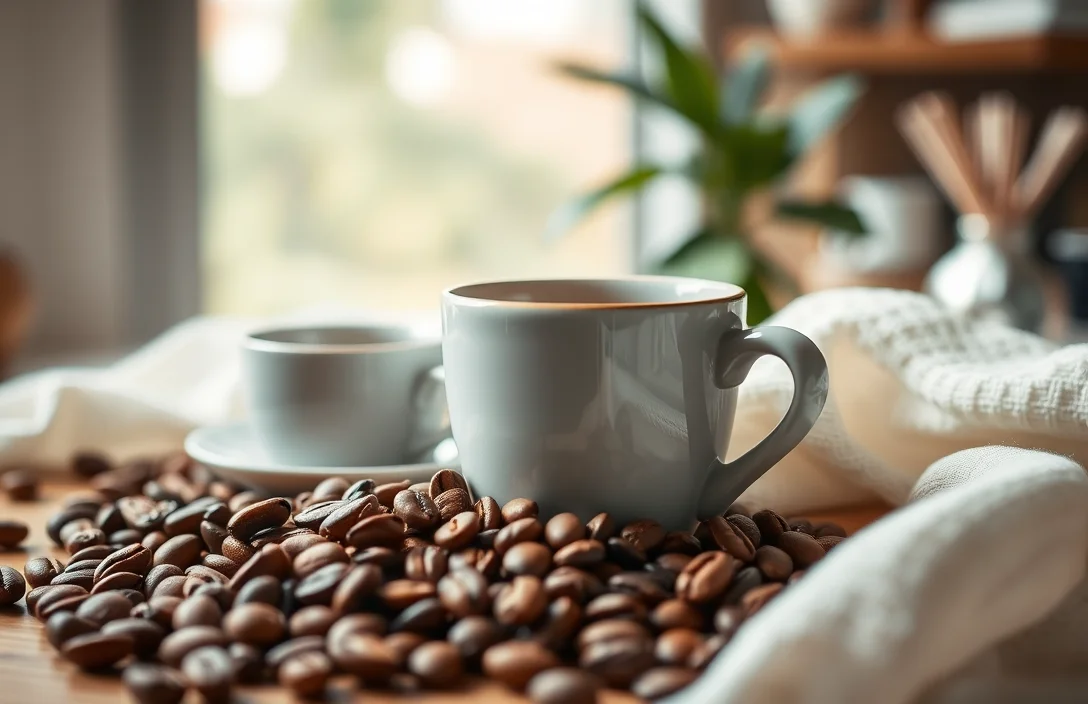
Studies show that coffee can enhance fat oxidation by up to 30% during fasting. This means that incorporating coffee beans into your fasting routine could potentially boost energy levels and support weight loss, making it an attractive option for busy professionals and fitness enthusiasts alike.
Caffeine boosts metabolism, suppresses appetite, and improves focus during fasting, contributing to a more effective fasting experience. Enjoying black coffee can help maintain energy without breaking your fast.
Benefits of Coffee During Fasting
Boosting mental clarity is a key advantage of coffee during fasting. Caffeine stimulates the central nervous system, enhancing alertness and focus. This can be particularly beneficial for busy professionals or fitness enthusiasts aiming to maintain productivity while abstaining from food. By incorporating coffee, you can sustain energy levels and improve cognitive function throughout the fasting period.
- Increases metabolism, promoting fat burning. Coffee can elevate metabolic rates, which helps the body use stored fat for energy. This process is crucial during fasting, as it encourages fat loss while providing energy.
- Reduces hunger pangs effectively. Drinking coffee can suppress appetite, making it easier to stick to fasting protocols. This can be especially helpful during the initial stages of fasting when cravings may be more pronounced.
- Enhances physical performance significantly. Caffeine has been shown to improve endurance and strength, allowing for more effective workouts even while fasting. Athletes often benefit from this boost, ensuring they maintain intensity in their training.
- Provides antioxidants that support health. Coffee is rich in antioxidants, which can help combat oxidative stress. This is essential during fasting, as the body may undergo stress as it adapts to new eating patterns.
Caffeine’s Role in Fasting
Caffeine significantly boosts energy levels during fasting. This stimulant increases adrenaline production, which can enhance fat oxidation and improve endurance. As a result, coffee can help you feel more alert and focused, making it easier to stick to your fasting regimen. Additionally, its ability to elevate metabolism can support your weight management goals.
Research highlights that caffeine consumption may lead to improved exercise performance. By enhancing the mobilization of fatty acids, coffee can provide a readily available energy source during workouts. Increased performance not only helps maintain muscle mass but also optimizes fat loss, aligning perfectly with fasting objectives.
Many people report reduced hunger sensations after consuming coffee. Caffeine can suppress appetite, which might assist in managing cravings during fasting periods. This effect can make it simpler to adhere to your chosen fasting schedule, ultimately supporting your overall health and wellness goals.
Lastly, hydration is key while consuming caffeine. While coffee can contribute to your daily fluid intake, ensure you balance it with water to stay hydrated. Adequate hydration supports optimal metabolic function and enhances the benefits of fasting, making your experience more effective and enjoyable.
Types of Coffee Suitable for Fasting
Black coffee remains the most suitable option during fasting. This variety contains zero calories, making it an excellent choice for maintaining the fasting state while enjoying the benefits of caffeine. Drinking plain black coffee can help curb appetite and enhance mental clarity without breaking your fast.
Cold brew coffee offers another great option. Known for its smoother flavor and lower acidity, cold brew can be consumed without any added sugars or creamers. This makes it ideal for those seeking a refreshing beverage that won’t interfere with their fasting goals.
Espresso is also a viable choice. This concentrated form of coffee delivers a robust flavor and a quick caffeine boost. Consuming it in small amounts can help maintain energy levels, making it a perfect companion during fasting hours.
Decaffeinated coffee serves as an alternative for those sensitive to caffeine. It allows individuals to enjoy the taste without the stimulating effects of caffeine, making it suitable for fasting without risking jitters or disrupted sleep.
Caloric Content of Black Coffee
Black coffee contains minimal calories, typically around 2 to 5 calories per 8-ounce cup. This low caloric content makes it an ideal beverage during fasting, as it does not break your fast or trigger insulin responses. Drinking black coffee allows you to enjoy a flavorful drink without impacting your caloric intake significantly.
Research indicates that caffeine in coffee can enhance metabolism and support fat oxidation. This means that consuming black coffee while fasting may help maintain energy levels and improve weight management. Its thermogenic properties can even contribute to increased calorie expenditure during fasting periods.
Many health-conscious individuals appreciate black coffee for its appetite-suppressing effects. Drinking it can reduce hunger pangs and help you feel fuller for longer. This attribute is particularly beneficial for those who may find fasting challenging, as it can make the fasting experience more manageable.
Mindfully incorporating black coffee into your fasting routine can enhance your overall experience. Opt for organic coffee beans to avoid pesticides and ensure better quality. As you explore fasting, consider how this low-calorie beverage can support your health goals without compromising your fasting regimen.
Hydration Considerations with Coffee
Coffee consumed during fasting can mildly increase fluid losses; counter this by drinking water with and between cups, limiting total daily caffeine, and observing symptoms of dehydration. If you wonder are coffee beans good for fasting, hydration management is key: aim for an extra 500–1,000 ml of water on days you drink multiple cups and spread intake across the fast.
- Hydrate before and between: drink 250–500 ml water before your first cup and 200–300 ml between subsequent cups to offset caffeine’s mild diuretic effect.
- Limit total caffeine to 300–400 mg daily (about 3–4 standard cups); if you exceed that, increase plain-water intake proportionally.
- Space cups by 2–3 hours to allow kidneys to re-equilibrate and give you time to consume water rather than relying solely on coffee for fluid.
- Monitor urine color and frequency: aim for pale straw color and regular voiding; dark urine, dizziness, or dry mouth signal a need for more fluids immediately.
Coffee’s Impact on Blood Sugar
Consuming coffee can help stabilize blood sugar levels during fasting. Research demonstrates that caffeine may enhance insulin sensitivity, which is crucial for maintaining balanced glucose levels. Thus, incorporating coffee into your fasting regimen might support your metabolic health while providing a mental boost.
- Caffeine enhances insulin sensitivity. Studies indicate that caffeine consumption can improve how your body responds to insulin, which helps regulate blood sugar levels effectively.
- Polyphenols in coffee offer benefits. These compounds can reduce oxidative stress and inflammation, contributing to better overall metabolic health.
- Hydration plays a role. Staying hydrated with coffee can support various bodily functions, including blood sugar management, especially during fasting.
- Timing of coffee matters. Consuming coffee strategically during your fasting window can help maintain energy levels and mental clarity without breaking your fast.
Incorporating coffee beans into your fasting routine may yield significant benefits for blood sugar management. Enjoying coffee in moderation can be a valuable tool while fasting, enhancing both physical and mental performance.
Best Practices for Coffee Consumption
Maximizing coffee benefits while fasting involves strategic choices. Consuming the right type of coffee can enhance your fasting experience, keeping you energized without breaking your fast. Focus on quality and preparation methods to ensure you’re reaping the full advantages of coffee during this period.
- Opt for black coffee to avoid any added calories that could interfere with fasting.
- Experiment with cold brew for a smoother taste and less acidity, which may be gentler on an empty stomach.
- Incorporate moderate caffeine intake to maintain energy levels, but avoid excessive consumption that might lead to jitters.
- Stay hydrated by drinking plenty of water alongside your coffee, as dehydration can occur during fasting.
- Consider timing your coffee consumption strategically. Drinking it in the morning can help kickstart your metabolism.
Exploring the effects of coffee beans on your fasting routine can offer surprising benefits. As you incorporate these tips, you may find that coffee enhances your overall experience, allowing you to stay focused and energized throughout the day.
Quick Summary
- Coffee beans are low in calories, making black coffee a suitable option for fasting.
- Caffeine in coffee may enhance fat oxidation and improve metabolic rate during fasting.
- Drinking coffee can help suppress appetite, which may assist in maintaining fasting periods.
- Excessive caffeine intake can lead to dehydration, so hydration is important while fasting.
- Some individuals may experience digestive discomfort from coffee, particularly on an empty stomach.
- Adding sugar or cream to coffee breaks a fast, so it’s best to consume it plain.
- Individual tolerance to coffee varies; it’s essential to listen to your body during fasting.
Frequently Asked Questions
1. Can I drink coffee while fasting?
Yes, black coffee is generally acceptable during fasting periods as it contains minimal calories and can help suppress appetite. Just be cautious with added ingredients like sugar or cream, which can break your fast.
2. Do coffee beans have any calories that can affect my fast?
Whole coffee beans themselves have a small amount of calories, but when brewed, they release minimal calories into the coffee. Drinking brewed black coffee usually won’t interfere with the benefits of fasting.
3. How does coffee affect energy levels during fasting?
Caffeine in coffee can provide a temporary boost in energy and alertness, which can be beneficial during fasting. However, individuals may experience a crash afterward, so it’s essential to monitor your body’s response.
4. Can coffee help with hunger pangs while fasting?
Many people find that coffee can help reduce feelings of hunger due to its appetite-suppressing properties. However, individual responses vary, so it’s important to listen to your body and adjust accordingly.
5. Are there any downsides to consuming coffee while fasting?
Excessive coffee consumption can lead to dehydration and increased anxiety or jitteriness, which might be counterproductive during fasting. Moderation is key, and staying hydrated with water is equally important.

- Breville BES878BSS Barista Pro Espresso Machine Review: Features, Performance, and Buying Guide - October 31, 2026
- Gaggia RI9380/51 Classic Evo Pro Espresso Machine Review: Features, Performance, and What to Know Before Buying - October 31, 2026
- Gaggia RI9380/46 E24 Espresso Machine Review: Is the Brass Boiler Upgrade Worth It? - October 31, 2026