
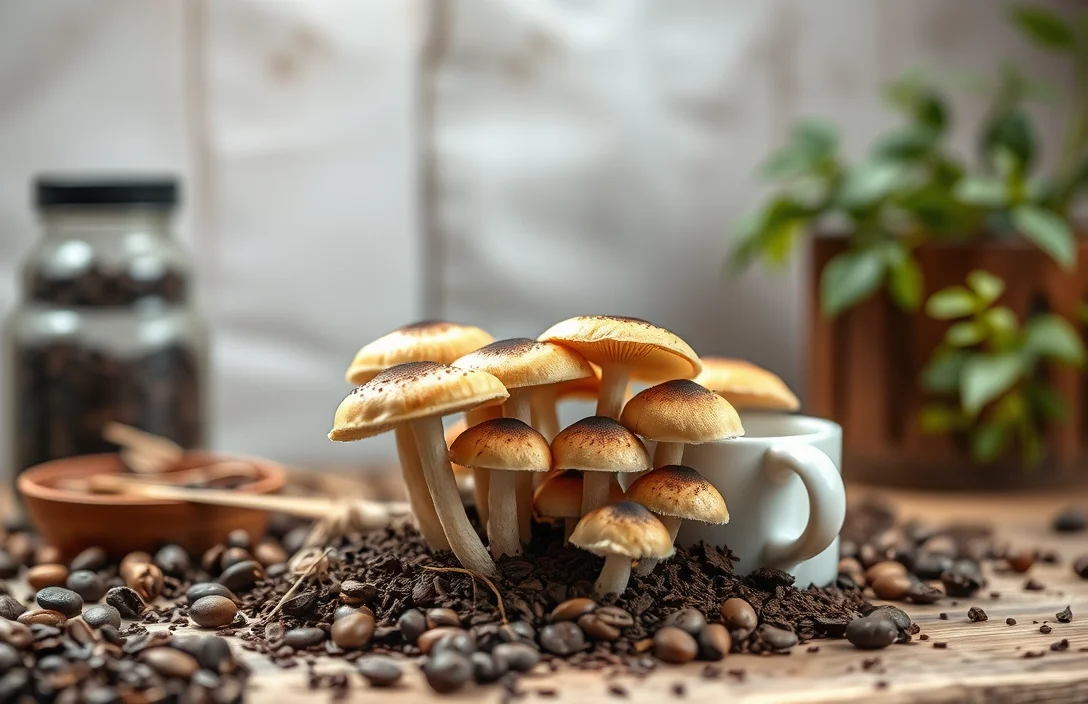
More than 20% of the world’s coffee production results in spent coffee grounds, which can be an excellent medium for growing mushrooms. This surprising fact highlights a sustainable way to recycle waste while cultivating delicious fungi right at home.
Commonly, oyster mushrooms and shiitake mushrooms thrive on spent coffee grounds. These mushrooms not only grow quickly but also offer a unique flavor profile, making them a valuable addition to your culinary adventures.
Best Mushroom Varieties for Coffee Grounds
Oyster mushrooms rank high among those that flourish on spent coffee. Known for their rapid growth and delicious flavor, these mushrooms can thrive in nutrient-rich coffee grounds. They require minimal care, making them an ideal choice for beginners.
Shiitake mushrooms also adapt well to coffee grounds. These fungi appreciate the organic matter and can produce large yields when grown in this medium. Their rich flavor enhances various dishes, making them a sought-after variety for home cultivation.
Wine cap mushrooms present an interesting option as well. They not only grow efficiently on coffee grounds but also contribute to soil health through their decomposing properties. This makes them a great addition to any home garden.
King oyster mushrooms stand out due to their meaty texture and unique taste. These mushrooms thrive on various substrates, including spent coffee, and are popular among chefs for their versatility in cooking.
Enoki mushrooms can also be cultivated using coffee grounds. Their delicate flavor and crunchy texture are perfect for salads and soups, making them a delightful addition to your mushroom growing endeavors.
Benefits of Using Spent Coffee
Utilizing spent coffee grounds provides excellent nutrition for mushroom cultivation. This organic material enriches the substrate, making it an ideal growing medium. The nitrogen content in coffee enhances mycelial growth, promoting healthier mushrooms. Additionally, the acidity level in coffee grounds benefits specific mushroom varieties that thrive in slightly acidic conditions.
Consider these advantages:
- Cost-effective alternative to commercial substrates.
- Supports sustainable gardening practices by recycling waste.
- Encourages faster colonization rates due to nutrient density.
- Improves moisture retention, reducing watering frequency.
- Enhances flavor profiles in mushrooms, delivering unique tastes.
Research shows that various mushrooms can flourish in this medium. Using spent coffee grounds not only repurposes waste but also enriches the growing process. This practice leads to more robust yields and contributes positively to the environment.
Essential Growing Conditions for Success
Temperature plays a crucial role in mushroom cultivation. Most species prefer a range between 60°F to 75°F (15°C to 24°C). Maintaining this temperature ensures optimal mycelium growth and fruiting. It’s essential to monitor temperature fluctuations closely, as extremes can hinder development or lead to contamination.
Humidity levels must remain high for successful growth. Ideally, relative humidity should be around 80% to 90%. Higher humidity supports the moisture needs of the developing mushrooms, preventing them from drying out. Use a humidifier or misting system to maintain these levels consistently.
Light exposure influences the fruiting process. While some mushrooms thrive in complete darkness, others require indirect light for proper development. Providing a 12-hour light cycle can help trigger fruiting in certain varieties. Ensure the light is not too intense, as this can damage delicate fungi.
Air circulation is vital to prevent stagnation. Fresh air exchange reduces the risk of harmful bacteria and encourages healthy growth. Ensure your growing area has adequate ventilation, such as fans or open windows, to allow for proper airflow without creating drafts.
Substrate quality directly affects mushroom health. Spent coffee grounds can be mixed with other materials like straw or sawdust to improve texture and nutrient content. Ensuring a balanced mixture provides the ideal environment for various species to flourish, enhancing yield and flavor.
Preparing Coffee Grounds for Cultivation
Preparing your coffee grounds effectively enhances mushroom cultivation. Properly processed grounds offer a nutritious medium for growth, ensuring a successful harvest. Follow these steps to ready your spent coffee for the best results.
- Collect fresh coffee grounds from your brewing process. Ensure they are cool and free from any contaminants to maintain a suitable environment for mushroom spores.
- Drain excess moisture by spreading the grounds on a clean tray. Allow them to dry slightly for a few hours, which helps prevent unwanted mold growth.
- Mix the coffee grounds with a suitable supplement, like sawdust or straw, to boost nutrient content. This combination creates an ideal substrate for various types of mushrooms.
- Pasteurize the mixture to eliminate potential pathogens. You can achieve this by heating it to 160°F (70°C) for about one hour or by soaking it in hot water.
- Cool the substrate before inoculation. Cooling prevents thermal shock to the mushroom spores, ensuring better colonization and growth.
Properly prepared coffee grounds create an optimal environment for successful mushroom cultivation. Following these steps ensures your substrate is ready for effective inoculation techniques.
Effective Inoculation Techniques
Introduce mushroom spores effectively by mixing them thoroughly with prepared coffee grounds. Ensure the grounds are at room temperature and adequately hydrated, as this promotes optimal growth conditions. Create a uniform mixture to help spores colonize evenly, enhancing your chances of successful cultivation.
Focus on using high-quality, viable mushroom spawn. Select varieties that thrive in coffee grounds, such as oyster or shiitake mushrooms. Purchase from reputable suppliers to ensure you receive healthy, vigorous spores for your cultivation project.
Maintain cleanliness throughout the inoculation process. Sanitize all tools and containers to prevent contamination, which can hinder mushroom growth. Working in a clean environment minimizes the risk of unwanted bacteria or molds that could jeopardize your efforts.
Cover the inoculated coffee grounds with a breathable material, such as a cloth or a lid with holes. This allows for air exchange while maintaining humidity levels. Proper humidity is crucial for the successful growth of the mushrooms as it influences their development.
Monitor the temperature and humidity regularly to ensure optimal conditions. Aim for a warm environment, typically between 65-75°F (18-24°C). Checking these factors frequently allows for adjustments, ensuring the spores have the best chance to thrive and produce delicious mushrooms.
Harvesting Techniques for Maximum Yield
Harvest mushrooms at the right time to ensure peak flavor and quality. Timing plays a crucial role in the harvesting process, as mushrooms can quickly mature and become overripe. Observing the growth stages is essential to determine the perfect moment for harvesting.
- Check for cap development. Mature mushrooms will have fully expanded caps, showcasing their unique shapes and colors. Look for a cap that has opened but is not yet starting to curl up.
- Examine the gills. For many varieties, like oyster mushrooms, gills should be visible and not overly dark. If the gills are starting to turn black, it’s an indication that the mushrooms are past their prime.
- Use a sharp knife or scissors. Cutting mushrooms at the base prevents damage to the mycelium and encourages further growth. Ensure tools are clean to avoid contamination.
- Harvest during cool parts of the day. Early morning or late evening temperatures help preserve the mushrooms’ freshness, making them ideal for collection.
- Store properly after harvesting. Place mushrooms in breathable containers like paper bags or baskets. Avoid plastic, as it traps moisture and can lead to spoilage.
Following these steps maximizes yield and enhances the overall quality of your harvest. Enjoy the delicious results of your efforts with your home-grown fungi.
Addressing Common Pests and Issues
Mushroom cultivation can attract pests, which can threaten your crop. Common nuisances include fruit flies, mold, and various insects. Identify these threats early to manage them effectively. Regular inspections of your growing medium and environment will help spot problems before they escalate.
Maintaining cleanliness is essential. Clean your workspace and tools regularly to reduce contamination risks. Dispose of any contaminated substrate immediately to prevent spreading. Using sterilized materials can also help create a healthier growing environment.
Monitoring humidity and temperature is crucial. High humidity can encourage mold growth while low humidity might hinder mushroom development. Use a hygrometer and thermometer to keep conditions optimal and adjust as necessary to maintain healthy growth.
Employing natural deterrents can help control pests. Sprinkling diatomaceous earth around your cultivation area can deter insects without harming your mushrooms. Consider using beneficial insects, such as predatory mites, to manage pest populations effectively.
Utilizing proper ventilation is vital. Good air circulation prevents stale conditions, which can lead to mold and pests. Install fans or ensure your growing area has adequate airflow to keep environments healthy for mushroom growth.
Quick Summary
- Spent coffee grounds provide a nutrient-rich substrate for mushroom cultivation.
- Common mushrooms grown on spent coffee include oyster mushrooms, shiitake, and lion’s mane.
- Using coffee grounds can enhance the flavor profile of certain mushrooms.
- Spent coffee grounds help in reducing waste and promoting sustainability in mushroom farming.
- Proper pasteurization and inoculation techniques are essential for successful cultivation.
- Humidity and temperature control are critical factors for optimal mushroom growth.
- Growing mushrooms on coffee grounds can be a rewarding hobby or a profitable venture.
Frequently Asked Questions
What types of mushrooms can be grown on spent coffee grounds?
Common mushrooms that can thrive on spent coffee grounds include oyster mushrooms, shiitake mushrooms, and lion’s mane mushrooms. These species are particularly well-suited for the nutrient-rich substrate provided by coffee grounds.
How do I prepare spent coffee grounds for mushroom cultivation?
To prepare spent coffee grounds, ensure they are fresh and free from mold. Mix them with a small amount of straw or other carbon-rich materials to improve aeration and create a balanced substrate for mushroom growth.
Do I need to sterilize spent coffee grounds before use?
It is not strictly necessary to sterilize spent coffee grounds, but pasteurization can help eliminate unwanted mold and bacteria. You can do this by heating the grounds to around 160°F (71°C) for about an hour before inoculating with mushroom spores or spawn.
How long does it take for mushrooms to grow on spent coffee grounds?
The time it takes for mushrooms to grow on spent coffee grounds can vary, but typically, you can expect to see the first signs of growth within 1 to 3 weeks after inoculation. The entire cultivation process may take anywhere from 4 to 8 weeks, depending on the mushroom species and environmental conditions.
Can I reuse spent coffee grounds for multiple mushroom crops?
Spent coffee grounds can be used for a single mushroom crop, after which their nutrient content diminishes significantly. It is best to use fresh spent coffee grounds for each new inoculation to ensure optimal growth and yield.

- Espresso Tastes Watery? 10 Common Causes and How to Fix It - October 23, 2026
- 10 Common Coffee Equipment Cleaning Mistakes and How to Avoid Them - October 23, 2026
- 17 Common Coffee Grinder Problems and How to Fix Them - October 23, 2026