
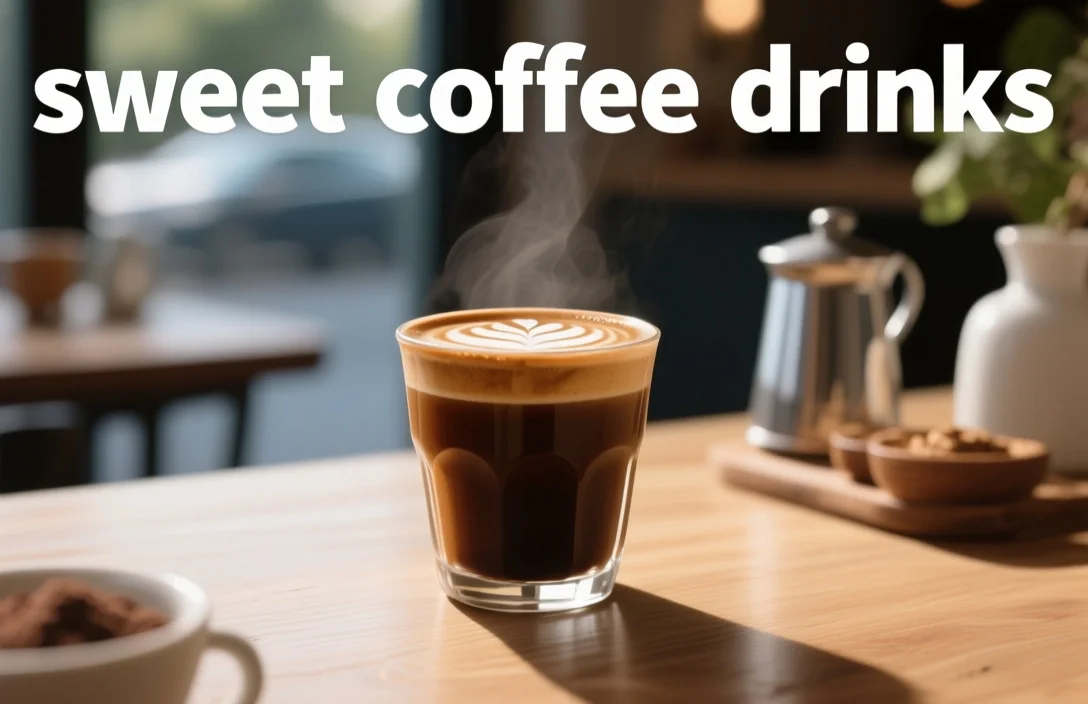
Sweet coffee drinks are coffee beverages intentionally sweetened with syrups, sauces, sugar, or sweetened dairy to produce dessert-like flavors. This guide explains which sweet coffee drinks to pick, how they differ by sweetness and texture, and practical steps to order or make them at home.
What makes a coffee drink “sweet”?
A coffee drink becomes sweet through added sugars, flavored syrups, sweetened condensed milk, or inherently sweet ingredients like chocolate and caramel. Sugar and syrups increase perceived sweetness on the tongue; fat and cream change mouthfeel and prolong the sweet sensation. Espresso and brewed coffee provide bitterness and acidity that balance sweetness, which is why some sweet drinks use high-fat milk or sugar to mute acidity and create a richer, dessert-like experience.
Sweetness in coffee also depends on preparation method and temperature. Hot beverages release more aroma compounds, which can make flavor impressions sharper and sometimes reduce the need for added sugar. Cold and blended drinks mute aromas but emphasize texture and sugar; crushed ice and milk create more body and often require more syrup to reach the same perceived sweetness as a hot drink. Barista technique matters: shot volume, milk steaming temperature, and syrup pump accuracy all shift final sweetness by a noticeable margin.
How I compared common sweet coffee drinks (method and criteria)
I compared popular sweet coffee drinks side by side using three practical criteria that matter to most drinkers: perceived sweetness, textural richness, and adaptability for customization. Perceived sweetness is the immediate sugar impression on tasting; textural richness covers mouthfeel from milk, cream, or blended ice; adaptability is how easy it is to make the drink less or more sweet without breaking its character. The goal was to produce recommendations you can use at a cafe counter or in your kitchen.
Tasting sessions included hot and cold variants and accounted for common ingredient swaps such as plant milks and sugar-free syrups. I sampled standard preparations and common customizations (extra syrup, reduced pumps, single-shot options) to observe how changes affect balance. Practical notes were recorded for ordering shorthand and at-home adjustments so a reader can get a reliably sweet or subtly sweet cup instead of guessing.
Common types, typical flavor profile, and when to choose each
Coffee menus present a spectrum from lightly sweet to dessert-level indulgent. Listed below are the high-level drink categories you’ll see at most cafés, how they usually taste, and when to order each type based on what you want from sweetness and texture. The table that follows summarizes the practical comparison.
Common patterns include: chocolate-based drinks (mocha) that add bitterness plus sugar; syrup-forward drinks (vanilla, caramel lattes) that layer flavored sugar on milk; and blended drinks (frappés, blended espresso) that rely on ice, milk, and sauces to create a thick, sweet finish. Cold brew and iced coffee are base-forward and often come lightly sweet unless syrup is added.
| Name | Key sweetness source / texture | Best for |
|---|---|---|
| Mocha (hot/cold) | Chocolate sauce or cocoa + sugar; velvety texture | People who want a coffee-chocolate dessert |
| Flavored latte (vanilla, caramel) | Flavored syrup + steamed milk; smooth texture | Daily sweet coffee with controllable sweetness |
| Caramel macchiato style | Vanilla syrup, steamed milk, espresso float, caramel drizzle | Layered flavor and visual sweetness |
| Frappé / blended espresso | Sugar, syrups, ice-blended texture, often whipped cream | Cold indulgence, dessert substitute |
| Sweet cold brew / nitro with sweetener | Syrup or sweet cream added to cold brew; concentrated flavor | Long-lasting cold sweetness with less milk |
| Sweetened condensed milk drinks (e.g., Vietnamese-style) | Sweetened condensed milk base; thick and syrupy | Very sweet, compact sugar source for small cups |
| Iced coffee with flavored milk | Flavored milk or cold foam; lighter coffee intensity | Quicker, less intense sweet option |
How to order a sweeter or less-sweet coffee at a café
Start with a base drink and change one variable at a time if you want predictable results. Ask the barista for an extra pump of syrup to raise sweetness gradually, or request “half the pumps” to reduce it. Specify the milk or milk alternative; full-fat dairy increases perceived sweetness and richness without adding sugar, while unsweetened plant milks usually reduce perceived sweetness.
Request temperature or shot adjustments to affect perceived sugar. Cooler drinks often taste less sweet, so ordering a slightly warmer temperature or extra syrup will counter that. If you want sweetness without added refined sugar, ask whether a barista can add honey, sweet cream, or a sugar-free syrup – note that sugar-free syrups change mouthfeel and can leave a different aftertaste.
Practical ordering steps:
- Pick the base drink you like (latte, mocha, macchiato, cold brew).
- Tell the barista how sweet you want it using reference phrases like “standard,” “half-sweet,” or “extra sweet.”
- Choose milk: whole milk for richness, oat or almond for a lighter mouthfeel.
- Specify the syrup pumps explicitly if you want an exact target.
- Taste and adjust on the spot; small shops will often re-make a drink if it’s far from your request.
Make sweet coffee drinks at home
Many sweet coffee drinks are simple to recreate at home with basic ingredients: espresso or strong brewed coffee, milk, flavored syrup or sugar, and optional sauces or cream. Below are three practical recipes – hot mocha, caramel vanilla latte, and an iced blended drink – that scale for one cup and use common pantry items.
Hot chocolate-mocha (single-cup method)
- Brew a double shot of espresso or make 2 ounces of strong brewed coffee.
- Heat 8 ounces of milk and whisk with 1 tablespoon chocolate sauce or 1 tablespoon cocoa plus 1 teaspoon sugar until smooth.
- Pour milk over espresso, stir gently, and top with a small swirl of whipped cream if desired.
Caramel vanilla latte (single-cup method)
- Brew a double shot of espresso or 2 ounces strong coffee.
- Stir 1 tablespoon vanilla syrup and 1 tablespoon caramel sauce into 8 ounces steamed milk.
- Pour milk into the shot, add a caramel drizzle on top, and taste; add another half-pump of syrup if you prefer sweeter.
Iced blended sweet coffee (quick blender method)
- Combine 2 ounces cold-brew or strong coffee, 1 cup ice, 6 ounces milk, and 1-2 tablespoons of sweetener or sauce in a blender.
- Blend on medium until smooth and pour into a chilled glass.
- Add whipped cream or extra sauce as a finishing touch.
Technique notes for home success: froth milk with a small handheld frother or by shaking hot milk in a sealed jar if you lack a steamer. Use simple syrup (equal parts sugar and water warmed until dissolved) when mixing sweeteners into cold drinks; granulated sugar will not dissolve cleanly in iced beverages. Swap sweetened condensed milk to make compact, very sweet drinks where a little goes a long way.
Health trade-offs and sugar alternatives
Sweet coffee drinks can substantially increase sugar and calorie intake, mostly from syrups, sauces, and sweetened dairy. Many people underestimate how much sugar a flavored latte or blended drink contains because the sweetness is masked by milk and foam. Reducing the number of syrup pumps or switching to a milk with more natural sweetness can lower added sugar without losing richness.
Sugar alternatives each bring trade-offs you should weigh before substituting. Natural sweeteners like honey and maple syrup bring distinct flavors and a different sweetness intensity. Sugar alcohols and non-nutritive sweeteners (sucralose, stevia, erythritol) reduce calories but may change mouthfeel or leave an aftertaste. Milk-based alternatives such as sweet cream or sweetened condensed milk substitute fat and concentrated sugar for simple syrup; they create a thicker texture but concentrate calories in a small volume.
Health-minded strategies:
- Reduce syrup pumps by one and increase the milk fat or temperature to retain a rich mouthfeel.
- Use cold-brew concentrate sparingly and add a splash of sweetened milk rather than syrup to preserve flavor while lowering added sugar.
- Reserve highly sweet drinks as occasional treats and choose lightly sweet or unsweetened options for daily consumption.
Customization trade-offs
Changing one ingredient alters balance more than you might expect. Adding an extra espresso shot increases bitterness and can actually make a drink taste less sweet unless you add more syrup. Choosing a plant milk like oat or almond changes both sweetness perception and texture; oat often reads sweeter and creamier, almond more neutral and thin. Barista-made cold foams and sweet cream toppings add concentrated sweetness in a small volume, creating a strong first impression that fades as you drink.
Syrup type matters beyond flavor name. Heavy-bodied sauces (chocolate, caramel) add viscosity and cling to the cup, increasing perceived sweetness over time. Clear syrups (vanilla, hazelnut) distribute evenly through milk and provide consistent sweetness. Sugar-free options reduce caloric load but can make a drink taste artificially sweet; try low-sugar increments first if you are sensitive to aftertastes.
Practical customization tips:
- Ask for an extra shot only if you enjoy stronger coffee; otherwise increase syrup for more sweetness.
- Replace whipped cream with a smaller amount of flavored sweet cream to reduce overhead calories while keeping richness.
- Use pumps as your measurement anchor, and request a specific count if you want repeatable results.
Common mistakes to avoid and warning signs
Ordering or making sweet coffee drinks suffers from a few predictable missteps that change the final cup. A common mistake is over-sweetening by combining syrups and sauces without tasting; both add sugar but interact differently with milk and espresso, producing a flat or cloying beverage. Another error is assuming plant milks behave like dairy – some are thin and won’t hold foam or emulsify syrup well, which leaves syrup settling at the bottom.
Watch for visual warning signs at a café: an unevenly mixed cup, syrup pooling at the bottom, or excessive drizzle can indicate uneven distribution and a cup that will deliver bursts of sweetness rather than a balanced sip. At home, using very hot milk with flavored syrups can darken and change their profile; medium heat preserves flavor and keeps syrups stable. Over-blending iced drinks produces a thin, watery texture; blend just long enough to combine ice and ingredients.
Avoiding these issues:
- Taste early: sample a sip before adding more sweetener.
- Measure with pumps or spoons rather than guessing.
- Match milk type to drink style; use higher-fat dairy for lattes and heavier alternatives for blended drinks.
Frequently asked questions
What is the sweetest standard coffee drink?
Mochas made with sweet chocolate sauce, blended frappés with added sugar and toppings, and recipes that use sweetened condensed milk are typically the sweetest standard options. Single-sentence notes cannot capture menu variability, so check the café’s ingredient list if you need precise sugar content.
Can I make a sweet coffee drink that’s lower in calories?
Swapping regular syrup for fewer pumps, choosing a lower-calorie milk, or using a sugar alternative reduces calories while retaining some sweetness. Taste shifts are inevitable; experiment with one change at a time.
Are flavored syrups the same across coffee shops?
No. Syrup sweetness and flavor concentration vary by brand and shop, which means two “vanilla lattes” from different cafés will often taste different. Ask for a taste test if you’re unsure.
How can I prevent syrup from sinking in an iced coffee?
Use a simple syrup or fully dissolve granulated sugar into warm water before adding it to cold beverages. A quick shake or stir when the drink is poured helps distribute sweetener evenly.
Will espresso shots make a sweet drink taste less sweet?
Yes. Additional espresso increases bitterness and acidity, which can counterbalance sweetness; adding more sugar or milk will restore perceived sweetness.
Is there a rule of thumb for adjusting sweetness in hot vs cold drinks?
Cold drinks often need slightly more syrup to match the perceived sweetness of hot drinks because cold temperatures suppress aroma and sweetness perception. Start with one extra pump for iced or blended drinks, then adjust to taste.
A short closing guidance paragraph
Pick a drink category that matches how indulgent you want your cup to be, and change one ingredient at a time to reach a repeatable balance. Try a standard flavored latte for a reliably sweet everyday cup, order a mocha if you want chocolate with coffee, and reserve blended drinks for treat occasions; taste as you go and ask for specific pump counts when ordering to make future visits effortless.

- Espresso Tastes Watery? 10 Common Causes and How to Fix It - October 23, 2026
- 10 Common Coffee Equipment Cleaning Mistakes and How to Avoid Them - October 23, 2026
- 17 Common Coffee Grinder Problems and How to Fix Them - October 23, 2026