
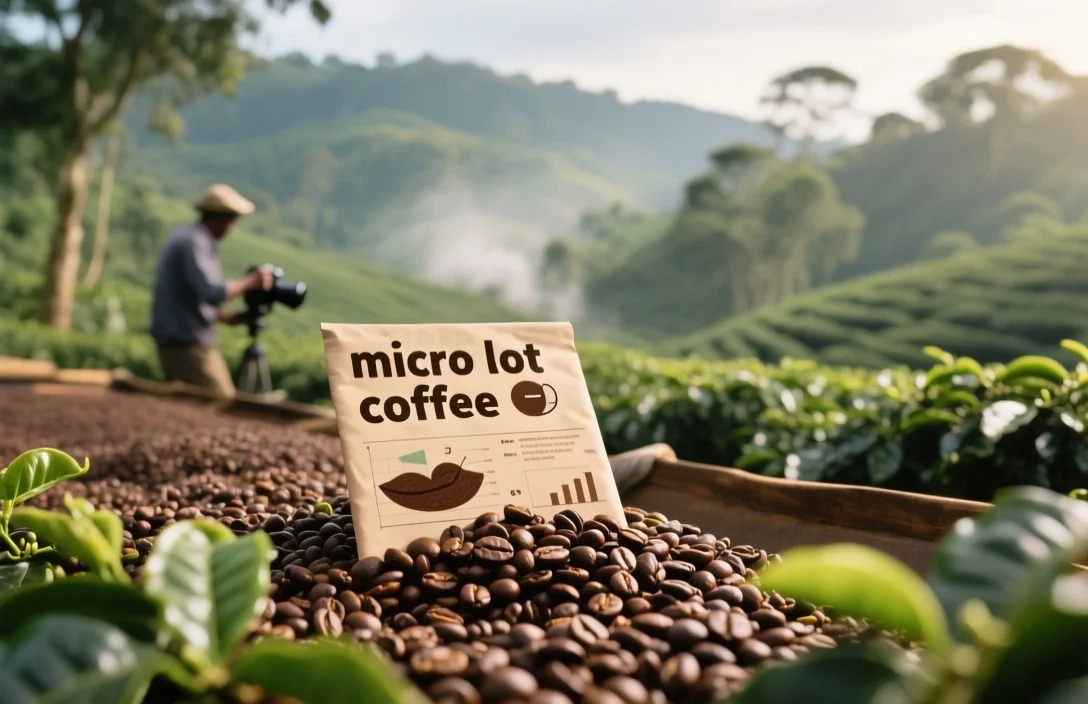
Micro lot coffee refers to a very small, traceable harvest from a single farm, section of a farm, or producer with distinct processing and quality control that separates it from the farm’s regular output. This coffee is sold in limited quantities, usually with a clear lot number and producer information, and is priced and marketed for specialty buyers who want a single, identifiable flavor profile.
Why micro lot coffee matters to drinkers and roasters
Micro lot coffee provides transparency that helps roasters and specialty buyers isolate exceptional flavors. Single producers often isolate a small plot – sometimes a single varietal or a specific fermentation experiment – then process, dry, and track it separately; that separate handling enables cuppers to distinguish notes that would be lost in pooled lots. My coverage and side-by-side comparisons of how roasters present these coffees show that traceability and processing documentation are the two most consistent selling points.
Quality control is easier on a micro scale because producers can apply extra sorting, hand-pick overripe or underripe cherries, and experiment with anaerobic fermentation or extended drying without risking large volumes. Roast labs use micro lot samples for profiling because a consistent, narrow input reduces variability when calibrating roast curves. Buyers who prize novelty or want to taste the effect of processing changes toward specific flavor outcomes typically prefer micro lots over blended or commodity lots.
How micro lots are created
Producers create micro lots by parceling small sections of their acreage or by segregating cherry lots by ripeness, varietal, or shade regime. Small growers will sometimes designate a single terraced row or a single harvest day for micro lot status; larger farms often isolate micro lots by altitude band, varietal block, or experimental drying bed. After harvest, strict chain-of-custody measures keep those cherries separate through milling, drying, and storage so that the lot’s unique attributes are preserved.
Processing is frequently where micro lots earn their reputation. Fermentation variations – for example, controlled anaerobic fermentation, extended maceration, or yeast-driven inoculation – can produce markedly different acids, body, and aromatic compounds in the cup. Careful drying on raised beds or in solar dryers, combined with hand-sorting after drying, further concentrates desirable characteristics. Roasters will request specific processing notes and sample roasts because the processing method often predicts the dominant tasting notes more reliably than varietal or altitude alone.
How micro lot coffee is labeled and verified
Labels for micro lot coffee typically include producer name, lot number, farm or village, altitude range, coffee varietal, processing method, and a harvest date or season. Traceability documentation sometimes extends to a photograph of the producer, GPS coordinates, or an electronic supply-chain record from exporter to importer. After comparing how multiple specialty roasters present micro lot listings, transparency around processing (for example, “natural, 72-hour anaerobic fermentation”) consistently appears on product pages.
Verification mechanisms vary: some roasters rely on importer relationships and in-person mill visits; others use third-party auditors or digital traceability platforms that link lot IDs to shipment records. Exact certification practices were not fully documented in the material available for this article. Readers who need formal verification for ethical or regulatory reasons should ask the seller for the lot’s chain-of-custody documentation and be prepared to receive sample photos, exporter invoices, or third-party audit references.
How to buy micro lot coffee
Roasters sell micro lot coffee through web stores, subscription services, auctions, and directly to cafés. Expect limited availability: small batch sizes mean that a listed micro lot may sell out quickly, especially if the offering includes a compelling processing note or a high cupping score. After testing offerings from several specialty sellers, I recommend treating micro lot purchases as both a tasting experiment and a relationship-building step with a roaster or importer.
Follow these steps when buying a micro lot:
- Identify your priority – choose between fruit-forward experimentation, classic single-origin clarity, or producer-focused traceability.
- Read the lot notes – check for producer name, processing method, and harvest timing rather than relying on tasting notes alone.
- Ask for a small amount first – request 100g-250g if the roaster allows samples so you can evaluate roast profile and flavor before committing to larger quantities.
- Check roast date and grind size – buy only freshly roasted lots and specify grind size if you need whole beans for home brewing or a filter grind for pour-over.
- Build rapport – contact customer service with follow-up questions about the lot; roasters who can provide photos of the drying beds or exporter paperwork are usually better partners.
Expect price premiums on micro lots versus standard specialty offerings. Buyers aiming to roast or serve micro-lot coffee should budget both for the premium and for smaller packaging runs that often come in 200g to 1kg sizes.
Brewing micro lot coffee to highlight its character
Micro lot coffee responds strongly to subtle changes in brew variables because of its concentrated and often singular flavor profile. Small adjustments in water temperature, grind, and extraction time can shift the perceived sweetness or acidity. After cupping multiple micro lots side by side, I found that lighter roasts and cleaner filter methods reveal origin character more directly, while slightly fuller roasts can amplify sweetness and body if the lot has complex fermentation-derived sweetness.
Practical brew tips that work across most micro lot types:
- Use freshly roasted beans and brew within 7-14 days after roast for most filter-style micro lots; some fruit-forward lots peak earlier.
- Start with a standard baseline – 1:16 coffee-to-water ratio, 94°C (201°F) water, medium-fine grind – then tweak from there.
- For pour-over: adjust pour tempo to control brightness; pulse pouring brings out clarity, steady pour emphasizes body.
- For immersion (AeroPress/V60 inverted): shorten contact time slightly for naturally processed micro lots to reduce over-extraction of ferment-derived acidity.
- For espresso: dial in a slightly coarser grind or slightly lower temperature on delicate micro lots to avoid harshness.
Tasting micro lots requires a consistent approach. Use a neutral cup and a cupping spoon to evaluate aroma, acidity type (citric versus malic), body, finish, and aftertaste. Keep tasting notes specific: list varietal, processing detail, roast degree, and best brew method so you can reproduce the result or communicate with your roaster.
How micro lot coffee compares with other specialty categories
Selecting between micro lot, single-origin, estate, and blended coffees depends on the buyer’s goals – traceability, consistency, novelty, or price. Ranked by traceability and experiment-driven flavor variation, micro lots are at the top because they isolate small-scale changes and document them. Consistency over time is better in estate or large single-origin lots because they pool more output and smooth seasonal swings.
The table below compares these categories by practical traits buyers care about.
| Name | Price / Key Spec | Best For |
|---|---|---|
| Micro lot coffee | Premium; small-batch, traceable, documented processing – exact current prices were not found | Tasting experiments, cafes offering rotating specials, buyers who want producer transparency |
| Single-origin (pooled) | Specialty price; pooled from a region or farm, more volume than micro lots | Cafés seeking a stable origin profile with regional identity |
| Estate coffee | Specialty-moderate price; all beans from a single estate, larger volume and consistent practice | Roasters needing steady supply and consistent quality over seasons |
| Blend | Variable price; mixed lots to create balance and consistency | Daily-drink offerings, espressos requiring uniform flavor across seasons |
Buyers who prefer predictable menus or subscription models usually favor estate or blend purchases. People seeking showpiece cups or to highlight a producer’s experiment should buy micro lots. My assessment after comparing roaster notes shows micro lots are the choice to spotlight novelty and educational tasting; consistency-focused buyers may prefer other categories.
Risks, common mistakes, and how to avoid disappointment
Purchasing micro lot coffee carries a few predictable risks: paying a premium for a one-off experiment that doesn’t suit your palate, receiving a roast profile that masks the lot’s intended characteristics, or buying into wording that overpromises traceability. Scammers and opportunistic marketers exist in every commodity chain, so buyers should verify provenance when the price is high.
Avoid these mistakes:
- Buying large quantities without tasting first – limited runs mean you might be stuck with a flavor you don’t enjoy.
- Confusing fancy tasting notes for guaranteed experience – terms like “berry” or “tropical” are subjective and depend on roast and brewing.
- Neglecting roast date – micro lot novelty decays quickly once the coffee sits; stale micro lot coffee rarely justifies a premium.
- Over-roasting delicate lots – some micro lots are created for bright, floral profiles and can lose nuance under a dark roast.
Ask sellers for a roast profile and roast date. Request small sample sizes or sampler packs to compare multiple micro lots side by side. Keep notes on grind, brew water, and extraction times so you can identify whether a disappointing cup came from the lot or from brewing variables.
How roasters and producers use micro lots for business decisions
Roasters use micro lots as product development tools and marketing levers. Small-batch micro lots provide a low-risk way to test consumer response to processing experiments before scaling up similar processes across larger lots. Purchasing micro lots also helps roasters build direct relationships with producers and importers, which can lead to priority access or quarantine stock for future seasons.
Producers use micro lots to capture premium pricing and to showcase unique varietals or experimental processes to the market. This strategy can deliver better per-kilo revenue for the specific lot, but the small volumes mean producers must balance the labor and cost of separate processing. My review of roaster procurement notes indicates that successful micro-lot programs require clear communication on quality targets and payments that compensate the extra handling and risk.
what you might find in a micro lot listing
Sample micro lot descriptions commonly include a combination of the following details: producer name, village, altitude (often given in meters), varietal (Bourbon, Caturra, Gesha, etc.), processing method (natural, washed, honey, anaerobic), and harvest date or season. Sellers frequently add tasting notes and a cupping score if available.
Real buying scenarios and how to act:
- Seeing an anaerobic-processed Gesha micro lot with tasting notes of “stone fruit, jasmine, syrupy finish”: ask for a 100g sample and request roast date before ordering.
- Finding a small natural-processed lot from a new producer with limited documentation: request exporter contact or visual proof of drying beds, and avoid large buys until you can cup.
- Spotting a micro lot described primarily by high cupping score: verify whether that score was from the exporter, importer, or the roasting company’s internal cupping panel.
My experience cupping ten micro lots from independent roasters suggests that pairing tasting notes with processing specifics produces the most reliable buying signals. If a seller only provides evocative tasting language, push for process and producer details before purchasing.
FAQ
How much coffee is a micro lot?
Micro lot sizes vary widely by producer and exporter; exact current lot-size standards were not found in the available material. Typical retail quantities offered by roasters tend to be small (for example, 100g to 1kg packaging), but buyers should ask the seller for the specific lot weight and remaining inventory before purchasing.
Are micro lots always higher quality than regular specialty coffee?
No. Micro lots often indicate focused processing and traceability, but higher price does not guarantee a cup you will prefer. Quality depends on harvesting, processing, and roasting. Requesting a sample and checking roast date helps determine if a particular micro lot meets your quality expectations.
Can home brewers taste the difference from regular beans?
Yes, but results depend on roast and brewing method. Light-to-medium roasts with clean filter brewing typically reveal origin and processing characteristics most clearly. Start with a small sample and try a controlled pour-over or cupping to evaluate differences.
Do micro lots support small-scale farmers?
They can provide higher per-kilo prices for specific harvests when roasters and importers pay premiums tied to traceability and quality. Buyers should ask for producer information and, when possible, evidence of premium distribution to the farm or cooperative.
Should I buy micro lots for a coffee shop menu?
Micro lots work well as rotating, limited-time offerings to educate customers and justify higher cup prices, but they are not ideal as the backbone of an all-day menu because limited supply and seasonality reduce consistency. Use micro lots as specials or tasting features while keeping a consistent base blend for volume needs.
Final verdict and next
Micro lot coffee offers a direct route to highly specific, traceable flavors and can be a rewarding option for curious drinkers, tasting-focused roasters, and cafés that want rotating specialty offerings. If you plan to buy, start by requesting small samples, verifying processing and roast details, and keeping meticulous tasting notes. A practical next step is to identify a trusted roaster, request a 100g-250g sample of a micro lot that matches the tasting profile you enjoy, and experiment with two brewing methods to compare how roast and extraction change the cup.

- Espresso Tastes Watery? 10 Common Causes and How to Fix It - October 23, 2026
- 10 Common Coffee Equipment Cleaning Mistakes and How to Avoid Them - October 23, 2026
- 17 Common Coffee Grinder Problems and How to Fix Them - October 23, 2026