
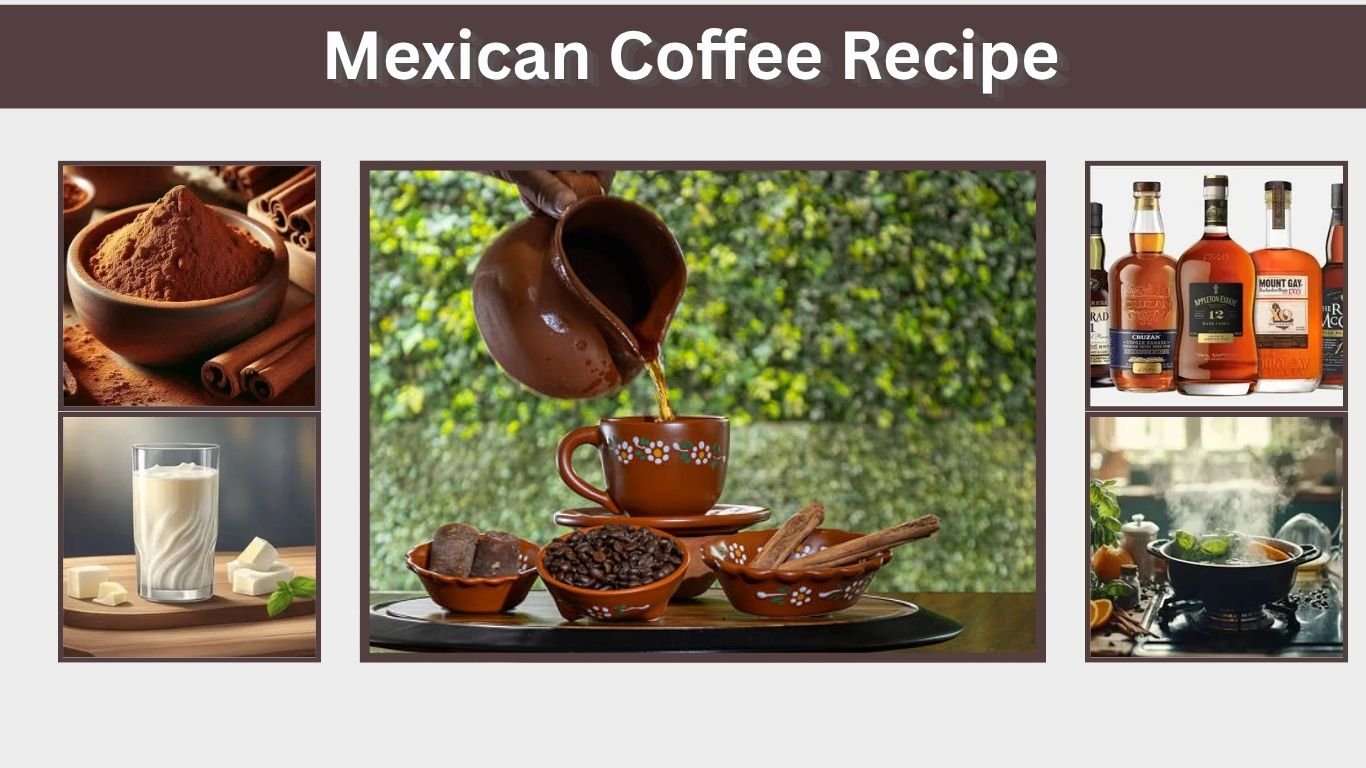
Mexican coffee is a flavorful and comforting beverage that combines freshly brewed coffee with warm spices and natural sweeteners to create a rich.
aromatic drink. Unlike regular coffee, traditional Mexican coffee often known as Café de Olla is infused with cinnamon sticks and sweetened with piloncillo, giving it a distinctive caramel-like sweetness and inviting aroma.
Whether you’re looking for an authentic homemade recipe, a creamy chocolate variation, an iced version for summer, or a festive spiked coffee, this guide has everything you need.
Follow the step-by-step instructions, helpful tips, and delicious variations to make the perfect cup of Mexican coffee at home.
What Is Mexican Coffee?
Mexican coffee is a traditional coffee beverage known for its warm spices, natural sweetness, and rich aroma. Unlike a standard cup of coffee, it is typically brewed with cinnamon sticks and sweetened with piloncillo, creating a comforting drink with layers of caramel, spice, and earthy coffee flavors. One of the most iconic versions is Café de Olla, a recipe that has been passed down through generations and remains a staple in Mexican households.
History and Origins
Mexican coffee has a long history that dates back to the colonial era, when coffee cultivation expanded across the country’s fertile mountain regions. The traditional Café de Olla became especially popular during the Mexican Revolution because it was easy to prepare with locally available ingredients.
Key highlights:
- Coffee cultivation began in Mexico during the late 1700s.
- Café de Olla gained popularity during the Mexican Revolution.
- Piloncillo and cinnamon became signature ingredients.
- The recipe has been preserved through family traditions.
Traditional Mexican Coffee Culture
Coffee plays an important role in everyday life and celebrations throughout Mexico. Families often brew coffee to welcome guests, enjoy breakfast together, or gather during holidays and special occasions. Many recipes are still prepared using traditional methods that emphasize slow brewing and fresh ingredients.
Key highlights:
- Coffee is commonly served during family gatherings.
- Homemade recipes are passed down through generations.
- Fresh spices create a warm and inviting flavor.
- Traditional brewing methods enhance the coffee’s aroma.
Café de Olla Explained
Café de Olla, meaning “coffee from the pot,” is the most famous Mexican coffee recipe. It is traditionally prepared by simmering water with cinnamon sticks and piloncillo before adding coarse-ground coffee. The drink is then steeped to develop its signature sweet and spicy flavor.
What makes it unique:
- Brewed with cinnamon sticks instead of ground cinnamon.
- Sweetened with piloncillo for a rich caramel flavor.
- Traditionally prepared in a clay pot (olla de barro).
- Offers a smoother, less bitter taste than regular black coffee.
Popular Variations
While the classic recipe remains popular, many people enjoy creative versions of Mexican coffee. Modern variations include chocolate, vanilla, orange peel, and even alcoholic ingredients for a festive twist.
Popular options include:
- Mexican coffee with chocolate.
- Vanilla and cinnamon coffee.
- Iced Mexican coffee.
- Spiked Mexican coffee with rum, tequila, or coffee liqueur.
- Dairy-free and vegan versions.
Ingredients You’ll Need

Mexican coffee uses a handful of simple ingredients that work together to create its signature flavor. Using fresh, high-quality ingredients makes a noticeable difference in both taste and aroma.
Coffee
Freshly brewed coffee forms the base of this recipe. Medium or dark roast beans are recommended because they complement the spices without becoming overly bitter.
Best choices:
- Medium roast coffee beans.
- Dark roast for a bolder flavor.
- Freshly ground beans for maximum aroma.
- Coarse grind for traditional brewing.
Sweetener
Piloncillo is the authentic sweetener used in Mexican coffee. It provides deep caramel and molasses notes that pair perfectly with cinnamon and coffee. If piloncillo isn’t available, several substitutes can be used.
Common sweeteners:
- Piloncillo (traditional choice).
- Brown sugar.
- Dark brown sugar.
- Raw cane sugar.
- Coconut sugar.
Spices
The signature flavor of Mexican coffee comes from its blend of warm spices. Whole spices are preferred because they infuse the coffee without leaving sediment.
Essential spices:
- Cinnamon sticks.
- Whole cloves.
- Star anise (optional).
- Fresh orange peel (optional).
Optional Ingredients
Many recipes can be customized based on personal taste. These optional ingredients add richness, sweetness, or a festive twist to the classic drink.
Optional additions:
- Vanilla extract.
- Mexican chocolate.
- Milk or heavy cream.
- Sweetened condensed milk.
- Whipped cream.
- Tequila, rum, or Kahlúa for an adult version.
Kitchen Equipment
You don’t need special equipment to make Mexican coffee at home. Most recipes can be prepared using basic kitchen tools that are already available.
Saucepan
A saucepan is used to simmer the water, spices, and sweetener before the coffee is brewed or steeped. This step allows the flavors to blend together naturally.
Why it’s important:
- Infuses the spices into the water.
- Dissolves piloncillo evenly.
- Creates a flavorful base for the coffee.
- Works well for traditional stovetop preparation.
Coffee Maker or French Press
The coffee can be brewed separately or steeped directly with the spices, depending on your preferred method.
Brewing options:
- Drip coffee maker.
- French press.
- Pour-over brewer.
- Traditional stovetop steeping.
Fine Strainer
A fine-mesh strainer removes coffee grounds and whole spices before serving, resulting in a smooth and enjoyable cup.
Benefits:
- Removes cinnamon sticks and cloves.
- Filters out coffee grounds.
- Creates a clean texture.
- Makes serving easier.
Measuring Cups and Spoons
Accurate measurements help maintain the ideal balance of coffee, spices, and sweetener, especially when making the recipe for the first time.
Helpful tools:
- Measuring cups.
- Measuring spoons.
- Kitchen scale (optional).
- Heat-resistant stirring spoon.
This format is optimized for readability, featured snippets, and SEO, with explanatory paragraphs followed by scannable bullet points under each H3.
How to Make Mexican Coffee (Step-by-Step)

Making Mexican coffee is simple and requires only a few ingredients. The secret is allowing the spices and sweetener to infuse into the water before combining them with freshly brewed coffee. Follow these easy steps to create a rich and authentic cup at home.
Step 1: Simmer the Water with Spices
Begin by adding water, cinnamon sticks, and cloves to a saucepan. Bring the mixture to a gentle boil so the spices release their natural oils and aroma.
Tips:
- Use filtered water for the best flavor.
- Simmer rather than boil aggressively.
- Keep the cinnamon sticks whole.
- Add star anise if desired.
Step 2: Dissolve the Piloncillo
Add piloncillo or your preferred sweetener to the hot spiced water. Stir until it has completely dissolved.
Tips:
- Break piloncillo into smaller pieces.
- Stir occasionally to prevent sticking.
- Taste the sweetness before adding coffee.
- Adjust the amount to your preference.
Step 3: Brew the Coffee
Prepare your coffee separately using a French press, drip coffee maker, or pour-over. Alternatively, steep coarse coffee grounds directly in the saucepan for a more traditional method.
Best practices:
- Use freshly ground beans.
- Choose a medium or dark roast.
- Avoid over-extracting the coffee.
- Brew slightly stronger than usual.
Step 4: Combine and Strain
Pour the brewed coffee into the spiced syrup and stir well. Strain the mixture to remove the spices and coffee grounds before serving.
Remember to:
- Use a fine-mesh strainer.
- Remove all whole spices.
- Serve immediately while hot.
- Stir gently before pouring.
Step 5: Garnish and Serve
Pour the coffee into mugs and garnish with your favorite toppings for extra flavor and presentation.
Serving ideas:
- Cinnamon stick.
- Whipped cream.
- Orange zest.
- Chocolate shavings.
- Cocoa powder.
| Ingredient | Purpose |
|---|---|
| Cinnamon sticks | Adds warmth and signature aroma |
| Piloncillo | Provides natural caramel-like sweetness |
Authentic Café de Olla Recipe
Café de Olla is the traditional version of Mexican coffee, celebrated for its comforting aroma and naturally sweet, spiced flavor. It is typically brewed in a clay pot, although a regular saucepan works well if you don’t have traditional cookware.
Traditional Ingredients
Authentic Café de Olla uses only a few simple ingredients that work together to create its distinctive taste.
You’ll need:
- Water.
- Coarse-ground coffee.
- Piloncillo.
- Cinnamon sticks.
- Whole cloves (optional).
- Star anise (optional).
Traditional Preparation
The coffee is slowly brewed to allow the spices and sweetener to infuse fully before serving.
Preparation steps:
- Simmer water with spices.
- Dissolve the piloncillo.
- Add the coffee.
- Steep for several minutes.
- Strain before serving.
Tips for Authentic Flavor
A few traditional techniques can help recreate the authentic taste found in Mexican homes.
Best tips:
- Use whole cinnamon sticks.
- Brew with freshly ground coffee.
- Avoid using refined white sugar.
- Let the coffee steep naturally.
- Serve in ceramic mugs for better heat retention.
| Traditional Ingredient | Authentic Benefit |
|---|---|
| Piloncillo | Rich caramel and molasses flavor |
| Clay pot (Olla de Barro) | Adds subtle earthy notes |
Spiked Mexican Coffee Recipe
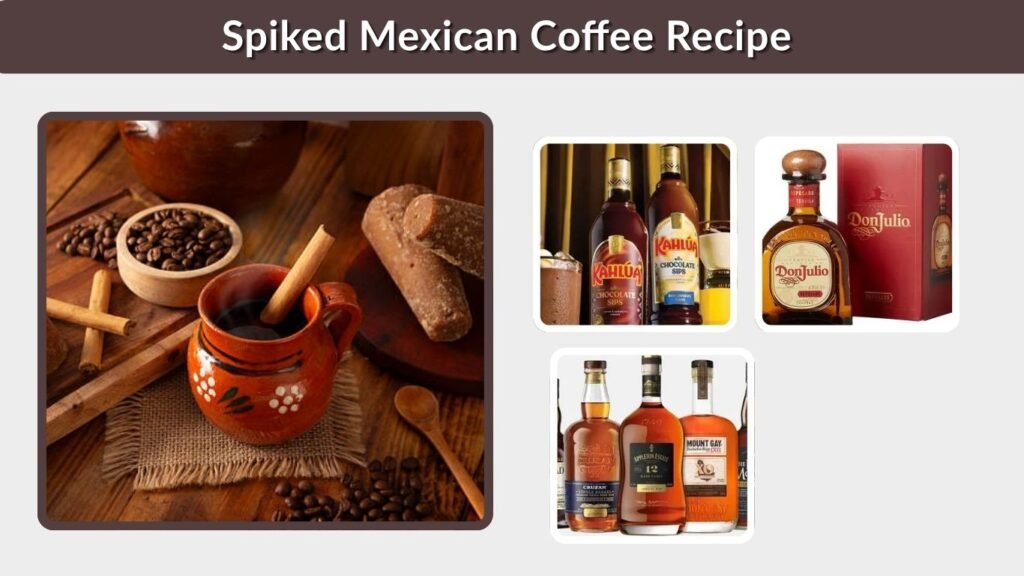
A spiked Mexican coffee is a delicious variation that’s perfect for holidays, dinner parties, or relaxing evenings. The warm spices pair wonderfully with coffee liqueurs and spirits, creating a smooth and flavorful cocktail.
Best Liquors to Use
Several spirits complement the flavors of Mexican coffee without overpowering them.
Popular choices:
- Kahlúa.
- Dark rum.
- Tequila Reposado.
- Irish cream.
- Bourbon.
- Brandy.
Recommended Measurements
Adding the right amount of alcohol ensures the coffee remains balanced and enjoyable.
General guideline:
- 1 cup hot Mexican coffee.
- 1 to 1½ ounces of your chosen liquor.
- Optional whipped cream.
- Sprinkle of cinnamon.
Serving Suggestions
Presentation can elevate your Mexican coffee into a café-style experience.
Serve with:
- Whipped cream.
- Cinnamon sugar rim.
- Chocolate shavings.
- Cinnamon stick.
- Orange peel garnish.
| Spirit | Flavor Profile |
|---|---|
| Kahlúa | Sweet coffee and vanilla notes |
| Dark Rum | Warm caramel and spice flavors |
Iced Mexican Coffee Recipe
If you’re looking for a refreshing alternative, iced Mexican coffee delivers the same delicious cinnamon-spiced flavor served over ice. It’s perfect for warm weather and can be customized with milk or sweet cream.
Cold Brew Option
Cold brew creates a smoother, less acidic version of Mexican coffee.
How to make it:
- Brew coffee using the cold brew method.
- Add cinnamon syrup.
- Sweeten with piloncillo syrup.
- Chill before serving.
Blended Version
Blend Mexican coffee with ice for a frozen coffee drink that’s creamy and refreshing.
Add-ins:
- Ice cubes.
- Milk.
- Vanilla extract.
- Chocolate syrup.
- Whipped cream.
Sweetened Iced Coffee
This version is quick to prepare using leftover brewed coffee.
Easy serving ideas:
- Pour over ice.
- Add milk or cream.
- Stir in cinnamon syrup.
- Garnish with ground cinnamon.
- Top with whipped cream if desired.
| Serving Style | Best For |
|---|---|
| Cold Brew | Smooth, low-acidity coffee lovers |
| Blended Coffee | Frozen café-style beverage |
Mexican Coffee with Chocolate

Chocolate and coffee are a classic pairing, and Mexican coffee becomes even more indulgent when rich chocolate is added. Traditional Mexican chocolate contains cinnamon and sugar, making it an excellent match for Café de Olla. Whether you prefer a creamy mocha-style drink or a bold coffee with subtle chocolate notes, this variation is perfect for chilly mornings or dessert.
Best Chocolate to Use
The type of chocolate you choose greatly affects the flavor and texture of your coffee.
Recommended options:
- Mexican chocolate tablets.
- Dark chocolate (60–70% cocoa).
- Semi-sweet chocolate.
- Cocoa powder.
- Chocolate syrup for convenience.
How to Add Chocolate
Chocolate should melt completely into the hot coffee for a smooth consistency.
Tips for the best results:
- Melt chocolate while the coffee is hot.
- Stir continuously to prevent lumps.
- Add milk for a creamier texture.
- Adjust sweetness based on the chocolate used.
Serving Suggestions
Chocolate Mexican coffee can be served as a breakfast drink or an after-dinner treat.
Popular toppings:
- Whipped cream.
- Chocolate shavings.
- Cinnamon powder.
- Mini marshmallows.
- Cocoa powder dusting.
| Chocolate Type | Flavor Profile |
|---|---|
| Mexican Chocolate | Sweet, spicy, and rich |
| Dark Chocolate | Bold cocoa flavor with less sweetness |
Recipe Variations
One of the best things about Mexican coffee is how easy it is to customize. Whether you’re following a special diet or simply want to experiment with new flavors, there are plenty of delicious variations to try.
Dairy-Free and Vegan Version
Replace dairy products with plant-based alternatives while keeping the traditional flavors intact.
Great substitutions:
- Oat milk.
- Almond milk.
- Coconut milk.
- Soy milk.
- Vegan whipped topping.
Low-Sugar and Keto Version
You can enjoy Mexican coffee while reducing sugar intake by choosing keto-friendly sweeteners.
Suitable sweeteners:
- Monk fruit sweetener.
- Erythritol.
- Stevia.
- Allulose.
Flavor Variations
Experimenting with additional ingredients creates unique flavor combinations.
Popular additions:
- Vanilla extract.
- Orange zest.
- Nutmeg.
- Cardamom.
- Cayenne pepper for extra spice.
| Variation | Ideal For |
|---|---|
| Vegan Mexican Coffee | Dairy-free lifestyles |
| Keto Mexican Coffee | Low-carb diets |
Tips for the Best Mexican Coffee
Even simple recipes can be improved with the right techniques. Paying attention to ingredient quality and brewing methods will help you create coffee with a richer aroma and smoother taste every time.
Choose Quality Coffee Beans
Fresh coffee beans provide the strongest flavor and aroma.
Best practices:
- Buy whole beans whenever possible.
- Grind just before brewing.
- Select medium or dark roast.
- Store beans in an airtight container.
Use Fresh Whole Spices
Whole spices create a cleaner, more balanced flavor than pre-ground spices.
Why whole spices work better:
- Better aroma.
- Longer shelf life.
- No gritty texture.
- More authentic taste.
Avoid Common Brewing Mistakes
Small mistakes can affect the final flavor of your coffee.
Things to avoid:
- Overboiling the coffee.
- Using stale coffee beans.
- Adding too much sugar.
- Brewing weak coffee.
- Skipping the straining step.
| Tip | Benefit |
|---|---|
| Freshly ground coffee | Stronger aroma and flavor |
| Whole cinnamon sticks | Cleaner, authentic spice infusion |
What to Serve with Mexican Coffee
Mexican coffee pairs wonderfully with both sweet pastries and savory breakfast dishes. Choosing complementary foods enhances the coffee’s warm cinnamon and caramel flavors, making it suitable for breakfast, brunch, or dessert.
Traditional Mexican Pastries
Fresh pastries are among the most popular accompaniments to Mexican coffee.
Excellent choices:
- Conchas.
- Pan dulce.
- Churros.
- Cinnamon rolls.
- Sweet empanadas.
Breakfast Pairings
Mexican coffee also complements hearty breakfast meals.
Serve with:
- Breakfast burritos.
- Huevos Rancheros.
- French toast.
- Pancakes.
- Scrambled eggs.
Desserts
End a meal with Mexican coffee alongside a delicious dessert.
Perfect dessert pairings:
- Tres Leches Cake.
- Flan.
- Chocolate cake.
- Cheesecake.
- Cinnamon cookies.
| Food | Why It Pairs Well |
|---|---|
| Churros | Crispy texture complements sweet coffee |
| Tres Leches Cake | Creamy dessert balances warm spices |
Storage and Reheating
Mexican coffee can be prepared in advance and stored for later without losing much of its rich flavor. Proper storage helps preserve the coffee’s aroma and prevents it from becoming bitter. Whether you’ve made a large batch for guests or simply have leftovers, following the correct storage and reheating methods ensures every cup tastes fresh and delicious.
How to Store Mexican Coffee
Allow the coffee to cool to room temperature before transferring it to an airtight container. Store it in the refrigerator for up to three days. Avoid leaving coffee at room temperature for extended periods, as this can affect both flavor and freshness. If you’ve added milk or cream, consume it sooner for the best quality.
How to Reheat Mexican Coffee
Reheat Mexican coffee gently over low heat on the stovetop to preserve its smooth flavor and aromatic spices. You can also microwave it in short intervals, stirring between each session to ensure even heating. Avoid boiling the coffee during reheating, as excessive heat may make it taste bitter.
Can You Freeze Mexican Coffee?
Yes, Mexican coffee can be frozen if you want to store it for a longer period. Pour cooled coffee into freezer-safe containers or ice cube trays. Frozen coffee cubes work well in iced coffee because they chill the drink without diluting its flavor.
| Storage Method | Recommended Time |
|---|---|
| Refrigerator | Up to 3 days |
| Freezer | Up to 2 months |
Common Mistakes to Avoid
Although Mexican coffee is simple to prepare, a few common mistakes can affect its flavor and texture. Paying attention to your ingredients and brewing technique will help you create a consistently delicious cup every time.
Using Ground Cinnamon Instead of Cinnamon Sticks
Ground cinnamon doesn’t infuse the coffee as cleanly as whole cinnamon sticks. It can leave sediment at the bottom of the cup and create a slightly gritty texture. Whole cinnamon sticks provide a smoother flavor and are the traditional choice for authentic Mexican coffee.
Over-Extracting the Coffee
Brewing coffee for too long or using water that’s too hot can make it taste overly bitter. Instead, use freshly brewed coffee and follow the recommended brewing time to maintain a balanced flavor.
Adding Too Much Sweetener
Piloncillo naturally adds sweetness along with rich caramel notes. Adding too much sugar can overpower the coffee’s delicate spice flavors. It’s always easier to add more sweetness later than to remove it.
Skipping Fresh Ingredients
Freshly ground coffee beans and whole spices make a noticeable difference in the final drink. Stale coffee or old spices may result in a flat and less aromatic beverage.
| Common Mistake | Better Alternative |
|---|---|
| Ground cinnamon | Whole cinnamon sticks |
| Overbrewing coffee | Brew according to recommended time |
Nutrition Information
The nutritional value of Mexican coffee depends on the ingredients you choose. Traditional Café de Olla is relatively low in calories when prepared with only coffee, spices, and a moderate amount of piloncillo. Adding milk, whipped cream, chocolate, or alcohol will increase the calorie and sugar content.
Estimated Nutrition Per Serving
A standard serving of traditional Mexican coffee provides a moderate amount of caffeine while remaining fairly light in calories. These values are estimates and may vary depending on the recipe and serving size.
| Nutrient | Approximate Amount |
|---|---|
| Calories | 70–120 kcal |
| Carbohydrates | 15–22 g |
| Sugar | 12–18 g |
| Protein | 0–2 g |
| Fat | 0–3 g |
| Caffeine | 80–120 mg |
Factors That Affect Nutrition
Several ingredients can significantly change the nutritional profile of your coffee. Choosing alternative sweeteners or dairy-free milk can make the recipe suitable for different dietary preferences.
Examples include using:
- Oat milk instead of whole milk.
- Sugar substitutes instead of piloncillo.
- Dark chocolate instead of milk chocolate.
- Plant-based cream instead of heavy cream.
Frequently Asked Questions
Below are answers to some of the most common questions about making and enjoying Mexican coffee.
What is Mexican coffee made of?
Traditional Mexican coffee is made with freshly brewed coffee, cinnamon sticks, piloncillo, and water. Some recipes also include cloves, star anise, vanilla, or orange peel for additional flavor.
What makes Mexican coffee different from regular coffee?
Mexican coffee stands out because it is infused with warming spices and naturally sweetened with piloncillo. The combination creates a richer, smoother, and more aromatic drink than regular black coffee.
Can I make Mexican coffee without piloncillo?
Yes. If piloncillo isn’t available, you can substitute brown sugar, raw cane sugar, coconut sugar, or another natural sweetener. While the flavor will be slightly different, the coffee will still be delicious.
Can I use instant coffee?
Yes, instant coffee works when you’re short on time. However, freshly brewed coffee provides a fuller flavor and creates a more authentic Mexican coffee experience.
What alcohol pairs best with Mexican coffee?
Coffee liqueur, dark rum, tequila, Irish cream, and bourbon all complement the warm cinnamon and caramel notes of Mexican coffee. Use them in moderation for a balanced flavor.
Can I make Mexican coffee ahead of time?
Absolutely. You can prepare the coffee in advance, refrigerate it for up to three days, and reheat it gently before serving. It also works well as a chilled coffee over ice.
| Frequently Asked Question | Quick Answer |
|---|---|
| Can I substitute piloncillo? | Yes, brown sugar or raw cane sugar works well. |
| Can I prepare it in advance? | Yes, refrigerate for up to three days. |
Final Thoughts
Mexican coffee is much more than a simple cup of coffee—it’s a comforting beverage that celebrates tradition, warmth, and bold flavors. With its signature blend of freshly brewed coffee, cinnamon, and piloncillo, it offers a unique taste that’s both rich and inviting. Whether you enjoy the authentic Café de Olla recipe, a creamy chocolate variation, a refreshing iced version, or a festive spiked coffee, there’s a style to suit every occasion.
The recipe is easy to customize with your favorite spices, dairy alternatives, and sweeteners, making it suitable for a wide range of tastes and dietary preferences. By using quality ingredients and following the simple brewing techniques outlined in this guide, you can recreate the authentic flavors of Mexican coffee in your own kitchen.
Take the time to experiment with different variations, pair your coffee with traditional Mexican pastries or desserts, and share it with family and friends. Every cup offers a warm, aromatic experience that reflects the rich culinary heritage of Mexico.

- Espresso Tastes Watery? 10 Common Causes and How to Fix It - October 23, 2026
- 10 Common Coffee Equipment Cleaning Mistakes and How to Avoid Them - October 23, 2026
- 17 Common Coffee Grinder Problems and How to Fix Them - October 23, 2026