
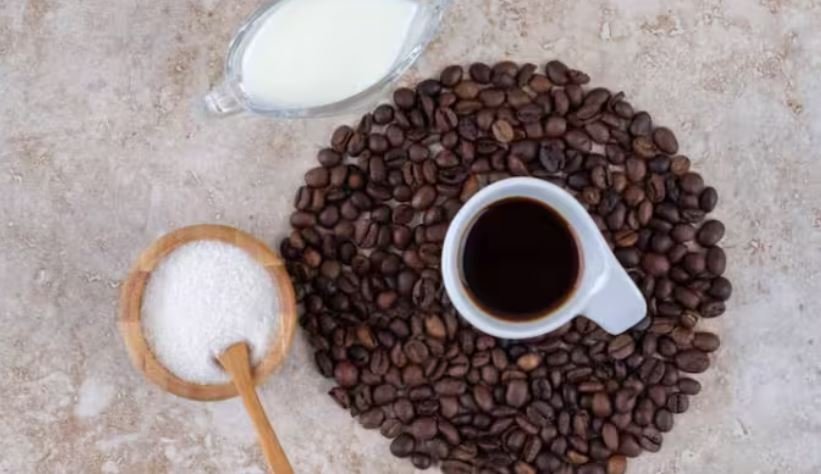
Mushroom coffee has gone from a niche wellness curiosity to a mainstream staple on health-food shelves. Brands promise everything from sharper cognition to better sleep — but two claims keep coming up in particular: that mushroom coffee is kinder to your liver than regular coffee, and that it causes less bloating. Are these promises grounded in science, or is this just another wellness trend dressed up in impressive-sounding ingredients? The honest answer sits somewhere in the middle.
What Is Mushroom Coffee, Exactly?
Mushroom coffee is a blended beverage that combines regular coffee — usually a lower dose of it — with powdered extracts from functional or medicinal mushrooms. The most commonly used varieties are Lion’s Mane (Hericium erinaceus), Reishi (Ganoderma lucidum), Chaga (Inonotus obliquus), Cordyceps, and Turkey Tail (Trametes versicolor). Each mushroom brings its own portfolio of bioactive compounds: polysaccharides, beta-glucans, triterpenoids, and antioxidants that have been studied — with varying depth — for their effects on health.
The typical mushroom coffee product contains roughly half the caffeine of a standard cup of coffee. That reduction alone changes how your body responds, especially if you’re caffeine-sensitive. But the real conversation is about what the mushrooms themselves contribute.
What Does the Research Actually Say?
Your liver is arguably your body’s hardest-working organ. It filters toxins from your blood, metabolizes nutrients, synthesizes proteins, and regulates cholesterol and blood sugar. Anything that puts chronic stress on it — excessive alcohol, fatty diets, certain medications, or environmental toxins — can lead to inflammation, fatty liver, fibrosis, and eventually cirrhosis.
So where do mushrooms come in?
Reishi: The Most Studied Mushroom for Liver Health
Of all the mushrooms found in popular coffee blends, Reishi has the most robust body of research behind its liver-protective (hepatoprotective) effects. The bioactive compounds most responsible appear to be its polysaccharides and triterpenoids, particularly ganoderic acids — a class of unique triterpenes found almost exclusively in Reishi.
Reishi demonstrates hepatoprotective effects through several mechanisms: antioxidant activity that reduces oxidative stress in liver cells, anti-inflammatory effects that calm liver inflammation, and support for liver cell regeneration. Both polysaccharides and triterpenes appear to contribute to these protective effects.
In animal studies, the evidence is fairly consistent. In mice treated with Reishi mushrooms, the degree of acute and chronic liver inflammation was negligible compared to the placebo group. In another study, carbon tetrachloride was used to induce liver fibrosis; Reishi supplementation improved splenomegaly — a condition caused by blood backflow due to liver damage — suggesting its anti-inflammatory and antioxidant properties could protect the liver from external agents.
At the enzymatic level, Reishi has been found to modulate phase 1 and 2 hepatic enzymes. In one animal study, the mushroom extract inhibited the increase of serum ALT and liver triglycerides — high levels of ALT are associated with any form of liver damage. The extract also prevented the decrease of essential liver antioxidants, SOD and GSH, and inhibited β-glucuronidase activity, another indicator of liver damage. Overall, Reishi significantly improved liver health markers, even decreasing MDA levels, a specific marker of oxidative stress.
A review by Thilagavathi et al. (2023) highlights the hepatoprotective potential of triterpenoids among natural remedies, and the literature robustly supports the efficacy of these compounds in Reishi mushrooms for liver health.
One important caveat: these are largely animal studies and laboratory findings. Large-scale, controlled human trials on Reishi’s liver effects remain limited, and results can’t always be extrapolated directly to humans.
Chaga: A Potent Antioxidant with Emerging Evidence
Chaga mushroom is one of the richest natural sources of antioxidants, and its potential liver benefits appear linked to this property. As a potent antioxidant, Chaga mushrooms may be beneficial in preventing liver injury. The hepatoprotective activity of Chaga may be attributed to its radical-scavenging activity, its ability to prevent cytotoxic injury even at low concentrations, and its capacity to prevent cellular leakage of ALT, AST, and LDH — key markers of liver damage.
A study in rats examining the hepatoprotective activity of Inonotus obliquus water extract found it to possess potent radical scavenging activity against tert-butyl hydroperoxide-induced oxidative liver injury. However, it’s worth noting that only a handful of studies specifically on Chaga and liver health exist, and most rely on animal models.
Lion’s Mane: Promising but Less Studied for the Liver
Lion’s Mane is best known for its cognitive and neurological benefits — its hericenones and erinacines stimulate nerve growth factor (NGF) production — but its liver research lags behind. While Lion’s Mane’s role in Alzheimer’s disease, dementia, and mood disorders has been extensively studied, its potential as a hepatoprotective agent has been rarely studied. More studies evaluating the hepatoprotective activity of Lion’s Mane mushrooms are needed to assess its potency in improving liver health.
The Reishi Toxicity Paradox
Here’s where the story gets more complicated. While Reishi shows protective effects for the liver in most research, there’s an important flip side. Studies have reported cases of liver toxicity associated with excessive Reishi mushroom consumption, which highlights the importance of moderation and product quality. This isn’t as contradictory as it sounds — many bioactive compounds behave this way: protective at moderate doses, harmful in excess. The key word is excessive, and the quality and sourcing of the mushroom extract matters significantly.
Does Regular Coffee Already Help the Liver?
It’s worth contextualizing mushroom coffee’s liver claims against regular coffee itself. Research has consistently linked moderate coffee consumption to reduced risk of liver disease. Coffee contains chlorogenic acids and other polyphenols that reduce inflammation and help clear damaged liver cells. Mushroom coffee, by blending coffee with hepatoprotective mushroom extracts, potentially offers a combined benefit — though again, human trials specifically on mushroom coffee as a product are sparse.
Mushroom Coffee and Bloating: A Nuanced Picture
Bloating is one of the most common digestive complaints, caused by excess gas, gut dysbiosis, slowed motility, or food intolerances. So where does mushroom coffee land?
The Prebiotic Benefit
One of the most credible digestive benefits of mushroom coffee comes from the beta-glucan content of the mushrooms themselves. Mushrooms, including those commonly used in mushroom coffee blends, possess prebiotic properties that can benefit the digestive system. The primary prebiotic component is beta-glucans — a type of polysaccharide found in their cell walls. Beta-glucans promote the growth and activity of beneficial bacteria in the gut, which can lead to several positive effects on digestion and overall health.
These complex carbohydrates can act as prebiotics, encouraging the growth of advantageous gut flora such as Lactobacillus and Bifidobacterium species. A thriving community of these good bacteria is crucial for a balanced microbiome, which in turn supports healthy digestion, nutrient absorption, and even immune function.
Specifically, Turkey Tail and Lion’s Mane are notable contributors here. Turkey Tail contains polysaccharopeptides that may help nourish beneficial gut bacteria and create a sense of microbial balance, while Lion’s Mane could work through the gut-brain axis to influence digestive rhythm and regularity.
Digestive Enzymes and Reduced Bloating
Certain mushrooms in coffee blends, particularly Cordyceps, may support the production of digestive enzymes. Some species of fungi used to make mushroom coffee have been shown to enhance the production of certain digestive enzymes. These enzymes are essential for breaking down food into nutrients ready for the body to absorb. Improved enzyme activity can lead to better digestion, more efficient nutrient absorption, and reduced bloating.
The lower caffeine content in mushroom coffee may also play a role. High caffeine intake can accelerate gut motility and irritate the gastrointestinal lining, which contributes to cramping and gas in sensitive individuals. By reducing caffeine load, mushroom coffee may simply be gentler on the gut by default.
But It Can Also Cause Bloating — Especially at First
Here’s the irony: the same compounds that benefit your gut microbiome can also cause bloating in some people. Mushroom extract contains hard-to-digest carbs, which can increase bloating and gas. This is especially the case in people with existing gastrointestinal issues like irritable bowel syndrome (IBS) or those who have trouble digesting certain fibers.
Prebiotic fibers and beta-glucans can be helpful in moderation but often trigger bloating, cramping, or loose stools in people with dysbiosis or microbial imbalance. Even the caffeine — in smaller amounts — can accelerate gut motility and irritate the GI tract.
The key takeaway: if your gut bacteria are already balanced and your digestive system is generally healthy, mushroom coffee’s prebiotic content may gradually reduce bloating by nurturing a healthier microbiome. But if you’re starting from a place of gut dysbiosis or sensitivity, the fermentation of beta-glucans in your colon may initially produce more gas, not less. Starting with a small amount and gradually increasing your intake gives your gut microbiome time to adapt.
Who Should Be Cautious?
Mushroom coffee isn’t a free pass for everyone. High doses can cause digestive issues like bloating for some individuals. Certain mushroom compounds can have blood-thinning or immunomodulatory effects — consult a healthcare provider if you take warfarin or immunosuppressants. Due to a lack of research, it’s best to avoid mushroom coffee if you are pregnant, breastfeeding, have digestive or kidney issues, or have a scheduled surgery.
Additionally, mushrooms can alter the way common medications work in your body, so if you take prescription medication, it’s best to talk to your primary care provider before drinking mushroom coffee. Mushrooms also contain oxalates, which can put you at risk for a certain type of kidney stone — particularly problematic for people with a history of kidney stones or kidney problems.
What the Science Can and Can’t Tell Us
It’s important to step back and acknowledge the limits of the current research landscape. While mushroom coffee offers a promising functional beverage alternative, its health claims require cautious interpretation. While preliminary research supports potential benefits related to cognitive function, immune support, and energy enhancement, robust human clinical trials and conclusive findings on the benefits of mushroom coffee remain limited.
Much of the liver research involves animal models or isolated cell studies. The leap from “Reishi extract protected rat liver cells in a lab” to “mushroom coffee will protect your liver” involves assumptions that science hasn’t yet fully validated. That said, the underlying biochemistry is plausible and the direction of the evidence is encouraging — it’s just not definitive yet.
While the research is promising, combining a balanced diet, regular exercise, and regular medical check-ups with mushroom consumption remains essential for optimal liver health.
The Verdict
Mushroom coffee is not a liver detox cure or a guaranteed bloating solution. But it’s also not meaningless. Here’s a fair summary of where the science lands:
For your liver: The mushrooms in most blends — particularly Reishi and Chaga — contain bioactive compounds with genuine hepatoprotective properties observed in laboratory and animal studies. These mechanisms (antioxidant activity, anti-inflammatory effects, enzyme modulation) are biologically credible. However, robust human trials are lacking, and quality matters enormously. Excessive consumption, especially of poor-quality extracts, can potentially harm rather than help. Moderation and product transparency are non-negotiable.
For bloating: The beta-glucan content of mushrooms can act as a prebiotic to nourish beneficial gut bacteria, potentially improving digestion over time. The reduced caffeine load also makes mushroom coffee gentler on the GI tract than standard strong coffee. However, the same prebiotic fibers can worsen bloating in people with gut sensitivity or dysbiosis, especially in the short term. This is a highly individual response.
If you’re generally healthy, enjoy the taste, and are looking for a lower-caffeine morning ritual with potential functional benefits, mushroom coffee is a reasonable choice. If you have liver disease, digestive conditions, or are on medications, talk to your doctor first. And if your primary goal is liver health or gut healing, eating whole mushrooms — shiitake, oyster, or even Lion’s Mane sautéed in olive oil delivers the same bioactive compounds in a more bioavailable, less processed form.
The mushroom coffee trend, at its best, is a gentle nudge toward functional nutrition. At its worst, it’s expensive marketing built on promising but preliminary science. The truth, as usual, lies in between.

- Espresso Tastes Watery? 10 Common Causes and How to Fix It - October 23, 2026
- 10 Common Coffee Equipment Cleaning Mistakes and How to Avoid Them - October 23, 2026
- 17 Common Coffee Grinder Problems and How to Fix Them - October 23, 2026