
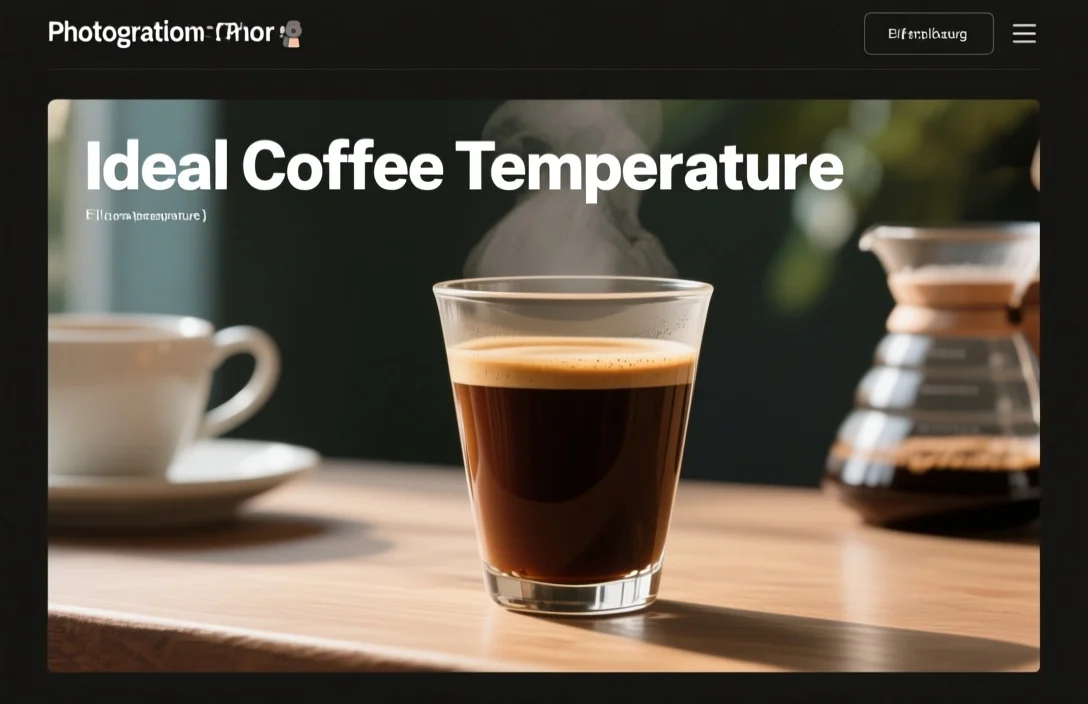
Aim for two different targets: one temperature range for extracting the coffee (when you brew) and a cooler range for drinking. The ideal coffee temperature balances extraction, flavor perception, and safety – most baristas and roasters target hot water around 195-205°F (90-96°C) for brewing, then let the beverage cool to roughly 130-150°F (54-66°C) before sipping.
Why temperature matters for taste and safety
Heat controls chemistry. Extraction is the process that pulls oils, acids, sugars, and bitter compounds out of ground coffee. Higher brewing temperatures speed extraction and emphasize bitterness and body; lower temperatures slow extraction and tend to highlight acidity and bright aromatics. Small temperature shifts during brewing change the balance between sweetness, acidity, and bitterness.
Perception changes as the cup cools. Taste buds and aroma receptors respond differently at different temperatures, so a cup that tastes sweet and aromatic at one temperature can taste flat or bitter at another. Mouthfeel shifts too – hotter coffee often feels fuller and heavier, while cooler coffee can seem thinner and more acidic.
Burn risk and comfort set a practical upper limit. Serving coffee too hot risks scalding; safety guidelines and common sense make it reasonable to cool coffee to a lower range before drinking. Beverage temperature also affects how quickly flavors develop as the cup cools, so deciding an “ideal” serving temperature becomes a trade-off between immediate palate comfort and the flavor you want to experience over the life of the cup.
How brewing temperature influences extraction (mechanism)
Extraction rate is temperature-dependent. Chemical solubility and reaction rates rise with temperature, so hotter water extracts soluble solids, oils, and bitter compounds faster. Tuning brew temperature is a precise lever for balancing flavor when dose, grind, and brew time are fixed.
Grind size interacts with temperature. Finer grinds increase extraction speed; combining a fine grind with water at the top of a recommended temperature range risks over-extraction. Coarser grinds extract more slowly, which often pairs well with water on the warmer side of the range to avoid sourness from under-extraction.
Brew method determines practical temperature control. Pour-over and immersion methods behave differently: pour-over methods change temperature dynamically during the brew because the kettle and vessel transfer heat; immersion methods hold a more stable temperature against the grounds. Controlling initial water temperature and minimizing heat loss during contact with the brewer are both essential to get predictable results.
Brewing temperatures by method and the trade-offs
Comparing the main options side by side, the key differences are extraction speed and thermal mass. Espresso uses high pressure and very short contact time, so baristas commonly run slightly lower or more stable temperatures than a long-contact brew to control bitterness. Pour-over and drip rely on hotter water and slightly longer contact to get similar extraction. Immersion brews like French press tolerate a wider temperature window because of the extended time with grounds.
Flavor trade-offs if you change temperature:
- Lowering water temperature tends to preserve volatile aromatics and reduce bitterness; bitterness or sourness can result if the temperature is too low for the grind and brew time.
- Raising water temperature increases body and extraction of heavier compounds; excess heat can amplify harshness and scorch delicate aromatics, especially with light roasts.
- Adjusting temperature is easiest when you want to target a specific tasting profile without changing grind size or dose.
Equipment limits affect what you can do. Many electric kettles, home espresso machines, and hot plates have temperature tolerances and thermal inertia that make precise, repeatable adjustments difficult. Buy or use gear that reports or holds temperature if you care about reproducibility.
Serving temperature and how it changes perception
Human taste receptors and aroma release are temperature-sensitive. Heat enhances volatility, so hotter coffee smells stronger but may mute sweetness on the tongue. Lower temperatures reduce volatile aromatics but let sweetness and subtle flavors sit forward.
Target serving temperatures reflect a compromise between flavor and comfort. Coffee that’s too hot masks delicate flavors and risks burns; coffee that’s too cool can seem flat and acidic. Many professional baristas and tasting rooms aim for an initial sipping temperature that puts acidity, sweetness, and aroma in balance while keeping the drink safe to consume.
Cooling dynamics matter for multi-sip consumption. Expect about a 10-20°F drop in the first 5-10 minutes depending on cup material and ambient temperature. Choosing the initial serving temperature should account for this drop – you want the cup to hit your preferred steady-sip range during the first few minutes, not immediately be scalding.
Practical steps to measure and control temperature at home
Compare available tactics and pick the ones that match how precise you want to be. After testing kettles, mugs, and thermometers side by side, the most reliable controls are an accurate thermometer, a temperature-holding kettle, and preheated equipment.
Follow these steps to get repeatable results:
- Measure the kettle water temperature with a digital thermometer immediately before pouring. Calibrate or check the thermometer occasionally.
- Preheat the brewing vessel and cup with hot water to reduce heat loss on contact.
- If using an adjustable kettle, set it to your target brewing temperature and let the water stabilize.
- Time the pour and keep a consistent pour pattern for pour-over methods; use the same grind and dose each time.
- For immersion methods, start the timer when water meets grounds and stir or bloom consistently.
- Record outcomes in a simple brew log: temperature, grind, dose, brew time, and tasting notes.
- If you want a cooler drinking temperature quickly, pour the brew into a room-temperature cup or stir to accelerate cooling.
A quality probe thermometer gives the most value for accuracy. Infrared thermometers read surface temperatures and can mislead when measuring liquid; an immersion probe is preferable. Pair a thermometer with repeatable technique to make temperature adjustments meaningful rather than noisy.
Practical temperature targets by method (comparison table)
The following table lays out common temperature targets, the primary purpose of that temperature, and what to watch for when you follow it. These figures reflect widely used industry guidance for brewing and serving; treat them as starting points that you should adjust for roast level, grind, and taste.
| Method or Stage | Typical Temperature Target | Best For |
|---|---|---|
| Pour-over / Drip brewing | 195-205°F (90-96°C) | Balanced extraction for medium to dark roasts; adjust down for very light roasts |
| Immersion brewing (French press, cupping) | 195-205°F (90-96°C) initially | Full-bodied extraction and oils; coarser grind recommended |
| Espresso brewing (brew water/boiler) | 190-200°F (88-93°C) | Short extraction under pressure; tuning affects crema and bitterness |
| Cold brew (steep) | Room temperature or refrigerated steep | Low acidity, high sweetness; long contact time replaces heat extraction |
| Drinking / sipping temperature | 130-150°F (54-66°C) | Immediate comfort and flavor balance for many drinkers |
| Milk steaming target | 140-155°F (60-68°C) | Balances sweetness and texture without scalding milk |
| Hot-hold in café servers | 155-165°F (68-74°C) | Keeps coffee warm but watch for flavor degradation over time |
Expect to change these numbers based on the roast profile and the specific bean. Light roasts are often more expressive at the top or slightly above the lower end of a range; dark roasts can tolerate the higher end without tasting under-extracted.
How roast level and grind interact with temperature
Roast level changes bean chemistry. Lightly roasted coffee has more intact acids and fewer caramelized sugars; it often benefits from slightly higher temperatures within the brewing range to coax sweetness without extracting harsh phenolics. Dark roasts have more soluble material and require care to avoid over-extraction that leads to bitter, burnt notes.
Grind size tunes contact surface area. Matching grind to temperature keeps extraction predictable: coarser grinds need hotter water or longer contact time; finer grinds need slightly cooler water or shorter contact time. Using temperature as the only adjustment while ignoring grind and dose will produce inconsistent results.
Match method and roast thoughtfully. Espresso with a light roast may need higher temperature to develop sweetness under short contact time compared with a dark roast espresso. Pour-over of a bright single-origin light roast may taste best with water at the lower end of the standard brew range to keep acidity crisp without elevating bitterness.
Holding, reheating, and what cafés actually do
Cafés balance speed, safety, and flavor when holding coffee. Holding at high temperatures preserves heat but accelerates oxidation and flavor degradation. Holding too cool makes the coffee unpleasant after a short period.
Cafés often brew at full extraction temperature and then hold in insulated servers or thermal carafes. These containers slow heat loss and oxygen contact, preserving the cup for a limited time before tasting changes become noticeable. Reheating brewed coffee on a hot-plate will warm it but can also worsen perceived bitterness and flatten aroma.
If you must reheat at home, do so gently. Short bursts in a microwave or a quick pass on the stove can raise temperature but will not restore volatile aromatics lost during cooling. Reheating to a sipping temperature is fine for comfort but expect a different flavor profile from a freshly brewed cup.
Common mistakes and how to avoid them
Many frequent mistakes come from misreading temperature effects or letting equipment variability introduce unpredictability. Below are typical errors and fixes.
- Overemphasizing temperature while ignoring grind and dose: Adjust one variable at a time and log results.
- Using an infrared thermometer to measure liquid bulk temperature: Use an immersion probe for accurate readings.
- Brewing with boiling water straight from the kettle without allowing it to settle: Give the water 30-45 seconds to drop a few degrees (or use a temperature-controlled kettle).
- Serving coffee immediately at very high temperature: Let the cup drop into a sipping range to reveal balance and to avoid scalding.
- Holding coffee too long on a hotplate or open urn: Use insulated carafes and consume within a reasonable window for best flavor.
Watch for warning signs during tasting. Sharp bitterness that dominates within seconds suggests over-extraction or too-hot water. Thin, sour notes typically indicate under-extraction or water that was too cool for the grind. A broken, dull aroma often points to stale beans or poor holding practices rather than temperature alone.
Simple troubleshooting guide (quick fixes)
Apply these practical, testable adjustments when a cup doesn’t taste right:
- Too sour or thin: Increase brewing temperature slightly or grind finer.
- Too bitter or astringent: Lower brewing temperature, shorten brew time, or use a coarser grind.
- Flat aroma: Preheat the vessel and cup; check bean freshness and storage.
- Scalding mouthfeel: Let the brew cool a bit before drinking or pour into a cooler cup.
Repeat adjustments one at a time and keep a short log so you can reproduce a successful tweak. Consistency beats perfection; a reliable routine produces the most repeatable flavor.
Tools and techniques for precise temperature control
Home brewers who care about repeatability should invest in a few core tools. An adjustable electric kettle with temperature settings removes guesswork for pour-over and immersion methods. A good digital immersion thermometer gives accurate readings during brew and when checking drinking temperature. Scales and timers remain essential because temperature interacts with dose and time.
Technique matters. Preheating the brewer and cup cuts unpredictable heat loss. When pouring, use a controlled pour to reduce temperature swings in pour-over brewing. For espresso, keep the group head and portafilter warm between shots to avoid cool metal absorbing heat from the brewing water.
Maintenance affects thermal behavior. Scale buildup in kettles and espresso boilers changes heat transfer and can make temperatures drift. Descale equipment periodically according to manufacturer instructions to keep temperature control reliable.
FAQ
What is the ideal coffee temperature to drink safely?
A comfortable sipping temperature for most people falls into a cool-hot range that avoids scalding and keeps flavors balanced. Aim to let freshly brewed coffee cool for a minute or two before taking the first sip and check the surface temperature with your lips or a thermometer if needed.
Does hotter coffee always taste better?
No. Hotter coffee increases aromatic volatility but can mask sweetness and make bitterness more prominent. Balance is the goal; adjust brewing and serving temperatures to match the roast and the flavor profile you prefer.
Can I reheat coffee without ruining it?
Reheating will change the flavor profile. Gentle reheating to an appropriate sipping temperature restores warmth but will not restore volatile aromas lost during cooling. Use insulated carafes to reduce the need for reheating.
How long should I wait after brewing before drinking?
Wait times depend on cup material and initial serving temperature. Expect a five- to ten-minute window for a drop into a comfortable sipping range in a ceramic mug. Stainless steel travel mugs retain heat longer and may require more cooling time before drinking.
Is there a single “best” temperature for all beans?
No single temperature suits every bean. Roast, origin, and personal taste determine the best approach. Treat the standard temperature ranges as starting points and adjust up or down in small increments while tasting.
Does water temperature matter for cold brew?
Cold brew replaces thermal extraction with time; room-temperature or refrigerated steeping over many hours extracts different compounds than hot brewing. Temperature control still matters – steeping temperature will affect extraction speed and the final profile.
A short editor’s note: when you see a recommended temperature, test it once or twice before accepting it as your standard. Small adjustments produce noticeable palate differences.
Practical verdict and next ste
If you want a single, actionable plan: brew with water near 195-205°F (90-96°C) for pour-over and immersion methods, aim for an initial drinking temperature around 130-150°F (54-66°C), and use a thermometer plus a simple log to reproduce results. Try one controlled change at a time – adjust temperature by small steps and record the effect – and you will find the exact “ideal coffee temperature” that matches your beans and taste.

- Espresso Tastes Watery? 10 Common Causes and How to Fix It - October 23, 2026
- 10 Common Coffee Equipment Cleaning Mistakes and How to Avoid Them - October 23, 2026
- 17 Common Coffee Grinder Problems and How to Fix Them - October 23, 2026