
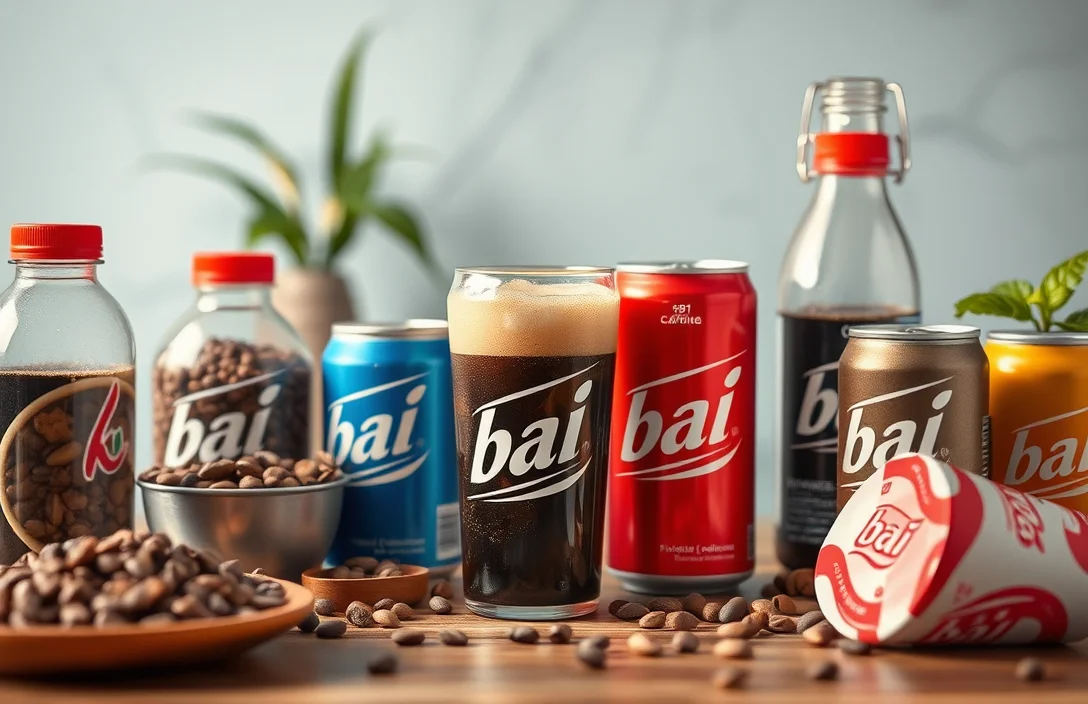
Bai drinks contain approximately 35 milligrams of caffeine per 12-ounce serving, making them a popular choice for those seeking a refreshing beverage with a caffeine boost. This amount is significantly lower than many energy drinks, providing a moderate energy lift without overwhelming jitters.
Curious consumers will find that Bai drinks feature 35 mg of caffeine per serving, antioxidants from superfruit extracts, and a low-calorie profile. These qualities make them an appealing option for those wanting taste and energy without excess sugar.
Caffeine Levels in Bai
Bai drinks contain varying levels of caffeine depending on the specific product. Most Bai beverages offer around 30 to 50 milligrams of caffeine per serving. This amount is derived from the coffee fruit used in the drink’s formulation, providing a natural energy boost without overwhelming intensity.
Each Bai drink serves as a refreshing alternative to traditional energy drinks. For example, Bai Antioxidant Infusions contain 35 milligrams of caffeine per 12 oz serving. In contrast, Bai Bubbles, which are carbonated, also have a similar caffeine content, making them a flavorful option for those seeking a fizzy drink.
Drinking Bai can enhance alertness and focus without excessive jitters commonly associated with higher caffeine sources. This makes it suitable for casual sipping throughout the day. By knowing how much caffeine is in Bai drinks, consumers can make informed choices to fit their caffeine needs.
Comparing Bai to Other Drinks
Many consumers compare Bai drinks to traditional sodas and energy drinks. Sodas often contain high levels of sugar and caffeine, making them less healthy. In contrast, Bai offers a lower caffeine content, averaging around 30 mg per serving. This substantial difference appeals to those seeking a lighter option without sacrificing flavor.
Energy drinks, on the other hand, typically contain significantly higher caffeine levels, often exceeding 100 mg per serving. These beverages can lead to jitteriness and crashes due to their intense caffeine concentration. Bai’s moderate caffeine content provides a refreshing alternative, allowing for sustained energy without the overwhelming effects associated with many energy drinks.
Teas present another comparison point. Green tea, for example, usually contains about 20-45 mg of caffeine per serving, depending on the type and brewing method. Bai’s caffeine levels align closely with those of green teas, making it an appealing choice for those looking for a tea-like experience in a flavored beverage.
Juices often lack caffeine altogether, prioritizing natural sugars and flavors. Many health-conscious individuals may prefer Bai because it combines fruit flavors with a moderate caffeine boost. This blend satisfies both taste and energy needs without the high sugar levels found in many fruit juices.
Health Benefits of Bai
Bai drinks offer notable health benefits thanks to their unique ingredients. Containing natural antioxidants from the coffee fruit, these beverages can help combat oxidative stress in the body. Antioxidants are essential for preventing cellular damage and may support overall wellness. Regular consumption could enhance your immune system and contribute to long-term health improvements.
Research indicates that Bai drinks contain low-calorie levels while providing hydration. Most varieties are sweetened with erythritol, a natural sugar alcohol that contributes minimal calories. This aspect makes Bai an excellent choice for individuals seeking a refreshing beverage without excessive sugars or calories, aligning with many health-conscious diets.
High amounts of antioxidants in Bai can also promote better skin health. Antioxidants work to fight free radicals, which can lead to premature aging. Drinking these beverages may improve skin elasticity and hydration, making it a practical addition to your skincare routine.
Regular consumption may boost your energy levels without the jitters often associated with traditional caffeinated drinks. Bai’s caffeine content comes from natural sources, providing a smooth energy lift. This makes it an ideal option for those looking to maintain focus and productivity throughout the day without adverse side effects.
Bai Drink Varieties
Caffeine levels vary among Bai drink varieties. Each flavor contains a different amount, primarily influenced by the ingredients used. Most Bai drinks contain about 35 mg of caffeine per 12-ounce serving. This amount provides a boost without overwhelming the consumer, making it popular among those seeking moderate caffeine intake.
Popular flavors include Bai Antioxidant Infusion and Bai Bubbles. Antioxidant Infusion drinks deliver the typical caffeine content, while Bai Bubbles often have similar levels, depending on the specific flavor. Consumers should check labels for precise details on caffeine content in their chosen flavor.
Innovative flavors, such as Mango and Costa Rica Clementine, also maintain the same caffeine levels. Each variety offers a unique taste while keeping caffeine consistent. This approach allows fans of Bai to enjoy diverse flavors without worrying about fluctuating caffeine amounts.
Health-conscious individuals appreciate Bai’s approach to caffeine. By combining low-calorie content with moderate caffeine levels, these drinks cater to consumers looking for refreshment and energy. Always consider individual tolerance to caffeine before selecting a drink.
Caffeine Source in Bai
Caffeine in Bai drinks primarily comes from coffee fruit, which is the outer layer of coffee beans. This natural source of caffeine provides a unique flavor profile while maintaining lower caffeine content compared to many traditional beverages. Each Bai drink typically contains around 30-70 milligrams of caffeine per serving, depending on the variety.
Derived from the whole fruit, the caffeine offers a more gentle energy boost. Coffee fruit contains antioxidants that may provide additional health benefits, making Bai a popular choice among health-conscious consumers. The combination of caffeine and antioxidants is appealing for those looking to enhance their daily nutrition.
Many caffeine-sensitive individuals appreciate Bai’s lower caffeine levels compared to energy drinks or coffee. This makes it an excellent option for maintaining energy without overwhelming jitters. With various flavors available, consumers can select options that suit their taste preferences while benefiting from the caffeine source.
Varieties within the Bai lineup showcase the versatility of the coffee fruit, allowing for a refreshing drink that’s both flavorful and energizing. Not all Bai drinks have the same caffeine content, so checking labels is essential for those monitoring their intake. This careful labeling helps consumers make informed decisions about their caffeine consumption.
Daily Caffeine Recommendations
Experts recommend limiting caffeine intake to 400 milligrams per day for most adults. This amount equates to about four 8-ounce cups of brewed coffee or ten 12-ounce cans of cola. Staying below this threshold helps avoid negative side effects such as jitteriness and insomnia.
Monitoring your caffeine consumption is crucial, especially if you’re considering Bai drinks. Each serving contains around 30 to 40 milligrams of caffeine, depending on the specific flavor. Tracking your daily intake can help you enjoy Bai while adhering to recommended limits.
Evaluating individual tolerance levels can vary significantly. Some people may feel jittery after consuming just a small amount, while others have a higher threshold. Adjust your Bai consumption according to personal sensitivity and lifestyle factors.
Calculating total caffeine from multiple sources is essential. If you drink coffee, tea, or other caffeinated beverages throughout the day, factor those into your daily total. Balancing Bai drinks with other sources helps maintain a healthy caffeine level.
Consulting with a healthcare professional may be beneficial if you have underlying health conditions. Individuals with anxiety, heart problems, or those who are pregnant should be particularly cautious about their caffeine intake. Always prioritize your health and well-being.
Effects of Caffeine
Caffeine consumption impacts individuals differently. Generally, moderate intake can enhance alertness and concentration. Bai drinks contain varying caffeine levels, which may influence your daily energy and productivity. Understanding your personal tolerance is crucial for maximizing benefits while avoiding negative side effects like jitteriness or insomnia.
Moderation is key for most. Experts suggest limiting caffeine to around 400 milligrams per day for most adults. Monitoring how much caffeine is in Bai drinks can help you manage your overall intake effectively. Always read labels to stay informed about the specific amounts in each flavor.
Balance is essential for health. Pairing caffeine with proper hydration and nutrition can mitigate potential drawbacks. Bai drinks also include antioxidants, which may offer additional health benefits. Combining these factors can lead to a more positive experience with your favorite beverages.
Quick Summary
- Bai drinks contain a moderate amount of caffeine, typically ranging from 30 to 45 mg per serving.
- The caffeine in Bai beverages comes primarily from coffee fruit, which is a natural source.
- Compared to coffee, Bai drinks have less caffeine, making them a lighter option for those sensitive to caffeine.
- Many Bai flavors are designed to provide a refreshing boost without the jitters associated with higher caffeine levels.
- Always check the label for specific caffeine content, as it can vary between different Bai flavors and product lines.
- Bai drinks are marketed as a healthier alternative to traditional energy drinks, combining hydration with a caffeine kick.
- The brand emphasizes low-calorie and low-sugar options, appealing to health-conscious consumers.
Frequently Asked Questions
How much caffeine is in Bai drinks?
Bai drinks typically contain about 30 mg of caffeine per 12 fl oz serving. This amount is roughly equivalent to a third of a cup of coffee, making it a moderate choice for those looking to boost their energy without excessive caffeine intake.
Are Bai drinks safe for everyone to consume?
While Bai drinks are generally safe for most people, those sensitive to caffeine or with certain health conditions should consult a healthcare professional before consuming them. It’s also advisable to monitor total caffeine intake from all sources throughout the day.
Do Bai drinks contain any other stimulants?
No, Bai drinks primarily contain caffeine derived from coffee fruit and do not include any other stimulants. This makes them a popular choice for those looking for a clean energy boost without additional ingredients.
Can I drink Bai drinks if I’m pregnant?
Pregnant individuals should limit their caffeine intake, and while Bai drinks contain a moderate amount of caffeine, it’s best to consult a healthcare provider. Each person’s limits may vary, so personal discretion is advised.
How do Bai drinks compare to energy drinks in caffeine content?
Bai drinks generally have much lower caffeine content compared to traditional energy drinks, which can contain 80 mg to over 200 mg per serving. For those looking for a lighter option, Bai provides a refreshing alternative without the jitters often associated with higher-caffeine energy drinks.

- Breville BES878BSS Barista Pro Espresso Machine Review: Features, Performance, and Buying Guide - October 31, 2026
- Gaggia RI9380/51 Classic Evo Pro Espresso Machine Review: Features, Performance, and What to Know Before Buying - October 31, 2026
- Gaggia RI9380/46 E24 Espresso Machine Review: Is the Brass Boiler Upgrade Worth It? - October 31, 2026