
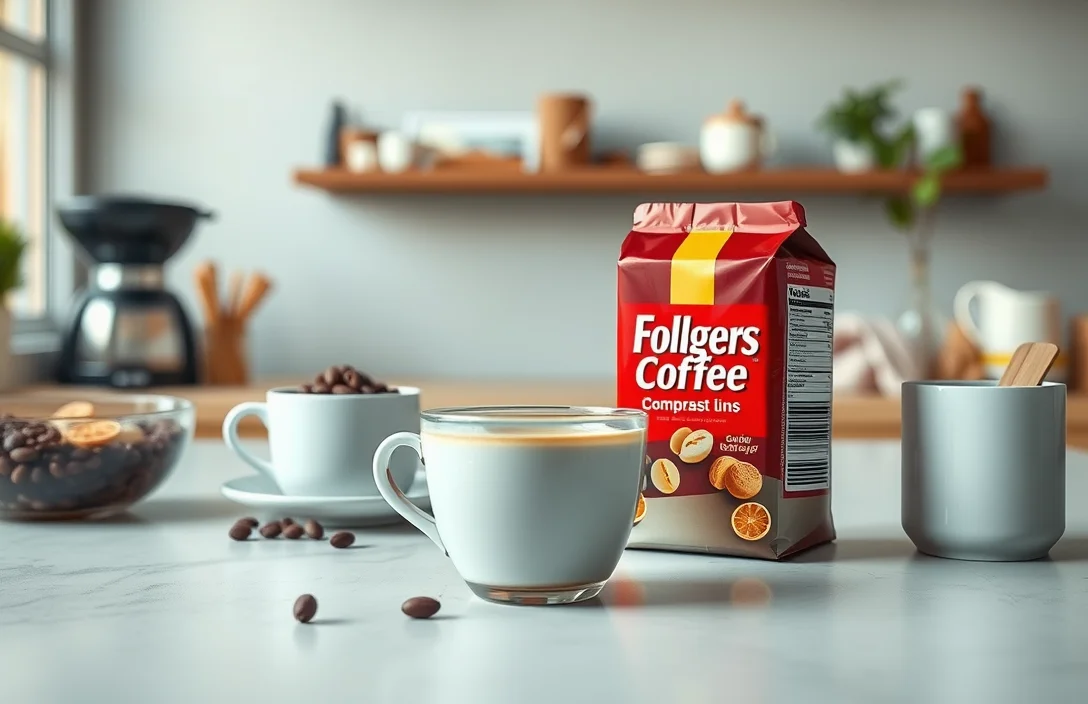
Folgers coffee contains approximately 95 milligrams of caffeine per 8-ounce cup, making it a popular choice for those needing a quick energy boost. Knowing this can help you manage your daily caffeine intake effectively while enjoying your favorite brew.
Typically, Folgers Classic Roast offers around 120 mg of caffeine per 12-ounce serving, while Folgers Decaf has about 5 mg. Variations in brewing methods can also affect the final caffeine content.
Caffeine Levels in Folgers
Folgers coffee contains significant caffeine levels, making it a popular choice for many coffee drinkers. Typically, an 8-ounce cup of Folgers brewed coffee contains approximately 95 milligrams of caffeine. This amount can vary depending on the specific blend and brewing method used.
Many factors influence caffeine content, including the type of coffee beans and the brewing time. Folgers offers various blends, such as Classic Roast and Breakfast Blend, each with its unique flavor profile and caffeine levels. Generally, darker roasts tend to have slightly less caffeine due to the roasting process.
Brewing methods also play a crucial role in caffeine extraction. A standard drip coffee maker will yield different caffeine levels compared to French press or espresso methods. For those seeking a caffeine boost, adjusting the brewing time or using a finer grind may increase the caffeine extracted from the coffee grounds.
Measuring caffeine intake is essential for those monitoring their consumption. Many coffee drinkers appreciate knowing how much caffeine does Folgers coffee have to balance their daily intake. By understanding these factors, consumers can make informed decisions about their coffee choices.
Comparison with Other Brands
Folgers coffee caffeine content stands out among popular brands. Typically, an 8-ounce cup contains about 95 mg of caffeine. This amount is slightly higher than competitors like Maxwell House, which averages around 76 mg per cup, making Folgers a strong choice for caffeine seekers.
Starbucks coffee offers a significantly higher caffeine level, with some brews containing over 300 mg per 16-ounce serving. In contrast, Folgers remains a more moderate option, making it accessible for casual drinkers who prefer a balanced caffeine intake without overwhelming effects.
Brands like Dunkin’ Donuts also present varying caffeine levels, averaging about 120 mg per medium cup. While Folgers provides a reliable caffeine boost, those who prefer bolder flavors may lean towards brands with higher levels.
Consistency plays a crucial role in choosing Folgers. Many consumers appreciate its dependable caffeine content, ensuring they know what to expect each morning. This reliability sets it apart from brands that may vary significantly between different blends.
Decaf vs Regular Folgers
Decaf Folgers coffee contains significantly less caffeine than its regular counterpart. Typically, a standard 8-ounce cup of decaf contains about 2 to 5 milligrams of caffeine. In contrast, the same serving size of regular Folgers coffee can have around 95 to 150 milligrams. This stark difference makes decaf a suitable choice for those sensitive to caffeine.
Regular Folgers provides a robust caffeine boost ideal for mornings. Many individuals use this option to enhance alertness and energy levels throughout the day. Caffeine sensitivity varies among people; thus, understanding how much caffeine is in each type can help in making the right choice for your needs.
Decaf coffee offers an excellent solution for late-night enjoyment without the jitters. Many enjoy its rich flavor while avoiding potential sleep disturbances. By selecting decaf, coffee lovers can still indulge in their favorite beverage at any time without adverse effects on sleep or anxiety levels.
Considering your personal caffeine tolerance is essential when choosing between decaf and regular coffee. If you find that caffeine affects your sleep or causes jitters, decaf may be the best option. Regular coffee lovers, however, often prefer the caffeine kick to start their day effectively.
Serving Size Impact
Coffee serving sizes directly influence caffeine content. Folgers offers various options ranging from single-serve packets to larger bags. Typically, a standard 8-ounce cup brewed from Folgers ground coffee contains about 95 milligrams of caffeine. Adjusting the serving size can increase or decrease your caffeine intake significantly.
Measuring one tablespoon of coffee grounds generally yields around 70 milligrams of caffeine. If your brewing method involves using more grounds, your caffeine consumption will rise accordingly. On the contrary, using less will reduce the overall caffeine levels in your cup.
Experimenting with different serving sizes helps you find the perfect balance for your needs. If you prefer a stronger brew, consider increasing the amount of coffee grounds used. Alternatively, if you want to decrease caffeine intake, simply decrease the ground coffee or opt for a smaller serving size.
Mindful adjustments can lead to a better coffee experience. Knowing how much caffeine does Folgers coffee have helps tailor your morning routine to your preferences. Ultimately, personalizing your serving size can enhance enjoyment while managing caffeine consumption effectively.
Health Effects of Caffeine
Excessive caffeine consumption can lead to negative health outcomes. Symptoms like insomnia, nervousness, and digestive issues may arise if intake exceeds recommended levels. Staying aware of personal tolerance is crucial, as individual responses to caffeine can vary significantly.
Moderate caffeine intake offers potential health benefits. Research suggests that it may enhance cognitive function, improve mood, and even lower certain disease risks. Understanding these effects can help you enjoy your Folgers coffee while reaping its positive attributes.
Daily caffeine limits are generally suggested at 400 milligrams for most adults. This equates to about four 8-ounce cups of brewed coffee. Monitoring consumption can prevent the negative effects while allowing enjoyment of your morning routine.
Long-term effects of caffeine can vary. Some studies indicate a possible link to reduced risks of certain diseases, such as Parkinson’s and Type 2 diabetes. Engaging with your health care provider about your caffeine habits can help tailor recommendations to your lifestyle.
Brewing Methods and Caffeine
Brewing methods significantly impact caffeine levels in your cup of coffee. Different techniques extract varying amounts of caffeine based on factors like brew time, water temperature, and coffee grind size. For instance, a French press typically yields a higher caffeine concentration than drip coffee due to the extended steeping time.
Espresso shots pack a punch, delivering more caffeine per ounce than regular brewed coffee. Although a standard serving is smaller, it still has substantial caffeine content. Folgers coffee brewed as espresso will exhibit this concentrated caffeine effect, especially when compared to traditional brewing methods.
Cold brew coffee also stands out in caffeine extraction. The prolonged brewing process at lower temperatures allows for a smooth and rich flavor, often leading to higher caffeine content than hot brewing methods. If you are seeking a robust caffeine boost, consider experimenting with cold brew preparations.
Grind size directly influences extraction rates. Finer grinds expose more surface area, leading to quicker caffeine release. Conversely, coarser grinds slow down the extraction process, resulting in lower caffeine concentration. Adjusting grind size according to your chosen brewing method can help you control caffeine levels effectively.
Water temperature plays a crucial role as well. Higher temperatures extract caffeine more efficiently, while cooler water results in milder flavors and less caffeine. Optimal brewing temperatures usually range from 195°F to 205°F for hot coffee, helping achieve the desired caffeine content in your Folgers brew.
Consumer Preferences
Many consumers prefer specific brewing techniques to maximize caffeine extraction from Folgers coffee. Popular methods include using a French press or drip coffee makers, which can yield higher caffeine content compared to instant varieties. Understanding the brewing time and water temperature can significantly influence the final caffeine amount. Experimenting with different techniques may help you discover the best method for your taste and caffeine needs.
Consumer feedback highlights the importance of grind size for optimal caffeine extraction. Finer grounds typically increase the surface area, enhancing the brewing process and resulting in a stronger cup. Adjusting grind size based on your brewing method can make a substantial difference in the caffeine concentration. Many enthusiasts suggest trying various grind sizes to find the perfect balance for your preferred brew.
Research shows that personal preference plays a crucial role in caffeine consumption. Some individuals prefer a lighter brew with less caffeine, while others seek a robust flavor and higher caffeine kick. Consider your daily routine and how much caffeine you need to start your day effectively. Balancing flavor and caffeine content can help you select the right Folgers blend.
Many consumers appreciate knowing the caffeine content in their coffee. This information allows them to make informed choices based on their sensitivity to caffeine. By checking packaging labels and online resources, you can ensure your selection aligns with your caffeine tolerance and preferences. Staying informed helps you enjoy your Folgers coffee without concerns about overconsumption.
Folgers Coffee Varieties
Folgers offers a variety of blends that cater to different caffeine preferences. For those seeking a moderate caffeine boost, the Classic Roast is a popular choice, containing about 95 mg of caffeine per 8 oz cup. Dark Roast options provide a more intense flavor, often with a similar caffeine level, making it an excellent pick for strong coffee lovers.
Decaf varieties allow consumers to enjoy coffee without the jitters. Folgers decaffeinated blends contain approximately 2-5 mg of caffeine per 8 oz, providing a mild option for those sensitive to caffeine. These blends maintain the classic Folgers flavor, ensuring that taste isn’t compromised for lower caffeine content.
Specialty blends, such as Folgers Gourmet Selections, present even more variety. These options range from medium to dark roasts, with caffeine levels often comparable to the Classic Roast. Exploring these selections can enhance your morning routine, providing both flavor and the desired caffeine kick.
Flavored coffees, such as Vanilla or Hazelnut, also exist within the Folgers lineup. While these retain a caffeine range similar to other varieties, the added flavors can create a unique experience. Finding the right blend can make your coffee ritual enjoyable and energizing.
Ultimately, selecting the right Folgers coffee variety hinges on personal preference and caffeine needs. Assessing your daily caffeine intake alongside flavor preferences can guide you toward the perfect blend for your mornings.
Quick Summary
- Folgers coffee contains varying levels of caffeine depending on the specific blend and preparation method.
- On average, an 8-ounce cup of Folgers coffee has approximately 95 mg of caffeine.
- Instant Folgers coffee typically has slightly less caffeine than brewed options.
- Folgers offers a range of products, including decaffeinated options that contain minimal caffeine.
- The caffeine content can be influenced by factors such as brewing time and coffee grind size.
- Folgers’ Classic Roast is one of the most popular blends, known for its moderate caffeine level.
- For those sensitive to caffeine, Folgers provides alternatives with reduced caffeine levels.
Frequently Asked Questions
1. How much caffeine is in a cup of Folgers coffee?
A standard 8-ounce cup of Folgers coffee contains approximately 95 mg of caffeine. However, this amount can vary slightly depending on the brewing method and the specific blend of coffee used.
2. Does the caffeine content differ between Folgers blends?
Yes, different Folgers blends have varying caffeine levels. For instance, Folgers Classic Roast typically has about 95 mg per cup, while Folgers Black Silk may have slightly more due to its darker roast profile.
3. How does Folgers coffee compare to other brands in terms of caffeine?
Folgers coffee generally contains a moderate amount of caffeine compared to other brands. For example, it is similar to brands like Maxwell House but may have less caffeine than some specialty coffees or energy blends.
4. Is there a way to reduce caffeine in my Folgers coffee?
Yes, you can reduce the caffeine content by opting for decaffeinated Folgers coffee, which contains about 2-5 mg of caffeine per cup. Additionally, using less coffee grounds when brewing can also lower the caffeine concentration.
5. How does brewing method affect the caffeine content in Folgers coffee?
The brewing method can significantly influence the caffeine level. For example, using a French press or espresso method typically extracts more caffeine than a standard drip coffee maker, resulting in a stronger brew.

- Unlocking the Venti: Discover the Perfect Shot Count for Your Drink - October 13, 2026
- Unpacking the Buzz: Caffeine Levels in Café Bustelo Espresso - October 13, 2026
- How to Fix Bitter Coffee: 10 Expert Ways to Improve the Taste - October 4, 2026