
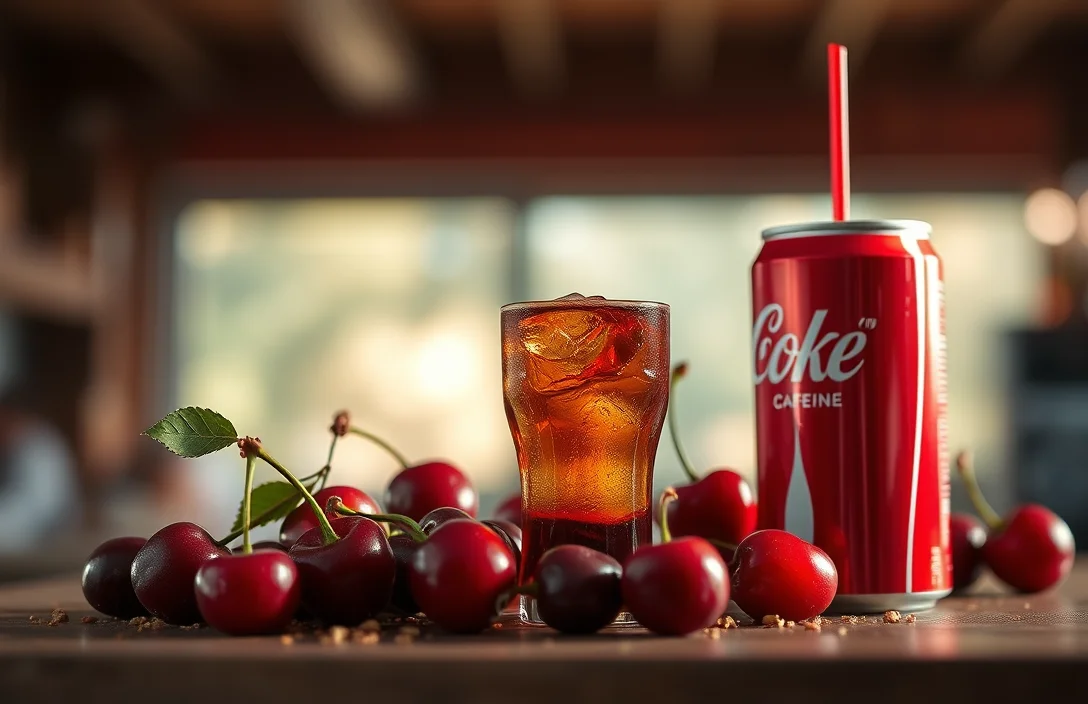
Coke Zero Cherry contains 34 milligrams of caffeine per 12-ounce can, which is about the same as a cup of green tea. This specific amount can provide a noticeable energy boost, making it a popular choice for those seeking a flavorful, low-calorie alternative to traditional sodas.
Curiosity about caffeine levels in Coke Zero Cherry reveals that it offers a moderate dose, similar to many soft drinks. Flavor combined with caffeine makes it appealing to consumers who enjoy a refreshing taste without the added sugar.
Caffeine Content in Coke Zero Cherry
Coke Zero Cherry contains 34 milligrams of caffeine per 12-ounce can. This amount is significant for a soft drink, aligning it more closely with some energy drinks than traditional sodas. For those monitoring their caffeine intake, understanding this level is crucial.
Measured against other beverages, Coke Zero Cherry has a moderate caffeine concentration. For example, it offers less caffeine than the average cup of coffee, which typically contains around 95 milligrams per 8-ounce serving. This difference makes Coke Zero Cherry a viable option for those who enjoy soda but want to limit their caffeine consumption.
Calculated per fluid ounce, the caffeine content stands at approximately 2.83 milligrams per ounce. This figure can help consumers gauge their overall caffeine intake, especially if they drink multiple cans throughout the day. Keeping track of these numbers can aid in making informed dietary choices.
Recognizing caffeine sensitivity varies among individuals is essential. Some may find 34 milligrams manageable, while others might experience jitters or restlessness. Awareness of personal tolerance levels can enhance the enjoyment of beverages like Coke Zero Cherry without adverse effects.
Comparison with Regular Coke
Caffeine levels in Coke Zero Cherry differ significantly from those in regular Coke. Regular Coke contains approximately 34 mg of caffeine per 12-ounce serving, while Coke Zero Cherry has a similar amount, typically around 34 mg as well. Both beverages provide a comparable caffeine boost, making them suitable options for consumers looking for an energy lift without excessive sugar intake.
- Coke Zero Cherry mirrors regular Coke’s caffeine. Both drinks offer a similar caffeine amount, so users can expect similar energizing effects.
- Flavor profiles do not affect caffeine content. Despite differences in taste, the caffeine levels remain consistent across these varieties.
- Dietary choices can influence preferences. Individuals seeking low-calorie options may choose Coke Zero Cherry for its taste without added sugar, while still receiving an equivalent caffeine kick.
- Consumption habits should consider caffeine levels. Regular intake of either beverage can lead to similar caffeine consumption patterns, so being mindful of total daily intake is essential.
- Switching between options is straightforward. Those looking to reduce sugar without sacrificing caffeine can easily alternate between Coke Zero Cherry and regular Coke.
Health Effects of Caffeine
Caffeine consumption can significantly affect cardiovascular health. Regular intake may lead to increased heart rate and blood pressure, especially in sensitive individuals. Monitoring your response to caffeinated beverages like Coke Zero Cherry is crucial. If you experience palpitations or discomfort, consider reducing your intake or consulting a healthcare professional.
Cognitive function often improves with moderate caffeine use. Enhanced alertness, concentration, and reaction times can be beneficial, particularly during tasks requiring focus. Many people find that a moderate amount of caffeine helps them remain productive throughout the day. Balance is key; excessive intake can lead to anxiety or jitters.
Digestive health may also be impacted by caffeine. Some individuals experience increased stomach acid production, which can lead to discomfort or acid reflux. If you notice gastrointestinal issues after consuming Coke Zero Cherry, consider moderating your caffeine intake or opting for caffeine-free alternatives.
Sleep quality suffers with excessive caffeine consumption. Many people find that consuming caffeine later in the day disrupts their ability to fall asleep at night. To mitigate this effect, aim to limit caffeine intake to earlier in the day, allowing your body ample time to process it before bedtime.
Bone health might also be influenced by caffeine. Excessive intake has been linked to decreased calcium absorption, potentially leading to weaker bones over time. It’s important to maintain a balanced diet rich in calcium if you consume caffeinated beverages regularly.
Caffeine Sensitivity and Tolerance
Sensitivity to caffeine varies greatly among individuals. Genetic factors play a significant role, affecting how quickly the body metabolizes caffeine. Some people may experience heightened effects from smaller amounts, while others can consume larger doses without noticeable impact. Understanding your own sensitivity can guide your consumption of caffeinated beverages like Coke Zero Cherry.
Biological differences contribute to tolerance levels. Regular caffeine consumers often develop a tolerance, requiring more to achieve the same stimulating effects. Conversely, occasional users may find that even a small amount of caffeine can lead to jitteriness or anxiety. Monitoring your reactions over time will help in adjusting your intake accordingly.
Age can also influence how caffeine affects you. Younger individuals typically metabolize caffeine more quickly, while older adults may process it more slowly. Changes in metabolism can result in increased sensitivity as one ages, leading to a reassessment of caffeine consumption habits.
Health conditions impact how caffeine interacts with your body. Individuals with anxiety disorders, heart conditions, or gastrointestinal issues might experience intensified effects or adverse reactions. Consulting a healthcare professional can provide tailored advice regarding caffeine intake based on personal health circumstances.
Ultimately, awareness of your personal response is crucial. Keeping track of how various amounts of caffeine affect your mood, energy, and overall health will empower you to make informed choices about products like Coke Zero Cherry. Adjusting your intake based on these observations can enhance your overall experience with caffeinated beverages.
Sugar-Free and Caffeinated Drink Insights
Limit intake to daytime hours; consuming sugar-free cola late can disrupt sleep and blunt recovery. Count cans and avoid drinking within six hours of planned bedtime to prevent insomnia and next-day fatigue. Expect stimulatory effects even without sugar, and recognize that appetite suppression or jitteriness can occur. Check labels for caffeine in coke zero cherry.
Measure daily servings and timing. Track milligrams: a 12-fluid-ounce can of cola typically contains about 34 mg caffeine, so three cans equal ~100 mg. Limit combined caffeine from all sources to under 400 mg per day if healthy; aim for 100–200 mg daily for conservative control, and stop intake at least six hours before sleep. Watch for medication interactions and pregnancy restrictions.
Alternatives to Coke Zero Cherry
Popular choices offer similar caffeine profiles. Diet Cherry Pepsi provides a comparable cherry flavor while maintaining a similar caffeine content. This alternative is widely available and can satisfy cravings for a cherry soda without the sugar.
Another option is Cherry Diet Dr Pepper, which combines a unique blend of flavors and caffeine levels akin to Coke Zero Cherry. Many find its taste refreshing, making it a great substitute for those looking for something different.
Sprite Zero, though lacking a cherry flavor, offers a caffeine-free experience for those who prefer lighter options. This drink remains popular for its crisp taste and zero-calorie profile, appealing to health-conscious consumers.
Fanta Zero Cherry also serves as a delightful alternative. While it has a different taste profile, it still provides the vibrant cherry flavor without the calories, making it suitable for those seeking variety.
Lastly, consider Zevia Cherry Cola, a naturally flavored soda sweetened with stevia. This option contains caffeine and caters to health-conscious individuals desiring a sugar-free alternative without sacrificing flavor.
Flavor Profile and Caffeine Interaction
Caffeine noticeably impacts the flavor experience of Coke Zero Cherry. Its presence adds a subtle bitterness that complements the sweetness of cherry flavoring. This interaction creates a balance, enhancing the overall taste while providing the familiar refreshing quality that many enjoy. Understanding this dynamic can elevate your appreciation for the beverage.
- Caffeine enhances the cherry flavor. The slight bitterness from caffeine contrasts nicely with the sweetness, creating a more complex taste sensation.
- Carbonation amplifies flavor perception. Bubbles in Coke Zero Cherry heighten the sensory experience, making the cherry and caffeine interaction more pronounced.
- Temperature influences taste balance. Chilling the beverage can intensify the refreshing qualities, while warm temperatures may emphasize the bitterness of caffeine.
- Consumption timing affects perception. Enjoying Coke Zero Cherry during meals may alter how flavors are perceived, as food can influence the drink’s taste profile.
- Personal preferences shape flavor experiences. Individual taste sensitivities can affect how prominently caffeine and cherry flavors stand out, leading to varied experiences among consumers.
Quick Summary
- Coke Zero Cherry contains caffeine, similar to regular cola beverages.
- Each 12-ounce (355 ml) serving of Coke Zero Cherry has approximately 34 mg of caffeine.
- The caffeine content is lower than that of a traditional cup of coffee.
- Caffeine in Coke Zero Cherry contributes to its stimulating effects, enhancing alertness.
- Coke Zero Cherry is a sugar-free alternative, making it a popular choice for calorie-conscious consumers.
- It maintains the classic cherry flavor profile, appealing to fans of cherry cola.
- Consumers should moderate caffeine intake, especially if sensitive to its effects.
Frequently Asked Questions
1. How much caffeine is in Coke Zero Cherry?
Coke Zero Cherry contains about 34 mg of caffeine per 12 fl oz (355 ml) can. This is slightly less than a regular cola, which typically has around 35 mg of caffeine for the same volume.
2. Is caffeine in Coke Zero Cherry similar to other sodas?
Yes, the caffeine content in Coke Zero Cherry is comparable to other diet sodas like Diet Coke, which also contains around 46 mg of caffeine per 12 fl oz. However, it is generally lower than that found in energy drinks or brewed coffee.
3. Can I drink Coke Zero Cherry if I am sensitive to caffeine?
If you are sensitive to caffeine, you may want to limit your intake of Coke Zero Cherry, as even small amounts can affect some individuals. It’s always a good idea to monitor your total daily caffeine consumption from all sources.
4. Does Coke Zero Cherry have any health benefits due to caffeine?
Caffeine can provide some benefits, such as increased alertness and improved concentration. However, Coke Zero Cherry is a sugar-free soda and should be consumed in moderation as part of a balanced diet.
5. Are there any caffeine-free alternatives to Coke Zero Cherry?
Yes, there are several caffeine-free alternatives, including caffeine-free versions of regular cola and other flavored sodas. If you’re looking for a similar taste without caffeine, consider trying caffeine-free Cherry Coke or other fruit-flavored sodas that are caffeine-free.

- Unlocking the Venti: Discover the Perfect Shot Count for Your Drink - October 13, 2026
- Unpacking the Buzz: Caffeine Levels in Café Bustelo Espresso - October 13, 2026
- How to Fix Bitter Coffee: 10 Expert Ways to Improve the Taste - October 4, 2026