
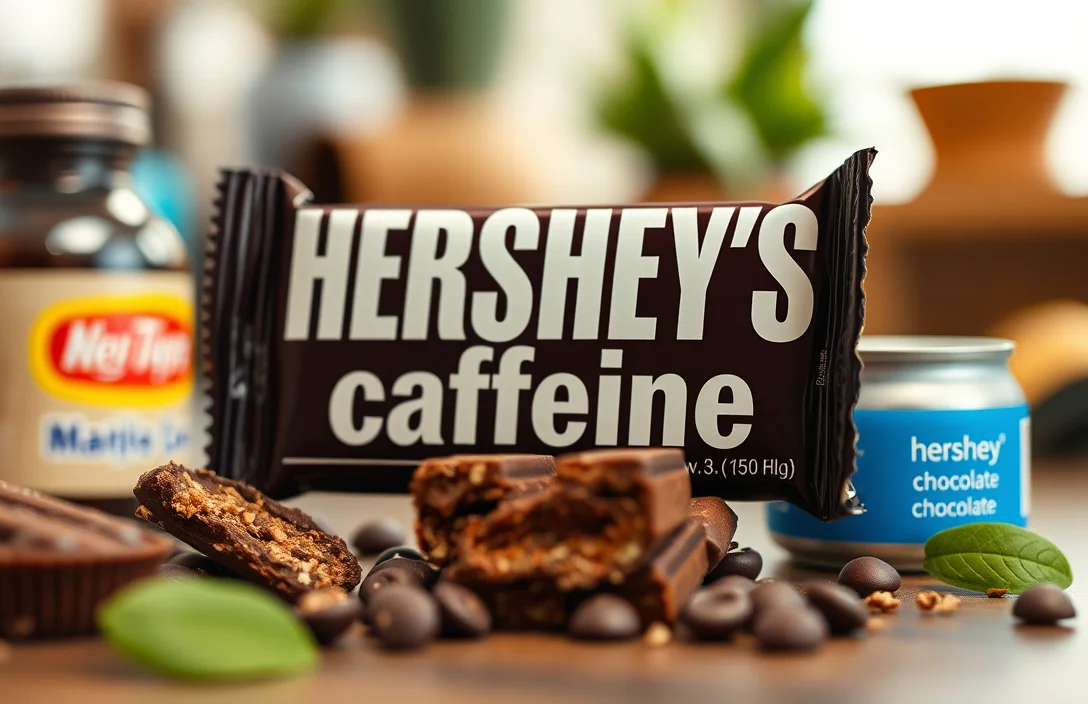
Hershey’s chocolate bars contain approximately 9 milligrams of caffeine per serving, making them a surprisingly moderate source of this stimulant. While not as potent as coffee, these bars can still provide a mild energy boost to chocolate lovers seeking a quick pick-me-up.
Caffeine content in Hershey’s chocolate is relatively low compared to coffee. Each standard-sized bar delivers about 9 mg of caffeine, which is less than a typical cup of tea. Enjoying a Hershey’s bar won’t replace your morning coffee but can satisfy a sweet craving with a touch of alertness.
Caffeine Content in Hershey’s Chocolate Bars
Caffeine levels vary across Hershey’s chocolate products, with each type containing distinct amounts. Standard Hershey’s Milk Chocolate Bars contain approximately 9 mg of caffeine per 1.55-ounce serving. In contrast, the Special Dark Chocolate Bar, which is richer in cocoa, has about 31 mg of caffeine in the same serving size. This significant difference highlights how cocoa content influences caffeine levels.
Milk Chocolate Kisses offer around 7 mg of caffeine per 0.5-ounce piece, making them a milder option. On the other hand, the Reese’s Peanut Butter Cups, which combine chocolate and peanut butter, contain roughly 5 mg of caffeine per cup. These variations emphasize the impact of formulation on caffeine content across different Hershey’s products.
Dark chocolate varieties generally contain more caffeine. For example, Hershey’s Extra Dark Chocolate Bar has approximately 45 mg of caffeine per 1.45-ounce serving. This higher concentration makes it a preferred choice for those seeking a stronger caffeine boost from chocolate. Understanding these differences can help consumers make informed choices based on their caffeine preferences.
Comparison of Caffeine Levels with Other Chocolates
Caffeine content varies significantly among chocolate brands. Hershey’s chocolate bar caffeine level measures about 9 mg per ounce. Comparing it with popular brands reveals distinct differences that can influence your choice based on caffeine sensitivity and preferences.
- Cadbury Dairy Milk offers approximately 8 mg of caffeine per ounce. This brand provides a slightly lower caffeine boost, making it suitable for those who prefer milder stimulation.
- Ghirardelli chocolate bars contain around 15 mg of caffeine per ounce. For chocolate lovers seeking a stronger caffeine kick, Ghirardelli presents a more potent option.
- Lindt chocolate varies by type, with dark varieties often containing about 25 mg per ounce. Dark chocolate enthusiasts can enjoy a higher caffeine content while indulging in richer flavors.
- Godiva chocolate has a caffeine content of about 20 mg per ounce, appealing to consumers looking for luxury without excessive caffeine.
- Valrhona chocolate bars can have caffeine levels reaching 30 mg per ounce, particularly in their darker selections, perfect for those wanting maximum stimulation from their chocolate.
Understanding these variations allows for informed choices when selecting a chocolate treat based on desired caffeine intake. Hershey’s offers a moderate option, fitting well within a balanced diet.
Health Effects of Caffeine Consumption
Caffeine consumption, found in products like chocolate, can affect various aspects of health. Moderate intake may enhance alertness and improve cognitive function, making it a popular choice for those seeking an energy boost. However, excessive consumption can lead to negative side effects such as increased heart rate, anxiety, and sleep disturbances.
Studies indicate that individuals may respond differently to caffeine. Genetic factors play a significant role in how one metabolizes this stimulant. Some people experience heightened sensitivity, resulting in jitteriness or restlessness, while others may tolerate higher amounts without adverse effects.
Regular consumption of caffeine, even from chocolate, can lead to dependence. Withdrawal symptoms might include headaches, fatigue, and irritability. Therefore, moderation is crucial to enjoying the benefits without suffering drawbacks. Monitoring intake, especially for sensitive individuals, helps maintain balance.
Health experts recommend being mindful of total daily caffeine consumption. Combining caffeine from various sources, such as chocolate and coffee, can quickly add up. Keeping track of these amounts can prevent unintentional overconsumption and its associated risks.
Chocolate and Coffee Caffeine Comparison
Caffeine content differs significantly between chocolate and coffee. Typically, an 8-ounce cup of brewed coffee contains around 95 milligrams of caffeine, while a standard Hershey’s chocolate bar holds approximately 9 milligrams. This stark contrast highlights how chocolate offers a much lower caffeine boost compared to its coffee counterpart.
Comparing the two, the average caffeine concentration in coffee is much higher. For instance, espresso packs about 63 milligrams in a 1-ounce shot, showcasing how quickly caffeine can accumulate in coffee. Chocolate’s lower levels result in a gentler stimulant effect, which some may prefer for a milder pick-me-up.
Variations exist within chocolate types as well. Dark chocolate generally contains more caffeine than milk chocolate. For example, a 1-ounce serving of dark chocolate can have around 20 milligrams, making it a better option for those seeking a slightly stronger effect without jumping to coffee.
Considering personal preference, many enjoy chocolate for its rich flavor and lower caffeine content, which can be less jittery than coffee. Those sensitive to caffeine might find Hershey’s chocolate bar caffeine levels more manageable while still enjoying a sweet treat.
Trends in Consumer Preferences for Caffeinated Chocolate
Consumers increasingly seek caffeinated chocolate options, especially those that combine indulgence with energy. This trend resonates with individuals looking for alternatives to traditional caffeinated beverages like coffee or energy drinks. As a result, brands like Hershey’s are adapting their product lines to cater to this growing demand.
Interest in health-conscious snacks drives innovation in the chocolate market. Many shoppers prefer snacks that offer both taste and function. This duality allows brands to create products that appeal to a wide audience, encompassing both chocolate lovers and health enthusiasts.
Market research indicates younger demographics are particularly fond of caffeinated products. Millennials and Gen Z consumers prioritize convenience and energy boosts in their snacking choices. Consequently, Hershey’s and other companies are likely to expand their caffeinated chocolate offerings to capture this lucrative market segment.
Flavor profiles of caffeinated chocolates are evolving to incorporate diverse ingredients. Unique combinations, such as dark chocolate with espresso or mint, enhance consumer experience. These innovative flavors attract adventurous eaters eager to try new products while still enjoying the benefits of caffeine.
Online shopping trends also influence consumer preferences. Increased purchasing through e-commerce platforms allows customers to explore a wider range of caffeinated chocolate options readily. Brands must ensure that their online presence reflects this trend, showcasing their caffeinated varieties prominently.
Variety of Hershey’s Products and Their Caffeine Content
Hershey’s chocolate offers a range of products, each with varying caffeine levels. Understanding these levels allows consumers to make informed choices about their chocolate intake. Here’s a breakdown of some popular Hershey’s varieties and their caffeine content.
Milk Chocolate Bars contain approximately 9 mg of caffeine per 1.55 oz bar. This relatively low amount makes them suitable for those who want a mild boost without significant stimulation.
Special Dark Chocolate Bars provide about 30 mg of caffeine per 1.45 oz bar. This higher caffeine content appeals to dark chocolate lovers seeking a richer flavor and a more noticeable energy lift.
Reese’s Peanut Butter Cups, another popular option, have around 5 mg of caffeine per cup. Excellent for those who enjoy a chocolate-peanut butter combination with minimal caffeine impact.
Hershey’s Cookies ‘n’ Creme Bars offer no caffeine, making them a perfect choice for anyone avoiding caffeine altogether while still enjoying chocolate.
Finally, Hershey’s Milk Chocolate Kisses contain approximately 2.5 mg of caffeine per piece. These bite-sized treats provide a small, enjoyable chocolate experience without significant caffeine intake.
Quick Summary
- Hershey’s chocolate bars contain a small amount of caffeine, approximately 9 mg per 1.55 oz bar.
- The caffeine content is significantly lower than that found in a typical cup of coffee, which averages around 95 mg.
- Caffeine in Hershey’s chocolate is naturally occurring, derived mainly from cocoa solids.
- The overall sugar content in Hershey’s chocolate bars can contribute to an energy boost, enhancing the effects of caffeine.
- Moderate consumption of Hershey’s chocolate can be part of a balanced diet without excessive caffeine intake.
- Individuals sensitive to caffeine should be mindful of their chocolate consumption to avoid potential side effects.
- Hershey’s chocolate bars are a popular treat, appreciated for their taste and the mild stimulant effects of caffeine.
Frequently Asked Questions
Does a Hershey’s chocolate bar contain caffeine?
Yes, a standard Hershey’s chocolate bar does contain a small amount of caffeine. The caffeine content varies slightly depending on the type of chocolate, but it is generally around 9 milligrams per 1.55-ounce bar.
How does the caffeine in a Hershey’s chocolate bar compare to coffee?
The caffeine in a Hershey’s chocolate bar is significantly lower than that found in coffee. For instance, an 8-ounce cup of brewed coffee contains approximately 95 milligrams of caffeine, making chocolate a much milder source.
Can I get a caffeine boost from eating a Hershey’s chocolate bar?
While you can get a slight caffeine boost from consuming a Hershey’s chocolate bar, it is not enough to have a significant energizing effect. If you are looking for a more substantial caffeine kick, consider other sources like coffee or energy drinks.
Are there any Hershey’s products with higher caffeine content?
Yes, Hershey’s does offer products with higher caffeine content, such as their chocolate-covered espresso beans and certain specialty items. These can provide a more noticeable caffeine effect compared to the standard chocolate bars.
Is it safe to consume Hershey’s chocolate bars for their caffeine content?
For most people, consuming Hershey’s chocolate bars in moderation is safe. However, if you are sensitive to caffeine or have specific health concerns, it’s best to monitor your overall caffeine intake from all sources.

- How to Fix Bitter Coffee: 10 Expert Ways to Improve the Taste - October 4, 2026
- Why Does My Coffee Taste Bad? 20 Common Problems and Fixes - October 4, 2026
- How to Get Better Crema With Café Bustelo Coffee - October 2, 2026