
Coffee is one of the most widely consumed beverages in the world, and understanding how much you can get from a given amount of beans is useful for both home brewers and businesses. A 1kg bag of coffee beans may seem small, but it can produce a large number of cups depending on how you brew it. Factors like grind size, brew method, and strength preference all influence the final yield. Knowing this helps you manage cost, reduce waste, and maintain consistency in your daily coffee routine.
How Many Cups of Coffee Can You Get from 1kg of Beans?
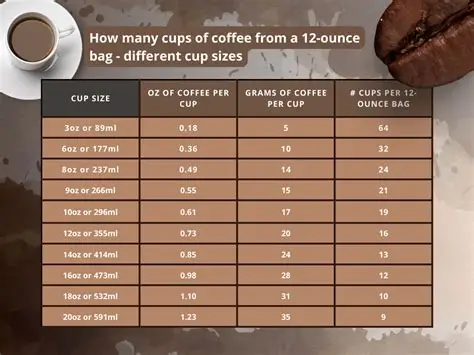
The total number of cups you can make from 1kg of coffee beans is not a fixed number. It depends on how much coffee you use per cup and the brewing style you prefer. On average, most people can get well over a hundred cups from a kilogram of beans. However, stronger coffee drinks will reduce this number, while lighter brews will increase it. This makes it important to understand your personal coffee habits when estimating yield.
Average Yield from 1kg of Coffee Beans
A general estimate helps you understand how far your coffee beans will go in everyday use. While exact numbers vary, the coffee industry uses a standard range based on typical brewing ratios.
- 1kg coffee beans ≈ 125 to 150 cups
- Based on 15–18 grams per cup
- Espresso-style drinks reduce total yield
- Lighter brews increase total number of cups
This range gives a practical expectation for home users, offices, and small cafés.
How Serving Size Affects Total Cups
Serving size plays a major role in determining how many cups you get from 1kg of beans. A larger cup size naturally requires more ground coffee, which reduces the total number of servings. On the other hand, smaller cups or weaker brews stretch your beans further. Many people unknowingly use more coffee than needed, which shortens the lifespan of their supply. Adjusting portion size can make a big difference in how long your beans last.
Why Estimates Vary Between 125–150 Cups
The variation in coffee yield comes from differences in brewing methods, personal taste, and coffee strength. Some people prefer strong espresso shots, while others enjoy lighter drip coffee. These preferences directly affect how much coffee is used per cup. Equipment, grind size, and extraction efficiency also influence the final result. Because of these variables, there is no single fixed number for how many cups 1kg of coffee can produce.
How Brewing Methods Change Coffee Yield
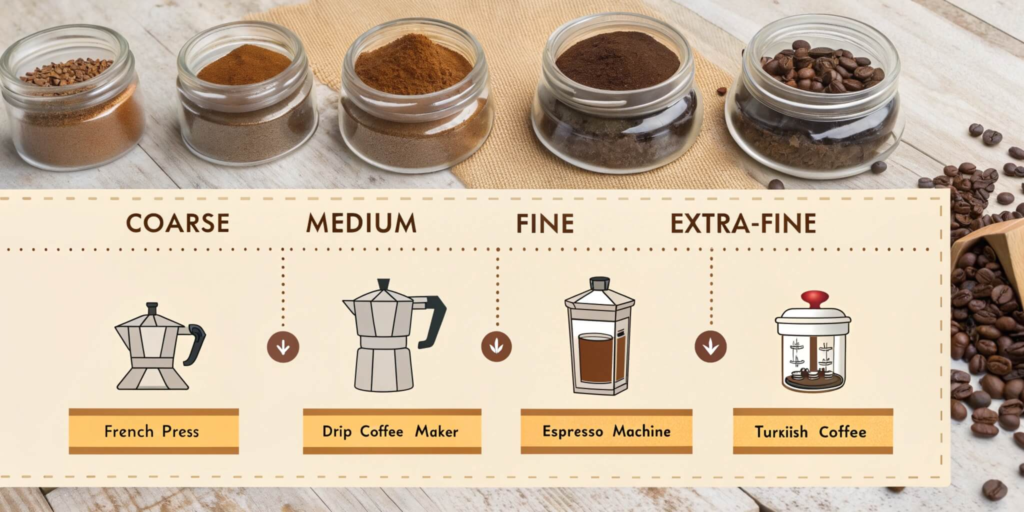
The brewing method you choose has a major impact on how many cups you can get from 1kg of coffee beans. Different techniques extract coffee differently, using varying amounts of grounds per cup. Some methods are highly concentrated, while others are more diluted, which directly affects total yield. This is why the same 1kg of beans can last very differently depending on whether you use espresso, drip coffee, or immersion brewing. Understanding these differences helps you choose the right method based on both taste and efficiency.
Espresso vs Drip Coffee Yield Differences
Espresso uses a small amount of water and a high concentration of coffee, which means more beans are needed per serving. In contrast, drip coffee uses more water and less coffee per cup. As a result, espresso produces fewer cups from the same 1kg of beans compared to drip methods.
Espresso is highly concentrated and uses more coffee per ml
Drip coffee stretches beans further due to higher water volume
Espresso = fewer cups, stronger taste
Drip = more cups, lighter flavor
French Press and Pour-Over Output
French press and pour-over methods fall somewhere in between espresso and drip coffee. They use standard coffee-to-water ratios but allow more control over strength. This makes them flexible options for balancing flavor and yield.
Both methods typically follow a 1:15 to 1:18 ratio
French press produces full-bodied, stronger coffee
Pour-over allows precise control of extraction
Yield depends on how strong you brew each cup
Why Brewing Style Affects Number of Cups
Each brewing style extracts coffee differently, which changes how much ground coffee is required per cup. Stronger extraction methods use more coffee, reducing total yield, while lighter methods stretch the same beans further.
Extraction efficiency varies by method
Stronger brews consume more coffee per serving
Water contact time affects strength and yield
Method choice directly impacts total cups per kg
Choosing the Best Method for Your Beans
Selecting the right brewing method depends on whether you prioritize flavor strength or maximum yield. Some methods are better for bold taste, while others help you get more cups from the same beans.
Espresso is best for strong, concentrated coffee
Drip coffee is ideal for higher yield and daily use
French press balances strength and quantity
Pour-over offers control over both flavor and efficiency
Key Factors That Influence Coffee Strength and Yield

Several key factors determine how strong your coffee is and how many cups you can get from 1kg of beans. These include grind size, brewing time, water temperature, and the type of beans used. Even small changes in these variables can significantly affect extraction and overall yield. Understanding these factors allows you to fine-tune your brewing process for consistent taste and better efficiency. This is especially important for people who want to maximize their coffee supply without sacrificing quality.
Grind Size and Extraction Rate
Grind size directly affects how quickly coffee is extracted during brewing. Finer grinds expose more surface area, leading to faster and stronger extraction, while coarser grinds slow the process down. This influences both flavor intensity and how much coffee is used per cup.
Finer grind = stronger and faster extraction
Coarser grind = slower, lighter extraction
Espresso requires very fine grind
French press uses coarse grind
Brewing Time and Flavor Intensity
The amount of time coffee stays in contact with water affects its strength and taste. Longer brewing times extract more compounds, resulting in stronger coffee, while shorter times produce lighter flavors. This also affects how efficiently beans are used.
Longer brew time increases strength
Short brewing reduces extraction
Over-brewing can cause bitterness
Time must match brewing method
Water Temperature and Its Effect
Water temperature plays a crucial role in how well coffee is extracted. Too low, and the coffee tastes weak; too high, and it may become bitter. The ideal temperature range ensures balanced flavor and efficient extraction.
Ideal range: 90–96°C (194–205°F)
Hotter water increases extraction speed
Too hot water may cause bitterness
Lower temperature leads to under-extraction
Bean Type and Roast Level Differences
Different coffee beans and roast levels affect both flavor and yield. Arabica and Robusta beans behave differently during brewing, and light or dark roasts extract at different rates. These differences influence how many cups you can get from 1kg.
Arabica = smoother, more delicate flavor
Robusta = stronger, more bitter taste
Light roast = denser beans, slower extraction
Dark roast = easier extraction, stronger flavor
Coffee Bean Types and Their Impact on Yield
The type of coffee bean you choose plays an important role in both flavor and how efficiently your coffee brews. Different beans have different densities, oil content, and flavor profiles, which can slightly influence extraction and overall usage. While the difference in cup yield is not dramatic, it becomes noticeable over 1kg of beans, especially when combined with brewing style and grind size. Understanding bean types helps you choose coffee that matches your taste and brewing expectations.
Arabica vs Robusta Differences
Arabica and Robusta are the two main coffee bean types used worldwide. Each has distinct characteristics that affect taste, strength, and brewing behavior.
Arabica is smoother and more aromatic
Robusta is stronger and more bitter
Arabica has higher acidity and complexity
Robusta contains more caffeine and body
Flavor Profile and Strength Variations
Different beans produce different flavor strengths, which can influence how much coffee people use per cup. Stronger-tasting coffee may require less quantity, while lighter coffee may be used in larger amounts.
Arabica offers mild, smooth flavor notes
Robusta delivers bold, intense taste
Stronger flavor may reduce usage per cup
Mild coffee often leads to larger servings
How Bean Type Affects Brewing Efficiency
Bean structure and density affect how easily flavors are extracted during brewing. This can slightly change how efficiently coffee is used and how many cups are produced from 1kg.
Denser beans may require finer grinding
Roast level influences extraction speed
Robusta extracts more quickly than Arabica
Brewing efficiency varies by bean composition
Choosing the Right Beans for Your Needs
Selecting the right bean depends on whether you prioritize taste, strength, or yield. Some beans are better suited for espresso, while others work best for drip or filter coffee.
Arabica is ideal for smooth everyday coffee
Robusta suits strong espresso-style drinks
Blends offer balanced flavor and strength
Choice depends on personal taste preference
Water-to-Coffee Ratio and Brewing Precision
The water-to-coffee ratio is one of the most important factors in determining both flavor and yield. It controls how strong your coffee tastes and how much coffee is used per cup. Small adjustments in this ratio can significantly change how many cups you get from 1kg of beans. Using consistent measurements helps maintain quality while also avoiding waste. This section explains how ratios work and how to use them effectively for better brewing results.
Ideal Ratios for Balanced Coffee
Most coffee brewing methods use a standard ratio range that creates balanced flavor. This ensures the coffee is neither too weak nor too strong while maintaining consistency.
Common ratio: 1:15 to 1:18
1g coffee for 15–18g water
Espresso uses stronger ratios like 1:2
Drip coffee follows standard balance
How to Measure Coffee Correctly
Accurate measurement is essential for consistent brewing and maximizing yield. Using proper tools helps ensure each cup tastes the same and uses the right amount of coffee.
Use a digital kitchen scale
Measure coffee in grams for accuracy
Keep water ratio consistent
Avoid using spoon estimates
Adjusting Water Levels for Taste
Changing the amount of water used per cup allows you to control strength and flavor. This also directly affects how many cups you can get from 1kg of beans.
More water = lighter coffee, more cups
Less water = stronger coffee, fewer cups
Adjust gradually for best results
Find balance between taste and yield
Ratio Differences Across Brewing Methods
Different brewing methods require different ratios, which affects overall coffee usage. Knowing these differences helps you plan your coffee consumption better.
Espresso uses very concentrated ratio
French press uses standard immersion ratio
Pour-over allows flexible adjustments
Cold brew uses longer extraction ratios
Tips to Maximize Coffee from 1kg of Beans

Getting the most out of 1kg of coffee beans is not just about quantity—it’s also about maintaining flavor and consistency. Small adjustments in how you grind, brew, and store your coffee can significantly increase efficiency without reducing quality. By optimizing your process, you can extend the life of your beans while still enjoying great-tasting coffee every time. These simple practices help reduce waste and improve overall brewing results.
Using the Right Grind Size
Grind size has a direct impact on extraction efficiency and how much coffee is needed per cup. Matching the grind to your brewing method helps you avoid overuse of beans while maintaining flavor quality.
Fine grind works best for espresso
Medium grind suits drip coffee methods
Coarse grind is ideal for French press
Correct grind improves extraction balance
Controlling Brewing Time
Brewing time affects how much flavor is extracted from coffee grounds. Managing this properly helps avoid overuse of coffee while ensuring a balanced taste.
Short brew time = lighter coffee
Long brew time = stronger extraction
Over-brewing may waste flavor quality
Each method has ideal timing range
Storing Beans for Freshness
Proper storage helps preserve coffee quality, ensuring each cup tastes fresh and requires no extra coffee to compensate for flavor loss. Poor storage can lead to stale beans and increased usage per cup.
Store in airtight containers
Keep away from light and moisture
Avoid heat exposure
Use beans within a few weeks after opening
Avoiding Waste and Improving Efficiency
Simple habits can help you reduce coffee waste and make your 1kg last longer. Consistency in measurement and brewing prevents overuse and improves cost efficiency.
Use a scale for accurate dosing
Brew only what you need
Avoid overfilling scoops
Track usage for better planning
Frequently Asked Questions
This section answers the most common questions about how much coffee you can get from 1kg of beans. These quick answers help clarify doubts and provide simple guidance for everyday brewing. Understanding these basics makes it easier to manage your coffee supply effectively and get consistent results from every brew.
How many cups does 1kg of coffee beans make?
On average, 1kg of coffee beans produces about 125 to 150 cups of coffee. The exact number depends on how strong you brew each cup and the method used.
Standard estimate: 125–150 cups
Stronger coffee = fewer cups
Lighter coffee = more cups
Method and ratio affect final yield
What is the best coffee-to-water ratio?
The most commonly used ratio for balanced coffee is 1:15 to 1:18. This means 1 gram of coffee for every 15–18 grams of water.
1:15 = stronger coffee
1:18 = lighter coffee
Espresso uses tighter ratios
Drip coffee follows standard range
Does grind size affect coffee yield?
Yes, grind size affects extraction efficiency, which can influence how much coffee is needed per cup. Finer grinds extract faster, while coarser grinds require longer brewing.
Fine grind = stronger extraction
Coarse grind = slower extraction
Incorrect grind may waste coffee
Matching grind improves efficiency
How should I store coffee beans properly?
Proper storage keeps beans fresh and ensures consistent flavor, helping you avoid using extra coffee to compensate for stale taste.
Use airtight containers
Store in a cool, dark place
Avoid moisture and heat
Use within a few weeks of opening
Final Summary
Understanding how many cups of coffee come from 1kg of beans depends on several factors, including brewing method, grind size, water ratio, and personal taste preferences. While the average yield is around 125 to 150 cups, this number can change based on how strong you like your coffee and how you prepare it. By controlling brewing variables and using consistent measurements, you can maximize both flavor and efficiency from every kilogram of beans.

- Breville BES878BSS Barista Pro Espresso Machine Review: Features, Performance, and Buying Guide - October 31, 2026
- Gaggia RI9380/51 Classic Evo Pro Espresso Machine Review: Features, Performance, and What to Know Before Buying - October 31, 2026
- Gaggia RI9380/46 E24 Espresso Machine Review: Is the Brass Boiler Upgrade Worth It? - October 31, 2026