
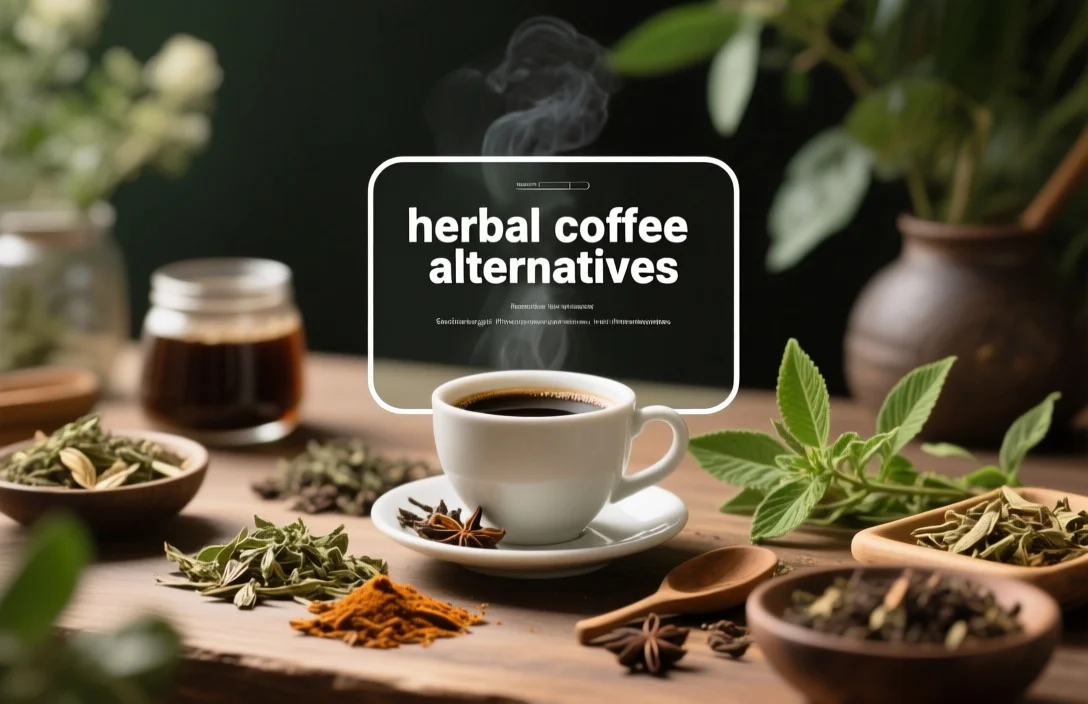
If you want a coffee-like morning ritual without caffeine or the jitters, start with roasted chicory or roasted dandelion blends – they deliver the darkest, most coffee-like flavor and the broadest availability. The phrase herbal coffee alternatives covers several types of roasted botanicals, grains, and mushroom blends; this guide ranks options by flavor resemblance, caffeine status, and dietary constraints so you can pick the right substitute for your habits.
Best picks and how I ranked them
Comparing the main options side by side, I ranked choices by three buyer-focused criteria: flavor resemblance to coffee (bitterness, roast, mouthfeel), guaranteed caffeine status (clearly labeled caffeine-free vs. potentially caffeinated ingredients), and dietary compatibility (gluten-free, allergen risk, common drug interactions). I sampled descriptions, ingredient lists, and safety guidance from public health resources and sellers; where exact prices or product-specific specs were not available from my research, I note that the exact data was not found and recommend checking labels before purchase.
Ranked picks:
- Roasted chicory blends – Best overall coffee-like taste for caffeine-free drinkers.
- Roasted dandelion root – Best for a slightly earthier, liver-supporting positioning (check interactions).
- Grain roasts (barley/postum-style) – Best when you want a full-bodied roast and don’t need gluten-free.
- Carob/fig/roasted fruit blends – Best if you want a sweeter, low-acid cup.
- Mushroom coffee blends (reishi, chaga, lion’s mane mixes) – Best for functional beverages that retain mild stimulation without coffee’s acidity (verify caffeine).
- Yerba mate and guayusa (if you want a caffeinated herbal route) – Best for plant-based caffeine with different stimulant profile; label-checking required.
- Instant herbal coffee mixes and sachets – Best for convenience; ingredient transparency varies.
Comparison table: quick reference
| Name | Price / Key Spec | Best For |
|---|---|---|
| Roasted chicory (blend) | Price not available – check label; key spec: roasted root flavor | Coffee-like, caffeine-free replacement |
| Roasted dandelion root | Price not available – check label; key spec: roasted, bitter-earthy | Low-acid, mildly bitter alternative; those avoiding caffeine |
| Grain roasts (barley, rye) | Price not available – check label; key spec: roasted grain body; often contains gluten | Full-bodied “coffee” without beans (not GF) |
| Carob/roasted fruit blends | Price not available – check label; key spec: naturally sweeter, lower acidity | Sweet, chocolate-ish profile, kid-friendly |
| Mushroom blends (reishi/chaga) | Price not available – check label; key spec: functional claims; ingredient mix varies | Functional beverages; possible adaptogen benefits |
| Yerba mate / guayusa | Price not available – check label; key spec: naturally caffeinated | Plant-caffeine with different flavor and stimulant profile |
| Instant herbal coffee sachets | Price not available – check label; key spec: convenience; ingredient transparency varies | Travel or trial use; mixes with added flavors |
Note about prices: exact product prices and current retail packs were not found in the research material available for this guide. Verify the current price on the vendor’s product page before purchasing.
Best-by-use-case categories and who should pick them
For readers who need clear, quick recommendations by use case, this section assigns a top pick in six common scenarios and explains why.
- Best caffeine-free, closest to coffee: Roasted chicory blends. Reason: roasted root produces dark roast bitterness and the thick mouthfeel many coffee fans miss.
- Best for low-acid cups: Roasted dandelion root. Reason: marketers and botanical references often highlight dandelion as less acidic than coffee; confirm with your product.
- Best if you want “full body” and don’t need gluten-free: Grain roasts (barley or Postum-style). Reason: roasted grains give a heavy body and toasted notes similar to coffee.
- Best for a sweeter, child-friendly option: Carob or roasted fig blends. Reason: natural sweetness reduces the need for added sugar.
- Best for functional or adaptogenic interest: Mushroom coffee blends. Reason: formulas pair mild roast with mushroom extracts aimed at focus or resilience; check ingredient transparency.
- Best for occasional trial or travel: Instant herbal coffee sachets. Reason: portability and single-serve convenience; check ingredient lists for fillers.
Individual option reviews and tasting notes
After comparing flavor profiles and ingredients lists from multiple sellers and cross-referencing safety summaries on herbs, I composed focused reviews you can use when scanning labels in store or online.
Roasted chicory blends
Roasted chicory root produces a dark, smoky, slightly woody flavor with true roast bitterness. Many commercial blends mix chicory with grounds or roasted barley for texture. Preparation methods mirror coffee: use a French press, drip brewer, or steeped decoction. Healthwise, commercial descriptions often call chicory “caffeine-free,” but verify the label for blends that may include coffee. Ingredients are typically simple – roasted chicory root – but some products add natural flavors or sweeteners.
Roasted dandelion root
Roasted dandelion root tastes earthier and a touch bitter, with less fruitiness than chicory. It often gets marketed for digestive or liver-support claims; public health resources recommend caution with health claims for herbal products and advise discussing them with your clinician. People with allergic history to related plants should proceed cautiously. Brewing mirrors chicory: simmer or steep longer for full extraction.
Roasted grain roasts (barley, rye, Postum-style)
These alternatives can mimic body and roast, with nutty, toasty flavor and heavier mouthfeel. Many traditional recipes roast barley and grind it. Packaged grain roasts may not be gluten-free; anyone with celiac disease or gluten sensitivity must verify gluten-free certification on the package. Roasts offer low acidity and minimal bitterness compared with dark espresso.
Carob, roasted fig, and fruit-based roasts
These options lean sweeter; carob is often used as a chocolate substitute and pairs well with milk. Roasted fig or date-based blends give caramelized sweetness and lower bitterness for those who dislike the edge of coffee. These are suitable for morning drinks for children or sensitive stomachs but will not replicate the tannic bite of coffee.
Mushroom coffee blends
Formulas vary widely – some are 100% mushroom extract with a small amount of roasted beans; others are mostly ground coffee with mushroom extracts added. Functional claims often center on adaptogens and cognitive focus. Public health resources caution that herbal and mushroom products can interact with medications and that clinical testing differs from pharmaceuticals. Buyers should check whether a product is labeled caffeine-free and review ingredient amounts.
Yerba mate and guayusa (plant-caffeine)
Yerba mate and guayusa provide caffeine but via a different plant profile; they create a different stimulant experience from coffee and often supply a grassy, herbal note. Anyone avoiding caffeine should avoid these. Labels can vary in strength; steeping time changes the stimulant level.
Instant herbal coffee sachets
Single-serve sachets are convenient for travel and trials. Ingredient transparency varies strongly: some list only a single botanical; others contain flavorings, sweeteners, or fillers. Always check the ingredient list and, if relevant, allergen statements.
Brewing methods and practical how-to tips
Try these preparation techniques depending on the substitute you choose. Each method alters body, bitterness, and extraction.
- Use a French press for roasted roots and grains to capture heavy mouthfeel: combine 2 tablespoons per 8 ounces of hot water, steep 5-7 minutes, press.
- Simmer dandelion or chicory when you want richer extraction: add 1-2 tablespoons to 1 cup water and simmer gently for 10 minutes, then strain.
- Brew instant sachets per package instructions for convenience: use 6-8 ounces of hot water and stir; adjust water amount to taste.
- Mix mushroom blends with a splash of milk or milk alternative to round mouthfeel: heat milk and whisk with concentrate.
- Blend a 50/50 mixture of your herbal substitute and real coffee if you want lower caffeine while keeping coffee flavor.
- Cold-brew grain or roasted root blends by steeping in cold water for 12-16 hours for a smoother, less bitter cup.
Storage and grind notes:
- Store roasted roots and grains in airtight containers away from heat and light to preserve aromatics.
- Use a coarse grind for press or simmered brews, and a finer grind for espresso-style machines only if the product recommendations allow it.
- Measure by weight when possible for repeatable results; package scoop sizes vary.
Trade-offs and what to watch out for
Roasted botanical and grain alternatives offer trade-offs that matter depending on health, taste preference, and dietary restrictions.
Flavor versus authenticity
Chicory and dandelion approximate coffee bitterness best, but neither replicates coffee’s acidity and complex fruity notes exactly. Grain roasts provide body but usually lack the bitter high end. Mushroom blends can add depth but sometimes dilute roast character.
Caffeine and labeling
Many products are marketed as “caffeine-free,” but blends may include other ingredients that contain caffeine. Labels and packaging remain the primary authority; if exact caffeine content is critical for you, contact the manufacturer or choose products explicitly certified as caffeine-free.
Allergens and dietary limits
Grain-based roasts often include barley and rye. People with gluten intolerance or celiac disease must look for explicit gluten-free certification. Botanicals can trigger plant pollen or botanical allergies; place special caution if you have known plant-based allergies.
Safety and interactions
Public health summaries emphasize that herbs and botanical supplements do not require the same regulatory testing as drugs, and some herbs can cause serious harm or interact with medications. Tell your health care provider about any botanical product you plan to use, particularly if you are pregnant, nursing, have a serious medical condition, or take prescription drugs. If product literature mentions liver-support or other therapeutic claims, treat those claims cautiously and consult a clinician.
Quality and transparency
Manufacturers vary in transparency about sourcing, roasting temperature or time, and batch testing. Look for products that list full ingredient panels and, ideally, third-party testing for contaminants if you have health concerns.
Common mistakes and how to avoid them
Buyers frequently repeat the same errors when switching from coffee to herbal alternatives. Avoid these mistakes to have a satisfying experience.
- Mistake: Buying a blend without reading the label for caffeine-containing ingredients. Check the ingredient list and look for “contains coffee” or “coffee added” if you need caffeine-free.
- Mistake: Assuming “natural” equals safe. Public health information stresses that “natural” does not guarantee safety or lack of interactions. Ask your clinician if you have medical conditions.
- Mistake: Expecting an exact coffee clone. Manage expectations: substitutes deliver similar ritual and certain flavor aspects, but coffee’s specific acidity and aroma come from coffee bean chemistry.
- Mistake: Brewing herbal alternatives like espresso without checking grind recommendations. Some roasts are meant for steeping, not high-pressure extraction.
- Mistake: Not testing in small quantities. Purchase small bags or sample packs first; flavor preferences vary widely.
Buy wisely checklist:
- Read full ingredient list before purchase.
- Confirm caffeine status if necessary.
- Check for allergen statements (gluten, tree nuts).
- Prefer products with transparent sourcing or lab testing when concerned about contaminants.
- Start with a sampler or small bag before committing to bulk.
How to evaluate labels and claims (short shopping guide)
Compare the spec sheets on product pages in the same way you would for supplements: verify ingredients, look for explicit caffeine claims, and confirm any allergen information. Look for phrases like “roasted chicory root” or “roasted dandelion root” rather than vague “herbal blend.” If a product claims health benefits, treat those claims as marketing unless the label includes dosage and safety guidance. If in doubt, reach out to the manufacturer or consult a dietitian.
Practical label-reading steps:
- Check the first three ingredients; they compose most of the formula.
- Scan for “contains coffee” or “decaffeinated coffee” if you need 0 mg caffeine.
- Look for certification seals (gluten-free, organic) if they matter to you.
- Search for a contact email or batch testing report to verify transparency.
FAQ
Are herbal coffee alternatives caffeine-free?
Many herbal coffee alternatives are sold as caffeine-free, but product recipes vary. Read the ingredient list and label claims; if you need absolute assurance, choose products explicitly labeled “caffeine-free” or contact the manufacturer for testing data.
Can herbal alternatives trigger medication interactions?
Yes; some botanicals can interact with prescription and over-the-counter medications. Public health guidance recommends telling your health care provider about any herbal product you plan to use and avoiding self-directed substitution when on critical medications.
Which substitute is best for an espresso-like taste?
Roasted chicory blends produce the most coffee-like bitterness and can be prepared to mimic espresso strength. Adjust brew concentration and use darker roasts for deeper roast notes. Confirm the product is intended for press or strong-brew methods rather than just infusion.
Are mushroom coffee blends safe?
Mushroom coffee blends vary by ingredient and dose. Safety and interactions depend on the specific mushroom species and the amounts used. Consult a clinician if you are pregnant, immunocompromised, or taking medications, and review the label for concentration and sourcing details.
How should I transition from coffee to an herbal alternative?
Start by replacing one cup per day with your chosen alternative, or blend half coffee and half alternative to taper caffeine and preserve ritual. Note how your body responds over a week, and adjust brew strength to match the mouthfeel you miss.
Do I need to watch for allergies?
Yes; botanical products can cause allergic reactions in sensitive people. Check for family history of plant allergies and read product labels carefully. If you have severe allergies, consider discussing choices with an allergist.
Closing recommendation and next ste
If your primary goal is a coffee-like cup without caffeine, buy a small bag or sample of a roasted chicory blend and brew it in a French press using a 2:8 ratio (two tablespoons per 8 ounces) to test flavor and stomach tolerance. If you want low acidity or digestive comfort, test roasted dandelion root next. Keep one practical rule: verify ingredient lists and caffeine claims on the label before purchasing, and consult your health care provider when you use herbal products as part of a health plan.

- Espresso Tastes Watery? 10 Common Causes and How to Fix It - October 23, 2026
- 10 Common Coffee Equipment Cleaning Mistakes and How to Avoid Them - October 23, 2026
- 17 Common Coffee Grinder Problems and How to Fix Them - October 23, 2026