
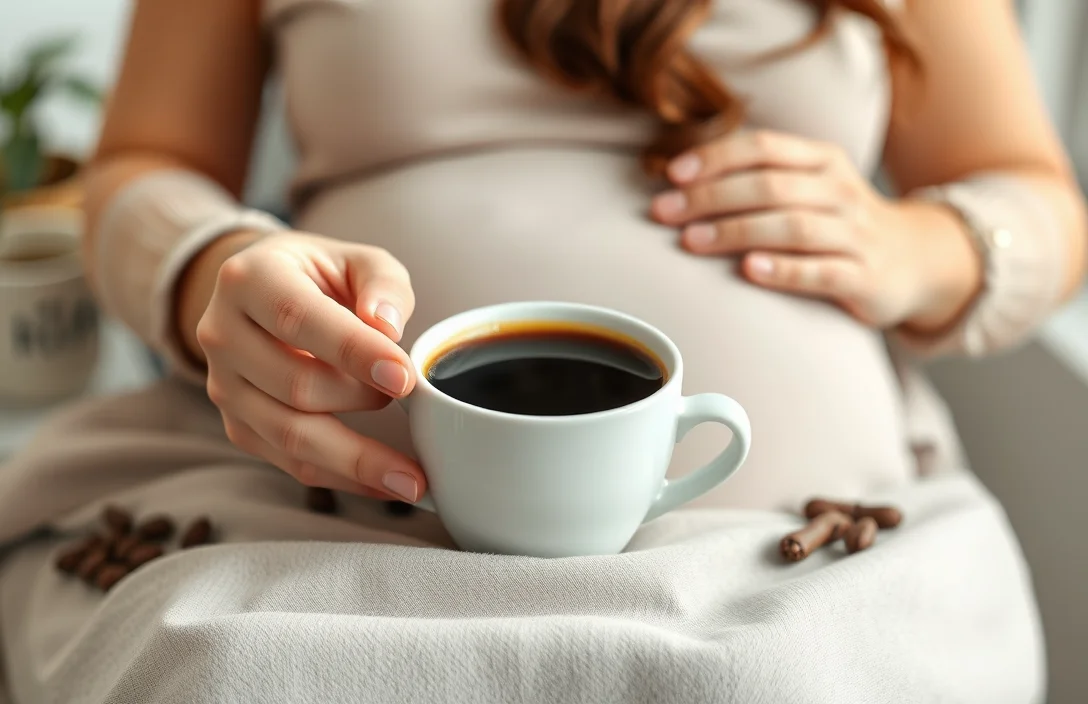
Studies indicate that consuming more than 200 mg of caffeine daily during pregnancy can increase the risk of miscarriage and low birth weight. Drinking black coffee, a common source of caffeine, requires careful consideration and moderation when it comes to expecting mothers.
Research highlights that moderate caffeine intake is generally accepted, with 200 mg as the recommended limit. Pregnant individuals should monitor total caffeine from all sources, including tea, chocolate, and soft drinks.
Caffeine Effects on Pregnancy Health
Caffeine consumption impacts pregnancy outcomes significantly. Pregnant individuals should understand how caffeine affects fetal development and maternal health. Research suggests that high caffeine intake can lead to complications such as low birth weight, preterm birth, and even miscarriage. Monitoring caffeine from all sources, including black coffee, becomes crucial for a healthy pregnancy.
- Caffeine crosses the placenta easily. Research shows that caffeine can reach the fetus, where it may affect development. The fetus metabolizes caffeine much slower than an adult, increasing potential risks.
- Increased heart rate may occur. Consuming caffeine can elevate heart rates in both the mother and fetus, which could lead to stress during pregnancy.
- Potential for elevated blood pressure exists. High caffeine intake may contribute to increased blood pressure, posing risks to both maternal and fetal health.
- Risk of dehydration can rise. Caffeine acts as a diuretic, which may result in fluid loss. Proper hydration is essential during pregnancy, making this factor important.
- Possible sleep disturbances might happen. Consuming black coffee can interfere with sleep patterns, leading to fatigue and affecting overall well-being during pregnancy.
Recommended Caffeine Limits for Pregnant Women
Pregnant women should limit caffeine intake to safeguard their health and that of their developing baby. Experts advise keeping consumption below 200 milligrams per day, which is roughly equivalent to a 12-ounce cup of brewed coffee. This guideline helps mitigate potential risks associated with high caffeine levels during pregnancy.
- Monitor daily caffeine sources closely. Black coffee isn’t the only source; consider tea, chocolate, and certain medications.
- Consult healthcare professionals for personalized advice. Engaging with a doctor can clarify individual needs and safe limits.
- Gradually reduce caffeine if necessary. If you typically consume more than recommended, tapering off can reduce withdrawal symptoms.
- Consider timing of caffeine intake. Spreading consumption throughout the day may minimize any adverse effects.
- Stay hydrated with non-caffeinated options. Water and herbal teas can help maintain hydration levels and support overall health.
Exploring Alternatives to Black Coffee
Herbal teas provide excellent caffeine-free alternatives during pregnancy. Varieties like chamomile, ginger, and peppermint not only offer flavor but also may soothe common pregnancy symptoms. Always ensure the herbal options are safe by checking with a healthcare provider, as some herbs can have undesired effects.
Decaf coffee serves as another option for those who enjoy the taste of coffee without the caffeine. This beverage mimics the flavor of traditional coffee while minimizing caffeine intake. Opt for organic decaf varieties to avoid potential chemicals during the decaffeination process.
Fruit-infused water offers a refreshing and healthy choice. Simply combine slices of fruits like lemon, berries, or cucumber in water for added flavor without caffeine. This method encourages hydration, which is particularly important during pregnancy.
Coconut water stands out due to its natural sweetness and electrolyte content. It hydrates effectively and provides essential nutrients, making it a suitable beverage for pregnant women. Always choose 100% natural coconut water to avoid added sugars.
Bone broth presents a nutritious alternative that is rich in minerals. This warm beverage can be soothing and beneficial for digestion, while also providing protein and hydration. Ensure the broth is homemade or sourced from a reputable provider to guarantee quality and safety.
Health Risks Associated with Excess Caffeine
Excessive caffeine intake during pregnancy poses significant health risks for both mother and baby. High levels of caffeine can lead to complications such as low birth weight, preterm delivery, and miscarriage. Pregnant women should prioritize moderation to minimize these risks and ensure a healthier pregnancy.
Increased heart rate may occur as a result of consuming too much caffeine. This can lead to anxiety, sleep disturbances, and elevated blood pressure, placing stress on both the mother and the developing fetus. Monitoring caffeine consumption helps maintain a balanced state, which is crucial during this sensitive period.
Potential developmental issues could arise from high caffeine consumption. Research indicates that excess caffeine may interfere with fetal brain development, leading to long-term cognitive effects. Limiting intake can protect the baby’s development and ensure better outcomes in infancy and beyond.
Health professionals recommend keeping caffeine consumption below 200 milligrams per day during pregnancy. This translates to roughly one 12-ounce cup of coffee. Adhering to this guideline can significantly reduce potential risks associated with drinking black coffee during pregnancy, promoting overall wellbeing.
Impact of Caffeine on Fetal Development
Excessive caffeine intake can negatively affect fetal development. Research indicates that high levels may lead to low birth weight, preterm birth, and developmental delays. Pregnant individuals should monitor their consumption closely to avoid these potential risks. Limiting black coffee to moderate levels is essential for the health of both the mother and the developing fetus.
- Studies show caffeine crosses the placenta. Pregnant women should recognize that their fetus is exposed to the same caffeine levels found in their bloodstream.
- Low birth weight is linked to high caffeine consumption. Babies born with low birth weight face increased health risks, including respiratory issues and developmental challenges.
- Preterm birth risks increase with caffeine. Some evidence suggests that excessive intake may lead to premature delivery, which can result in complications for the newborn.
- Developmental delays may result from high caffeine levels. Research indicates that caffeine might interfere with the brain development of the fetus, potentially leading to cognitive issues later in life.
- Moderating caffeine intake supports healthier outcomes. Experts recommend limiting caffeine consumption to 200 mg per day during pregnancy, which translates to about one 12-ounce cup of coffee.
Black Coffee’s Role in Morning Sickness
Reduce dose and timing: sip weak, low-acid coffee later in the morning rather than on an empty stomach to lower nausea risk. Try half-strength brews, cold-brew, or decaffeinated blends and pair with a bland snack. Track symptoms for two weeks and stop if nausea worsens; consult your clinician for persistent or severe symptoms.
- Start with half-strength brews for one week to test tolerance and note any immediate nausea or heartburn.
- Choose low-acid or cold-brew preparations to minimize gastric irritation if plain black coffee provokes queasiness.
- Sip slowly; limit intake to one small cup and avoid large, hot servings that can trigger nausea or lightheadedness.
- Pair coffee with plain crackers or toast before sipping to buffer stomach acid and reduce the chance of queasiness.
- Monitor symptoms daily and record how drinking black coffee during pregnancy affects nausea, timing, and intensity; share findings with your clinician.
Hydration Considerations with Caffeine Intake
Balancing caffeine with hydration is crucial during pregnancy. Black coffee can lead to increased urination, which may contribute to dehydration. Pregnant individuals should monitor their fluid intake, ensuring they consume enough water throughout the day to combat the diuretic effects of caffeine.
Maintaining proper hydration helps support overall health and fetal development. Aim for at least 8-10 glasses of water daily, adjusting based on activity levels and climate. Incorporating hydrating foods like fruits and vegetables can also enhance fluid intake.
Monitoring caffeine consumption is essential. Experts generally recommend limiting caffeine to 200 mg per day during pregnancy, which equates to about one 12-ounce cup of black coffee. Staying within this limit helps reduce potential risks while encouraging adequate hydration.
Incorporating herbal teas or decaffeinated beverages can also support hydration efforts. These alternatives provide flavor without the caffeine content, allowing for enjoyable hydration choices. Always consult a healthcare professional before trying new drinks during pregnancy.
Quick Summary
- Moderate consumption of black coffee during pregnancy is generally considered safe.
- Caffeine intake should be limited to 200 mg per day to reduce potential risks.
- Excessive caffeine can lead to complications such as low birth weight or preterm birth.
- Individual tolerance to caffeine can vary, so pregnant women should monitor their reactions.
- Black coffee contains antioxidants, which may have health benefits, but should be consumed in moderation.
- Consulting a healthcare provider is essential for personalized advice on caffeine consumption.
- Alternatives to coffee, such as herbal teas, may provide a safer option for those concerned about caffeine intake.
Frequently Asked Questions
Is it safe to drink black coffee during pregnancy?
Moderate consumption of black coffee is generally considered safe during pregnancy. However, it’s important to limit caffeine intake to around 200 mg per day, which is roughly equivalent to one 12-ounce cup of coffee.
What are the potential risks of drinking black coffee while pregnant?
Excessive caffeine intake during pregnancy may be linked to an increased risk of miscarriage, preterm birth, and low birth weight. It’s crucial to monitor your overall caffeine consumption from all sources, including tea, soda, and chocolate.
Can black coffee affect my baby’s development?
Studies suggest that high caffeine intake may affect fetal development, particularly in the first trimester. While moderate consumption is generally safe, it’s best to consult your healthcare provider for personalized advice.
Are there any benefits to drinking black coffee during pregnancy?
Black coffee can provide a quick energy boost and may help with fatigue, which is common in pregnancy. Additionally, it contains antioxidants that can be beneficial, but moderation is key.
What are some alternatives to black coffee during pregnancy?
If you’re looking to cut back on caffeine, consider herbal teas, decaffeinated coffee, or chicory coffee as alternatives. Always check with your healthcare provider about which options are safe during pregnancy.

- Breville BES878BSS Barista Pro Espresso Machine Review: Features, Performance, and Buying Guide - October 31, 2026
- Gaggia RI9380/51 Classic Evo Pro Espresso Machine Review: Features, Performance, and What to Know Before Buying - October 31, 2026
- Gaggia RI9380/46 E24 Espresso Machine Review: Is the Brass Boiler Upgrade Worth It? - October 31, 2026