
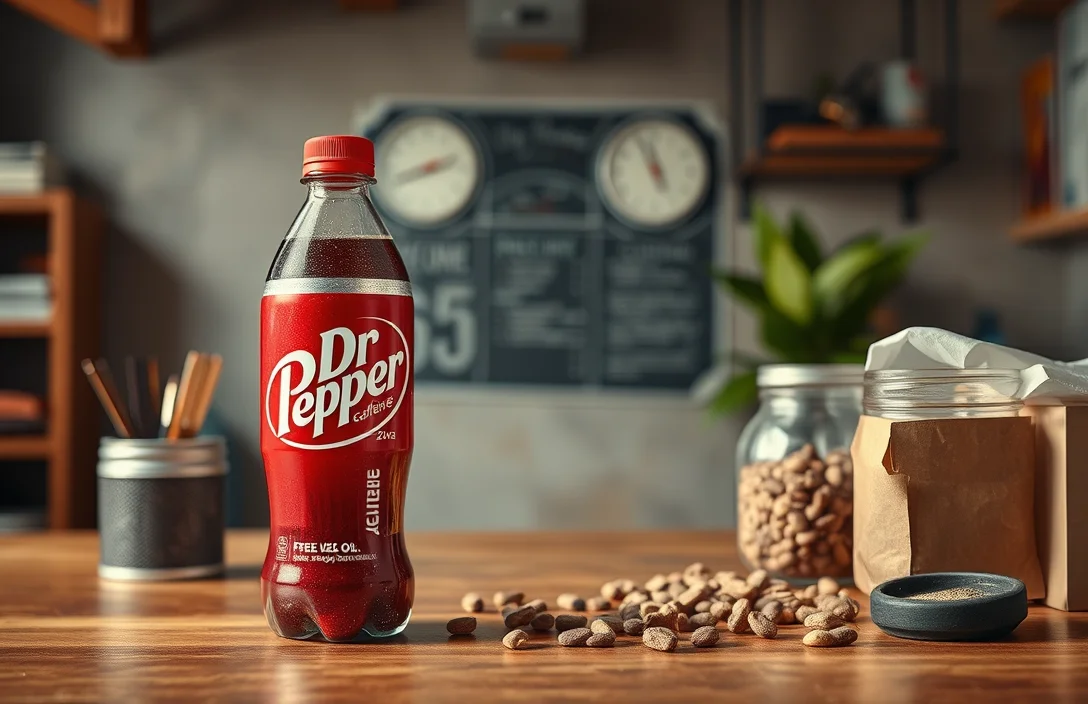
Dr Pepper contains approximately 41 milligrams of caffeine per 12 ounces, making a 20-ounce serving roughly 68 milligrams. This caffeine content is comparable to other popular soft drinks, appealing to those seeking a flavorful boost without excessive jitters.
Dr Pepper’s caffeine content: 68 mg in 20 oz. Comparison: Similar to Coca-Cola. Consider: Flavor profile and caffeine level in your daily intake.
Caffeine Content Comparison with Other Beverages
Dr Pepper contains 41 mg of caffeine per 12 oz serving. In a 20 oz container, the caffeine content increases to approximately 68 mg. This level is comparable to other popular soft drinks, making it a moderate choice for caffeine seekers.
Comparisons reveal that Coca-Cola contains about 34 mg of caffeine per 12 oz, while Pepsi offers around 38 mg. Mountain Dew stands out with 54 mg in the same serving size. These figures highlight Dr Pepper’s caffeine content as slightly higher than Coca-Cola and Pepsi but lower than Mountain Dew.
Evaluating energy drinks, many surpass traditional sodas significantly. For instance, a standard energy drink can provide between 80 to 160 mg per 8 oz serving. Such comparisons illustrate that while Dr Pepper offers a reasonable caffeine boost, it remains on the lower end of the spectrum when measured against energy drinks.
Overall, consumers should consider their caffeine consumption preferences when choosing beverages. Dr Pepper’s caffeine content makes it a suitable option for those wanting a moderate uplift without the intense kick of energy drinks.
Ingredients List of Dr Pepper 20oz
Caffeine in Dr Pepper comes from its unique blend of ingredients. The primary source of caffeine is the kola nut extract. Other ingredients, including carbonated water, high fructose corn syrup, and natural and artificial flavors, contribute to the overall taste but not to the caffeine content.
Kola nut extract provides a natural caffeine source, delivering a subtle kick. High fructose corn syrup serves as a sweetener, balancing the drink’s flavor without affecting caffeine levels. Each ingredient plays a critical role in creating a refreshing beverage while maintaining the caffeine content.
Flavoring agents add complexity to the drink, which includes additional botanical extracts. These flavors enhance the overall experience without influencing the caffeine. Understanding the composition of Dr Pepper allows consumers to appreciate its unique qualities, especially regarding caffeine levels.
Sweeteners, preservatives, and acids also play supportive roles. Phosphoric acid, for instance, adds acidity which can enhance the perceived freshness of the drink. While these ingredients don’t contain caffeine, they crucially maintain the drink’s stability and taste profile.
Ultimately, knowing the components of Dr Pepper helps in recognizing its caffeine contribution. The inclusion of kola nut extract as the primary source ensures that even in a 20oz serving, consumers can anticipate a moderate caffeine boost with each sip.
Health Effects of Caffeine Consumption
Caffeine consumption leads to both positive and negative health effects. While Dr Pepper’s 20oz serving contains caffeine that can boost alertness and improve concentration, excessive intake may result in negative side effects such as insomnia, increased heart rate, and anxiety.
- Moderation is crucial for health. Consuming caffeine in moderation, typically up to 400 mg per day for most adults, can mitigate risks while still providing benefits like enhanced focus and energy.
- Sleep quality can be impacted. Caffeine can disrupt sleep patterns, so avoiding it in the hours leading up to bedtime is essential for maintaining restorative sleep.
- Hydration levels may decrease. Caffeine has mild diuretic effects, which can lead to increased urination and potential dehydration. Balancing caffeine intake with water consumption is vital.
- Heart health can be influenced. While moderate caffeine consumption may have protective effects for some individuals, excessive intake can lead to elevated heart rates and increased blood pressure.
- Individual tolerance varies significantly. Genetic factors and personal health conditions affect how caffeine is metabolized. Understanding your own limits is key to enjoying it safely.
Benefits of 20oz Serving Size
Optimizing caffeine intake becomes easier with a 20oz serving. This size offers a practical balance between enjoying your favorite beverage and receiving an effective caffeine boost. With a single drink, you can satisfy cravings while benefiting from the caffeine content that helps enhance focus and energy levels.
Maximizing enjoyment from each sip is important. The larger volume allows for more carbonation and flavor, enhancing the overall drinking experience. A satisfying taste can make it more enjoyable, encouraging consumers to choose a larger size for their caffeine needs.
- Higher caffeine content provides energy.
- Longer-lasting refreshment during the day.
- Convenient for sharing or saving for later.
Choosing a 20oz size can also contribute to better hydration. While it’s not a substitute for water, having a larger drink can help maintain fluid levels throughout the day. Staying hydrated is essential for overall well-being and cognitive function.
Comparing with smaller sizes emphasizes the advantages. A 12oz can may not provide enough caffeine for some consumers, while a 20oz serving ensures a more substantial intake. Making informed choices about size can lead to more effective caffeine consumption.
Understanding Caffeine Tolerance Levels
Individuals’ caffeine tolerance levels significantly affect consumption. Tolerance develops over time as the body adapts to regular caffeine intake. Understanding your personal limits is essential to enjoy beverages like Dr Pepper without adverse effects.
- Recognize symptoms of tolerance. Increased consumption may lead to reduced sensitivity to caffeine, meaning you might require more to achieve the same energy boost.
- Assess your current intake. Regularly consuming caffeinated beverages helps gauge how much caffeine your body can handle without side effects like jitteriness or insomnia.
- Monitor changes over time. Pay attention to how different amounts of caffeine affect your focus, energy levels, and mood. Adjust consumption accordingly to maintain optimal performance.
- Experiment with breaks. Taking short breaks from caffeine can help reset your tolerance. After a few days without it, you may find lower doses more effective.
- Consult health professionals. If unsure about your caffeine consumption or experiencing negative effects, speaking to a healthcare provider can offer personalized guidance.
Understanding your own caffeine tolerance is crucial for maximizing enjoyment from drinks, like Dr Pepper, while minimizing potential discomfort or health issues.
Alternatives to Dr Pepper for Caffeine
Finding beverages that provide similar caffeine benefits can enhance your options. Many soft drinks and energy drinks deliver comparable levels of caffeine to Dr Pepper’s 20oz serving. Consider the following alternatives that offer a satisfying caffeine boost:
- Cola drinks: Classic colas like Coca-Cola or Pepsi typically contain about 30-40 mg of caffeine per 12 oz, making them a popular choice.
- Energy drinks: Brands such as Red Bull or Monster usually contain between 80-160 mg of caffeine per 8 oz, delivering a stronger kick.
- Iced tea: Bottled iced teas, like Lipton or Arizona, often have 30-70 mg of caffeine per serving and can be refreshing alternatives.
- Cold brew coffee: This option provides approximately 100-200 mg of caffeine per 8 oz, depending on the brand and brewing method.
- Yerba mate: Known for its unique flavor, yerba mate typically contains 30-50 mg of caffeine per serving, offering a natural alternative.
Exploring these options allows you to enjoy caffeine in various forms while maintaining your preferences. Each beverage has its flavor profile and caffeine content, so you can choose based on your taste and energy needs.
Consumer Preferences on Caffeine in Soft Drinks
Research indicates consumers actively seek specific caffeine levels in soft drinks. Many prefer moderate caffeine content, balancing energy needs with health considerations. Dr Pepper’s 20oz serving contains a notable caffeine amount, appealing to those desiring a mild stimulant effect without excessive jitters.
Surveys reveal taste remains paramount for soft drink choices. Flavor profiles often overshadow caffeine content, as many consumers prioritize enjoyment over energy boosts. Brands that succeed in crafting appealing flavors, like Dr Pepper, often cultivate loyal followings, regardless of exact caffeine levels.
Health-conscious consumers increasingly scrutinize caffeine intake. Many opt for lower-caffeine options, reflecting a growing awareness of dietary impacts. This shift encourages beverage companies to innovate, introducing alternatives that cater to both taste preferences and caffeine sensitivity.
Price sensitivity plays a role in consumer choices as well. Budget-conscious individuals might select larger sizes, such as the 20oz Dr Pepper, for better value. Promotions and multi-pack deals can significantly influence purchasing decisions, especially among younger demographics.
Social influences shape consumer preferences, too. Many people share recommendations through social media, impacting choices regarding caffeine-rich beverages. Peer validation can drive interest in particular brands or products, creating trends that influence market dynamics.
Daily Caffeine Intake Recommendations
Caffeine consumption should be monitored closely. Health experts recommend limiting daily intake to about 400 mg for most adults. This amount is roughly equivalent to four 8-ounce cups of brewed coffee or around ten 12-ounce cans of soda. Understanding your personal limits can help you enjoy beverages like Dr Pepper without adverse effects.
- Check your overall caffeine intake. Assess how much caffeine you consume from all sources, including coffee, tea, energy drinks, and soda.
- Consider individual tolerance levels. Everyone’s reaction to caffeine varies; some may feel jittery with small amounts while others can handle more.
- Monitor any side effects. If you experience insomnia, rapid heartbeat, or anxiety, reduce your intake and consult a healthcare professional.
- Balance your diet and hydration. Ensure you drink enough water and consume a nutritious diet to offset any potential dehydration effects of caffeine.
- Make informed choices when consuming soft drinks. If you opt for a Dr Pepper 20oz, be aware of its caffeine content and how it fits into your daily limits.
Prioritize moderation to enjoy your favorite beverages responsibly. Staying within recommended guidelines can help you avoid negative health impacts while still indulging in the flavors you love.
Quick Summary
- Dr Pepper 20oz contains approximately 41mg of caffeine per serving.
- The caffeine content is similar to that of other popular soft drinks.
- Dr Pepper is known for its unique blend of 23 flavors.
- The beverage is available in both regular and diet versions.
- Dr Pepper’s caffeine can provide a mild energy boost.
- It is often enjoyed as a refreshing beverage choice.
- Moderation is key, as excessive caffeine intake can lead to negative health effects.
Frequently Asked Questions
How much caffeine is in a 20 oz Dr Pepper?
A 20 oz bottle of regular Dr Pepper contains approximately 68 mg of caffeine, based on the brand’s listed 41 mg per 12 fl oz. Exact values can vary slightly by bottling and region, so check the nutrition label if you need a precise number.
How does that caffeine amount compare to coffee and other sodas?
Twenty ounces of Dr Pepper has less caffeine than a typical 8 oz brewed coffee (around 95 mg on average) but slightly more than many colas; for example, a 20 oz Coca-Cola is roughly in the mid-50 mg range. It’s moderate compared with other common caffeinated drinks.
How quickly will I feel the effects, and how long do they last?
Caffeine from soda is usually felt within 15–45 minutes and peaks around 30–60 minutes after consumption. The stimulant’s half-life is typically 3–5 hours, so effects can persist several hours and vary based on metabolism and sensitivity.
Is a 20 oz Dr Pepper safe for children, pregnant people, or caffeine-sensitive individuals?
Children and caffeine-sensitive people should limit or avoid caffeinated sodas; pediatric guidelines recommend very low to no caffeine for young children. Pregnant individuals are generally advised to keep total daily caffeine under about 200 mg, so a single 20 oz Dr Pepper would fit under that limit but should be counted with other sources.
Is there a caffeine-free option and how can I reduce my caffeine intake?
Yes—Caffeine-Free Dr Pepper is sold in many markets and contains no caffeine. To reduce intake, choose the caffeine-free variety, drink smaller servings, or substitute with water or noncaffeinated beverages.

- How to Steam Milk With an Espresso Machine: A Complete Beginner’s Guide - October 26, 2026
- How to Backflush an Espresso Machine: A Step-by-Step Cleaning Guide - October 26, 2026
- Is a 20 Bar Espresso Machine Good? Pressure, Performance, and Buying Guide - October 26, 2026