
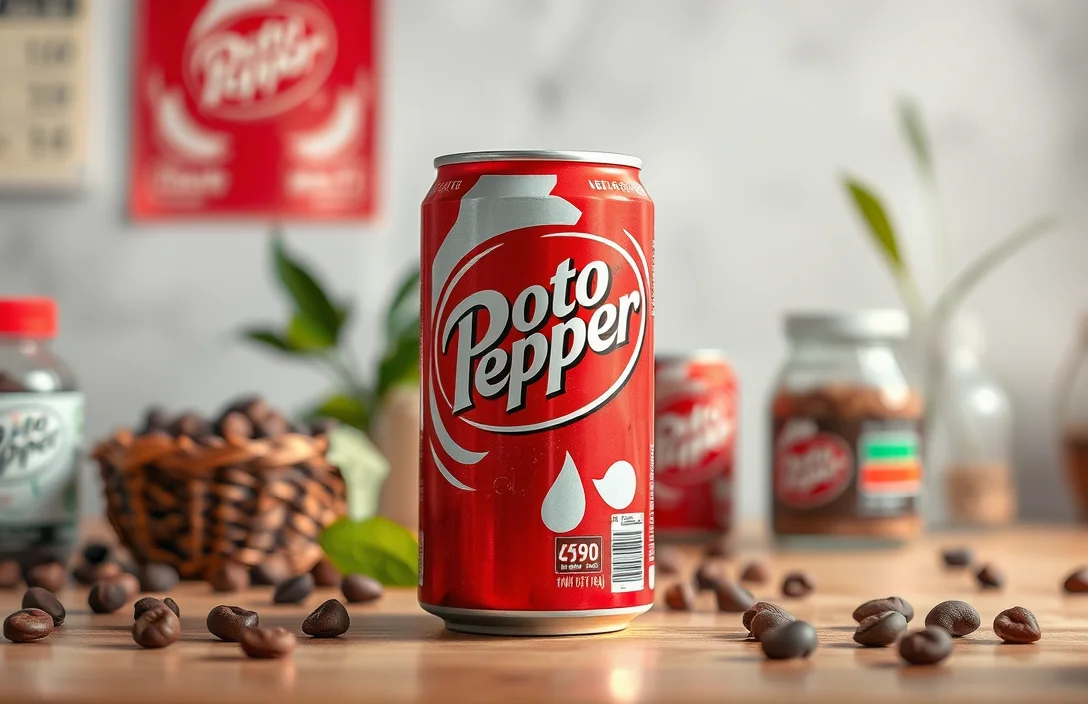
Dr Pepper contains about 41 milligrams of caffeine per 12-ounce can, making it one of the more moderate caffeinated soft drinks. This amount is lower than many other popular sodas, which can have as much as 55 milligrams per serving.
Calculating caffeine levels reveals Dr Pepper’s caffeine content is less than cola but more than root beer. Most consumers can enjoy it without excessive caffeine intake, making it a preferred choice for those monitoring their consumption.
Caffeine Content Comparison Across Brands
Dr Pepper contains approximately 41 mg of caffeine per 12 oz serving. This level is comparable to other popular soft drinks, allowing consumers to gauge their caffeine intake effectively. Many individuals appreciate its unique flavor, but its caffeine content is also a significant factor in their choices.
Comparisons reveal that Coca-Cola Classic has about 34 mg of caffeine in the same serving size, while Pepsi offers around 38 mg. Notably, Mountain Dew stands out with a higher level, providing approximately 54 mg per 12 oz. Understanding these figures can help fans of various brands make informed decisions regarding their caffeine consumption.
Analyzing caffeine levels across brands showcases Dr Pepper’s position in the market. While not the highest, its content is substantial enough to energize without overwhelming. Consumers often seek beverages that balance flavor and caffeine, making Dr Pepper a popular choice among many.
Evaluating preferences reveals that people enjoy Dr Pepper for its blend of sweetness and caffeine. This combination tends to appeal to those who appreciate both taste and a mild energy boost. Ultimately, knowledge of caffeine content can assist in selecting beverages that align with personal health goals and lifestyle choices.
Ingredients List and Caffeine Sources
Caffeine listed on ingredients equals intentional addition to the formula; it is the primary caffeine source in Dr Pepper and similar soft drinks. Natural and artificial flavors may carry trace caffeine only if derived from caffeinated botanicals, but labels rarely specify those sources. Check the ingredient line for “caffeine” or “natural flavor” and contact the manufacturer for clarity about doctor pepper caffeine content.
Health Effects of Caffeine in Dr Pepper
Caffeine impacts the central nervous system, leading to increased alertness and reduced fatigue. Regular consumption of Dr Pepper, which contains caffeine, can enhance focus and energy levels. However, moderation is key to avoid potential side effects such as jitters or anxiety, especially for sensitive individuals.
Excessive caffeine intake can lead to health issues, including insomnia and heart palpitations. Drinking multiple cans of Dr Pepper daily may contribute to these problems. Understanding your personal tolerance levels is crucial for maintaining overall well-being while enjoying this beverage.
Managing caffeine consumption effectively is vital. Limiting intake to recommended daily levels—around 400 mg for most adults—can help mitigate negative effects. Reading nutritional labels ensures awareness of caffeine content in drinks, including Dr Pepper, which typically contains about 41 mg per 12-ounce serving.
Monitoring symptoms after consumption provides valuable feedback. If feelings of anxiety or restlessness occur, reducing caffeine intake might be necessary. Staying hydrated with water alongside caffeinated beverages can also help counteract the dehydration effects of caffeine.
Caffeine Levels in Alternative Soft Drinks
Caffeine content varies significantly among popular soft drinks, providing consumers with options based on their preferences. Dr Pepper contains about 41 mg of caffeine per 12 oz serving, which places it in the mid-range of soft drink caffeine levels. For individuals seeking lower or higher caffeine options, comparisons with other beverages can be enlightening.
Coca-Cola Classic has approximately 34 mg of caffeine in a 12 oz serving, making it slightly lower than Dr Pepper. Conversely, Pepsi boasts around 38 mg, which is still below Dr Pepper’s caffeine content. In contrast, Mountain Dew contains a higher caffeine level at about 54 mg per 12 oz, appealing to those wanting more stimulation.
| Soft Drink | Caffeine (mg per 12 oz) |
|---|---|
| Dr Pepper | 41 |
| Coca-Cola Classic | 34 |
| Pepsi | 38 |
| Mountain Dew | 54 |
Consumers often choose beverages based on caffeine content, influencing their energy levels and preferences. Knowing how Dr Pepper compares helps individuals make informed decisions about their soft drink choices, balancing flavor and caffeine needs effectively.
Serving Size Impact on Caffeine Intake
12-ounce can equals one serving. Multiply milligrams per serving by the number of servings you drink to find total intake; for example, a 20-ounce bottle contains about 1.67 servings. Check the product label or manufacturer website for exact mg per serving and calculate accordingly. Doing so prevents accidental overconsumption and clarifies doctor pepper caffeine content per container.
- Read the Nutrition Facts label to find milligrams of caffeine per serving exactly.
- Note the container’s serving count so you know how many servings are in the bottle or can.
- Multiply mg per serving by servings consumed to calculate your total caffeine intake precisely.
- Compare total intake to recommended daily limits (about 400 mg for most adults) and adjust consumption.
Decaffeinated Options of Dr Pepper
Caffeine-free Dr Pepper contains zero caffeine per standard 12 fl oz can, labeled as “Caffeine Free Dr Pepper.” Choose regular or diet decaf versions and verify the Nutrition Facts panel lists 0 mg caffeine per serving. Expect the same flavor profile; caffeine is removed during production while sweeteners remain unchanged, so check ingredients if avoiding sugar or specific nonnutritive sweeteners.
Availability varies; check store labeling. Caffeine Free options appear in cans, bottles and some fountain mixes, but fountains depend on what the retailer stocks. For accurate tracking of doctor pepper caffeine content, prefer packaged products labeled “Caffeine Free 0 mg” or verify manufacturer product pages for exact lab nutrition panels.
Consumer Trends Surrounding Caffeine Preferences
Preference for caffeine levels varies significantly among consumers. Many drinkers opt for beverages with moderate caffeine content, seeking a balance between flavor and energy. Dr Pepper appeals to this demographic, as its caffeine content aligns well with the moderate expectations of those looking for a refreshing soft drink without excessive stimulation.
Market research indicates a growing trend towards transparency in caffeine content. Consumers increasingly favor brands that clearly label their caffeine levels, allowing them to make informed choices. This trend has prompted soft drink manufacturers, including those producing Dr Pepper, to highlight their caffeine content on packaging, catering to health-conscious consumers.
Health concerns are shaping caffeine preferences as well. A segment of the population actively seeks lower caffeine options or caffeine-free alternatives. This shift has led to the introduction of decaffeinated versions of popular drinks, meeting the demands of those who wish to limit their intake while still enjoying familiar flavors.
Social media influences consumer decisions regarding caffeine consumption. Reviews, recommendations, and discussions about caffeine preferences have proliferated across platforms, impacting brand perception and choice. Dr Pepper’s unique flavor profile and caffeine content often feature prominently in these conversations, driving interest and sales among targeted demographics.
Myths Surrounding Dr Pepper’s Caffeine Content
Consumers often believe Dr Pepper contains significantly more caffeine than it actually does. Many assume that because it is a cola, it rivals other caffeinated beverages like energy drinks or coffee. In reality, its caffeine levels are comparable to that of other soft drinks, and it features a moderate amount of caffeine per serving.
Claims about Dr Pepper being uniquely high in caffeine are misleading. Most variations of this drink contain about 41 mg of caffeine in a 12-ounce serving, which is similar to or even less than other popular sodas. The perception of higher caffeine levels may stem from marketing or flavor associations rather than actual caffeine content.
Comparisons with energy drinks often exaggerate differences. Energy drinks can contain up to three times the caffeine found in Dr Pepper, leading to misconceptions about its potency. Understanding these distinctions is essential for consumers looking to manage their caffeine intake effectively.
Recognizing that many factors influence caffeine sensitivity can clarify misunderstandings. Individual tolerance to caffeine varies widely, and some may feel more stimulated by Dr Pepper than others. This subjective experience can contribute to the myth of its excessive caffeine content.
Ultimately, staying informed about actual caffeine levels helps consumers make better choices. By examining nutritional labels and understanding the facts, drinkers can enjoy Dr Pepper without concern over excessive caffeine consumption.
Quick Summary
- Doctor Pepper contains approximately 41 mg of caffeine per 12 oz (355 ml) serving.
- This caffeine content is similar to other popular soft drinks, such as Coca-Cola and Pepsi.
- Doctor Pepper is marketed as a unique flavor beverage, with a blend of 23 flavors.
- The caffeine in Doctor Pepper can contribute to increased alertness and energy levels.
- Moderate consumption of caffeine is generally considered safe for most adults.
- Individuals sensitive to caffeine should monitor their intake of Doctor Pepper and similar beverages.
- Diet versions of Doctor Pepper typically contain no caffeine or reduced caffeine levels.
Frequently Asked Questions
What is the caffeine content in Dr Pepper?
A standard 12-ounce (355 ml) can of Dr Pepper contains approximately 41 milligrams of caffeine. This is similar to other soft drinks, but less than what you would find in an average cup of coffee.
How does Dr Pepper’s caffeine compare to other sodas?
Dr Pepper’s caffeine content is relatively moderate compared to other sodas. For instance, a 12-ounce can of Coca-Cola contains about 34 milligrams of caffeine, while Mountain Dew has around 54 milligrams.
Is there a caffeine-free version of Dr Pepper?
Yes, there is a caffeine-free version of Dr Pepper available. This option allows consumers to enjoy the same unique flavor without the caffeine content.
How much caffeine is in a 20-ounce bottle of Dr Pepper?
A 20-ounce (591 ml) bottle of Dr Pepper contains roughly 69 milligrams of caffeine. This amount is proportionate to the larger serving size compared to a standard can.
Can I find Dr Pepper in decaffeinated options?
Currently, Dr Pepper does not offer a decaffeinated version in the same way some other sodas do. However, the caffeine-free variant is a suitable alternative for those looking to reduce their caffeine intake.

- Rocket R NINE ONE Edizione Speciale: Features and Buying Guide - October 25, 2026
- LUCCA A53 Mini V2 Espresso Machine: Features and Buying Guide - October 25, 2026
- Caffena Coffee Nuova Simonelli Appia Life 2GR Espresso Machine: Features and Buying Guide - October 25, 2026