
⚡ Quick Answer
A Twinings English Breakfast tea bag contains approximately 14 mg to 47 mg of caffeine per 8 oz cup. The exact amount depends on how long you steep the bag: a 1-minute steep yields ~14 mg, a 3-minute steep ~22 mg, and a full 5-minute steep up to ~47 mg. That is roughly half the caffeine of a standard cup of coffee (95 mg).
Whether you are making the switch from coffee, tracking your daily caffeine intake, or simply curious about what is in your morning mug, understanding the caffeine content of Twinings English Breakfast tea is more nuanced than a single number. Unlike coffee — where a standard cup reliably delivers around 95 mg of caffeine — the caffeine in a Twinings tea bag is a variable shaped entirely by the way you brew it.
This comprehensive guide answers the question definitively, explains every factor that influences caffeine levels, compares Twinings English Breakfast to other teas and coffee, examines the health benefits of its caffeine and compound profile, and offers practical guidance for people in specific situations — from pregnant women to caffeine-sensitive individuals. By the end, you will know exactly how to tailor your cup to your precise needs.
How Much Caffeine Is in One Twinings English Breakfast Tea Bag?
The caffeine in a single Twinings English Breakfast tea bag ranges from as low as 14 mg for a brief one-minute steep, up to 47 mg or more for a longer, full-strength brew. This range exists because caffeine is a water-soluble compound: the longer the tea bag sits in hot water, the more caffeine is released into your cup.
Twinings North America states officially that each cup of English Breakfast tea contains an average of 47 mg of caffeine — compared to approximately 95 mg in a standard cup of drip coffee. The UK-facing Twinings website places the broader range at 47–90 mg per cup, reflecting the full variability introduced by brewing conditions. Independent research suggests the more conservative figure of 14–25 mg for standard tea bag usage at shorter steep times — which aligns with how most people brew at home: two to three minutes rather than the maximum five.
The most practical way to think about it: your Twinings English Breakfast tea bag will deliver somewhere between half and a full espresso shot’s worth of caffeine in a typical cup, depending entirely on how you make it.
Twinings English Breakfast Caffeine by Steeping Time
Steeping time is the single biggest lever you have over the caffeine content of your cup. Here is how the figures break down across common brewing durations:
| Steep Time | Caffeine (mg) | Strength | Best For |
|---|---|---|---|
| 1 minute | ~14 mg | Very mild | Caffeine-sensitive people |
| 2 minutes | ~18 mg | Mild | Afternoon drinking |
| 3 minutes | ~22 mg | Medium | Standard daily cup |
| 4 minutes | ~30–35 mg | Strong | Mid-morning energy boost |
| 5 minutes | ~25–47 mg | Full strength | Maximum energy, rich flavour |
How Does the Tea Bag Format Affect Caffeine?

Twinings English Breakfast tea bags contain CTC (cut, torn, and curl) processed leaves rather than whole leaves. This industrial process breaks the leaf into very small particles, dramatically increasing the surface area exposed to hot water. More surface area means faster, more efficient caffeine extraction — which is why a tea bag delivers a meaningful caffeine hit in just two to three minutes, while a whole-leaf brew might take four to five minutes to reach the same level.
The blend is made primarily from Assam, Kenyan, and occasionally Ceylon black tea leaves. Assam leaves, grown in northeast India, naturally carry some of the highest caffeine concentrations among all tea origins — the tropical growing conditions, altitude, and full oxidation during processing all contribute to higher caffeine density. Kenyan tea adds briskness and deep coppery colour, along with its own caffeine contribution. The combined effect is a tea bag that consistently delivers a satisfying and noticeable caffeine lift, even at moderate steep times.
Does Adding Milk or Sugar Change the Caffeine?
No. Adding milk or sugar to your Twinings English Breakfast does not reduce its caffeine content. Caffeine molecules are already fully dissolved in the liquid by the time anything is added to your mug. Milk may make the flavour feel milder, but the total milligrams of caffeine in the cup remain exactly the same. The only genuine ways to reduce caffeine are: shorter steeping time, cooler water, or switching to the Twinings Decaffeinated English Breakfast, which contains approximately 5 mg of caffeine per cup.
Twinings English Breakfast vs. the Decaf Version: Caffeine Comparison
Twinings offers a Decaffeinated English Breakfast tea that uses an approved decaffeination process to remove the vast majority of caffeine from the leaves. The resulting caffeine content drops to approximately 5 mg per cup — less than one-tenth of the standard version at full strength. This is the ideal option for evening drinking, for those sensitive to caffeine, or for anyone required to observe strict daily caffeine limits for medical reasons. The decaf version retains much of the recognisable flavour depth of the blend, though most tea drinkers notice a slight reduction in body and richness.
Factors That Affect Caffeine Levels in Your Twinings English Breakfast

No two cups of Twinings English Breakfast contain exactly the same amount of caffeine, even from the same box of bags. The final milligram count is determined by a combination of brewing variables that interact with each other. Understanding these gives you precise control over how much caffeine you consume per cup.
Water Temperature and Its Impact on Caffeine Extraction
Water temperature is one of the most direct determinants of caffeine extraction efficiency. Caffeine dissolves more readily in hotter water — boiling water at 100°C (212°F) extracts caffeine almost immediately from the finely cut leaves inside a Twinings bag. Water at 80–85°C will extract considerably less caffeine in the same time frame, producing a genuinely lighter cup.
The standard recommendation for black teas like Twinings English Breakfast is freshly boiled water. This ensures both optimal caffeine extraction and the best flavour development. For those deliberately managing caffeine: allowing boiled water to sit for 60–90 seconds before pouring can reduce the water temperature by approximately 5–10°C, meaningfully lowering extraction rate without significantly impacting flavour.
The Role of Water Volume and Cup Size
The amount of water per tea bag affects the concentration of caffeine per sip — though not the total milligrams extracted from the bag. A standard 8 fl oz (240 ml) cup is the reference point used for most caffeine measurements. Using a large 500 ml mug with the same single bag dilutes the concentration per sip, but the total caffeine in the cup remains roughly the same. Where volume genuinely matters is in shared pots: a two-bag pot shared between two people gives each person approximately one full-strength cup’s worth of caffeine.
Tea Bag vs. Loose Leaf: Which Has More Caffeine?

Loose leaf Twinings English Breakfast uses larger-cut leaves with less surface area than the finely broken CTC leaves inside a tea bag. This means that at the same steep time, a bag typically extracts more caffeine than an equivalent weight of loose leaf. A well-steeped loose leaf cup (four to five minutes with properly hot water) will eventually reach comparable caffeine levels, but for quick two to three-minute brewing, the tea bag is the more efficient caffeine delivery format.
Twinings also offers a Golden Tips loose leaf English Breakfast, using the youngest, most tender leaf tips. These are naturally higher in both caffeine and flavour compounds, meaning a well-brewed Golden Tips cup may deliver caffeine toward the higher end of the English Breakfast range.
Pyramid Bags vs. Standard Flat Bags
Twinings English Breakfast is available in both standard flat bags and premium pyramid-shaped bags. The pyramid format allows larger-cut leaves more room to expand and circulate in hot water, producing a slightly more nuanced flavour. In terms of caffeine, however, the standard flat bags — which contain finer CTC-cut leaves — tend to extract caffeine slightly faster due to their greater surface area. The practical difference at a standard three to five-minute steep is negligible for most drinkers.
Twinings English Breakfast Caffeine vs. Coffee and Other Teas
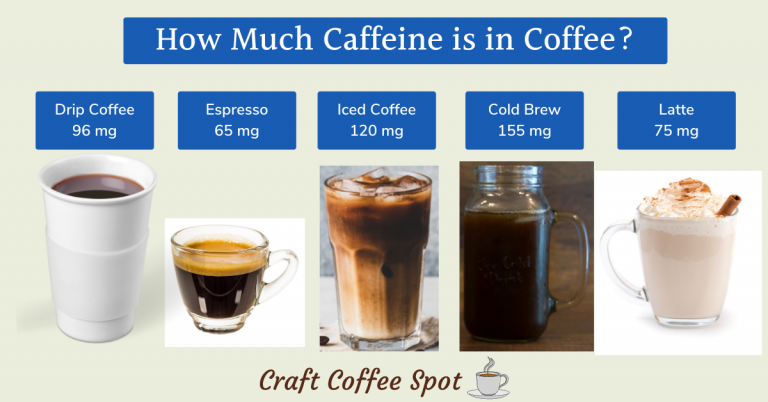
One of the most common questions people have is how Twinings English Breakfast stacks up against coffee and other popular caffeinated drinks. This comparison is important for anyone managing daily caffeine intake, transitioning away from coffee, or simply making informed choices about their morning beverage.
Caffeine Comparison Table: Twinings English Breakfast vs. Popular Drinks
| Beverage | Caffeine per 8 oz cup | vs. Twinings EBT |
|---|---|---|
| Twinings English Breakfast (standard) | 14–47 mg | Baseline |
| Twinings English Breakfast (decaf) | ~5 mg | ~90% less |
| Green tea | 20–45 mg | Similar or slightly less |
| White tea | 15–30 mg | Less |
| Matcha (per serving) | 40–80 mg | Similar to higher |
| Earl Grey (Twinings) | 40–70 mg | Similar |
| Espresso (1 shot / 1 oz) | 63 mg | Higher per oz |
| Drip coffee (8 oz) | ~95 mg | Roughly double |
| Energy drink (8 oz) | 80–150 mg | Higher |
| Cola (12 oz can) | 34–46 mg | Similar total |
Is Twinings English Breakfast Stronger Than Green Tea?
In terms of caffeine, Twinings English Breakfast generally contains more caffeine than green tea, though the gap is smaller than many people expect. Green tea typically delivers 20–45 mg per cup, while a standard Twinings English Breakfast brew at three minutes delivers approximately 22 mg, with a full five-minute brew reaching up to 47 mg. The key difference is not just quantity but character: English Breakfast is a fully oxidised black tea, giving it a darker, malt-forward flavour and a slightly more assertive caffeine presence alongside its L-theanine content.
Green teas tend to contain proportionally more L-theanine relative to caffeine, which some people find produces an even calmer, more focused alertness than black tea. However, for someone who prefers a robust morning brew with milk, Twinings English Breakfast offers a distinctly satisfying experience that green tea cannot replicate.
Twinings English Breakfast vs. Coffee: Making the Switch
At 47 mg of caffeine per cup (average), English Breakfast delivers roughly half the caffeine of a standard 8 oz drip coffee at 95 mg. This makes the transition from coffee to tea gradual rather than abrupt — most people can replace one to two cups of coffee with English Breakfast without significant withdrawal symptoms, because they still receive a meaningful caffeine dose.
The addition of L-theanine in the tea makes this switch particularly effective. Many former coffee drinkers report fewer instances of jitteriness and afternoon energy crash when switching to English Breakfast, while still feeling alert and mentally sharp. Caffeine and L-theanine work synergistically in black tea to produce what researchers describe as clean, sustained focus — without the spike-and-crash cycle of high-caffeine beverages.
How Much Caffeine Can You Have Per Day? (Daily Limit Guide)
Health authorities including the NHS (UK) and the FDA (USA) recommend a maximum daily caffeine intake of 400 mg for healthy adults. At the average of 47 mg per cup, you could drink up to eight cups of Twinings English Breakfast per day and remain within the safe limit. At the shorter-steep 22 mg figure, the safe limit extends even further. For context, typical adults in the UK drink two to four cups of tea per day — putting them comfortably within safe thresholds.
Health Benefits of Caffeine and Compounds in Twinings English Breakfast Tea
Beyond its caffeine content, Twinings English Breakfast is a nutritionally active beverage. Its black tea base is rich in bioactive compounds that have been studied extensively for their effects on cardiovascular health, cognitive function, gut health, and metabolic performance. Understanding these compounds helps you see why English Breakfast tea is far more than simply a caffeinated morning habit.
L-Theanine and Caffeine: The Synergy That Makes Tea Special
The most important compound to understand alongside caffeine in Twinings English Breakfast is L-theanine. This naturally occurring amino acid is found almost exclusively in teas made from the Camellia sinensis plant, which includes all black, green, white, and oolong teas. L-theanine promotes the production of alpha brainwaves — the neural oscillation pattern associated with a relaxed yet alert mental state, similar to meditation.
When caffeine and L-theanine are consumed together — as they naturally are in every cup of Twinings English Breakfast — the combination produces a distinctively stable form of mental clarity and focus. Clinical research has confirmed that this pairing improves performance on attention, reaction time, and working memory tasks, while significantly reducing the subjective sense of jitteriness or anxiety that caffeine alone can produce. This is why many people describe the energy from black tea as “cleaner” or more balanced than coffee, even when the caffeine milligram count is comparable.
L-theanine also contributes to stress management by supporting reductions in cortisol — the body’s primary stress hormone. Regular consumption of black tea has been associated in several studies with lower cortisol responses in stressful situations, making your morning cup of Twinings not only an energy tool but a potential resilience-building ritual.
Antioxidants, Polyphenols, and Heart Health
Twinings English Breakfast, as a fully oxidised black tea, contains a unique antioxidant profile distinct from green or white tea. The oxidation process produces specific polyphenol compounds called theaflavins and thearubigins, not found in green tea, which are associated with specific cardiovascular benefits. Theaflavins have been shown in research to support reduction of LDL (bad) cholesterol — one study suggested regular black tea consumption could reduce LDL by approximately 11%.
The flavonoids present in English Breakfast tea — the same family of antioxidants found in red wine and dark chocolate — have been associated with a reduced risk of heart disease. Research from UCLA Health notes that flavonoids reduce heart disease risk by approximately 8% in regular consumers. The antioxidant activity also aids in neutralising free radicals: unstable molecules that contribute to cell damage, inflammation, and the development of chronic disease.
Gut Health, Blood Sugar, and Metabolic Benefits
Black tea polyphenols pass through to the large intestine relatively intact, where they are fermented by gut bacteria and act as prebiotics — selectively feeding beneficial bacterial species while inhibiting harmful ones. Research published in clinical nutrition journals has identified that regular black tea consumption promotes the growth of beneficial gut bacteria, supporting a diverse and healthy gut microbiome with downstream effects on immunity, mood regulation, and metabolic health.
Several studies have also found that black tea consumption improves blood glucose management. Drinking unsweetened Twinings English Breakfast has been shown to reduce post-meal blood sugar spikes in both healthy adults and pre-diabetic individuals. The polyphenols appear to inhibit certain enzymes involved in carbohydrate digestion, slowing glucose absorption. For people monitoring blood sugar — including those with Type 2 diabetes or metabolic syndrome — a cup of English Breakfast tea at mealtimes may offer modest but measurable benefits.
The caffeine in black tea also contributes to metabolic activity. Caffeine stimulates thermogenesis — the body’s heat production process — and facilitates the release of fatty acids from fat cells (lipolysis). In the context of a balanced lifestyle, regular moderate consumption of caffeinated English Breakfast tea may provide gentle metabolic support alongside these broader health benefits.
Who Should Monitor Their Caffeine Intake from Twinings English Breakfast?

For the vast majority of healthy adults, Twinings English Breakfast tea is a safe and healthful beverage. However, certain groups should be more mindful of their intake and may benefit from specific guidance.
Key Groups Who Should Watch Their English Breakfast Tea Caffeine
- Pregnant women: The NHS recommends limiting caffeine to 200 mg per day during pregnancy. A lightly steeped cup of Twinings English Breakfast (14–22 mg) fits comfortably within this limit, but all sources of caffeine — coffee, chocolate, cola, and energy drinks — must be counted together. Women who drink multiple cups per day alongside other caffeinated foods should be cautious.
- Caffeine-sensitive individuals: Some people metabolise caffeine more slowly due to genetic variants in the CYP1A2 enzyme. Even 14–22 mg in a lightly brewed English Breakfast may produce noticeable effects including palpitations, anxiety, insomnia, or headaches. A very short steep (one minute) or the decaf variety is advisable.
- People with anxiety disorders: Caffeine can exacerbate anxiety symptoms. While the 14–47 mg range is low compared to coffee, individuals with generalised anxiety disorder or panic disorder may still find even this amount provocative. Monitoring symptoms and adjusting steep time accordingly is recommended.
- Those with sleep difficulties: Caffeine has a half-life of approximately five to six hours in most adults — meaning half the caffeine from a 3 pm cup is still active at 8–9 pm. People struggling with insomnia or poor sleep quality should cut off caffeine consumption by early afternoon, or switch to Twinings decaf for evening cups.
- People on certain medications: Several medications interact with caffeine, including certain antibiotics (particularly fluoroquinolones), some blood pressure medications, thyroid hormone treatments, and lithium. These interactions can amplify caffeine’s stimulating effects or reduce drug efficacy. Individuals taking any of these should consult their doctor about appropriate daily caffeine limits.
- Children and teenagers: No safe caffeine level has been established for young children. Adolescents are generally advised to keep caffeine below 100 mg per day. While a single lightly brewed cup is unlikely to cause harm to a teenager, habitual multiple-cup daily consumption is worth monitoring.
How to Reduce Caffeine in Twinings English Breakfast Without Losing Flavour
If you enjoy the taste of Twinings English Breakfast but want less caffeine, the following strategies allow you to manage your intake without significantly sacrificing the experience:
- Shorten your steep time: Removing the bag after 60–90 seconds cuts caffeine roughly in half compared to the three-minute standard, while still delivering the characteristic malt and warmth of the blend.
- Use slightly cooler water: Allowing boiled water to sit for 60 seconds before pouring reduces the extraction rate. Combine this with a shorter steep for the most significant caffeine reduction.
- Try the caffeine wash technique: Steep the bag for 30 seconds in hot water, discard that water, then re-steep in fresh hot water for the full flavour development. This removes a portion of the caffeine — though also some flavour compounds.
- Switch to Twinings Decaffeinated English Breakfast: At approximately 5 mg per cup, this remains the most reliable low-caffeine option. It retains the blend’s recognisable depth and allows unlimited consumption throughout the day with negligible caffeine impact.
How Many Cups of Twinings English Breakfast Is Safe Per Day?
For most healthy adults, one to four cups of Twinings English Breakfast per day is a well-supported, safe intake that provides meaningful health benefits without approaching daily caffeine limits. At the average 47 mg per cup, four cups deliver 188 mg — less than half the recommended daily maximum of 400 mg. Even at the Twinings-stated upper range of 90 mg per cup under maximum steeping conditions, four cups would reach 360 mg — still within the safe limit.
British Tea Centre guidance suggests one to three cups per day provides a good balance of alertness, flavour enjoyment, and health benefit without any meaningful caffeine-related risk for healthy, non-sensitive adults. Those who are caffeine-sensitive or fall into any of the monitored groups above should adjust their intake accordingly, using the brewing modifications outlined above.
Final Answer: How Much Caffeine Is in a Twinings English Breakfast Tea Bag?
A Twinings English Breakfast tea bag contains between 14 mg and 47 mg of caffeine per standard 8 oz cup. The precise amount is determined primarily by steeping time: a one-minute brew delivers approximately 14 mg, a three-minute brew approximately 22 mg, and a full five-minute steep up to 47 mg. The official Twinings average figure is 47 mg per cup — roughly half the 95 mg found in a standard cup of drip coffee.
The blend — combining Assam, Kenyan, and sometimes Ceylon black tea leaves — positions itself at the moderate-to-high end of the black tea caffeine spectrum. Its caffeine works in synergy with L-theanine to produce sustained, calm focus rather than the spike-and-crash pattern associated with high-dose coffee. The polyphenols, theaflavins, and flavonoids in the tea add significant health value beyond caffeine alone, supporting cardiovascular health, gut microbiome diversity, blood sugar regulation, and cognitive function.
For most healthy adults, one to four cups of Twinings English Breakfast per day sits comfortably within safe caffeine limits, while delivering meaningful antioxidant and metabolic benefits. Those in specific groups — pregnant women, caffeine-sensitive individuals, or those on relevant medications — should factor in total daily caffeine from all sources and consider shorter steep times or the decaffeinated variety accordingly.

- Rocket R NINE ONE Edizione Speciale: Features and Buying Guide - October 25, 2026
- LUCCA A53 Mini V2 Espresso Machine: Features and Buying Guide - October 25, 2026
- Caffena Coffee Nuova Simonelli Appia Life 2GR Espresso Machine: Features and Buying Guide - October 25, 2026