
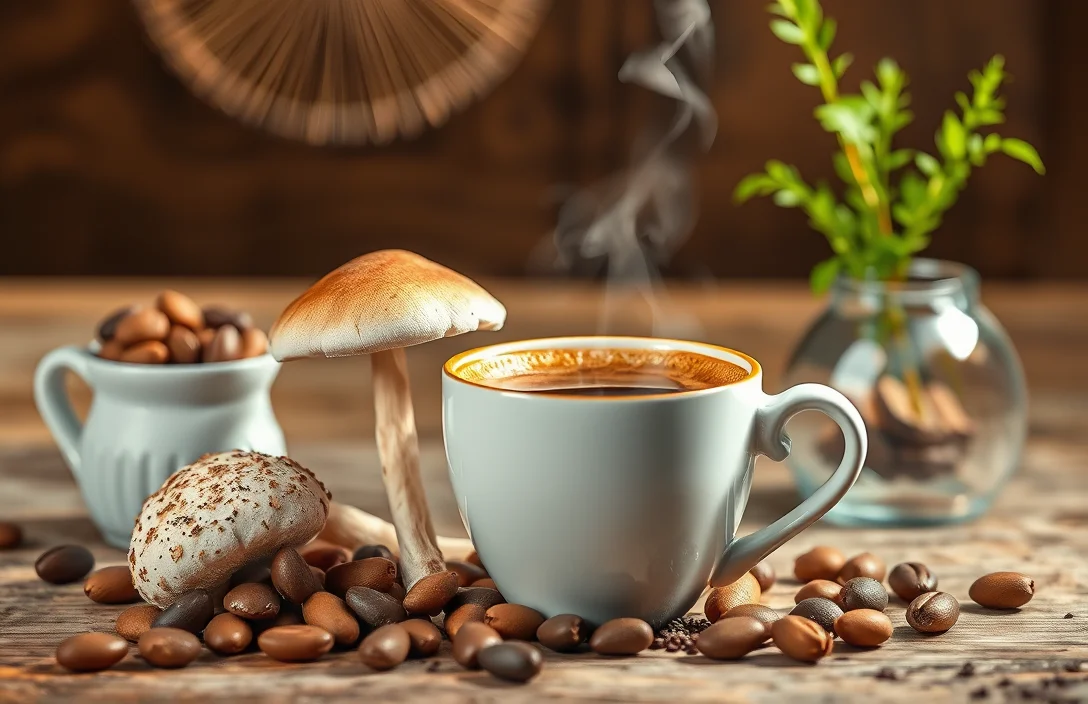
Mushroom coffee can contain caffeine, but the amount varies significantly. While traditional coffee typically has about 95 mg of caffeine per cup, mushroom coffee blends might have less, depending on the type of mushrooms and the coffee used in the mix.
Mushroom coffee is often made from coffee beans blended with mushroom extracts like lion’s mane or chaga. While it often has lower caffeine levels than regular coffee, some brands can still provide a mild caffeine boost.
What is Mushroom Coffee
Mushroom coffee combines ground coffee with medicinal mushrooms, offering a unique beverage. Popular varieties include chaga, lion’s mane, and reishi, each known for distinct health benefits. This blend aims to enhance focus, boost immunity, and reduce stress while providing a rich flavor profile. Many consumers are attracted to its potential advantages over traditional coffee.
Ingredients in mushroom coffee vary, but typically include dried and powdered mushrooms mixed with coffee grounds. The mushrooms are chosen for their adaptogenic properties, which may help the body adapt to stressors. Coffee provides a familiar taste while the mushrooms add a nutritional boost, making this drink appealing to health-conscious individuals.
Health enthusiasts often prefer this alternative due to its lower caffeine content compared to regular coffee. While traditional coffee can cause jitters and anxiety, mushroom coffee promotes a smoother energy experience. This makes it an attractive option for those seeking sustained energy levels without the crash commonly associated with caffeine.
Caffeine Content Comparison
Mushroom coffee typically contains minimal caffeine compared to traditional coffee. Most blends include either a small amount of coffee or rely solely on mushroom extracts, which generally have no caffeine. For those sensitive to caffeine, mushroom coffee serves as a viable alternative while still providing potential health benefits.
Popular varieties of mushroom coffee usually contain about 30 to 50 milligrams of caffeine per serving if blended with regular coffee. In contrast, a standard cup of brewed coffee can have 95 milligrams or more. This significant difference makes mushroom coffee appealing for individuals seeking a gentler stimulant effect.
Manufacturers often blend different mushrooms, such as lion’s mane or chaga, with coffee to enhance flavor without drastically increasing caffeine levels. Consumers should check specific product labels for precise caffeine content, as formulations can vary widely across brands.
Health-conscious individuals may find that mushroom coffee provides an energy boost without the jitters commonly associated with higher caffeine levels. By opting for this alternative, users can enjoy a unique flavor profile while minimizing potential side effects of caffeine consumption.
Benefits of Mushroom Coffee
Mushroom coffee offers various health advantages beyond its caffeine content. Rich in antioxidants, it helps combat oxidative stress and supports overall well-being. Consuming this beverage may enhance cognitive function, improve focus, and boost energy levels without the jitters commonly associated with traditional coffee.
Adaptogens found in mushrooms contribute significantly to stress reduction. These natural compounds help the body adapt to stressors and promote a sense of calm. Incorporating mushroom coffee into your routine can lead to improved mood and emotional balance, making daily challenges more manageable.
Bioactive compounds in mushrooms may also enhance immune function. Regular consumption can support your body’s defenses, helping to fend off illnesses. This immunity-boosting property adds to the appeal of mushroom coffee, especially during cold and flu seasons.
Incorporating mushroom coffee into your diet can support digestive health. Certain mushrooms promote healthy gut bacteria, which is essential for proper digestion and nutrient absorption. A healthy gut can lead to improved overall health and vitality.
Ultimately, mushroom coffee serves as a versatile alternative to traditional coffee. Its unique blend of flavors and health benefits makes it an appealing choice for those seeking a healthier lifestyle while enjoying a warm beverage. Consider making the switch for a more balanced approach to your daily caffeine intake.
Types of Mushrooms Used
Various mushrooms contribute unique flavors and benefits to mushroom coffee. Common varieties include Lion’s Mane, Chaga, Cordyceps, and Reishi. Each type offers distinct characteristics, enhancing not only the taste but also potential health advantages. Understanding these differences helps consumers choose the right blend for their needs.
Lion’s Mane, known for its cognitive benefits, may aid focus and memory. This mushroom contains compounds that support brain health, making it a popular choice for those seeking mental clarity. Pairing it with coffee can create a stimulating beverage that avoids the jitters associated with traditional caffeine sources.
Chaga, another frequently used mushroom, has powerful antioxidant properties. Often consumed for its immune-boosting effects, it can enhance the overall health profile of mushroom coffee. Many appreciate its earthy flavor, which blends well with coffee, creating a rich, enjoyable drink.
Cordyceps is recognized for boosting energy and athletic performance. Incorporating it into coffee can provide a natural energy lift without the crash linked to conventional caffeine. Consumers interested in enhancing their physical endurance often seek out this mushroom in their coffee blends.
Reishi, often referred to as the “mushroom of immortality,” is prized for its calming effects. Many people value it for stress reduction and relaxation. Adding Reishi to coffee offers a unique combination of alertness from caffeine and tranquility from this adaptogen.
Mushroom Coffee Preparation
Brewing mushroom coffee requires specific techniques for the best flavor and benefits. Begin with high-quality, ground mushroom powder or instant mushroom coffee mix. Use a ratio of one tablespoon of powder per cup of hot water to achieve a balanced flavor profile. Adjust based on personal taste preferences.
Choosing the right water temperature is crucial. Aim for water heated to around 200°F (93°C) for optimal extraction of flavors and nutrients. Avoid boiling water, as it can scorch the powder and result in bitterness. Steep the mixture for about 5 to 10 minutes to maximize infusion.
Incorporating additional ingredients enhances the experience. Consider adding sweeteners like honey or maple syrup for natural sweetness. Cream or milk can also improve mouthfeel, while spices like cinnamon or vanilla introduce unique flavors. Experiment with these additions to create a personalized cup.
Storing leftover mushroom coffee is straightforward. Allow it to cool, then transfer it to an airtight container. Refrigerate for up to three days. Reheat gently when ready to enjoy, ensuring not to overheat, which can diminish the delicate flavors and health benefits.
Exploring different brands and formulations can lead to delightful discoveries. Various mushroom blends offer unique flavor notes and health properties. Look for blends that include adaptogenic mushrooms like lion’s mane or chaga for added cognitive and immune support. Read labels carefully to understand caffeine content and choose accordingly.
Potential Side Effects
Capsule labels often list contraindications: if you ask does mushroom coffee have caffeine, the short answer is yes but typically lower than brewed coffee. Expect possible digestive upset, sleep disturbance if sensitive, allergic reactions, and interactions with blood thinners or immunosuppressants. Start with half a serving, track effects for a week, and consult your clinician when on prescription medications.
Alternatives to Mushroom Coffee
Decaffeinated blends remove caffeine while retaining mushroom flavor; choose a commercial decaf mushroom coffee or create your own by mixing Swiss Water process decaf with half to one teaspoon of reishi, chaga, or lion’s mane powder per 8 to 12 oz cup. Brew normally and sip slowly; you’ll get mushroom benefits and ritual without the stimulant dose of standard coffee.
Swiss Water decaf minimizes caffeine reliably; prefer that process or labeled lab-tested decafs under 7 mg per cup and avoid blends that list “coffee” without specifying decaf. If you search does mushroom coffee have caffeine, check ingredient lists and vendor testing—buy from transparent brands or make a decaf DIY blend to control stimulant content precisely.
Quick Summary
- Many “mushroom coffee” products are blends of regular coffee and powdered or extracted medicinal mushrooms, so they do contain caffeine.
- Caffeine content varies widely by product and brew strength—some blends have less caffeine than a standard cup, others are similar.
- There are caffeine-free mushroom beverages (often labeled mushroom elixirs or mushroom tea) made only from mushroom extracts or herbs—check the label.
- Mushroom additions (lion’s mane, chaga, reishi, etc.) are marketed to smooth out energy and reduce jitters, but effects depend on individual response and product formulation.
- Always read the product label for mg of caffeine per serving and the coffee-to-mushroom ratio to know what you’re consuming.
- If you are pregnant, breastfeeding, sensitive to caffeine, or on medications, consult a healthcare professional before regular use.
Frequently Asked Questions
Does mushroom coffee contain caffeine?
It depends on the product: mushroom coffee that is blended with regular coffee beans contains caffeine, while products made only from mushroom extracts or coffee substitutes (chicory, dandelion, etc.) are caffeine-free. Always check the ingredient list and label to be sure.
How much caffeine is in mushroom coffee?
Caffeine content varies widely by brand and blend — some mushroom-coffee mixes have amounts similar to a reduced-strength coffee, while others have little to none. For a rough comparison, an 8 oz cup of brewed coffee is about 95 mg, and many mushroom-blend servings fall below that range, but you should check the package for exact mg per serving.
Is mushroom coffee less likely to cause jitters than regular coffee?
Many people report fewer jitters because some blends reduce the total caffeine per serving or include adaptogenic mushrooms that may modulate stress responses. However, individual sensitivity to caffeine still matters, so you can experience jitteriness if you are caffeine-sensitive or consume large amounts.
Are there caffeine-free mushroom coffee options?
Yes — several products are purely mushroom-based or use caffeine-free coffee alternatives like roasted chicory, dandelion root, or mushroom extracts and are labeled caffeine-free. If you need to avoid caffeine, look for “caffeine-free” on the label and review the ingredient list to confirm.
How should I choose a mushroom coffee product?
Check the caffeine amount per serving, the specific mushroom species and their dosages, third-party testing or quality certifications, and ingredient transparency. Start with a small serving to assess effects, and consult your healthcare provider if you’re pregnant, nursing, have medical conditions, or take medications that could interact.

- Breville BES878BSS Barista Pro Espresso Machine Review: Features, Performance, and Buying Guide - October 31, 2026
- Gaggia RI9380/51 Classic Evo Pro Espresso Machine Review: Features, Performance, and What to Know Before Buying - October 31, 2026
- Gaggia RI9380/46 E24 Espresso Machine Review: Is the Brass Boiler Upgrade Worth It? - October 31, 2026