
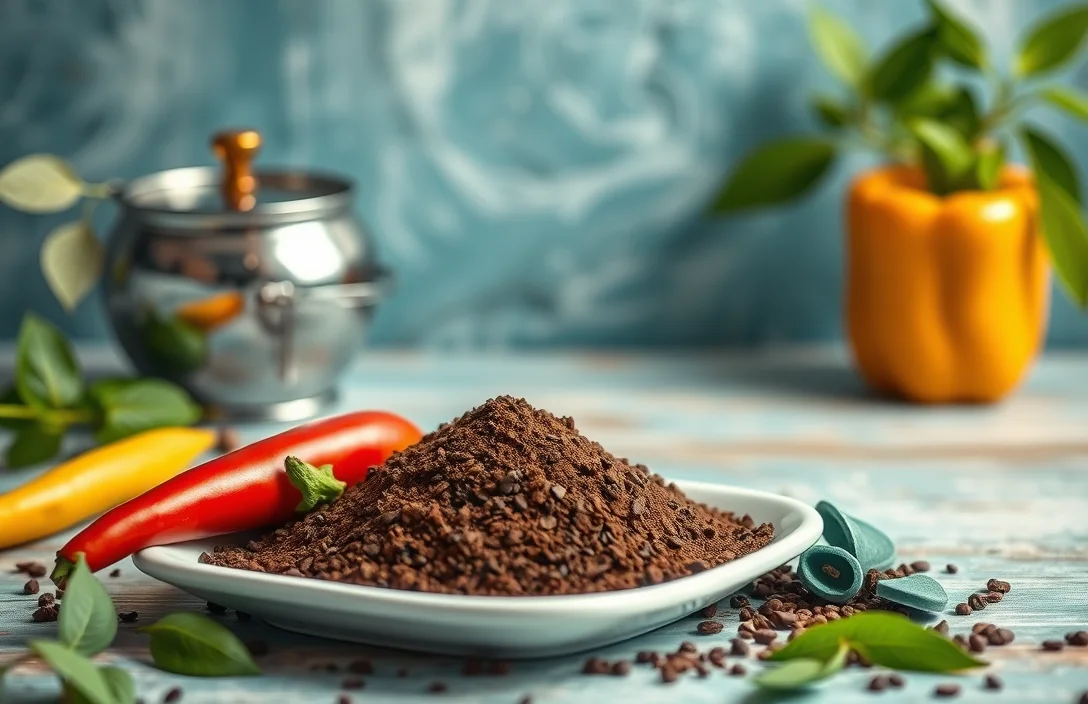
Research indicates that coffee grounds can improve pepper plant growth by enhancing soil quality and nutrient availability. This simple addition might surprise many gardeners, but the benefits of using coffee grounds are worth exploring, especially for those passionate about growing peppers successfully.
Peppers benefit from coffee grounds due to their nutrient content and ability to improve soil drainage. Additionally, they can help attract beneficial earthworms that further enrich the soil, making coffee grounds an excellent option for pepper cultivation.
Benefits of Coffee Grounds for Peppers
Applying coffee grounds can significantly enhance pepper plant growth. Rich in nitrogen, coffee grounds act as a natural fertilizer, providing essential nutrients that promote robust development. By incorporating these grounds into your gardening routine, you can create an optimal environment for your peppers to flourish.
- Mix coffee grounds into soil. Blend them with potting mix or garden soil to enrich the growing medium.
- Top-dress with coffee grounds. Sprinkle a thin layer around the base of the plants to slowly release nutrients over time.
- Compost coffee grounds. Add them to your compost pile, allowing microbial activity to break down the material, resulting in nutrient-rich compost.
- Use as mulch. Spread grounds around the plants to retain moisture and suppress weeds, while providing a gradual nutrient source.
- Monitor pH levels. Assess soil acidity, as coffee grounds can slightly lower pH, which may benefit some pepper varieties.
Integrating coffee grounds into your pepper-growing strategy is simple and effective. This tool not only supports plant health but also promotes sustainable gardening practices by recycling waste. With consistent application, you can enjoy a bountiful pepper harvest.
Essential Soil Nutrients for Peppers
Coffee grounds significantly enhance soil quality. These organic materials are rich in nitrogen, an essential nutrient that supports pepper growth by promoting lush foliage and robust fruit production. Adding coffee grounds can help create a balanced nutrient profile in your garden, ensuring that peppers thrive.
Magnesium content found in coffee grounds helps with chlorophyll production, benefiting overall plant health. Chlorophyll is vital for photosynthesis, allowing peppers to convert sunlight into energy effectively. This process is crucial for healthy growth and fruiting.
Phosphorus, also present in coffee grounds, contributes to root development and flowering. Strong roots anchor plants, providing stability and access to water and nutrients. By improving root systems, coffee grounds can lead to more abundant yields in pepper plants.
Potassium aids in fruit quality and pest resistance. It helps regulate water usage in plants, crucial during dry spells. Incorporating coffee grounds into the soil can enhance potassium levels, ultimately leading to healthier and more resilient peppers.
Organic matter in coffee grounds supports beneficial microbes in the soil. These microorganisms help break down nutrients, making them more accessible to plants. A thriving microbial community can significantly contribute to the overall health of your pepper plants.
Impact of pH Levels on Pepper Growth
Coffee grounds can lower soil pH, making it more acidic. Peppers prefer slightly acidic to neutral soil, typically between 6.0 and 7.0 pH. Applying coffee grounds can help achieve this optimal range, enhancing nutrient availability and supporting healthy growth.
- Measure current soil pH using a testing kit. Knowing the initial pH helps determine how much coffee grounds to apply.
- Mix coffee grounds into the top layer of soil. This can gradually modify the pH over time.
- Monitor plant response after application. Healthy plants will exhibit robust growth and vibrant foliage.
- Avoid excessive use of coffee grounds. Too much acidity can harm pepper plants, leading to nutrient deficiencies.
- Consider composting coffee grounds. This process balances acidity and adds diverse nutrients to the soil.
Utilizing coffee grounds effectively can support pepper growth by maintaining the desired pH levels. Balancing soil acidity is crucial for optimal nutrient uptake, ensuring peppers thrive in your garden.
Using Coffee Grounds as Mulch
Apply coffee grounds directly as mulch to improve moisture retention and suppress weeds. Spread a thin layer, about half an inch thick, around pepper plants. Avoid thick layers, as they can create a crust that water cannot penetrate. This method not only conserves soil moisture but also provides a slow release of nutrients, benefiting the plant’s growth.
Incorporate grounds into existing mulch to enhance its effectiveness. Mixing coffee grounds with other organic materials like wood chips or straw can improve texture and nutrient content. This combination helps maintain a balanced environment for pepper plants while promoting beneficial microbial activity in the soil.
Monitor moisture levels after applying this mulch. Ground coffee can absorb excess water, so ensure the soil remains adequately moist, especially during dry spells. Adjust watering habits if necessary to support healthy pepper growth. Regularly check the mulch layer, replenishing it as needed to maintain its effectiveness.
Consider using coffee grounds in conjunction with other organic mulches. Blending coffee grounds with grass clippings or shredded leaves can enhance overall soil health. This approach creates a diverse mulch layer that benefits pepper plants by improving aeration and providing a wider range of nutrients.
Composting Coffee Grounds for Nutrient Boost
Composting coffee grounds enriches soil with valuable nutrients. Incorporating this organic material into your compost pile can greatly benefit peppers and enhance their growth. Follow these steps to effectively compost coffee grounds for optimal results.
- Collect used coffee grounds regularly. Aim for a balanced mix of green materials like coffee grounds and brown materials such as dried leaves or cardboard.
- Layer the coffee grounds evenly in the compost pile. This ensures proper aeration and decomposition, preventing clumping and odor issues.
- Moisten the compost pile slightly after adding coffee grounds. Keep the moisture level balanced, as this aids in the breakdown of materials.
- Turn the compost regularly to promote aeration. Mixing the pile every few weeks helps speed up decomposition and ensures all materials break down efficiently.
- Monitor the composting process for temperature and moisture. A well-maintained compost pile will generate heat, indicating active decomposition, which is crucial for nutrient-rich compost.
Incorporating these steps into your composting routine will support healthy pepper growth. By recycling coffee grounds, you not only reduce waste but also provide essential nutrients to your plants.
Effects on Overall Plant Growth
Coffee grounds can significantly enhance plant vigor. Rich in nitrogen, they provide essential nutrients, which support growth. When mixed into the soil or used as a mulch, these grounds improve moisture retention and soil structure. Peppers, in particular, benefit from this nutrient boost, leading to healthier plants and potentially higher yields.
Applying coffee grounds directly can facilitate microbial activity in the soil. Increased microbial life helps break down organic matter, releasing nutrients that peppers can absorb. This process encourages robust root development, vital for the overall health and productivity of the plant. A strong root system enables better nutrient uptake, essential for flourishing peppers.
Maintaining a balanced mixture is crucial. Too many coffee grounds can lead to excessive acidity, which may not be ideal for all pepper varieties. Testing soil pH before application ensures optimal conditions for growth. Regular monitoring will help determine the right amount to use, promoting a thriving garden without adverse effects.
Incorporating coffee grounds encourages biodiversity in the garden. Beneficial insects and organisms are attracted to nutrient-rich environments, creating a balanced ecosystem. Peppers thrive under these conditions, as they can access a wider range of nutrients and protection from pests, enhancing their overall growth and resilience.
Pest Deterrent Properties of Coffee Grounds
Coffee grounds effectively repel various pests in the garden. Their strong aroma and slightly acidic nature deter insects like ants, snails, and even certain types of beetles. Incorporating them into your gardening routine can significantly reduce pest problems and promote healthier plants.
- Sprinkle grounds around pepper plants. Distributing coffee grounds in a circle around the base acts as a barrier, discouraging pests from approaching.
- Mix grounds into the soil. Blending coffee grounds into the top layer of soil enhances its texture while providing pest-repellent properties.
- Apply grounds to compost piles. Adding coffee grounds to compost not only enriches the mix but also helps repel pests that might invade the compost.
- Use grounds in traps. Creating simple traps with coffee grounds can attract and catch pests, keeping them away from your pepper plants.
- Monitor effectiveness regularly. Observing the impact of coffee grounds on pest presence helps determine the best application methods for your garden.
Implementing these strategies will help ensure that your peppers remain healthy and thriving, while also enjoying the benefits of coffee grounds in pest management.
Application Methods for Coffee Grounds
Mixing coffee grounds with soil enhances nutrient availability for your pepper plants. Combine one part coffee grounds with three parts compost or garden soil. Apply this mixture around the base of each plant, ensuring you maintain a distance from the stem to prevent rot. This method improves soil structure and promotes beneficial microbial activity.
Sprinkling coffee grounds directly on the soil surface offers a quick nutrient boost. Disperse a thin layer, approximately half an inch thick, around the pepper plants. This technique suppresses weeds while providing a slow-release source of nitrogen. Monitor moisture levels, as coffee grounds can retain water.
Creating a coffee ground tea is another effective application method. Steep one cup of grounds in a gallon of water for 24 hours, then strain. Use this liquid to water your peppers every few weeks. The nutrients extracted will nourish the plants without overwhelming them with excess material.
Incorporating coffee grounds into a mulch layer can also benefit pepper plants. Combine grounds with dry leaves or straw, creating a mulch that retains moisture and regulates soil temperature. Spread this mixture around the plants, replenishing it as needed throughout the growing season.
Quick Summary
- Coffee grounds can improve soil drainage and aeration for pepper plants.
- The nitrogen content in coffee grounds can provide essential nutrients for peppers.
- Used coffee grounds can help deter pests and attract beneficial insects.
- Excessive use of coffee grounds may lead to soil acidity, which can affect pepper growth.
- Mixing coffee grounds with compost can enhance its nutrient profile for peppers.
- Moderation is key; use coffee grounds sparingly to avoid potential negative effects.
- Always monitor plant health and adjust coffee ground application based on pepper responses.
Frequently Asked Questions
Do peppers benefit from coffee grounds?
Yes, peppers can benefit from coffee grounds as they are rich in nitrogen, which is essential for healthy plant growth. The grounds can also improve soil structure and drainage.
How should I use coffee grounds for my pepper plants?
You can sprinkle used coffee grounds directly onto the soil around your pepper plants or mix them into the compost. Aim for a thin layer to avoid clumping, which can impede water absorption.
Are there any downsides to using coffee grounds with peppers?
While coffee grounds can be beneficial, using too many can lead to an imbalance in soil nutrients or increased acidity. It’s best to use them in moderation and monitor your plants for any signs of distress.
Can I use fresh coffee grounds instead of used ones?
It is recommended to use used coffee grounds, as fresh ones may be too acidic and could inhibit plant growth. If you want to use fresh grounds, consider composting them first to reduce acidity.
How often can I apply coffee grounds to my pepper plants?
You can apply coffee grounds every few weeks during the growing season. Just ensure you mix them well with the soil to promote even distribution and prevent mold growth.

- Espresso Tastes Watery? 10 Common Causes and How to Fix It - October 23, 2026
- 10 Common Coffee Equipment Cleaning Mistakes and How to Avoid Them - October 23, 2026
- 17 Common Coffee Grinder Problems and How to Fix Them - October 23, 2026