
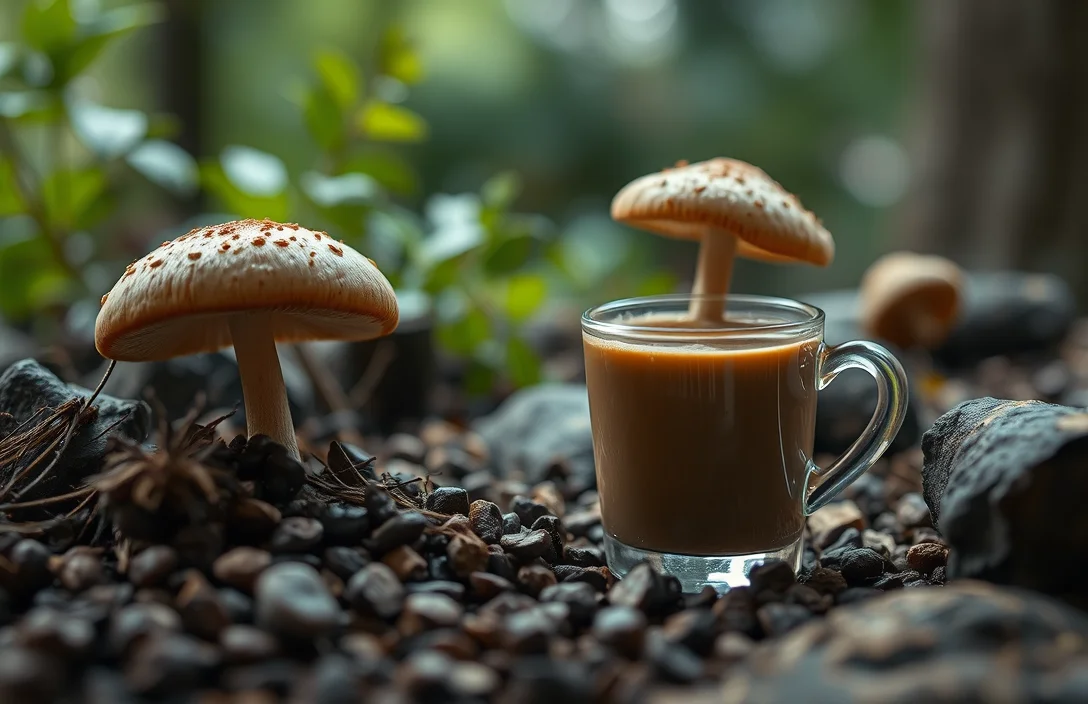
Studies show that mushroom coffee can contain caffeine levels similar to traditional coffee depending on the blend. This unique beverage combines ground mushrooms with coffee, intriguing many who seek alternatives to their daily caffeine fix.
Experts confirm that mushroom coffees often have lower caffeine levels than regular coffee, yet some blends may still include caffeine from coffee beans. Always check the label for specific content.
Mushroom Coffee Ingredients
Mushroom coffee typically combines traditional coffee beans with various types of mushrooms. Popular mushrooms used include lion’s mane, reishi, and chaga. Each variety contributes unique health benefits and flavors, making this blend appealing to many. Understanding the ingredients helps clarify the overall experience and potential effects on caffeine levels.
Reishi mushrooms, known for their calming properties, are often included in these blends. While they don’t contain caffeine, they help create a balanced drink that supports relaxation. Lion’s mane mushrooms may enhance cognitive function without adding caffeine. This combination can result in a beverage that promotes focus and calmness simultaneously.
Chaga mushrooms, rich in antioxidants, complement the coffee’s flavor profile. While they don’t provide caffeine either, they contribute to overall wellness. These mushrooms can make mushroom coffee a nutritious alternative for those looking to reduce caffeine intake while still enjoying a flavorful drink.
Consideration of all these ingredients reveals that mushroom coffees can vary significantly in caffeine content, depending on the ratio of coffee to mushrooms. Some blends might still retain caffeine from the coffee, while others may offer a caffeine-free option. Knowing these details helps consumers make informed choices about their drinks.
Caffeine Content Comparison
Comparing caffeine levels shows significant differences between mushroom coffee and traditional coffee. While regular coffee typically contains about 95 mg of caffeine per 8-ounce cup, mushroom coffee blends, such as those made with lion’s mane or chaga, usually have much lower caffeine content. Most brands offer a range between 30 to 50 mg, making them appealing for those looking to reduce their caffeine intake.
Research indicates that combining mushrooms with coffee can provide various benefits while maintaining a lower caffeine level. Many consumers appreciate the unique blend of flavors and health benefits that mushrooms offer without the jitters often associated with high caffeine consumption. This makes mushroom coffee a suitable alternative for individuals sensitive to caffeine.
Ultimately, understanding the caffeine content in mushroom coffees is vital for making informed choices. If you’re considering switching from traditional coffee, knowing the specific levels in your preferred mushroom blend will help you adjust your caffeine consumption effectively. Always check the label for precise amounts as formulations can vary widely between brands.
Health Benefits of Mushrooms
Mushrooms provide several health advantages, making them valuable additions to your diet. Rich in antioxidants, they help combat oxidative stress and inflammation in the body. Various varieties, such as reishi and lion’s mane, are known for their potential to enhance immune function and cognitive performance. Regular consumption can lead to improved overall well-being.
Studies indicate that certain mushrooms contain polysaccharides, which may bolster your immune system. These compounds stimulate immune cells, offering protection against various illnesses. Incorporating mushroom coffee into your routine can help you benefit from these immune-boosting properties while enjoying a flavorful beverage.
Vitamin D is another significant nutrient found in mushrooms, especially when exposed to sunlight. Consuming mushrooms can contribute to your daily vitamin D intake, which is essential for bone health and immune support. This nutrient helps regulate calcium levels and supports overall health, making mushroom coffee a beneficial addition.
Fiber content in mushrooms is also noteworthy. They provide dietary fiber, promoting digestive health and aiding in weight management. Including fiber-rich foods like mushroom coffee can help maintain a healthy gut, which is crucial for nutrient absorption and overall wellness.
Types of Mushroom Coffee
Blending different mushrooms with coffee creates unique flavors and effects. Popular types include lion’s mane, chaga, cordyceps, and reishi. Each mushroom brings distinct benefits, such as cognitive enhancement or immune support. Knowing the type can guide your choice based on desired outcomes, whether you’re after an energy boost or relaxation.
Caffeine levels vary significantly across mushroom coffee products. Some blends incorporate traditional coffee, retaining typical caffeine content, while others use mushroom extracts without added caffeine. For those sensitive to caffeine, choosing a caffeine-free blend can provide the health benefits of mushrooms without jitters.
Exploring product labels reveals vital information. Many brands indicate caffeine content clearly, helping consumers make informed choices. If caffeine is a concern, look for mushroom coffee marketed explicitly as low or caffeine-free. Such options allow enjoyment without unwanted side effects.
Experimenting with different blends can enhance your experience. Trying various combinations of mushrooms and coffee can help you discover flavors and health benefits that suit your lifestyle. Monitoring how your body reacts to each blend will contribute to finding the perfect match for your daily routine.
Mushroom Coffee Brewing Methods
Brewing mushroom coffee requires a specific approach to extract flavors and benefits effectively. Utilize high-quality mushroom extracts or powders to ensure you get the health benefits associated with the fungi. Follow the instructions on the product label for the best results, as different brands may have varying concentrations.
Freshly brewed coffee enhances the flavor profile. Combine your mushroom powder with hot water or brewed coffee, stirring well to mix. Consider using a French press or pour-over method to achieve a rich, full-bodied experience. The choice of brewing technique can significantly influence the final taste and aroma.
Temperature control plays a crucial role in preserving the beneficial properties. Aim for water temperatures around 190°F to 205°F, as this range optimally extracts both caffeine and mushroom compounds without degrading them. Avoid boiling water, which can lead to bitterness and loss of nutrients.
Quality water contributes to the overall experience. Filtered water is preferred, as it reduces impurities that might affect flavor. Use pure spring or filtered water to create a clean taste, allowing the mushroom coffee’s unique characteristics to shine through.
Caffeine Sensitivity Considerations
Individuals with caffeine sensitivity should be cautious. Symptoms can include jitteriness, rapid heartbeat, and anxiety, even with lower caffeine amounts. Mushroom coffee contains less caffeine than traditional coffee, but monitoring your response is essential. Starting with small amounts allows you to gauge how your body reacts to this alternative.
Mushroom variants often vary in caffeine levels. Different brands may add varying amounts of coffee or other ingredients. Checking the label for caffeine content can guide your selection. If you are particularly sensitive, consider mushroom coffee blends specifically marketed as low-caffeine.
Avoiding caffeine entirely is an option for some. If you notice adverse effects from any caffeine source, switching to caffeine-free mushroom varieties is advisable. These options still offer potential health benefits from the mushrooms without the stimulant effects.
Consulting a healthcare professional can help you make informed decisions. If unsure about your caffeine tolerance, discussing your concerns with a doctor is beneficial. They can provide personalized advice based on your health history and current condition.
Mushroom Coffee vs Regular Coffee
Mushroom coffee typically contains less caffeine than regular coffee. Most brands blend ground coffee beans with mushroom extracts, resulting in a lower caffeine content. If you prefer a milder effect but still enjoy the taste of coffee, this alternative might be appealing. It’s ideal for those who want to avoid jitters while still gaining some benefits from mushroom varieties.
Caffeine levels in mushroom coffee vary greatly by brand and formulation. Some products may contain a small amount of caffeine, while others use decaffeinated coffee beans for a caffeine-free experience. Reading labels helps you determine the exact caffeine content in your chosen product, ensuring you make an informed decision based on your preferences.
Flavor profiles also differ significantly between mushroom coffee and traditional coffee. Mushroom blends often have earthy, rich flavors that complement the coffee. Experimenting with different brands can help you find a taste that suits your palate. Many consumers appreciate the unique blend of flavors that mushroom coffee offers, making it a delightful alternative.
Health benefits associated with mushrooms can enhance your coffee experience. Many mushrooms used in these blends, like reishi and lion’s mane, provide additional nutrients and antioxidants. These compounds can support overall wellness and cognitive function, making mushroom coffee a functional beverage choice beyond just caffeine.
Quick Summary
- Mushroom coffee typically contains a mix of coffee and medicinal mushrooms, such as lion’s mane or chaga.
- The caffeine content in mushroom coffee can vary depending on the type and amount of coffee used.
- On average, mushroom coffee may contain less caffeine than regular coffee.
- Many consumers enjoy mushroom coffee for its potential health benefits, including improved focus and reduced stress.
- Some brands offer caffeine-free mushroom coffee alternatives, using only the mushrooms without coffee.
- It’s important to check product labels for specific caffeine content and mushroom varieties.
- Mushroom coffee can be a good option for those looking to reduce their caffeine intake while still enjoying a coffee-like beverage.
Frequently Asked Questions
Do mushroom coffees contain caffeine?
Yes, mushroom coffees can contain caffeine, depending on the blend. If the coffee base is made from traditional coffee beans, it will have caffeine. However, some brands may offer caffeine-free alternatives using only mushrooms.
What are the benefits of mushroom coffee?
Mushroom coffee is often praised for its potential health benefits, such as improved focus, enhanced immune support, and reduced stress. The mushrooms used, like Lion’s Mane and Chaga, are believed to offer various nutrients and antioxidants that can promote overall well-being.
How does mushroom coffee taste compared to regular coffee?
The taste of mushroom coffee can vary by brand and blend, but many people find it has a unique, earthy flavor. Some may say it’s milder than regular coffee, while others enjoy its distinct mushroom notes that can complement the coffee’s richness.
Can I drink mushroom coffee every day?
Many people enjoy mushroom coffee daily as part of their routine. However, it’s essential to consider individual tolerance to caffeine and any specific health conditions. Moderation is key, and consulting with a healthcare professional is advisable if you have concerns.
Are there any side effects of consuming mushroom coffee?
While mushroom coffee is generally considered safe for most people, some may experience digestive upset or allergic reactions to certain mushrooms. It’s best to start with a small amount to assess your body’s reaction and consult a healthcare provider if you have any concerns.

- Espresso Tastes Watery? 10 Common Causes and How to Fix It - October 23, 2026
- 10 Common Coffee Equipment Cleaning Mistakes and How to Avoid Them - October 23, 2026
- 17 Common Coffee Grinder Problems and How to Fix Them - October 23, 2026