
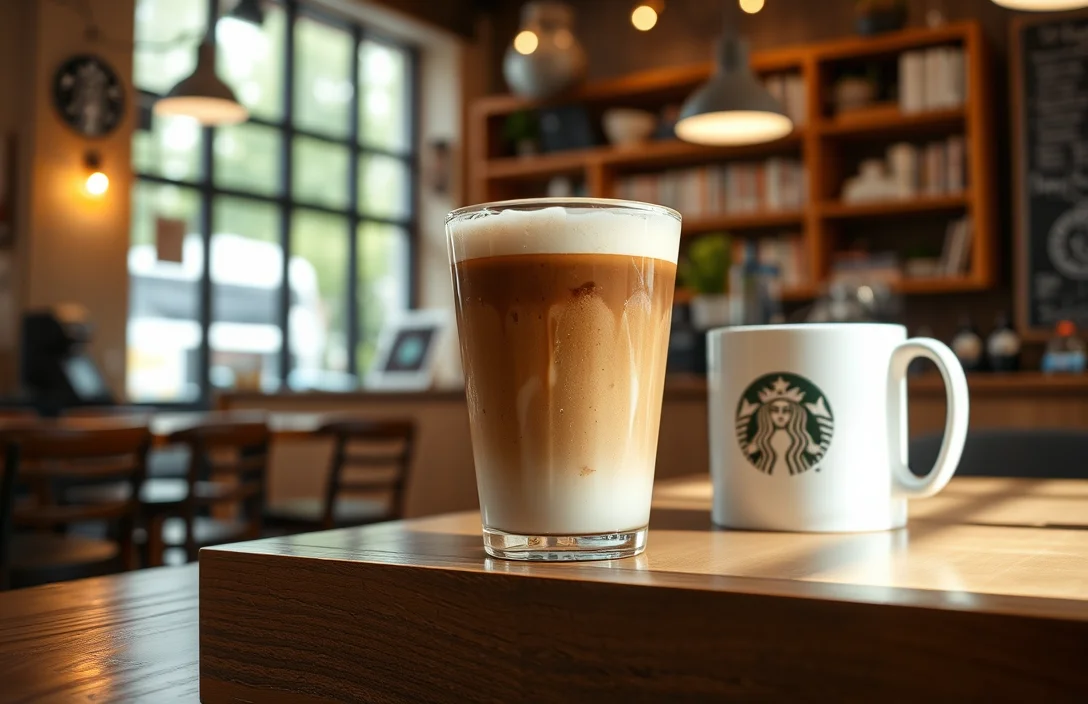
Three billion cups of coffee are consumed globally each day, highlighting the massive scale of the coffeehouse industry. With billions invested in marketing and product development, surprising statistics reveal how consumer choices shape beverage trends and influence sales across various chains.
Engaging with coffeehouse chains and beverage statistics can uncover fascinating insights. For instance, seasonal drinks often drive up sales, while customer loyalty programs significantly boost repeat purchases.
Global Coffee Consumption Trends Revealed
Rising global demand for coffee drives significant industry growth. In recent years, coffee consumption has surged, with forecasts predicting a steady increase. The International Coffee Organization reports that global coffee consumption reached over 170 million 60-kilogram bags in the last year, indicating a robust market driven by diverse consumer preferences.
Statistics show that North America and Europe remain the largest coffee markets, but emerging economies like China and India are rapidly gaining ground. Coffee culture in these regions is evolving, leading to increased interest in specialty coffees and unique brewing methods. As a result, coffeehouse chains are expanding their reach and adapting to local tastes.
Market trends reveal a growing preference for sustainability. Consumers increasingly seek ethically sourced coffee, prompting many brands to adopt fair trade practices. This shift not only supports coffee farmers but also attracts environmentally conscious customers, enhancing brand loyalty and driving sales.
Changing lifestyles contribute to coffee consumption patterns. Busy schedules make convenience a priority, leading to the rise of ready-to-drink coffee beverages. Coffeehouse chains are capitalizing on this trend by offering pre-packaged options that cater to on-the-go customers, ensuring they remain competitive in a dynamic market.
Most Popular Coffee Beverages Statistics
Coffee lovers show clear preferences. According to recent data, espresso stands out as the most frequently ordered beverage in coffeehouses, making up about 40% of all coffee sales. Its versatility allows for various preparations, appealing to a wide range of consumers.
Lattes follow closely, accounting for 25% of orders. This creamy drink’s combination of espresso and steamed milk attracts those looking for a rich and smooth experience. Additionally, flavored lattes, such as vanilla or caramel, have surged in popularity, drawing even more customers.
Cappuccinos also maintain a significant presence in coffee shops, comprising around 15% of sales. The equal parts espresso, steamed milk, and frothed milk create a balanced flavor profile. Many customers enjoy its robust taste, especially during cooler seasons.
Cold brews have exploded in popularity, capturing nearly 10% of the market. This refreshing option attracts consumers seeking a less acidic coffee experience. As summer approaches, this beverage often tops customers’ lists.
Lastly, specialty beverages, including nitro coffee and seasonal drinks, account for the remaining 10%. These unique options entice adventurous coffee enthusiasts, contributing to the dynamic landscape of coffeehouse offerings.
Impact of Specialty Coffees on Sales
Specialty coffee sales have surged dramatically in recent years. According to industry reports, the specialty coffee market is projected to grow by over 10% annually. This growth is driven by consumer demand for quality and unique flavors, which has allowed coffeehouses to elevate their sales figures significantly.
- Specialty coffee contributes to higher profits. Research indicates that coffeehouse chains benefit from a profit margin up to 40% on specialty beverages compared to regular offerings. This margin increase reflects the willingness of consumers to pay more for premium quality.
- Consumer preferences are shifting towards artisanal options. Surveys show that 60% of coffee drinkers now prefer specialty drinks, with a notable rise in interest for sustainably sourced beans. This indicates a valuable opportunity for coffeehouses to cater to evolving tastes.
- Social media influence boosts specialty coffee sales. Campaigns showcasing unique beverages attract consumers on platforms like Instagram. Data reveals that posts tagged with specialty coffee terms can lead to a 25% increase in foot traffic to coffee shops.
- Seasonal offerings enhance customer engagement. Many coffeehouses report that limited-time specialty drinks, especially during holidays, can increase sales by 30%. This strategy keeps the menu fresh and exciting for returning customers.
- Quality assurance builds customer loyalty. Regular quality checks and sourcing transparency create trust with consumers. Studies show that 70% of customers are more likely to return if they perceive high quality in their specialty coffee.
Market Share of Leading Coffeehouse Chains
Starbucks dominates the global coffeehouse market with a staggering 40% share. Its widespread presence, with over 30,000 locations worldwide, solidifies its position as the leader in the coffee industry. This chain’s commitment to innovation and quality attracts millions of customers daily, allowing it to maintain a significant lead over competitors.
Dunkin’ follows closely, holding approximately 25% of the market share. Popular in the United States, this chain emphasizes quick service and affordability, appealing to a diverse customer base. Its strategy of offering a variety of beverages alongside delicious baked goods contributes to its robust performance in the coffee sector.
Peet’s Coffee, while smaller, claims around 5% of the market. It focuses on premium coffee and a unique experience that draws in dedicated coffee enthusiasts. This niche position allows Peet’s to stand out, particularly in regions where quality coffee is highly valued.
Local coffee shops collectively capture about 30% of the market share. These establishments thrive on providing personalized service and unique offerings, often creating a loyal customer base. Their adaptability and focus on community engagement make them strong competitors against larger chains.
Demographics of Coffee Consumers
Young adults, particularly those aged 18 to 24, represent the largest demographic of coffee consumers. Data indicates that approximately 44% of this age group drinks coffee daily. Their preferences lean towards specialty beverages, with a strong inclination for flavors like caramel and vanilla, showcasing a trend towards sweeter options.
Women influence coffee purchases significantly, often choosing beverages based on flavor and presentation. Statistics show that nearly 60% of coffee drinkers are female, who frequently opt for lighter roasts and flavored drinks. This demographic favors coffeehouse chains that offer aesthetically pleasing drinks, such as those topped with intricate latte art.
Household income also impacts coffee consumption habits. Consumers with higher incomes tend to purchase premium coffee and frequent specialty coffee shops. In fact, 70% of individuals earning over $75,000 annually claim to visit coffeehouses at least once a week, seeking out unique blends and artisanal preparations.
Geographical differences are notable as well. Urban areas report higher coffee consumption rates compared to rural regions. For instance, city dwellers are twice as likely to consume coffee from coffeehouses, driven by the convenience and social aspects of these establishments.
Trends show that health-conscious consumers are increasingly choosing alternatives such as cold brew and nitro coffee. These beverages are perceived as smoother and less acidic, appealing to those looking for a refreshing yet flavorful option. As preferences shift, coffeehouse chains must adapt to cater to these evolving tastes.
Trends in Coffee Pricing Over Time
Global coffee prices fluctuate significantly, influenced by numerous factors like climate conditions and market demand. In recent years, price spikes have often resulted from adverse weather events in major coffee-producing regions, such as Brazil and Colombia. These fluctuations make it essential for coffeehouses to adapt pricing strategies to maintain profitability.
Recent data indicates that specialty coffee prices have increased steadily, reflecting a growing consumer preference for high-quality brews. Specialty coffee shops often charge premium prices, which can range from 20% to 50% higher than regular coffee. This trend demonstrates the willingness of consumers to pay more for unique flavors and sustainable sourcing.
Annual price averages can exhibit significant variations. For instance, in 2021, the average price for Arabica coffee reached its highest level in several years, exceeding $2.00 per pound. Such price trends can impact not only the profit margins of coffeehouse chains but also consumer behavior, as customers may shift toward more affordable options during price surges.
Seasonal promotions can mitigate the impact of rising prices. Many coffeehouses implement strategies like limited-time offers or seasonal drinks to attract customers and maintain sales volume. Effective marketing during peak coffee seasons can help offset price increases and keep consumer interest high.
Sustainability Initiatives in Coffee Production
Statistics reveal that 70% of coffee producers now utilize sustainable farming methods. These practices often include organic farming, shade-grown coffee, and water conservation techniques, which help reduce environmental impact while maintaining coffee quality. As consumers become increasingly aware, demand for sustainably sourced coffee continues to rise.
Research indicates that certified coffee farms can yield up to 30% more profit compared to non-certified farms. Certifications such as Fair Trade and Rainforest Alliance not only ensure better prices for farmers but also promote sustainable practices. This financial incentive encourages more producers to adopt green methods.
Surveys show that 72% of consumers prefer brands that prioritize sustainability. Coffeehouse chains are responding by offering more ethically sourced options on their menus. By promoting such products, these businesses align themselves with customer values while enhancing brand loyalty.
Reports suggest that sustainable coffee sourcing can increase market share by up to 20%. Companies embracing these initiatives are not just improving their environmental footprint; they are also capitalizing on a significant market opportunity. This trend highlights the importance of sustainability in modern coffee production.
Quick Summary
- Global coffee consumption has surpassed 166 million 60-kilogram bags annually.
- Over 50% of Americans aged 18-24 consume coffee daily, highlighting a growing trend among younger demographics.
- Specialty coffee accounts for approximately 55% of the total coffee market in the U.S.
- On average, coffeehouse chains serve around 400 million cups of coffee each week worldwide.
- Espresso-based drinks make up nearly 60% of all coffee shop sales.
- Over 70 million people in the U.S. visit coffee shops every day.
- Seasonal beverages, such as pumpkin spice lattes, can increase sales by up to 20% during peak seasons.
Frequently Asked Questions
What are some surprising statistics about coffee consumption in coffeehouse chains?
Approximately 64% of American adults drink coffee daily, with coffeehouse chains serving billions of cups each year. In particular, the average customer visits a coffee shop 18 times per year, demonstrating the beverage’s popularity and cultural significance.
How much caffeine is typically found in popular coffeehouse beverages?
Standard sizes of coffeehouse beverages can contain anywhere from 95 mg to over 400 mg of caffeine, depending on the drink. For instance, a standard brewed coffee can contain around 200 mg of caffeine per 16 oz serving, while espresso shots have about 63 mg each.
What are the most popular coffee drinks sold at coffeehouse chains?
Espresso-based drinks like lattes, cappuccinos, and flavored coffees are among the most popular offerings. Seasonal beverages, especially those with flavors like pumpkin spice or peppermint, see significant sales spikes during holiday seasons.
How do coffeehouse chains contribute to environmental statistics?
Many coffeehouse chains are increasingly focusing on sustainability, with some reporting that over 30% of their coffee is sourced from certified sustainable practices. Additionally, initiatives to reduce single-use plastics have led to millions of reusable cups being used, significantly decreasing waste.
What trends are emerging in the coffeehouse beverage market?
Trends such as cold brew coffee, plant-based milk alternatives, and health-conscious options like nitro coffee are gaining popularity. Additionally, many chains are experimenting with unique flavor combinations and non-coffee beverages to attract a wider audience.

- Espresso Tastes Watery? 10 Common Causes and How to Fix It - October 23, 2026
- 10 Common Coffee Equipment Cleaning Mistakes and How to Avoid Them - October 23, 2026
- 17 Common Coffee Grinder Problems and How to Fix Them - October 23, 2026