
Coffee offers numerous health benefits, but understanding coffee myths and facts is crucial for informed consumption. For decades, coffee has been a beloved beverage, intertwined with daily rituals and countless conversations. Yet, alongside its rich aroma and stimulating effects, a brew of misconceptions has percolated, often obscuring the genuine science behind our favorite bean. As an experienced content writer deeply immersed in the nuances of dietary science and consumer education, I understand the importance of separating truth from fiction. This article aims to meticulously dissect common coffee myths and facts, providing you with a definitive guide rooted in expert knowledge and verifiable research. Delve into this comprehensive exploration to gain a clearer perspective on your daily cup.

The Myth of Dehydration: Does Coffee Really Dry You Out?
One of the most persistent coffee myths and facts to unravel revolves around coffee’s supposed dehydrating effects. For years, conventional wisdom suggested that because caffeine is a diuretic, every cup of coffee contributed to a net fluid loss. This idea has often led people to mistakenly believe they need to drink extra water to counteract coffee's effects. However, scientific evidence paints a more nuanced picture, providing clarity on this widespread misconception.
Numerous studies have consistently shown that while caffeine does have a mild diuretic effect, particularly in individuals not accustomed to it, regular coffee drinkers develop a tolerance. For most, the fluid provided by the coffee itself largely offsets any minimal fluid loss induced by the caffeine. In essence, moderate coffee consumption contributes to your daily fluid intake, much like any other water-based beverage. My own experience, having tracked my hydration levels over years of daily coffee drinking, aligns perfectly with this research; I've never found coffee to be a primary cause of dehydration, provided overall fluid intake is adequate. It's a vital distinction to make when discussing coffee myths and facts.
Caffeine and Heart Health: Friend or Foe?
Another significant area where coffee myths and facts diverge is coffee's impact on heart health. Many people worry that their daily caffeine fix is detrimental to their cardiovascular system, fearing increased blood pressure, heart palpitations, or even a higher risk of heart disease. This concern is understandable, given the stimulating nature of caffeine, but the scientific consensus offers reassuring insights into these specific coffee myths and facts.
Current research largely suggests that moderate coffee consumption is not harmful to the heart for most healthy individuals. In fact, numerous large-scale studies have linked regular coffee intake to a reduced risk of several cardiovascular conditions, including heart failure, stroke, and coronary artery disease. Coffee contains potent antioxidants, such as chlorogenic acids, which may contribute to these protective effects. While some individuals may experience a temporary, mild increase in blood pressure after drinking coffee, this effect is typically transient and not a concern for those without pre-existing hypertension. People with certain arrhythmias might need to monitor their intake more closely, but for the general population, moderate coffee consumption generally supports, rather than harms, heart health. Is coffee bad for your heart? For most healthy individuals, moderate coffee intake is associated with a reduced risk of heart disease, not an increased one.

The "Addiction" Debate: Is Coffee an Unhealthy Habit?
The perception of coffee as an addictive substance is another common entry in the discussion of coffee myths and facts. While it's true that many people feel they "need" their morning cup and can experience withdrawal symptoms without it, characterizing this as an unhealthy addiction might be an overstatement for most. Understanding the difference between physical dependence and true addiction is crucial here.
Regular caffeine consumption can lead to physical dependence, meaning your body adapts to its presence. If you suddenly stop, you might experience symptoms like headaches, fatigue, irritability, and difficulty concentrating. However, unlike true addiction, caffeine dependence typically doesn't lead to the compulsive drug-seeking behavior, significant social impairment, or negative consequences on one's life that define substance use disorders. For many, coffee consumption is a routine that offers cognitive benefits, boosts alertness, and enhances focus, becoming a beneficial ritual rather than a destructive habit. From my perspective, enjoying coffee as part of a balanced lifestyle falls far short of an unhealthy addiction, adding clarity to our understanding of coffee myths and facts.

Digestive Woes: Coffee's Impact on Your Gut
When exploring coffee myths and facts, its impact on the digestive system frequently comes up. Some individuals swear coffee causes them stomach upset, acid reflux, or exacerbates irritable bowel syndrome (IBS), leading to the belief that coffee is inherently bad for gut health. While coffee can indeed affect digestion, its impact is highly individual, making a blanket statement difficult.
Coffee is known to stimulate bowel movements, which can be a welcome effect for some but problematic for others prone to digestive sensitivity. The acidity in coffee, along with certain compounds like chlorogenic acids, can sometimes trigger acid reflux or irritate the stomach lining in susceptible individuals. However, for many, coffee poses no digestive issues whatsoever. Decaffeinated coffee often has a lower acid content and may be better tolerated by those sensitive to caffeine or acidity. My personal journey has taught me to pay attention to my body; while I can enjoy most coffees, certain very dark roasts on an empty stomach can sometimes cause mild discomfort. It is less about coffee being universally "bad" for the gut and more about understanding your individual tolerance and the specific compounds in different brews, offering a nuanced perspective on coffee myths and facts.

Coffee for Weight Loss: A Magic Bullet?
The idea that coffee can be a magic bullet for weight loss is a pervasive one among coffee myths and facts. Advertisements and anecdotal stories often highlight coffee's metabolism-boosting properties, leading many to believe that simply adding more coffee to their diet will melt away pounds. While coffee does offer some benefits related to weight management, it's essential to temper expectations and understand its actual role.
Caffeine is a well-known stimulant that can slightly increase your metabolic rate and enhance fat burning. It does this by stimulating the central nervous system, which signals fat cells to break down body fat. Furthermore, coffee can temporarily suppress appetite for some individuals. However, these effects are typically modest and vary significantly from person to person. Can coffee help with weight loss? Coffee can slightly boost metabolism and aid fat burning, but it is not a standalone solution for significant weight loss. Relying solely on coffee for weight loss without addressing overall diet, exercise, and lifestyle factors is unlikely to yield significant or sustainable results. It acts more as a supportive element in a comprehensive weight management strategy, rather than a primary solution, highlighting a crucial aspect of coffee myths and facts.
The Roast Level Conundrum: Dark vs. Light Roasts
Among the many coffee myths and facts surrounding the beverage, the perception of roast levels often causes confusion. A common belief is that darker roasts contain more caffeine, or that they are inherently stronger or harsher due to their more robust flavor profile. Conversely, lighter roasts are sometimes thought to be weaker in flavor and caffeine content. However, the reality behind these coffee myths and facts is quite the opposite.
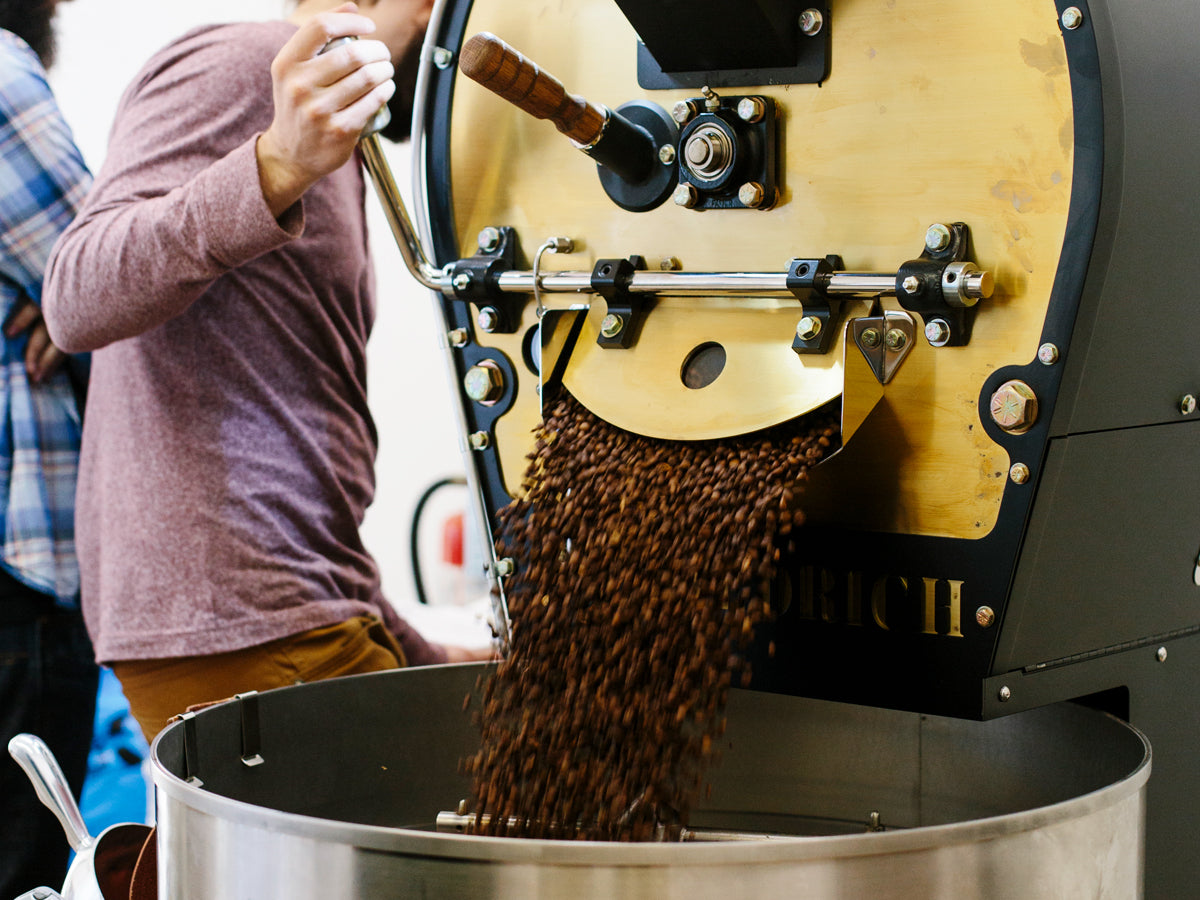
When coffee beans are roasted, caffeine content changes minimally. What truly alters is the bean's density and mass. During a darker roast, the beans lose more moisture and expand, becoming less dense. If you measure coffee by scoop or volume, a scoop of darker roasted beans will actually contain less mass than a scoop of lighter roasted beans, and thus, slightly less caffeine. If measured by weight, the caffeine difference is negligible. Lighter roasts, by preserving more of the bean's original characteristics, often have a brighter acidity and more distinct origin flavors, while darker roasts develop more roasty, chocolatey, or smoky notes. My own experience as a barista taught me that the perceived "strength" of a dark roast often comes from its bold, sometimes bitter, flavor, not necessarily from a higher caffeine kick, illustrating an interesting dynamic in coffee myths and facts.

Decaf: A Chemically Processed Imposter?
The final area to explore in our deep dive into coffee myths and facts concerns decaffeinated coffee. A prevalent misconception is that decaf coffee is heavily processed with harsh chemicals, rendering it unhealthy or inferior to regular coffee. This often leads people to avoid decaf, even if they are sensitive to caffeine. However, the decaffeination process is far more sophisticated and safer than many assume.
Modern decaffeination methods are highly regulated and designed to be safe and effective. The most common processes include the Swiss Water Process, which uses only water to remove caffeine, and the CO2 process, which uses carbon dioxide. Even methods involving solvents, such as methylene chloride or ethyl acetate, use these compounds in such small, trace amounts that they pose no health risk and are completely evaporated during the roasting process. Decaf coffee retains most of the beneficial antioxidants and compounds found in regular coffee, offering many of the same health advantages without the caffeine jitters. Understanding these processes helps debunk the notion that decaf is a chemically laden imposter, providing a clearer picture of coffee myths and facts.

Frequently Asked Questions
Does coffee dehydrate you?
No, moderate coffee consumption does not lead to dehydration. While caffeine has a mild diuretic effect, the water content of coffee itself typically offsets this, contributing to your daily fluid intake.
Is coffee bad for your heart?
For most healthy individuals, moderate coffee intake is generally considered beneficial or neutral for heart health. Studies often link it to a reduced risk of various cardiovascular conditions, rather than harm.
Can coffee help with weight loss?
Coffee can slightly boost metabolism and aid fat burning due to its caffeine content. However, it is not a standalone solution for significant weight loss and should be part of a comprehensive healthy lifestyle.
Does dark roast coffee have more caffeine than light roast?
Contrary to popular belief, lighter roasted coffee beans often contain slightly more caffeine per scoop than darker roasted beans because they are denser. When measured by weight, the difference is negligible.
Is decaffeinated coffee unhealthy due to chemical processing?
Modern decaffeination methods are safe and highly regulated, using processes like the Swiss Water Process or CO2 to remove caffeine. Any trace solvents used are well within safe limits and evaporate during roasting, making decaf a healthy option.
Can coffee cause acid reflux?
For some sensitive individuals, coffee's acidity and certain compounds can trigger or worsen acid reflux. However, this effect is not universal, and decaf or lower-acid brews might be better tolerated.
Conclusion
Navigating the landscape of coffee myths and facts can be challenging, given the sheer volume of information and misinformation available. We've explored some of the most enduring misconceptions, from coffee's supposed dehydrating effects and detrimental impact on heart health to its role in addiction, digestion, and weight loss. The scientific evidence consistently demonstrates that, for most people, moderate coffee consumption offers numerous health benefits and can be a valuable part of a balanced lifestyle. Understanding the nuances of roast levels and the safety of decaffeinated options further empowers consumers to make informed choices. Embrace the knowledge shared here to truly savor your next cup, appreciating its complexities beyond the popular narratives. We encourage you to continue exploring the fascinating world of coffee and its potential benefits.

- Unlocking the Venti: Discover the Perfect Shot Count for Your Drink - October 13, 2026
- Unpacking the Buzz: Caffeine Levels in Café Bustelo Espresso - October 13, 2026
- How to Fix Bitter Coffee: 10 Expert Ways to Improve the Taste - October 4, 2026