
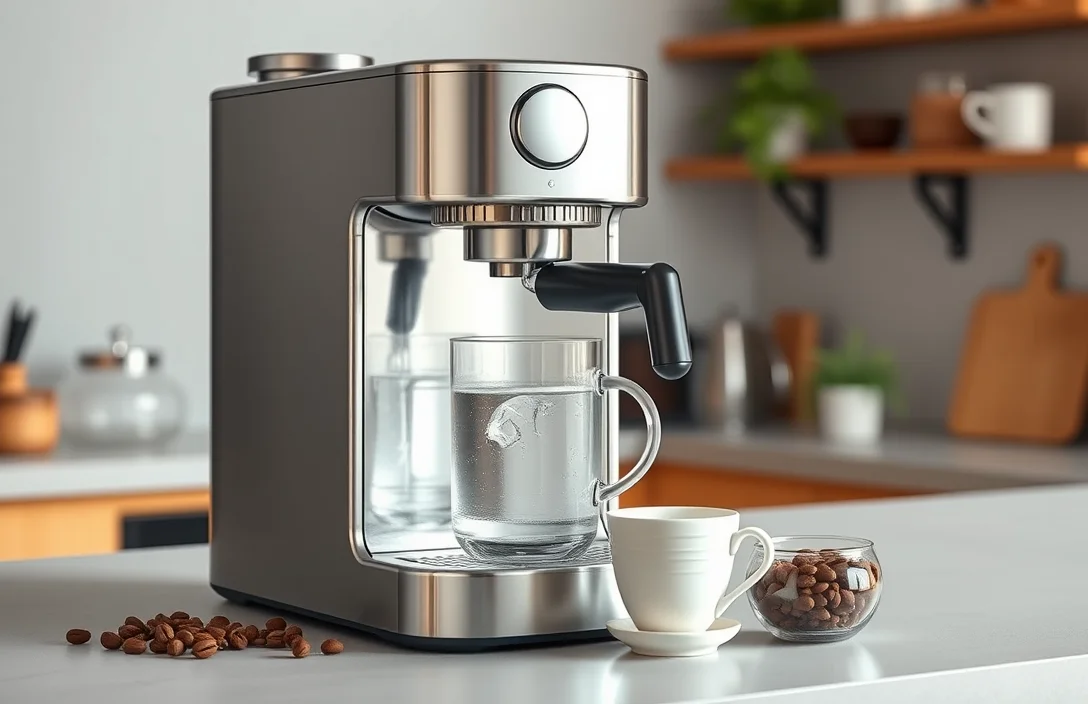
Approximately 60% of coffee makers can dispense water, making them versatile kitchen appliances. Many models include a water-only feature, allowing users to access hot water without brewing coffee. This functionality caters to those who enjoy tea, instant soups, or other hot beverages.
Some coffee makers offer direct water dispensers, while others require specific settings to achieve this. Checking your model’s manual will clarify available features and usage instructions for dispensing water effectively.
Understanding Types of Coffee Makers
Different coffee makers serve distinct purposes. Drip coffee makers are the most common, brewing coffee by dripping hot water over ground coffee. Some models include a water dispensing feature, allowing users to fill cups or pots with hot water directly. Espresso machines also fall under this category, often equipped with a hot water spout for tea and other beverages.
Single-serve machines provide convenience by brewing one cup at a time. Many of these devices come with a water reservoir that can dispense hot water, making them versatile for other drinks. French presses, while manual, require hot water to steep coffee grounds, but they do not dispense water on their own.
Multi-functional coffee makers combine brewing capabilities with features like steaming milk or dispensing hot water. These versatile machines cater to various beverage needs, making them a great option for those who enjoy different drinks. Specialty coffee makers may also offer water dispensing, depending on their design.
Traditional percolators work differently, cycling boiling water through coffee grounds. While they don’t dispense water directly, they heat water quickly for brewing. Knowing the model and features of your coffee maker can clarify whether it offers water dispensing options.
Exploring Water Dispensing Mechanisms
Internal mechanisms in coffee makers enable water dispensing effectively. Most models incorporate a water reservoir that holds the liquid until needed. Upon initiating the brewing process, water is heated and transferred through a series of tubes or channels, allowing for controlled dispensing.
- Heating element activates when brewing starts. This component heats the water quickly, preparing it for coffee extraction or direct dispensing.
- Water pump transfers heated water. A pump draws water from the reservoir and pushes it through the internal tubing towards the brew head or dispensing nozzle.
- Dispensing nozzle releases water. The nozzle controls the flow of water, ensuring a steady stream for brewing coffee or dispensing hot water for other uses.
- Temperature sensors maintain optimal heat. These sensors monitor the water temperature, ensuring it reaches the ideal heat for brewing or dispensing without burning.
- Control panel regulates operation. Users can adjust settings on the control panel, allowing for personalized brewing strength or direct hot water dispensing.
Many coffee makers provide dual functionality, allowing for both brewing coffee and dispensing hot water for various needs. Understanding these components clarifies how this tool can serve multiple purposes in the kitchen.
Distinguishing Brewing and Dispensing Functions
Brewing coffee and dispensing water serve different purposes in your coffee maker. Brewing involves heating water and forcing it through coffee grounds, extracting flavors to create the beverage. Dispensing, on the other hand, simply allows you to access hot or cold water without the coffee brewing process. Understanding these distinctions helps clarify the capabilities of your appliance.
Key components differ significantly between brewing and dispensing. Brewing systems require a water reservoir, heating element, and brew basket. Dispensing mechanisms might include a spout or a separate water outlet. Knowing these components aids in troubleshooting and maximizing usage, especially if you want quick access to water.
Functionality varies based on machine type. Some coffee makers focus solely on brewing, while others have integrated water dispensers for convenience. Researching your specific model can reveal whether it has this feature. Familiarity with the owner’s manual often provides insight into the dual functionalities available.
Common misconceptions exist around the term “dispensing.” Many users assume that any water outlet on a coffee maker is meant for dispensing purposes. However, some machines are designed solely for brewing, lacking any dedicated dispensing features. Clarifying these functionalities ensures proper usage and avoids disappointment.
Maintaining Water Dispensing Features
Descale regularly to keep dispensing reliable and clear: run a descaling solution (white vinegar 1:1 with water or commercial descaler) through the machine monthly or per hardness of your water, then flush with clean water until odor-free. If you’re wondering can a coffee maker dispense water, consistent descaling prevents blocked lines, valves, and inconsistent flow.
- Flush water lines weekly by running a full reservoir through the dispensing output to expel loose sediments and verify steady flow.
- Clean reservoir and spout every week with warm soapy water; scrub removable parts, rinse thoroughly, and air-dry before reassembly.
- Replace inline water filter according to manufacturer schedule, typically every 2–3 months, to maintain flow rate and taste quality.
- Inspect seals, valves, and tubing monthly for cracks or mineral deposits; tighten fittings and swap worn gaskets immediately to prevent leaks.
- Use distilled or filtered water when possible to reduce mineral buildup and extend intervals between descaling and maintenance.
Interpreting User Manual Instructions
Manuals often include an index or table of contents with keywords like ‘dispense’, ‘water’, ‘valve’ and ‘reservoir’; scan those entries, then read section headings and diagrams showing flow paths. Note safety warnings, flow specifications, and maintenance steps. Follow manufacturer’s step-by-step instructions exactly to determine whether can a coffee maker dispense water safely for your model.
- Scan the table of contents for ‘dispense’, ‘water’, ‘reservoir’, ‘spout’, or ‘valve’ entries and note page numbers.
- Search the index and glossary for technical terms like ‘flow rate’, ‘pressure’, ‘outlet’, or ‘drain’.
- Compare diagrams to your unit: match reservoir outlines, tubing routes, valves, and any detachable spouts to identify potential dispensing paths.
- Interpret symbols and abbreviations: arrows indicate flow direction, dashed lines removable parts, and numbers usually show flow rate or capacity.
- Contact manufacturer support or check the online PDF manual if wording is ambiguous; request explicit guidance or a schematic confirmation.
Identifying Common Issues with Dispensing
Mineral buildup blocks water flow. Run a descale cycle using white vinegar or a commercial descaler, following the proportions and heat cycles recommended for your model. Clear the reservoir and tubing: remove removable filters, flush lines with several reservoir fills of clean water, and tap tubing gently to dislodge lodged scale. Inspect pump and valve priming: re-seat the tank, power-cycle the machine, and replace worn seals or failed pumps as needed.
Evaluating Alternatives to Coffee Makers
Electric kettles deliver boiling water quickly and with minimal energy for small batches; choose a variable-temperature model if you need precise serving temps. They require no plumbing, offer fast refill-and-pour operation, and include auto-shutoff for safety. Use a kettle when you need rapid hot water for beverages or cooking instead of repurposing a coffee machine.
Instant-hot dispensers provide on-demand hot water with consistent temperature and high flow; install an under-sink or countertop unit depending on space and plumbing. If you asked ‘can a coffee maker dispense water’, note purpose-built dispensers outperform coffee machines on volume, temperature control, and hygiene—prefer plumbed units for continuous service and countertop models for easy setup.
Table below summarizes capacity, speed, and best use.
| Appliance | Strengths | Best use |
| Electric kettle | Fast boil, portable, no plumbing | Small-volume hot water, tea, cooking |
| Instant-hot dispenser (plumbed) | Continuous hot, precise temp, high flow | Frequent hot beverages, office kitchen |
| Water cooler / dispenser | Large-volume cold/room temp, filtration options | Drinking water for groups, hydration station |
Quick Summary
- Many coffee makers can dispense hot water — either via a dedicated hot-water button or spout, the brew cycle of a drip brewer, or a hot-water/steam outlet on espresso machines.
- Dispensed water is typically hot (often 80–95°C) but may be cooler than boiling; temperature varies by model and function.
- Water from a coffee maker can carry coffee oils, residue or odors, so it may not taste neutral and is not ideal for tea or recipes requiring neutral-flavored water unless the machine is well cleaned.
- Not all machines are designed as on-demand water dispensers; some only release water during a brew cycle and lack flow/volume control for single-cup use.
- There are safety concerns — hot water can scald, and manufacturers may advise against using the machine for tasks like filling baby bottles or sterilized water needs.
- Regular cleaning, descaling and filter changes reduce bacterial growth and off-flavors; always follow the manufacturer’s instructions for safe use and maintenance.
- For cold water, faster heating, or cleaner-tasting plain water, a kettle, hot-water dispenser, or dedicated filtered tap is usually a better choice.
Frequently Asked Questions
Can a coffee maker dispense water?
Yes — most drip and single-serve coffee makers can dispense water by running a brew cycle without coffee grounds or by using a dedicated hot-water function if the model has one. The machine will heat water and deliver it through the same internal channels used for brewing coffee.
Is the water dispensed from a coffee maker safe to drink?
Generally, yes if you fill the reservoir with potable water and keep the machine clean; however, residual coffee oils, scale, or bacterial growth in poorly maintained units can affect safety and taste. Regular cleaning and descaling are important to ensure the dispensed water remains safe and neutral-flavored.
Can a coffee maker provide cold water?
No, standard consumer coffee makers are designed to heat water and do not cool it, so they cannot dispense cold water directly. If you need cold water, you’ll have to let the dispensed hot water cool down or add ice.
Can I use a coffee maker to make tea or to fill a pot for cooking?
Yes — running a cycle without grounds is a convenient way to get hot water for tea, instant soups, or cooking, but be aware machines may not reach boiling and flavors from previous coffee can transfer. To reduce taste transfer, run a clear-water rinse cycle before use and keep the brewer clean.
How should I maintain my coffee maker if I plan to use it to dispense water?
Empty and rinse the water reservoir regularly, descale according to the manufacturer’s schedule, and run cleaning cycles to remove oils and mineral buildup. Replace any built-in water filters when recommended and avoid using the machine for non-potable liquids to prevent contamination or damage.

- Breville BES878BSS Barista Pro Espresso Machine Review: Features, Performance, and Buying Guide - October 31, 2026
- Gaggia RI9380/51 Classic Evo Pro Espresso Machine Review: Features, Performance, and What to Know Before Buying - October 31, 2026
- Gaggia RI9380/46 E24 Espresso Machine Review: Is the Brass Boiler Upgrade Worth It? - October 31, 2026