
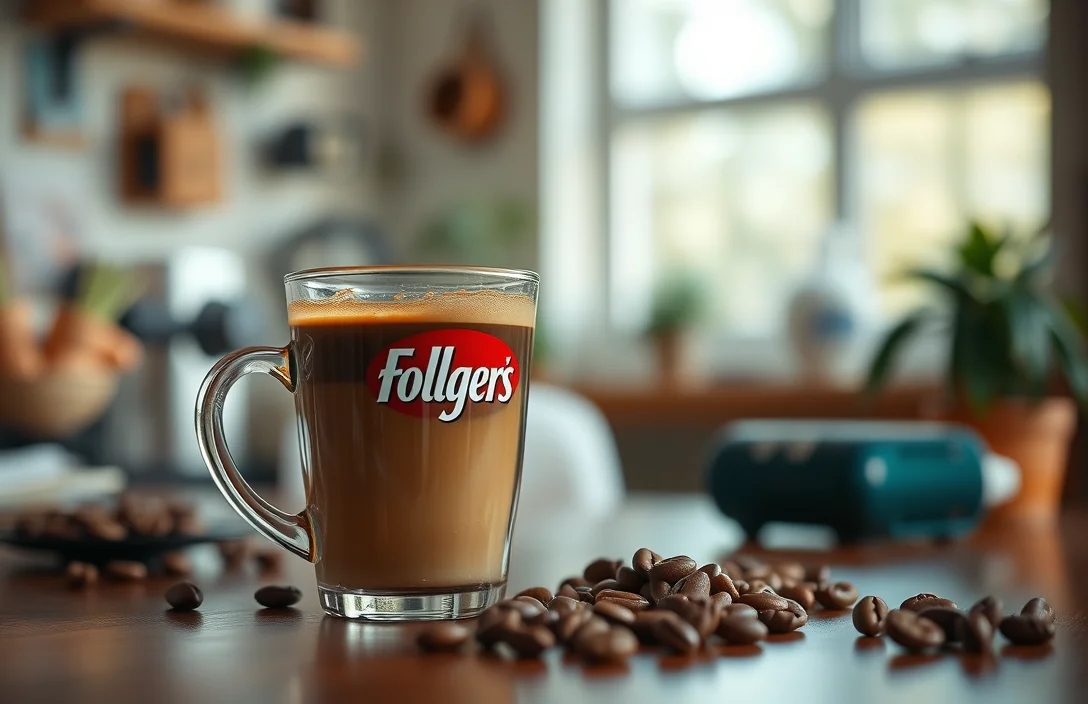
Nearly 95 milligrams of caffeine can be found in an average 8-ounce cup of Folgers coffee, making it a popular choice for those seeking a boost. Understanding this caffeine content helps coffee drinkers manage their energy levels and health effectively.
Caffeine content varies based on the type of Folgers coffee, but most cups contain around 60-100 milligrams. Drinking responsibly is essential, so consider moderation and listen to your body for optimal enjoyment.
Caffeine Levels in Folgers Coffee
Folgers coffee products vary in caffeine content, with the classic Folgers ground coffee containing about 95 mg of caffeine per 8-ounce cup. This amount can fluctuate based on brewing methods and serving sizes, but it offers a solid baseline for understanding your caffeine intake. Knowing this helps you gauge how it fits into your daily routine.
Light and medium roasts typically have slightly higher caffeine levels than darker roasts. For instance, Folgers’ Breakfast Blend, a light roast, can deliver around 120 mg of caffeine per serving, making it an excellent choice for an energy boost. Comparatively, their Dark Roast contains about 80 mg of caffeine per cup. Adjusting your selection can assist in managing caffeine consumption throughout the day.
Instant coffee options, like Folgers Instant, present another caffeine level, averaging around 60 mg per cup. This provides a quick caffeine fix for those short on time or looking for convenience. Balancing your choices with these variations can lead to a more tailored coffee experience based on your caffeine sensitivity and lifestyle needs.
Measuring your servings accurately is crucial for consistent caffeine intake. Using a kitchen scale can help you determine the right amount of coffee grounds for your desired strength. A standard recommendation is to use one to two tablespoons of coffee per 6 ounces of water, which can help maintain a balanced caffeine level while enjoying your favorite Folgers brew.
Comparing Caffeine in Different Coffee Brands
Folgers coffee contains about 95 mg of caffeine per 8-ounce cup, which places it in a moderate range compared to other popular brands. To help you understand how it stacks up, here’s a quick comparison with some competitors.
| Brand | Caffeine (mg per 8 oz) |
| Folgers | 95 |
| Starbucks | 180 |
| Dunkin’ | 120 |
| Peet’s Coffee | 150 |
Comparatively, Starbucks offers the highest caffeine content, nearly double that of Folgers. If you’re looking for a strong boost, exploring these alternatives might be beneficial, especially if you have specific energy needs throughout the day.
Monitoring caffeine intake can enhance your coffee experience. If you enjoy Folgers but need less caffeine, consider brewing a weaker cup or reducing your serving size. Remember, balancing your caffeine consumption is key to maintaining energy levels without unwanted jitters.
Impact of Serving Size on Caffeine Intake
Measure your serving size to control caffeine intake immediately. An 8-ounce cup of regular brewed Folgers contains about 95 mg on average, so cutting volume is the fastest, most reliable way to lower total caffeine without changing beans or brew time. Track and standardize each serving to make daily caffeine predictable and adjustable.
- Estimate caffeine in cup of folgers coffee: multiply ounces by ~12 mg per fluid ounce to approximate total and plan servings accordingly.
- Weigh grounds and water: reduce coffee dose from a 1:15 ratio toward 1:17–1:18 to lower caffeine per cup while keeping similar volume.
- Brew smaller servings: pour 6 ounces instead of 12 or split a carafe into two measured cups to halve caffeine without altering brew parameters.
- Use smaller mugs or a kitchen scale: pre-measure each serving and record sizes to avoid accidental oversized drinks and stay within your target daily limit.
Differences Between Decaf and Regular Folgers
Regular Folgers coffee contains about 95 mg of caffeine per 8-ounce cup, providing a noticeable energy boost. In contrast, decaf Folgers has significantly less, averaging around 3 mg per cup. This drastic reduction allows those sensitive to caffeine to enjoy the flavor of coffee without the stimulating effects.
Caffeine levels in decaf are not completely eliminated. Trace amounts remain due to the decaffeination process. If you’re looking to minimize caffeine intake while still savoring your coffee, decaf is an excellent option. Always check specific product labels for precise caffeine content, as it can vary slightly based on brewing methods and bean types.
Flavor profiles differ between regular and decaf as well. Regular coffee tends to have bolder flavors, while decaf may taste milder due to the removal of caffeine. Experimenting with different brewing techniques can enhance the taste of decaf, making it more enjoyable without the jitters.
Moderation is key when enjoying either type of coffee. Balancing your intake can help you reap the benefits of caffeine without overwhelming your system. If you’re unsure about your caffeine tolerance, consider gradually adjusting your consumption to find what feels right for you.
Health Effects of Caffeine Consumption
Caffeine significantly impacts your health, both positively and negatively. Regular consumption of caffeine, such as in your daily cup of Folgers coffee, can enhance alertness, improve mood, and increase focus. These benefits make it a popular choice for many coffee drinkers. However, moderation is crucial to avoid adverse effects like insomnia, jitteriness, or increased heart rate.
Excessive caffeine intake may lead to negative health effects. Consuming too much can cause anxiety, digestive issues, and increased blood pressure. Daily limits vary, but experts generally recommend keeping caffeine consumption below 400 milligrams, which is roughly equivalent to four 8-ounce cups of brewed coffee. Monitoring your intake is essential for maintaining overall health.
Staying mindful of your body’s response to caffeine can enhance your coffee experience. If you notice any discomfort or negative symptoms, consider reducing your consumption or switching to a lower-caffeine option like decaf. Remember, everyone’s tolerance is different, so finding your ideal balance is key to enjoying coffee without compromising your well-being.
Brewing Methods and Their Caffeine Content
Coffee brewing methods significantly impact caffeine levels in your cup. Different techniques extract varying amounts of caffeine due to factors like water temperature, brew time, and the coffee grind size. Understanding these differences will help you make informed decisions about your daily Folgers intake.
- French press brewing maximizes caffeine extraction. The longer steeping time allows more caffeine to dissolve into the water, resulting in a robust cup. Aim for a steep of around four minutes for optimal flavor and caffeine content.
- Drip coffee machines typically yield moderate caffeine levels. The hot water passes through the grounds quickly, which can limit extraction. For a stronger brew, use a finer grind and increase the coffee-to-water ratio.
- Espresso brewing delivers concentrated caffeine in small servings. Although it appears less in volume, espresso has a higher caffeine concentration, making it a popular choice for those seeking a quick energy boost.
- Cold brew results in different caffeine profiles. This method uses cold water and an extended steeping time, typically 12 to 24 hours, producing a smoother flavor with less perceived acidity, though it can contain high caffeine levels if brewed strong.
Experimenting with these methods will help you discover the perfect balance of flavor and caffeine that suits your preferences and energy needs.
Varieties of Folgers Coffee and Their Caffeine
Folgers coffee comes in various blends, each with unique caffeine content. Classic Roast offers about 95 mg of caffeine per 8 oz cup, making it a popular choice for daily consumption. Meanwhile, the Black Silk blend, known for its rich flavor, provides a similar caffeine level but with a smoother finish.
Decaffeinated options exist for those seeking to reduce caffeine intake. Folgers Decaf contains approximately 3 mg of caffeine per 8 oz cup, perfect for late-night sipping without the jitters. Alternatively, the Folgers Gourmet Selections, like the Breakfast Blend, also deliver around 90 mg of caffeine, catering to different taste preferences while maintaining similar energy levels.
Flavor variations can also influence caffeine levels. Folgers Flavored Coffees, such as French Vanilla or Hazelnut, generally maintain the same caffeine range as the Classic Roast. Always check the packaging for specific details, as blends may vary slightly in caffeine content.
Monitoring your coffee consumption can ensure you enjoy your favorite brews responsibly. Aim for moderation, especially if you’re sensitive to caffeine. Being aware of the different types available helps you make informed choices tailored to your energy needs and flavor preferences.
Quick Summary
- Folgers coffee contains an average of 95 mg of caffeine per 8-ounce cup.
- The caffeine content can vary based on the brewing method and coffee blend.
- Folgers offers a variety of coffee types, including instant, ground, and single-serve options.
- Dark roasts typically have slightly less caffeine than light roasts due to the roasting process.
- Factors like grind size, water temperature, and brewing time can affect caffeine extraction.
- Folgers coffee is a popular choice for its affordability and availability across the U.S.
- Regular consumption of caffeine can lead to increased alertness but may also cause side effects like jitters in sensitive individuals.
Frequently Asked Questions
How much caffeine is in a cup of Folgers coffee?
A standard 8-ounce cup of brewed Folgers coffee contains approximately 95 milligrams of caffeine. However, this can vary based on the brewing method and specific blend used.
Is Folgers coffee stronger in caffeine compared to other brands?
Folgers coffee typically has a caffeine content similar to other popular brands, but some might be slightly higher or lower depending on the specific blend and roast. For example, dark roasts often have slightly less caffeine than light roasts due to the roasting process.
How does the brewing method affect caffeine levels in Folgers coffee?
The brewing method can significantly impact the caffeine content. For instance, using a French press or cold brew method can yield a higher caffeine concentration compared to drip brewing, as these methods allow for longer extraction times.
Can I reduce the caffeine intake from my Folgers coffee?
Yes, you can reduce caffeine intake by opting for decaffeinated Folgers coffee, which contains about 3 to 5 milligrams of caffeine per cup. Additionally, you can also try using a lighter roast or adjusting the amount of coffee grounds you use when brewing.
What are some alternatives to Folgers coffee if I want less caffeine?
If you’re looking for alternatives with less caffeine, consider herbal teas, decaf coffee, or coffee substitutes made from grains like chicory or barley. These options can provide a warm beverage experience without the high caffeine content of traditional coffee.

- Breville BES878BSS Barista Pro Espresso Machine Review: Features, Performance, and Buying Guide - October 31, 2026
- Gaggia RI9380/51 Classic Evo Pro Espresso Machine Review: Features, Performance, and What to Know Before Buying - October 31, 2026
- Gaggia RI9380/46 E24 Espresso Machine Review: Is the Brass Boiler Upgrade Worth It? - October 31, 2026