
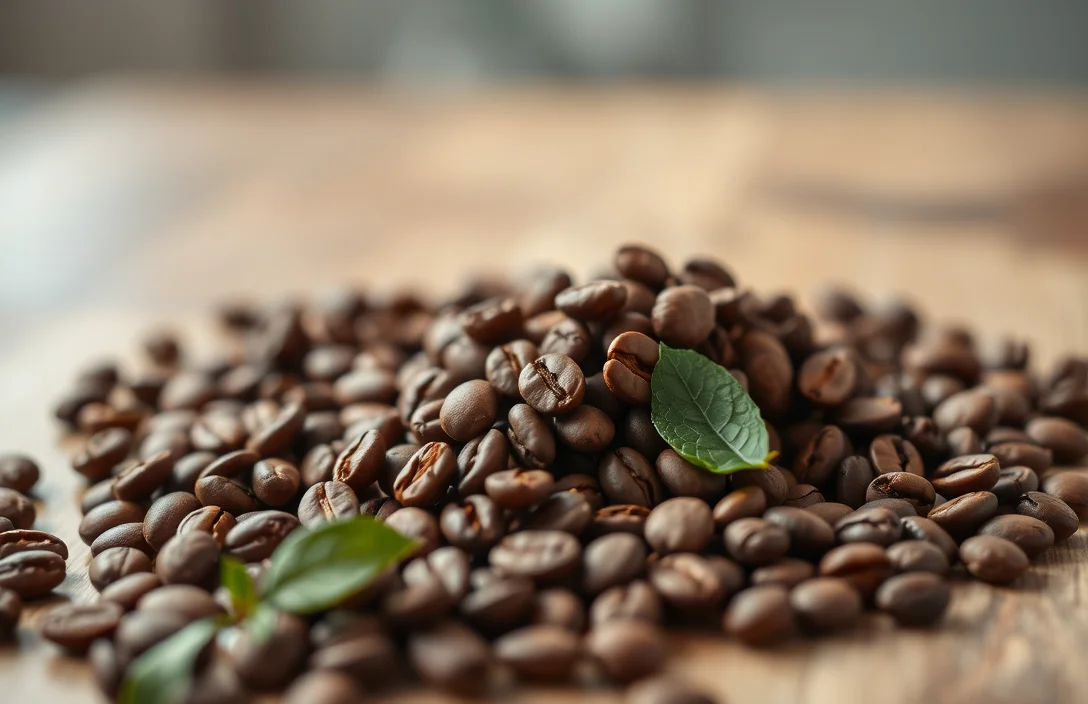
Light roast coffee beans contain approximately 10% more caffeine than dark roast beans. This intriguing fact challenges common beliefs about roast levels and their caffeine content, creating a need for clarity on the actual differences between these popular coffee options for avid coffee enthusiasts.
Light roast beans have higher caffeine levels due to their shorter roasting time, which preserves more caffeine. Dark roast beans, conversely, lose caffeine during the extended roasting process. Ultimately, to maximize caffeine intake, light roasts are the better choice.
Light Roast Caffeine Levels Explained
Caffeine content in light roast beans typically remains higher than in dark roasts. The roasting process influences how much caffeine is retained. Light roasts undergo shorter roasting times, preserving more caffeine compared to their darker counterparts. This characteristic often leads to misconceptions about caffeine levels in different roasts.
Research indicates that light roasts contain about 60-75 milligrams of caffeine per 8-ounce cup, while dark roasts average around 50-65 milligrams. These values can vary based on the coffee bean type and brewing method. Brewing strength also plays a crucial role in the final caffeine content in your cup.
Many people assume dark roasts offer a stronger caffeine kick due to their bolder flavors, yet the science shows otherwise. Roasting coffee beans longer breaks down caffeine molecules. Therefore, if you’re looking for a robust caffeine boost, light roast beans are the better choice.
Common brewing methods can also affect the caffeine extraction. For instance, espresso, regardless of roast type, usually contains concentrated caffeine levels due to its brewing process. Understanding these dynamics can help coffee enthusiasts choose the best roast for their desired caffeine experience.
Comparing Dark and Light Roasts
Caffeine content varies between roast types. Light roast beans retain more of their original caffeine levels compared to dark roasts. This occurs because the roasting process reduces caffeine as beans are exposed to higher temperatures for longer periods. Consequently, many coffee enthusiasts assume that lighter roasts offer a stronger caffeine punch.
Research indicates that while light roasts generally have slightly more caffeine per bean, the difference may not be significant in brewed coffee. Brewing methods, such as the grind size and water temperature, can influence the final caffeine concentration. Thus, the way coffee is prepared can overshadow the inherent differences in roast types.
Comparing beans by weight reveals another aspect. Light roasts are denser due to their shorter roasting time, which means more caffeine could be extracted from the same weight of beans. For those measuring coffee by volume, dark roasts tend to be less dense, potentially leading to lower caffeine levels in a typical serving. Awareness of these factors is crucial for coffee drinkers who prioritize caffeine content.
Roasting Process Impact on Caffeine
Roasting directly influences caffeine content in coffee beans. As beans roast, chemical changes occur, affecting the overall caffeine stability. Contrary to popular belief, light roast beans often retain slightly more caffeine than their dark counterparts due to the shorter roasting time, which preserves more of the caffeine content.
- Caffeine levels decrease during roasting. Extended exposure to heat gradually breaks down caffeine molecules, leading to lower levels in darker roasts.
- Light roasts maintain higher caffeine. Beans that undergo less roasting time experience minimal degradation of caffeine, resulting in a higher concentration compared to darker roasts.
- Measurement varies by weight. Caffeine concentration can be misleading when comparing by volume; lighter roasts are denser and may yield more caffeine when measured by weight.
- Extraction methods influence caffeine. Brewing techniques, such as steeping time and water temperature, can significantly affect the final caffeine content in your cup, regardless of roast type.
- Consumer preference matters. Flavor profiles of light and dark roasts can impact caffeine perception; individuals may feel a stronger kick from lighter roasts due to their brighter, more pronounced flavors.
Influence of Roast Time on Caffeine
Roasting duration significantly impacts caffeine concentration in coffee beans. Longer roasting times typically result in a decrease in caffeine levels. This phenomenon occurs because heat breaks down caffeine molecules, gradually reducing their presence in the beans. As a result, beans roasted for extended periods often have lower caffeine content than lighter roasts, which retain more of their original caffeine.
Beans roasted for shorter durations maintain higher caffeine levels. Light roast beans undergo minimal heat exposure, preserving their caffeine content. Consequently, when asking if light roast beans are more caffeinated, it’s essential to consider how roasting time influences this outcome. High temperatures during prolonged roasting alter the chemical structure of caffeine, leading to a decline in its concentration.
Research shows that the roasting process can reduce caffeine by up to 20% in dark roasts compared to light roasts. Consequently, if caffeine concentration is a priority, opting for a light roast may be beneficial. Many coffee enthusiasts appreciate the bright flavors and aromatic qualities of lighter beans, which can also contribute to a more satisfying caffeine experience.
Brewing Methods and Caffeine Extraction
Brewing methods significantly influence caffeine extraction from coffee beans. Different techniques can yield varying caffeine levels, even from the same type of beans. Understanding these methods helps you optimize your brew for desired caffeine content, particularly when comparing light and dark roasts.
- Espresso machines extract caffeine quickly. The high pressure forces water through finely-ground coffee, leading to a concentrated shot rich in caffeine. This method can yield more caffeine than drip brewing, even from lighter roasts.
- French press brewing allows for maximal extraction. By steeping coarsely ground coffee in hot water for several minutes, you maximize caffeine release. The longer brewing time benefits lighter roasts, enhancing their caffeine content compared to quicker brewing methods.
- Cold brew methods result in high caffeine content. Soaking coarsely ground coffee in cold water for an extended period extracts caffeine efficiently. Light roast beans often shine in this method, offering smooth flavors alongside their caffeine punch.
- Pour-over brewing provides control over extraction. The user can adjust water temperature and flow rate, impacting caffeine levels. Experimenting with lighter roasts in this method can reveal distinct flavors while maintaining a robust caffeine yield.
Mastering these brewing techniques allows you to tailor caffeine levels to your preference. Experimenting with different methods and roast types can lead to exciting discoveries in flavor and caffeine content.
Debunking Caffeine Myths in Coffee
Light roast beans often create misconceptions regarding caffeine content. Many assume that lighter roasting results in higher caffeine levels, but this isn’t entirely accurate. While roasting time affects taste and aroma, the caffeine amount remains relatively stable across different roast levels.
Roasting transforms coffee beans and slightly alters their caffeine concentration. Lighter roasts may appear to have more caffeine due to their denser structure. A single tablespoon of light roast weighs more than a tablespoon of dark roast, leading to more caffeine per measurement if using volume instead of weight.
Research indicates that the difference in caffeine content between light and dark roasts is minimal. Both types contain about the same amount of caffeine per bean, making the actual roast less significant than the brewing method used. Thus, factors like grind size and brewing time play a more substantial role in determining caffeine levels in your cup.
Expert opinions suggest focusing on the brewing method rather than roast type for caffeine needs. For example, methods like espresso extraction yield more concentrated caffeine than standard drip brewing, regardless of roast color. By prioritizing brewing techniques, coffee enthusiasts can better control their caffeine intake.
Flavor Profiles and Caffeine Perception
Caffeine perception can significantly vary based on flavor profiles. Light roast coffees often display brighter, more acidic flavors, which can enhance the perception of caffeine strength. These flavor characteristics can trick the palate into feeling a stronger caffeine impact, even if the actual caffeine content is similar to darker roasts.
- Bright acidity in light roasts can stimulate taste buds, making the drink feel more invigorating. Seek out light roast varieties that showcase citrus or floral notes for a lively experience.
- Sweetness levels also influence perception. Light roasts with caramel or honey-like sweetness can mask bitterness, leading to a smoother finish that feels less intense despite similar caffeine levels.
- Body and mouthfeel play a crucial role. Light roasts tend to have a lighter body, which can make the caffeine feel more prominent. Experimenting with brewing methods can enhance this effect, as pour-over or Aeropress techniques often yield a cleaner cup.
- Personal preferences can skew perception. Individual sensitivity to caffeine varies, meaning some drinkers may feel a stronger effect from lighter roasts due to their unique flavor experiences. Pay attention to how different beans affect your energy levels.
Quick Summary
- Light roast beans generally have a slightly higher caffeine content compared to dark roasts.
- The roasting process causes some caffeine loss; lighter roasts retain more caffeine due to shorter roasting times.
- The difference in caffeine levels between light and dark roasts is minimal and often negligible.
- Brewing methods and coffee-to-water ratios can significantly affect the caffeine extraction from any roast.
- Individual coffee beans and their origin also play a crucial role in determining caffeine levels.
- Light roast coffee may taste milder and more acidic, which can influence perceptions of its strength.
- Ultimately, personal preference for taste and flavor profile should guide roast selection over caffeine content alone.
Frequently Asked Questions
Are light roast beans more caffeinated than dark roast?
No, light roast beans are not necessarily more caffeinated than dark roast beans. The roasting process affects the flavor and acidity, but the caffeine content remains fairly consistent across different roast levels.
How does the roasting process affect caffeine levels?
The roasting process primarily changes the flavor profile and appearance of the beans rather than their caffeine content. While light roasts might taste stronger, the caffeine content is similar to that of dark roasts.
Does brewing method impact caffeine in coffee?
Yes, the brewing method can significantly affect the caffeine extraction from the coffee grounds. For instance, methods like espresso or French press typically yield higher caffeine concentrations compared to drip coffee.
Can I measure the caffeine content in my coffee?
Caffeine content can be estimated based on the type of coffee and brewing method used, but precise measurement requires lab testing. General guidelines suggest that light roasts and dark roasts have similar caffeine levels per volume.
What should I choose if I want a higher caffeine boost?
If you’re looking for a higher caffeine boost, consider the brewing method and the amount of coffee used rather than just the roast type. A well-brewed cup of coffee using a method that extracts more caffeine will provide you with the desired effect, regardless of the roast level.

- Espresso Tastes Watery? 10 Common Causes and How to Fix It - October 23, 2026
- 10 Common Coffee Equipment Cleaning Mistakes and How to Avoid Them - October 23, 2026
- 17 Common Coffee Grinder Problems and How to Fix Them - October 23, 2026