
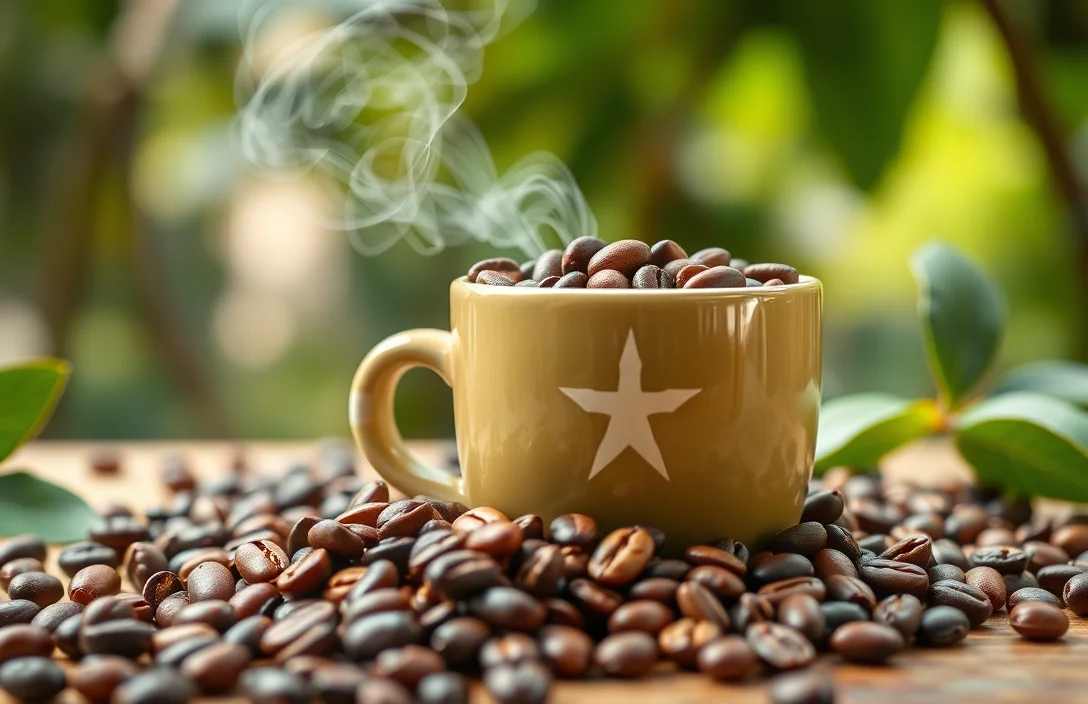
According to the USDA, an average coffee bean contains about 6 milligrams of caffeine, making it a significant source of this stimulating compound. This statistic raises curiosity about how coffee beans compare to other sources of caffeine and their overall impact on our daily intake.
Coffee beans are generally high in caffeine, with factors like bean type and brewing method affecting the final caffeine content. Robusta beans tend to have higher caffeine levels than Arabica, and brewing techniques can further influence the amount extracted.
Caffeine Content in Different Coffee Beans
Arabica beans generally contain less caffeine compared to Robusta beans. An average Arabica coffee has about 12 milligrams of caffeine per ounce, while Robusta can have around 22 milligrams. The difference in caffeine levels significantly influences the flavor and aroma of the coffee, with Robusta often being more bitter and robust in taste.
Robusta beans account for nearly 40% of global coffee production. These beans thrive at lower altitudes and are more resilient to pests and diseases. Their higher caffeine content serves as a natural pest deterrent, making them easier to grow in various climates.
Liberica beans present an interesting alternative with lower caffeine levels, averaging about 15 milligrams per ounce. While not as popular, their unique flavor profile attracts some coffee enthusiasts. The choice of bean impacts not only caffeine content but also the overall coffee experience.
Excelsa beans, a variety of Liberica, also provide a distinct taste with moderate caffeine content. Although they contribute to blends rather than being consumed alone, they add complexity and depth to the overall flavor. Understanding these variations is crucial for coffee lovers seeking specific caffeine experiences.
Factors Influencing Caffeine Levels
Growing conditions significantly impact caffeine levels in coffee beans. Factors like altitude, climate, and soil composition play crucial roles in determining the caffeine concentration. Beans cultivated at higher altitudes often develop more caffeine as a natural defense against pests, resulting in a stronger flavor profile and potentially higher caffeine content.
- Altitude affects caffeine production. Beans grown in mountainous regions tend to have higher caffeine levels. The cooler temperatures and increased sunlight exposure encourage the plant to produce more caffeine.
- Soil quality contributes to caffeine levels. Rich, well-drained soils provide essential nutrients that boost the overall health of the coffee plant, leading to better bean quality and potentially higher caffeine content.
- Climate plays a crucial role. Warm temperatures and consistent rainfall throughout the growing season can enhance the growth rate of coffee plants, which may subsequently influence caffeine production.
- Processing methods influence caffeine retention. The way beans are processed after harvesting, such as wet or dry methods, can affect the final caffeine concentration in the brewed coffee.
- Varietal differences impact caffeine levels. Different coffee species and cultivars exhibit varying caffeine concentrations, with some naturally containing more caffeine than others.
Comparing Coffee Bean Types
Arabica beans contain less caffeine compared to Robusta beans. Specifically, Arabica averages around 1.2% caffeine content, while Robusta typically boasts approximately 2.2%. This significant difference means that if you seek a stronger caffeine kick, Robusta is the better choice.
Robusta beans are often used in espresso blends due to their bold flavor and higher caffeine levels. Roasters appreciate its ability to create a rich crema, which enhances the overall coffee experience. This makes Robusta a popular choice for those who enjoy a robust coffee with a kick.
Arabica beans, on the other hand, are prized for their smooth, nuanced flavors. Many connoisseurs prefer them for their sweetness and aromatic qualities. Although lower in caffeine, these beans provide a more refined taste profile, appealing to those who value flavor over caffeine punch.
Choosing your coffee based on caffeine content can enhance your daily routine. If you’re sensitive to caffeine or prefer a milder experience, Arabica might suit you better. For those who thrive on higher caffeine levels, Robusta serves as a vigorous option that can fuel long days.
Impact of Brewing Methods on Caffeine
Brewing methods significantly influence caffeine extraction. Each technique utilizes different water temperatures, brew times, and coffee-to-water ratios, which all affect how much caffeine ends up in your cup. Understanding these factors can help you control your caffeine intake effectively.
- Espresso machines extract caffeine quickly. Using high pressure and a short brew time allows espresso to pack a punch in caffeine concentration, making it a popular choice for those seeking a quick energy boost.
- French press brewing maximizes caffeine extraction. By steeping coarsely ground coffee in hot water for several minutes, this method results in a robust flavor and higher caffeine content compared to quicker methods.
- Pour-over techniques provide control over caffeine levels. Adjusting water temperature and pouring speed can optimize extraction, allowing you to fine-tune the caffeine concentration to your preference.
- Cold brew coffee contains higher caffeine levels. Brewing with cold water over an extended period, typically 12-24 hours, results in a smoother, less acidic drink that retains a significant amount of caffeine.
- Drip coffee varies in caffeine depending on brew time. Longer brewing durations generally lead to higher caffeine extraction, which can result in a stronger cup if the right ratios are used.
Caffeine Comparison with Other Beverages
Coffee beans typically contain higher caffeine levels compared to other popular beverages like tea and energy drinks. Understanding how coffee stacks up against these alternatives provides insight into your daily caffeine intake. Here’s a breakdown of caffeine content in various beverages:
- Espresso: Contains about 63 mg per shot (1 oz), making it one of the strongest coffee options available.
- Drip coffee: A standard 8 oz cup has approximately 95 mg, which varies based on brewing method and bean type.
- Black tea: Generally offers around 40-70 mg per 8 oz cup, significantly less than coffee.
- Green tea: Typically provides 20-45 mg per 8 oz cup, appealing for those seeking lower caffeine levels.
- Energy drinks: Can range widely, averaging between 80-150 mg per 8 oz, often with additional stimulants and sugars.
Comparative analysis shows that coffee beans are high in caffeine relative to most teas and energy drinks. Recognizing these differences helps individuals make informed decisions about their beverage choices.
Understanding Decaffeinated Coffee
Decaffeinated coffee offers a lower caffeine alternative for those sensitive to its effects. Beans undergo a decaffeination process that removes most of the caffeine while preserving the flavor. Typically, decaf coffee retains about 2-5% of the original caffeine content, significantly less than regular coffee, making it an appealing option for many coffee drinkers.
Various methods exist for decaffeinating coffee, including the Swiss water process and chemical solvents. The Swiss water method uses water to extract caffeine, while the chemical method employs solvents to achieve the same result. Both methods aim to maintain the beans’ natural flavors while reducing caffeine levels.
Decaf coffee can still provide a comforting beverage experience without the jitters associated with high caffeine consumption. Many brands offer decaffeinated blends that cater to diverse taste preferences. Exploring different roasts and origins can reveal unique flavor profiles, even in decaf options.
Consumers should check labels to understand the caffeine content in decaffeinated coffee. While most options are low in caffeine, variations exist, and some may contain slightly higher levels. Selecting reputable brands ensures a consistent and enjoyable decaf experience.
Health Implications of Caffeine Consumption
Caffeine limits matter: keep total daily intake to 200–400 mg for most adults; if you ask “are coffee beans high in caffeine,” remember dose matters. Stop caffeine six hours before bedtime, reduce or avoid if pregnant, anxious, hypertensive, or arrhythmic; track sources and switch to lower-caffeine roasts or decaf if palpitations or sleep disruption occur.
Quick Summary
- Coffee beans are relatively high in caffeine compared with most foods when measured by weight.
- Bean variety matters: Robusta beans typically contain about twice the caffeine of Arabica (roughly ~2.0–2.5% vs ~1.0–1.5% by weight).
- Roast level affects bean density more than caffeine content — light roasts can yield slightly more caffeine per scoop because they are denser; overall caffeine loss from roasting is minimal.
- Brewing method and grind determine how much caffeine transfers to the cup: espresso is more concentrated per ounce, while drip or French press often deliver more total caffeine per typical serving.
- Decaffeinated coffee beans are not caffeine‑free; most decaf processes remove about 97% of the caffeine but small amounts remain.
- Whether beans are “high” in caffeine depends on serving size and preparation—portion control and brewing choices are the main factors that influence how much caffeine you consume.
Frequently Asked Questions
Are coffee beans high in caffeine compared to other foods?
Yes, coffee beans are relatively high in caffeine compared to many other foods and beverages. A typical coffee bean contains about 1-2% caffeine by weight, which is significantly higher than most tea leaves or chocolate.
How much caffeine is in a single coffee bean?
On average, a single coffee bean contains approximately 6-12 milligrams of caffeine. However, this can vary based on the type of bean and how it is processed.
Do darker roasted coffee beans have more caffeine?
Contrary to popular belief, darker roasted coffee beans do not contain significantly more caffeine than lighter roasts. The roasting process does reduce the caffeine content slightly, but the difference is minimal when brewed.
How does the brewing method affect caffeine content?
The brewing method can greatly influence the caffeine content in your cup of coffee. For example, methods like espresso yield a higher concentration of caffeine per ounce, while drip coffee typically has a higher total caffeine content due to larger serving sizes.
Can I get caffeine from decaffeinated coffee beans?
Yes, decaffeinated coffee beans do contain some caffeine, though significantly less than regular beans. Decaf coffee usually has about 2-5 milligrams of caffeine per cup, depending on the brewing method and bean type.

- Breville BES878BSS Barista Pro Espresso Machine Review: Features, Performance, and Buying Guide - October 31, 2026
- Gaggia RI9380/51 Classic Evo Pro Espresso Machine Review: Features, Performance, and What to Know Before Buying - October 31, 2026
- Gaggia RI9380/46 E24 Espresso Machine Review: Is the Brass Boiler Upgrade Worth It? - October 31, 2026