
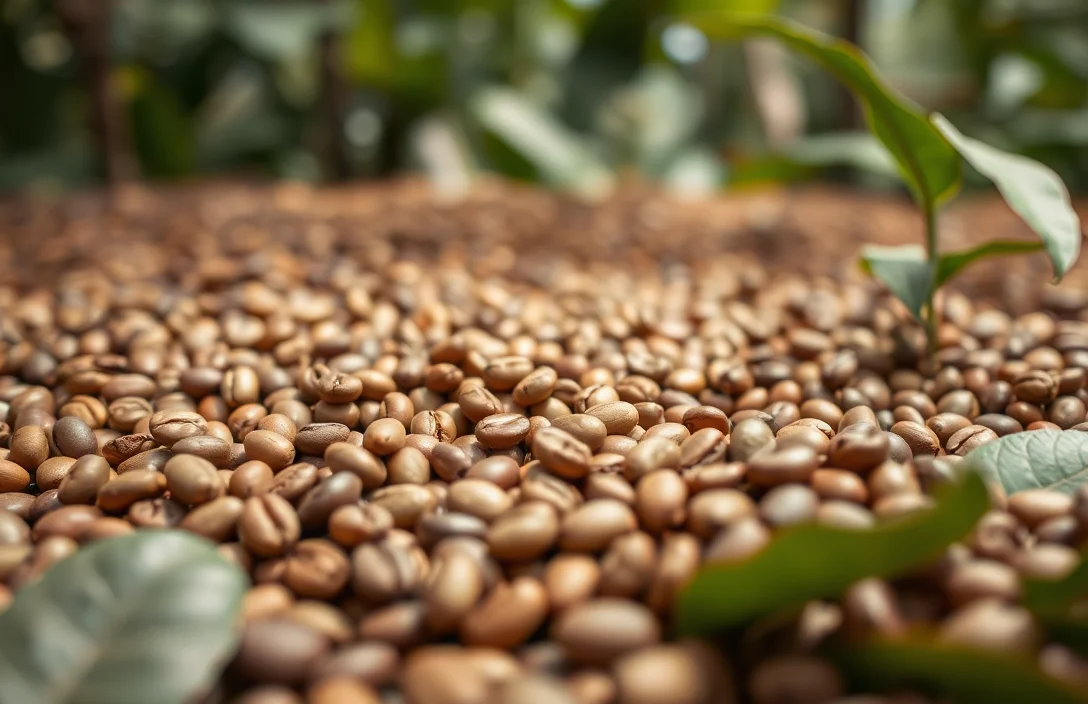
Sixty percent of the world’s coffee production consists of Arabica beans, known for their smooth flavor profile. In contrast, robusta beans make up about thirty-eight percent and often provide a bitter taste. This difference raises the question: are Arabica beans truly better than robusta?
Arabica beans are generally preferred for their flavor and aroma, while robusta beans deliver a stronger caffeine kick. Arabica tends to have lower caffeine levels and is often considered higher quality due to its complex taste.
Flavor Profiles of Arabica and Robusta
Arabica offers sweeter, more complex flavors with pronounced acidity, floral and fruit notes, and a smoother mouthfeel; common tasting notes include red fruit, citrus, chocolate, and caramel. Robusta contrasts with earthier, nutty, and woody tones, heavier body, and harsher bitterness. Recognize Arabica by brightness and layered aromatics; recognize Robusta by raw, bold depth and persistent bitterness.
Taste tip: If asked ‘are arabica beans better than robusta’, prioritize Arabica for single-origin, nuanced cups and add Robusta to boost crema, body, or cost-efficiency in blends.
Caffeine Content Differences
Arabica contains roughly 0.8–1.4% caffeine by dry weight, typically about 1.2%, while robusta contains about 1.7–4.0%, commonly near 2.2%. These numbers mean a bean-by-bean caffeine difference and explain robusta’s noticeably stronger stimulant effect per gram. Adjust grind and dose to control final caffeine.
Robusta averages roughly double caffeine per bean and produces faster, clearer alertness; it also tolerates darker roasts without losing strength. Consider robusta when you need higher-caffeine blends, stronger crema in espresso, or when shelf stability and dose economy matter.
| Bean | Typical caffeine (% dry) | Common effect per gram |
| Arabica | ≈0.8–1.4% | Milder stimulant |
| Robusta | ≈1.7–4.0% | Stronger stimulant |
Practical tip: weigh beans, not volume, when comparing caffeine between varieties; grind size and extraction change final milligrams per cup. For the question are arabica beans better than robusta, choose based on your preferred caffeine level and flavor trade-off.
Growing Conditions for Each Bean
High-altitude Arabica needs cooler temperatures, 1,000–2,000 meters elevation, steady 15–24°C range, regular rainfall and partial shade; it demands careful pruning, fungicide vigilance for coffee leaf rust, and delivers lower but higher-quality yields. If asking are arabica beans better than robusta, choose Robusta where low altitude, 0–800 m, hotter 24–30°C climates, poorer soils and pest tolerance are factors.
Market Demand and Pricing Trends
Consumer preferences heavily influence coffee pricing. Arabica beans generally command higher prices due to their perceived superior flavor and lower yield compared to robusta. This demand results in more stringent sourcing and processing requirements, which further elevates costs. Consequently, consumers often pay a premium for arabica, reflecting its status in specialty coffee markets.
Market trends indicate growing interest in high-quality arabica. Specialty coffee shops and roasters are increasingly emphasizing the unique flavors of arabica beans, driving demand among discerning coffee drinkers. As a result, robusta’s market share has diminished, with consumers favoring arabica for its aromatic and nuanced profiles, which are often deemed superior.
Pricing fluctuations reflect supply chain dynamics. Weather conditions, political stability in coffee-producing regions, and global economic factors can impact availability. For instance, a poor harvest can lead to significant price hikes for arabica beans, making them less accessible. Coffee lovers must stay informed about these trends to make educated purchasing decisions.
Future projections suggest ongoing growth in arabica demand. As coffee culture evolves, more consumers seek quality over quantity, favoring beans that provide rich flavor experiences. This shift will likely continue to shape the pricing landscape, with arabica maintaining its premium position in the market, while robusta struggles to compete.
Brewing Methods for Optimal Flavor
Brewing techniques significantly influence the flavor profile of coffee. Arabica beans thrive in methods that emphasize their subtlety and complexity, whereas robusta beans benefit from approaches that highlight their boldness and strength. Selecting the right brewing method will enhance the unique characteristics of each type for an enjoyable experience.
Espresso machines excel with robusta beans. High pressure extracts rich flavors, resulting in a bold shot with a thick crema. This method captures the bean’s natural bitterness while maintaining a strong body. Adjusting the grind size finer enhances the extraction, ensuring robusta’s qualities shine through.
Pour-over methods suit arabica beans exceptionally well. This technique allows for controlled water flow, promoting even extraction and bringing out delicate fruity notes. Opting for a medium grind and a water temperature around 195°F to 205°F maximizes flavor without scalding the beans.
French press brewing enhances robusta’s full-bodied profile. Coarse grounds steep in hot water, allowing oils and flavors to infuse thoroughly. A steep time of around four minutes will yield a rich, textured cup, showcasing robusta’s characteristic robustness.
Aeropress works well for both beans. This versatile method enables experimentation with pressure and steep time, allowing arabica’s sweetness or robusta’s intensity to come forward. Adjusting the brewing variables can create a tailored cup that highlights preferred flavors.
Health Benefits and Risks of Coffee Types
Choose Arabica when sensitive to caffeine or acid; Arabica typically contains about 30–50% less caffeine than Robusta and has milder acidity, reducing jitteriness and GERD risk. Prefer Robusta only when higher alertness or stronger antioxidant intake is required, but limit unfiltered Robusta brewing because higher cafestol can raise LDL. If you ask are arabica beans better than robusta for health, Arabica usually wins.
Sustainability and Environmental Impact
Shade-grown sourcing reduces land use and boosts biodiversity while often improving cup quality; prioritize beans from agroforestry systems and farms with Rainforest Alliance, Organic, or Bird-Friendly certification. Ask roasters for yield and pesticide data, favor traceable single-origin lots, and weigh species trade-offs — higher-yield Robusta can lower footprint, but certified Arabica under shade often offers the best ecological balance for consumers deciding are arabica beans better than robusta.
Quick Summary
- Arabica is generally considered higher-quality for taste—sweeter, more acidic and complex—while Robusta is stronger, more bitter and earthier.
- Robusta contains roughly twice the caffeine of Arabica, which contributes to its harsher flavor and greater bitterness.
- Arabica is grown at higher altitudes, is more delicate and disease-prone, and usually commands a higher price than hardy, high-yielding Robusta.
- Robusta produces thicker crema in espresso and adds body and punch to blends; Arabica is preferred for specialty single-origin brews and filter methods.
- Many commercial and instant coffees use Robusta for cost and consistency; specialty cafés and single-origin offerings predominantly use Arabica.
- Nutritionally and healthwise there’s no clear “better” bean—both contain antioxidants and similar compounds; differences are mostly flavor and caffeine-related.
- Bottom line: neither is universally better—choose Arabica for nuanced flavor and Robusta for strength, crema, affordability or blend balance.
Frequently Asked Questions
Are Arabica beans better than Robusta?
Not universally — “better” depends on what you want. Arabica is prized for its delicate, complex flavors and lower bitterness, while robusta is stronger, more bitter, and higher in caffeine; many roasters blend them to balance flavor, crema, and cost.
How do their flavor profiles differ?
Arabica tends to be sweeter with floral, fruity, and acidic notes, offering more nuance and a smoother finish. Robusta usually delivers earthier, nuttier, or chocolatey flavors with more bitterness and body.
Which is best for espresso or drip brewing?
For espresso, blends often include some robusta to add crema and extra body, while many specialty coffee enthusiasts prefer 100% arabica for single-origin shots. For drip, pour-over, or French press, arabica’s complexity typically shines more, though personal taste matters.
Is there a big difference in caffeine or health effects?
Yes — robusta contains noticeably more caffeine (roughly twice as much by bean weight), which contributes to its sharper bitterness and makes the plant hardier. The health differences are minor for most people and mainly relate to the higher caffeine content and how you consume the coffee.
How should I choose which to buy?
Base your choice on brewing method, flavor preference, and budget: choose single-origin arabica for nuanced, milder cups; consider blends or robusta if you want stronger body, more crema, or lower cost. Try small bags or samples and pay attention to roast level and origin, since roast and processing often influence taste as much as species.

- Espresso Tastes Watery? 10 Common Causes and How to Fix It - October 23, 2026
- 10 Common Coffee Equipment Cleaning Mistakes and How to Avoid Them - October 23, 2026
- 17 Common Coffee Grinder Problems and How to Fix Them - October 23, 2026