
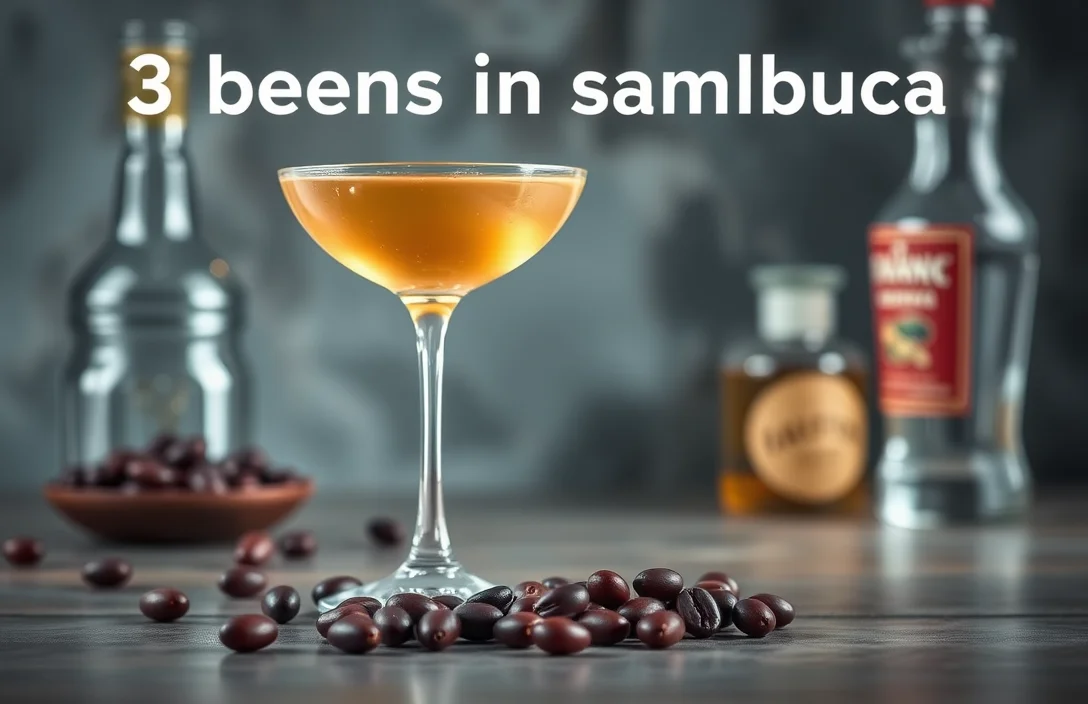
Three beans in sambuca is not just a garnish; it symbolizes health, fortune, and a nod to tradition. This Italian liqueur, often enjoyed as a digestif, features three coffee beans that float atop the drink, creating a unique experience for enthusiasts and newcomers alike.
Beans signify health, wealth, and happiness in Italian culture. The coffee aroma enhances the drink’s flavor profile, making sambuca not just a beverage but an experience that connects drinkers to its rich heritage.
History of Sambuca
Originating in Italy, sambuca has a rich history closely tied to the culture of the country. Traditionally, this anise-flavored liqueur first appeared in the late 19th century. Distillers sought to create a unique spirit that showcased local flavors, leading to sambuca’s creation. Its distinctive taste comes from the infusion of various botanicals, primarily anise.
Popularity surged as it became a staple in Italian bars and restaurants. Serving sambuca neat or with coffee became a common practice, further solidifying its place in Italian tradition. The drink often features three coffee beans, symbolizing health, wealth, and happiness, enhancing its cultural significance. Many enjoy it as a post-meal digestif, emphasizing its role in social gatherings.
Legends surround sambuca’s origin, with some attributing its name to the Latin word “sambucus,” referring to the elderberry plant used in its early recipes. This connection highlights the natural ingredients that define sambuca’s flavor profile. Over time, variations of the drink emerged, appealing to diverse palates while maintaining its core identity.
Craftsmanship remains vital in sambuca production, with artisanal distilleries preserving traditional methods. Each producer often infuses their own twist on the recipe, resulting in unique offerings. This dedication to quality ensures that sambuca continues to thrive in the global spirits market, captivating enthusiasts worldwide.
Ingredients of Sambuca
Three beans in sambuca serve as a signature element, enhancing the drink’s character. Traditionally, these beans are coffee beans, which add a rich flavor profile. Each bean symbolizes something unique, contributing to the overall experience of enjoying sambuca. The ritual of serving sambuca with beans adds a cultural touch, making it more than just a beverage.
Beans contribute not only to the taste but also to the visual appeal. Placing them in the glass creates an inviting presentation that sparks curiosity. As the sambuca is sipped, the beans release their aroma, complementing the anise flavor that defines this liqueur. This combination makes the drinking experience memorable and engaging.
Symbolism plays a crucial role in the significance of the three beans. Each bean is often said to represent health, happiness, and prosperity. This connection enhances the enjoyment, making sambuca a popular choice for celebrations and toasts. Integrating these beans into the ritual elevates the entire experience, ensuring it resonates with drinkers.
Role of Coffee Beans
Coffee beans symbolize the rich tradition in sambuca, providing a unique flavor and aroma. Their inclusion is not merely decorative; they enhance the drink’s overall character. The three beans represent health, happiness, and prosperity, making them essential in this classic Italian liqueur.
Traditionally, the beans are placed in the glass during serving. This practice allows drinkers to savor the aromatic essence of coffee while enjoying sambuca. As the drink is consumed, the beans infuse their flavors, creating a delightful experience that appeals to both the palate and the senses.
Enjoying the sambuca with coffee beans can be done in various ways. Some prefer to chew the beans for an intense burst of flavor, while others may choose to let them float on the surface, allowing the aroma to enhance each sip. Regardless of preference, the beans contribute significantly to the drink’s charm.
Pairing sambuca with coffee beans can also enhance food experiences. Consider serving it alongside desserts, where the rich flavors complement each other beautifully. Dishes like tiramisu or dark chocolate desserts resonate well with the coffee notes, creating a harmonious dining experience.
Flavor Profile of Sambuca
Sambuca features a unique flavor profile that sets it apart in the world of spirits. Primarily, its intense anise flavor dominates, providing a sweet and aromatic experience. The addition of three beans enhances this profile, introducing complexity and depth to every sip. Each bean contributes distinct notes that balance the overall sweetness of the sambuca.
Anise offers a bold licorice taste, while the coffee beans add roasted bitterness. These contrasting flavors create a harmonious blend that appeals to a wide range of palates. The third bean, often a symbol of good luck, enriches the spirit with subtle earthy undertones, rounding out the experience. Together, they elevate the drinking experience beyond a typical liqueur.
Serving sambuca with the beans not only enhances the flavor but also adds an element of tradition. The visual appeal of the beans floating in the glass complements the drink’s aromatic qualities. Enjoying sambuca in this manner transforms it into a multisensory experience, allowing drinkers to appreciate the craftsmanship behind this iconic liqueur.
Sambuca Serving Traditions
Serving sambuca with three beans adds a traditional flair. These beans, often coffee beans, symbolize health, wealth, and happiness. Placing them in the glass enhances the drink’s presentation and offers a unique sensory experience, contrasting the sweet liqueur with the aromatic coffee. This ritual is especially popular in Italy, where it signifies good fortune.
Presenting sambuca involves a specific technique. Pour the liqueur into a shot glass, then add the beans. Some prefer lighting the sambuca on fire briefly before extinguishing it. This method caramelizes the sugars, enhancing the flavor. Always serve it with a side of water or ice, allowing guests to adjust the drink to their taste.
Embarking on this serving ritual creates memorable experiences. Guests often appreciate the cultural significance behind the beans, making it a conversation starter. Sharing stories about sambuca’s origins or the meaning of the beans engages everyone and deepens their appreciation for the drink.
Incorporating the beans into cocktails also adds creativity. Mix sambuca with other spirits while keeping the beans as garnishes. This method not only looks appealing but also creates a layered tasting experience. Experimenting with different combinations can lead to unique flavor profiles that surprise and delight patrons.
Variations of Sambuca
Three beans in sambuca represent a unique tradition, but variations exist based on personal preference and regional practices. Some prefer adding a twist to the classic presentation by using flavored beans or infusing the drink with additional botanicals. Experimenting with different ingredients can enhance the overall tasting experience.
Flavor combinations expand options significantly. For instance, mixing coffee beans with hazelnuts or chocolate can create a richer palate. These additions not only provide depth but also cater to diverse tastes, ensuring that there’s something for everyone to enjoy.
Presentation styles also vary among enthusiasts. While the traditional method features the iconic three beans floated on top, some serve sambuca with a single bean or a combination of flavored beans. This personalization allows for creative expression and can make serving the drink more visually appealing.
Serving temperatures can influence the flavor profile. Many opt to serve sambuca chilled, while others enjoy it at room temperature. Chilling enhances the sweetness and smoothness, while warmer temperatures may bring out bolder flavors inherent in the ingredients.
Ultimately, variations of sambuca reflect individual tastes and cultural influences. Embracing these differences can lead to delightful new experiences, making sambuca not just a drink but a canvas for creativity and personal expression.
Sambuca Cocktails and Mixers
Experimenting with sambuca cocktails enhances flavor. Using the classic three beans—representing health, wealth, and happiness—adds a unique touch to drinks. Incorporate them into cocktails like a sambuca sour or a sambuca martini for a delightful experience. Choose a cocktail recipe that complements the anise flavor of sambuca, ensuring harmony in taste.
Creating variations keeps drinks exciting. Combine sambuca with citrus juices or tonic water for refreshing options. A sambuca mojito, mixing fresh mint and lime, offers a vibrant alternative. Explore combinations with bitters or flavored syrups to elevate the drink’s complexity, making it suitable for different occasions.
Serving techniques matter for enjoyment. Chill sambuca before serving to enhance its flavor. Present cocktails in elegant glassware, garnished with fresh herbs or fruits to attract attention. Encourage guests to savor the drink, appreciating the rich history and symbolism of the three beans as they sip.
Mixing sambuca with coffee creates a popular after-dinner drink. Pour sambuca over espresso for an energizing boost or create a layered coffee cocktail. This combination delivers both warmth and a hint of sweetness, making it an excellent choice for gatherings or intimate evenings.
Quick Summary
- Explores the unique combination of three beans used in sambuca, a traditional Italian liqueur.
- Details the significance of the beans: coffee, anise, and sugar.
- Highlights the preparation process and the cultural rituals associated with sambuca consumption.
- Discusses the flavor profile and how it enhances the drinking experience.
- Examines variations of sambuca and their regional differences in Italy.
- Offers tips on serving sambuca, including traditional garnishes and pairing suggestions.
- Provides historical context and the evolution of sambuca over the years.
Frequently Asked Questions
What are the three beans in sambuca?
The three beans in sambuca typically represent coffee beans, which symbolize good health and happiness. These beans are often served floating in the drink, adding an aromatic and flavorful element to the experience.
How is sambuca traditionally served?
Sambuca is traditionally served as a shot, often with the beans added in. It can also be served with a flame, where the sambuca is ignited for a brief moment before being extinguished and consumed, enhancing the flavor and aroma.
What flavors can I expect from sambuca?
Sambuca is known for its strong anise flavor, reminiscent of black liquorice. The addition of the coffee beans adds a deeper, richer note, balancing the sweetness of the drink with a hint of bitterness.
Can sambuca be used in cocktails?
Yes, sambuca can be used in various cocktails to add a unique flavor profile. It pairs well with citrus and other liqueurs, making it a versatile ingredient for mixologists.
Is sambuca suitable for vegetarians or vegans?
Most sambucas are made from natural ingredients, making them suitable for vegetarians and vegans. However, it’s always best to check the label or ask the manufacturer to ensure there are no animal-derived additives.

- Espresso Tastes Watery? 10 Common Causes and How to Fix It - October 23, 2026
- 10 Common Coffee Equipment Cleaning Mistakes and How to Avoid Them - October 23, 2026
- 17 Common Coffee Grinder Problems and How to Fix Them - October 23, 2026