
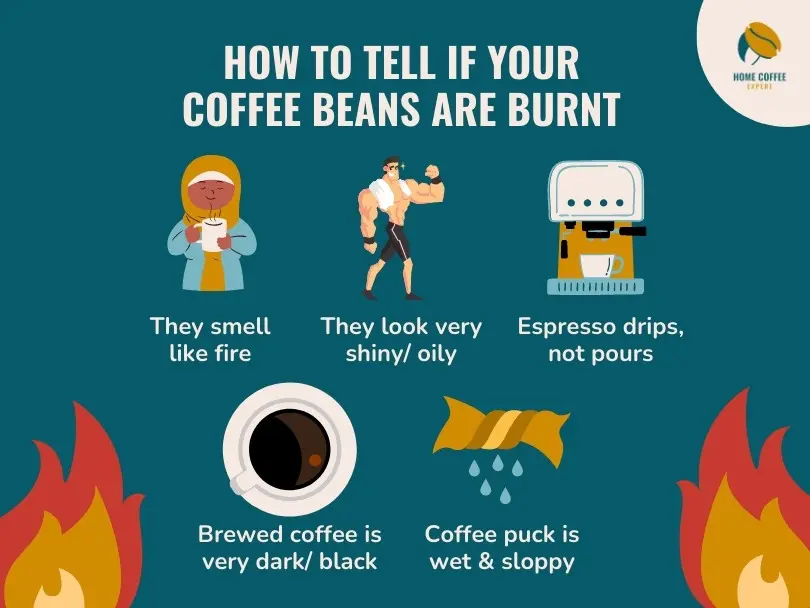
Coffee tastes burnt primarily due to over-roasting, excessive heat during brewing, or using stale beans.
Many coffee enthusiasts have, at some point, encountered that unpleasantly acrid, charred flavor in their cup, leaving them to wonder, "why does coffee taste burnt?" This pervasive issue often detracts from the nuanced profiles coffee can offer. As someone deeply immersed in the world of coffee, from bean selection to brewing science, I understand the frustration this can cause. We will meticulously explore the multifaceted reasons behind this common dilemma, providing you with expert insights and actionable strategies to transform your coffee experience from charred to cherished.

Understanding the Roast: The Foundation of Flavor
The journey of coffee flavor begins at the roasting stage. This critical process transforms green coffee beans into the aromatic, flavorful beans we recognize. However, if this process is mismanaged, it can be a primary reason why coffee tastes burnt. The precise application of heat over time is essential to develop desirable flavors.
Dark Roasts vs. Burnt
It is crucial to differentiate between a dark roast and a burnt coffee taste. A well-executed dark roast, like a French or Italian roast, deliberately pushes the beans further to develop smoky, bold, and sometimes bittersweet notes. These roasts can have a richer, more intense flavor profile without tasting inherently burnt. The characteristic flavors might include notes of dark chocolate or caramel, but not ash or carbon.
The Chemistry of Over-Roasting
Over-roasting occurs when beans are exposed to excessive heat or roasted for too long. During roasting, chemical reactions like the Maillard reaction and caramelization create hundreds of flavor compounds. If prolonged, these beneficial reactions give way to pyrolysis, literally the "breaking down by fire." This process incinerates sugars and organic compounds within the bean. This destructive breakdown generates compounds with an acrid, smoky, and often harsh flavor, resulting in that distinct burnt coffee taste. It’s akin to burning toast; once charcoal forms, there's no going back.
Brewing Blunders: Sabotaging Your Cup
Even with perfectly roasted, fresh beans, improper brewing techniques can quickly lead to that unwelcome burnt coffee taste. The interaction between water and coffee grounds is a delicate balance, and small deviations can have significant impacts. Understanding these variables is key to unlocking the true potential of your coffee.
Water Temperature: Too Hot, Too Fast
The ideal brewing temperature range for coffee is typically between 195°F and 205°F (90°C and 96°C). If the water is too hot, it can scorch the coffee grounds. This excessive heat aggressively extracts bitter and acrid compounds, overpowering the pleasant flavors and giving your coffee a distinctly burnt taste. It's a common issue in automatic brewers that lack precise temperature control.
Grind Size and Extraction Time
The grind size of your coffee beans directly affects the extraction rate. A grind that is too fine will increase the surface area exposed to water, leading to over-extraction. This means the water extracts too many soluble solids from the coffee, including bitter and harsh compounds that contribute to why coffee tastes burnt. Conversely, if the coffee brews for too long, regardless of grind size, you also risk over-extraction. The ideal extraction time varies by brewing method, but typically ranges from 2-4 minutes for drip coffee.
Brew Ratio: The Balance Act
The coffee-to-water ratio is another critical factor. Using too little coffee for a given amount of water, or too much water for the amount of coffee, can lead to over-extraction. When there isn't enough coffee present to balance the water's extractive power, the water continues to pull out undesirable, burnt-tasting compounds. A general guideline is a 1:15 to 1:18 coffee-to-water ratio, meaning 1 gram of coffee for every 15-18 grams of water. Adjusting this can significantly impact the final taste.
Bean Freshness and Quality: Beyond the Roast
Beyond the initial roast and the brewing process, the quality and freshness of your coffee beans play a pivotal role in preventing a burnt coffee taste. Even perfectly roasted beans can degrade over time, leading to less desirable flavors. This aspect is often overlooked but is fundamental to a great cup.
Stale Beans: A Quick Descent
Coffee beans are a perishable product. After roasting, they begin to degas and lose volatile aromatic compounds that contribute to their complex flavor. This process accelerates when beans are exposed to air, light, heat, and moisture. Stale beans, lacking their vibrant oils and aromas, often produce a dull, cardboard-like flavor. When brewed, this lack of inherent sweetness and complexity can make any slight over-extraction or temperature issue amplify, manifesting as a burnt coffee taste, even if the beans weren't actually over-roasted. My personal experience has shown me that coffee beyond 3-4 weeks past its roast date starts to lose its vibrancy, often leaning towards bitterness.
Low-Quality Beans: Starting with a Handicap
The inherent quality of the green coffee bean itself also matters. Lower-grade beans may contain defects, such as immature beans, insect damage, or foreign material. These defects can introduce off-flavors that roasting or brewing can accentuate. Even with meticulous roasting and precise brewing, these beans are predisposed to producing an unpleasant, potentially burnt-like taste simply because their foundational flavor profile is compromised. Investing in specialty-grade coffee, where quality control is stringent, often provides a better starting point.
Proper Storage: Preserving the Essence
To combat staleness, proper storage is paramount. Coffee should be stored in an opaque, airtight container, away from direct sunlight, heat, and moisture. Avoid storing coffee in the freezer for daily use, as frequent temperature changes can introduce moisture. Whole bean coffee also retains freshness longer than ground coffee. Grinding right before brewing is one of the most effective ways to prevent the degradation that can lead to why coffee tastes burnt.
Equipment and Maintenance: The Unsung Heroes
Your coffee brewing equipment can significantly influence the taste of your coffee, and neglecting its maintenance can be a silent contributor to a burnt coffee taste. Cleanliness and proper functioning of your machine are just as important as the beans themselves.
Dirty Coffee Machines: Lingering Bitterness
Coffee oils and residue build up over time in brewing equipment, whether it's an espresso machine, a drip brewer, or a French press. These old, rancid oils can impart a distinctly bitter, stale, and often burnt flavor to freshly brewed coffee. Think of it like cooking fresh food in a dirty pan; the old residue will contaminate the new. Regular cleaning with appropriate coffee cleaning solutions is essential to remove these accumulated oils and prevent them from tainting your next cup, eliminating a common reason why coffee tastes burnt.
Mineral Buildup: An Invisible Culprit
Hard water can lead to mineral buildup, particularly calcium and magnesium deposits, within coffee machines. This limescale can clog internal components, reducing water flow and hindering the machine's ability to maintain a consistent brewing temperature. When water isn't heated properly or doesn't flow consistently, it can lead to erratic extraction, potentially drawing out those unpleasant, burnt-tasting compounds. Regular descaling, following the manufacturer's instructions, is vital for ensuring your machine functions optimally and delivers a clean-tasting brew.
Troubleshooting Your Burnt Coffee Taste: Practical Steps
Experiencing that undesirable burnt coffee taste can be frustrating, but armed with knowledge, you can systematically troubleshoot and refine your brewing process. Identifying the root cause is the first step towards a consistently delicious cup.
Adjusting Your Brewing Variables
Start by ensuring your water temperature is accurate, aiming for the 195-205°F range. If you suspect over-extraction, try a slightly coarser grind or reduce your brewing time. For drip machines, ensure the water disperses evenly over the grounds. Experiment with your coffee-to-water ratio; a slight increase in coffee grounds can sometimes balance the flavor and mitigate a burnt sensation. These small adjustments can dramatically improve the taste profile.
Choosing Your Beans Wisely
If you consistently ask why coffee tastes burnt, consider the roast level of your beans. If you typically buy very dark roasts, try a medium-dark or medium roast to see if the perceived "burnt" quality diminishes. Always check the roast date and prioritize freshly roasted beans, ideally within 2-3 weeks of purchase. Store them correctly in an airtight, opaque container at room temperature to preserve their freshness.
Regular Equipment Care
Make cleaning your coffee maker a regular habit. Rinse components after each use and perform a deep clean with descaling solution and coffee machine cleaner every few weeks or months, depending on usage and water hardness. This not only prevents a burnt coffee taste but also extends the lifespan of your machine. A clean machine is fundamental to a clean-tasting coffee.
Experimentation is Key
Coffee brewing is both an art and a science. Don't be afraid to experiment with one variable at a time until you identify what works best for your specific setup and taste preferences. Keep a small log of your adjustments and their impact on flavor. This iterative process is how many coffee enthusiasts discover their perfect brew, moving past the common issue of why coffee tastes burnt.

Frequently Asked Questions of why does coffee taste burnt
Why does my coffee taste bitter and burnt?
Coffee tastes bitter and burnt often due to over-extraction, which means the water pulled too many undesirable compounds from the coffee grounds. This can be caused by water that is too hot, a grind that is too fine, or brewing for too long.
Can a dirty coffee maker make coffee taste burnt?
Yes, absolutely. Old, rancid coffee oils and residue build up in dirty coffee makers. These accumulated oils can impart a stale, bitter, and burnt flavor to your freshly brewed coffee, even with quality beans.
Does dark roast coffee always taste burnt?
No, a well-executed dark roast should not taste burnt. Dark roasts intentionally develop bold, smoky, and bittersweet notes, but a genuinely burnt taste indicates over-roasting where the sugars and organic compounds have been incinerated.
How can I prevent my coffee from tasting burnt?
To prevent a burnt taste, use fresh, properly roasted beans, ensure your water temperature is between 195-205°F, use the correct grind size for your brewing method, and clean your coffee equipment regularly. Experimenting with your brew ratio can also help.
Is burnt coffee harmful to drink?
While unpleasant, drinking coffee that tastes burnt is generally not harmful in small amounts. However, excessively burnt coffee, like any charred food, can contain higher levels of certain compounds, but in typical coffee consumption, it's more a matter of taste preference.
Conclusion
Understanding why coffee tastes burnt demystifies a common brewing frustration. From the initial roast profile to the nuanced details of your brewing process and even the cleanliness of your equipment, several factors contribute to that acrid, charred flavor. By carefully considering the freshness and quality of your beans, optimizing water temperature and extraction time, and diligently maintaining your coffee maker, you empower yourself to consistently brew a superior cup.
Take these insights into your kitchen and transform your daily ritual. Start by checking your roast date, adjust your grind or temperature slightly, and commit to a cleaner machine. Your taste buds will thank you. Explore different bean origins and roast levels; the world of coffee is vast and full of delightful discoveries waiting to be savored, free from any burnt undertones. What's your next step towards a perfectly balanced brew? Share your experience in the comments below!

- Unlocking the Venti: Discover the Perfect Shot Count for Your Drink - October 13, 2026
- Unpacking the Buzz: Caffeine Levels in Café Bustelo Espresso - October 13, 2026
- How to Fix Bitter Coffee: 10 Expert Ways to Improve the Taste - October 4, 2026