
Twining’s Breakfast Tea contains approximately 40-70 mg of caffeine per cup, making it a popular choice for those seeking a morning boost. This caffeine level can vary based on factors like steeping time and water temperature, offering flexibility for your personal taste and energy needs.
Knowing the caffeine content helps you manage your intake. Typically, black tea has higher caffeine than herbal varieties. Steeping longer increases caffeine levels, while different blends may vary slightly in their caffeine concentration.
Caffeine Levels in Twinings Breakfast Tea
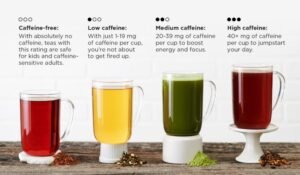
If you’re wondering how much caffeine is in Twinings Breakfast Tea, an 8-ounce (240 ml) cup typically contains about 40–70 mg of caffeine. The exact amount can vary depending on the specific breakfast tea blend and how it’s prepared.
How Does It Compare?
Twinings Breakfast Tea falls within the normal caffeine range for black tea. For comparison:
- Most black teas: 40–70 mg per cup
- Coffee (8 oz): 80–120 mg per cup (approximately)
This makes Twinings Breakfast Tea a good choice if you’re looking for a gentle energy boost without as much caffeine as coffee.
What Affects the Caffeine Content?
A few factors can change how much caffeine ends up in your cup:
- Brewing time: Steeping the tea longer extracts more caffeine.
- Tea blend: Different breakfast tea blends may naturally contain slightly different caffeine levels.
- Serving size: A larger cup means more caffeine overall.
Tips for Controlling Caffeine Intake
- For less caffeine, steep the tea for a shorter time (around 2–3 minutes).
- For a stronger brew and more caffeine, steep for 4–5 minutes.
- Adjust your serving size based on your caffeine preferences.
Types of Breakfast Tea Offered

Twinings offers several breakfast tea blends, each with its own flavor profile and caffeine level. Whether you prefer a smooth morning cup or a stronger wake-up tea, there’s an option to suit your taste.
English Breakfast Tea
English Breakfast Tea is one of Twinings’ most popular blends. Made from a combination of black teas such as Assam, Ceylon, and Kenyan teas, it delivers a rich, well-balanced flavor.
- Caffeine level: Moderate (typically 40–70 mg per 8-ounce cup)
- Taste: Smooth, full-bodied, and slightly brisk
- Best for: Those who want a balanced energy boost without an overly strong brew
Irish Breakfast Tea
Irish Breakfast Tea is known for its bold flavor and higher caffeine content. It is often made primarily with Assam tea, giving it a robust character.
- Caffeine level: Higher than English Breakfast
- Taste: Strong, rich, and malty
- Best for: Tea drinkers looking for a more energizing start to the day
Scottish Breakfast Tea
Scottish Breakfast Tea combines the malty richness of Assam tea with the bright, brisk notes of Ceylon tea.
- Caffeine level: Similar to Irish Breakfast
- Taste: Strong, hearty, and full-bodied
- Best for: Those who enjoy a bold flavor and a substantial caffeine boost
Decaffeinated Breakfast Tea
For those who want the taste of breakfast tea without the caffeine, Twinings also offers decaffeinated varieties.
- Caffeine level: Very low
- Taste: Similar to traditional breakfast tea blends
- Best for: Evening drinking or anyone reducing their caffeine intake
Health Benefits Associated with Caffeine

Caffeine consumption offers several notable health benefits that can enhance daily life. Regular intake may improve cognitive function, boost energy levels, and promote overall well-being. This stimhttps://homecoffeebeans.com/caffeine-candies/ulant can also aid in physical performance, making it a popular choice for athletes and fitness enthusiasts.
-
- Enhanced mental alertness improves focus and concentration.
- Increased metabolic rate aids in weight management.
- Reduced risk of certain diseases, such as Parkinson’s and Alzheimer’s.
- Improved physical endurance during exercise.
- Boosted mood and reduced feelings of fatigue.
Research highlights that moderate caffeine consumption can provide these health benefits without significant risks. However, it’s essential to monitor individual tolerance levels, as excessive intake may lead to negative side effects.
Engaging with caffeine through beverages like Twinings Breakfast Tea can be a delightful way to enjoy these advantages while savoring a comforting drink. Balancing caffeine intake with hydration and a healthy diet maximizes its positive effects.
Comparative Caffeine Content of Teas
If you’re keeping an eye on your caffeine intake, Twinings Breakfast Tea is a great middle-ground option. An 8-ounce (240 ml) cup typically contains 40–70 mg of caffeine, providing a gentle energy boost without the higher caffeine levels found in coffee.
Caffeine Comparison
| Beverage | Caffeine per 8 oz Cup |
|---|---|
| Twinings Breakfast Tea | 40–70 mg |
| Black Tea (average) | 40–90 mg |
| Green Tea | 20–45 mg |
| Herbal Tea | Usually 0 mg |
| Brewed Coffee | 95–200 mg |
How Does Twinings Compare?
Twinings Breakfast Tea has caffeine levels similar to many other breakfast tea blends, making it a dependable choice for tea lovers.
- English Breakfast Tea: Usually falls within a similar caffeine range.
- Earl Grey Tea: May contain slightly more or less caffeine depending on the blend.
- Green Tea: Generally contains about half the caffeine of breakfast tea.
- Herbal Tea: Typically caffeine-free.
What Affects Caffeine Levels?
The amount of caffeine in your cup can vary based on how you prepare it:
- Brewing time: Longer steeping extracts more caffeine.
- Tea leaf size: Smaller leaves often release caffeine more quickly.
- Water temperature: Hotter water can increase caffeine extraction.
- Serving size: Larger cups naturally contain more caffeine.
For a stronger and more energizing cup, steep your tea for 4–5 minutes. If you prefer a lighter brew with less caffeine, try 2–3 minutes.
Tea vs. Coffee
While coffee is often the go-to morning drink, it typically contains 95–200 mg of caffeine per cup, which is considerably more than Twinings Breakfast Tea. This makes Twinings a good option for people who:
- Want a milder caffeine boost
- Are sensitive to caffeine
- Enjoy a steady, less intense source of energy
- Prefer the taste and experience of tea
Brewing Methods Affecting Caffeine Release

Brewing techniques significantly influence caffeine extraction. Each method varies in temperature, steeping time, and tea-to-water ratio, affecting how much caffeine enters the cup. Knowing these details helps in managing your caffeine intake while enjoying Twinings Breakfast Tea.
-
- Steeping time impacts caffeine levels. Longer steeping generally results in higher caffeine content. Aim for 3-5 minutes for optimal extraction without bitterness.
- Water temperature plays a crucial role. Using boiling water (around 100°C) extracts more caffeine compared to cooler temperatures. Ensure your water is at the correct temperature before brewing.
- Tea bag size affects caffeine release. Larger bags allow more tea leaves to infuse, increasing caffeine extraction. Consider using loose leaf options for maximum caffeine potential.
- Water quantity matters for concentration. Using less water increases the strength and caffeine concentration of your tea. Adjust your water-to-tea ratio for desired potency.
- Tea type can vary caffeine content. Different varieties of black tea may yield different levels of caffeine. Twinings Breakfast Tea typically has a moderate caffeine level, but variations exist.
Decaffeinated Twinings Options Available
For tea lovers who enjoy the rich taste of breakfast tea but want to reduce their caffeine intake, Twinings offers a range of decaffeinated options. These teas provide the same comforting experience and familiar flavors without the stimulating effects of caffeine.
Popular Decaf Varieties
Twinings has carefully crafted decaffeinated breakfast teas that retain the character and quality of their original blends. Whether you prefer a smooth and balanced cup or a bold and robust brew, there is a decaf option to suit your taste.
Decaffeinated English Breakfast Tea
Decaffeinated English Breakfast Tea delivers the classic flavor that has made this blend a favorite among tea drinkers worldwide. It offers a smooth, full-bodied taste that is perfect for any time of day.
- Smooth and well-balanced flavor
- Traditional breakfast tea character
- Contains only trace amounts of caffeine
- Ideal for everyday enjoyment
Decaffeinated Irish Breakfast Tea
For those who enjoy a stronger cup, Decaffeinated Irish Breakfast Tea offers a rich and satisfying alternative. It maintains the bold taste of the original blend while keeping caffeine levels extremely low.
- Rich and robust flavor profile
- Stronger taste compared to English Breakfast
- Minimal caffeine content
- Perfect for those who prefer a hearty brew
Great Taste Without the Caffeine
Many tea drinkers worry that decaffeinated teas may lack flavor, but Twinings uses a careful decaffeination process to preserve the taste and aroma of its teas. This allows you to enjoy a satisfying cup without compromising on quality.
These teas are ideal for:
- Evening and nighttime drinking
- Individuals sensitive to caffeine
- Those looking to reduce daily caffeine intake
- Anyone who enjoys tea as part of their daily routine
Brewing Tips
Preparing decaffeinated Twinings tea is just as simple as brewing regular breakfast tea. With a few adjustments, you can create the perfect cup to match your preferred strength and flavor.
How to Brew
- Boil fresh water.
- Pour water over the tea bag.
- Steep for 3–5 minutes.
- Remove the tea bag and enjoy.
For a lighter flavor, steep for a shorter time. For a stronger and richer taste, allow the tea to brew a little longer.
Where to Buy
Finding decaffeinated Twinings teas is easy thanks to their widespread availability. Whether you prefer shopping in-store or online, there are plenty of convenient purchasing options.
You can typically find Twinings Decaf Breakfast Teas:
- In supermarkets and grocery stores
- Through major online retailers
- On Twinings’ official website
- In bulk packages for better value
When purchasing, always check the freshness date to ensure the best flavor and quality.
Quick Summary
- Twinings Breakfast Tea typically contains around 40-70 mg of caffeine per 8 oz serving.
- The caffeine content can vary depending on the specific blend and brewing time.
- Black tea, including Twinings Breakfast Tea, generally has more caffeine than green or herbal teas.
- Steeping time and water temperature can impact the amount of caffeine extracted.
- For those sensitive to caffeine, it’s advisable to limit consumption or opt for decaffeinated varieties.
- Twinings offers a range of breakfast teas, including English Breakfast and Irish Breakfast, each with varying caffeine levels.
- Always check the packaging for specific information regarding caffeine content for the exact blend.
Frequently Asked Questions
What is the caffeine content of Twinings Breakfast Tea?
Twinings Breakfast Tea typically contains around 40-70 mg of caffeine per 8 oz cup, depending on the brewing time and method. This makes it a moderate choice for those looking for a morning boost.
How does Twinings Breakfast Tea compare to coffee in terms of caffeine?
Compared to coffee, which can contain about 95 mg or more of caffeine per cup, Twinings Breakfast Tea has less caffeine. This makes it a gentler option for those who are sensitive to caffeine or prefer a lower intake.
Is the caffeine content the same for all Twinings Breakfast Tea varieties?
While the classic English Breakfast Tea has a consistent caffeine range, other variations such as Earl Grey or decaffeinated options may have different levels. Always check the packaging for specific caffeine details on each variety.
Can I reduce the caffeine content in my Twinings Breakfast Tea?
Yes, you can reduce the caffeine by brewing the tea for a shorter time or using cooler water. Additionally, opting for decaffeinated versions of Twinings tea is another way to enjoy the flavor without the caffeine kick.
What are the effects of caffeine in Twinings Breakfast Tea?
The caffeine in Twinings Breakfast Tea can help improve alertness and concentration, making it a popular choice for many in the morning. However, it’s important to consume it in moderation to avoid potential side effects like jitters or disrupted sleep.

- Unlocking the Venti: Discover the Perfect Shot Count for Your Drink - October 13, 2026
- Unpacking the Buzz: Caffeine Levels in Café Bustelo Espresso - October 13, 2026
- How to Fix Bitter Coffee: 10 Expert Ways to Improve the Taste - October 4, 2026