
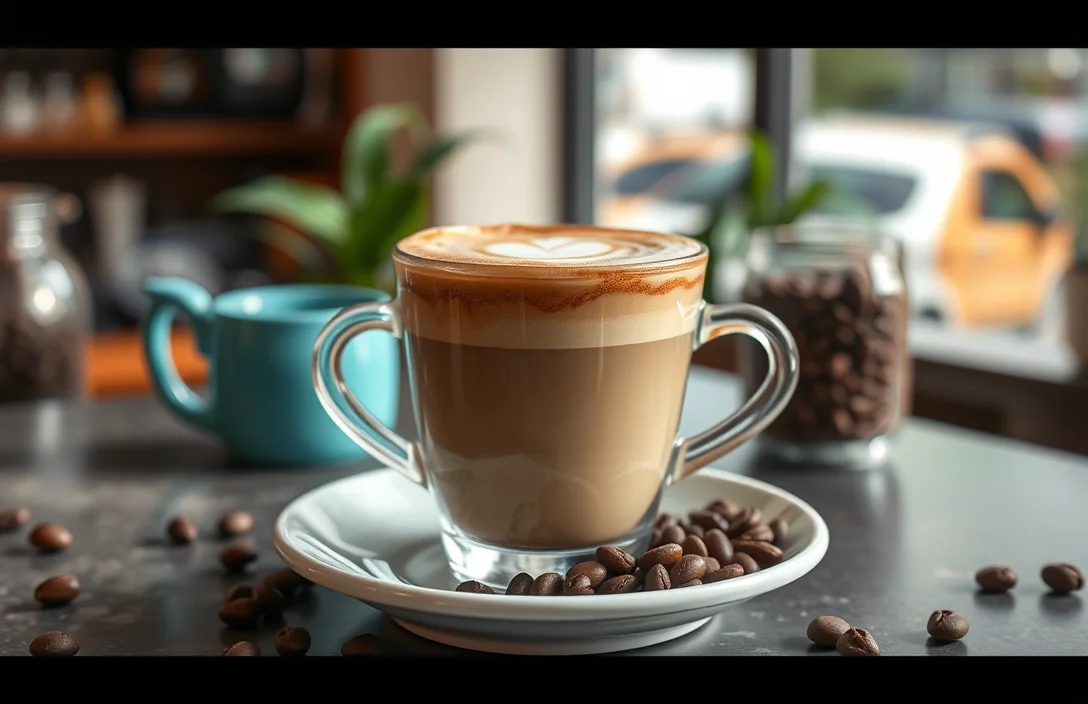
Espresso, the base of a latte, typically contains about 63 milligrams of caffeine per shot. With most lattes comprising one to two shots, caffeine levels can vary significantly. Understanding this can help you make informed choices about your caffeine intake.
Caffeine levels in lattes depend on espresso shots used, milk type, and size of the drink. A standard 12-ounce latte usually contains approximately 126 mg of caffeine, making it a moderate option for coffee lovers.
Caffeine Content Comparison Across Beverages
Caffeine content varies significantly between different coffee beverages. For instance, a standard latte typically contains about 75 mg of caffeine per 12 oz serving. In contrast, a regular brewed coffee can have around 95 mg in the same volume, indicating that lattes are somewhat lower in caffeine concentration.
Various factors influence these levels, including the type of coffee beans used and brewing methods. Espresso, which forms the base of most lattes, has a higher caffeine concentration per ounce compared to brewed coffee. Specifically, a single shot of espresso (about 1 oz) contains approximately 63 mg of caffeine.
Comparisons show that other beverages like cappuccinos and macchiatos, which also use espresso, have similar caffeine levels to lattes. A typical cappuccino will offer around 75 mg of caffeine as well, while a macchiato may vary slightly based on the amount of milk added.
Examining specialty lattes or those with added flavors can lead to variations in caffeine content. Flavored lattes often use syrups that do not contain caffeine, but if an extra shot of espresso is added, this increases the total caffeine level. Knowing these details helps in making informed choices about your caffeine intake.
Latte Preparation Methods and Their Effects
Preparation methods significantly influence caffeine levels in lattes. Various techniques extract different amounts of caffeine from coffee grounds, affecting the final drink’s potency. Understanding these methods can help you choose a latte that aligns with your caffeine preferences.
- Espresso shots deliver concentrated caffeine. Each shot contains approximately 63 mg of caffeine, making it the foundation for most lattes.
- French press brewing extracts more caffeine than drip methods. The extended steeping time allows for better extraction, resulting in a stronger coffee flavor.
- Cold brew coffee typically contains higher caffeine levels. This method uses coarsely ground coffee steeped in cold water for an extended period, producing a smooth yet potent concentrate.
- Pour-over techniques can vary in caffeine content based on grind size and brewing time. A finer grind and longer brew enhance extraction, increasing the caffeine concentration.
- Instant coffee lattes often have lower caffeine levels. The freeze-drying process removes some caffeine, resulting in a milder flavor and lower caffeine content compared to freshly brewed options.
Espresso Versus Brewed Coffee in Lattes
Caffeine levels differ significantly between espresso and brewed coffee. Typically, a single shot of espresso contains around 63 milligrams of caffeine, while an 8-ounce cup of brewed coffee averages about 95 milligrams. These values highlight a crucial factor when deciding on the base for your latte.
Espresso serves as the primary component in most lattes, delivering a concentrated form of caffeine. Despite its smaller volume, the intensity of espresso provides a robust flavor that many coffee enthusiasts crave. Its unique preparation process also contributes to the overall taste experience.
Brewed coffee, on the other hand, offers a milder caffeine kick due to its larger volume. While a latte made from brewed coffee may contain more caffeine overall, the flavor profile can be less pronounced. This distinction is vital for those seeking specific taste notes or caffeine levels in their drinks.
Choosing between these two options ultimately depends on personal preference. If a strong flavor and quick caffeine boost are desired, espresso is the best choice. For a more diluted yet equally satisfying caffeine experience, brewed coffee can be the preferred option.
Impact of Milk on Latte Caffeine Levels
Milk choice significantly influences latte caffeine concentration. Different types of milk carry their distinct characteristics, impacting the overall flavor and texture of the beverage. While milk itself doesn’t contribute caffeine, its interaction with espresso can change how caffeine is perceived and enjoyed.
- Whole milk enhances creaminess, making the espresso’s bitterness less pronounced. This can create a perception of smoother caffeine intake, even if the actual caffeine content remains unchanged.
- Skim milk offers a lighter texture, which may lead to a more pronounced espresso flavor. This can intensify the feeling of caffeine impact due to the stronger taste contrast.
- Plant-based alternatives, such as almond or oat milk, can alter the latte experience. These milks often have unique flavors that can complement or mask the espresso, affecting perceived caffeine levels.
- Sweetened milk varieties introduce added sugars, which may create a perception of heightened caffeine effects. The sweetness can lead to a quicker energy spike, altering the overall experience.
Experimenting with various milk types allows for personalized latte experiences while subtly influencing how caffeine is perceived. Each option offers a different taste and texture, which can shape your overall enjoyment and caffeine sensation.
Decaf Latte Options and Their Caffeine
Decaffeinated lattes offer flavorful choices with significantly reduced caffeine. Most decaf espresso shots contain about 3-5 milligrams of caffeine each, compared to a regular shot that has around 63 milligrams. Thus, a decaf latte generally has much lower caffeine levels, making it suitable for those sensitive to stimulation.
Popular options include decaf espresso from various coffee shops, which can be made using beans labeled as decaffeinated. Starbucks, for example, serves decaf lattes with a caffeine content that varies slightly based on the size and number of espresso shots. A tall size typically holds one shot, resulting in approximately 3-5 milligrams.
Flavor profiles remain intact despite the reduced caffeine. Baristas often recommend pairing decaf with flavored syrups like vanilla or caramel to enhance taste without the jitters. Many coffee enthusiasts appreciate how decaf maintains the rich, creamy characteristics of a traditional latte.
Ordering decaf lattes can also vary by location. Some cafes may offer options like half-caf, which combines regular and decaf espresso for a balanced experience. Always inquire about specific caffeine levels to make informed choices based on personal tolerance.
Health Effects of Caffeine in Lattes
Caffeine consumption from lattes can impact your health positively and negatively. Moderate intake, typically around 200-400 mg per day, may enhance focus, improve mood, and boost physical performance. However, exceeding this amount may lead to adverse effects such as anxiety, insomnia, and increased heart rate.
Research shows that caffeine can enhance cognitive function, making tasks easier to manage and improving overall productivity. Regular consumers often report a heightened sense of alertness and concentration, making it a popular choice for studying or working long hours.
Excessive caffeine intake, however, poses risks. Individuals might experience jitters, restlessness, or an upset stomach. Those sensitive to caffeine should monitor their latte consumption closely. Pregnant women and individuals with certain health conditions should consult healthcare professionals regarding safe levels of caffeine intake to avoid complications.
Monitoring your response to caffeine is crucial. Some people metabolize it quickly while others do so slowly, leading to varying effects. Keeping track of how many lattes you consume and how they affect your mood or energy levels can help you maintain a balanced intake.
Seeking alternatives can be beneficial if you find caffeine impacts your health negatively. Herbal teas or decaffeinated beverages offer similar comfort without the stimulating effects, allowing you to enjoy warm drinks without the potential side effects of high caffeine levels.
Understanding Caffeine Tolerance and Its Variability
Caffeine tolerance varies greatly among individuals, influencing how lattes affect you. Regular consumption can lead to your body adapting, requiring higher amounts to achieve the same stimulating effects. Recognizing your personal tolerance level is key to enjoying your favorite beverage without adverse reactions.
- Identify your sensitivity to caffeine. Understanding how much caffeine you can handle is crucial. Start by monitoring your reactions after consuming different amounts in lattes.
- Adjust your intake accordingly. If you find that your usual latte no longer provides the desired energy boost, consider decreasing consumption or opting for a stronger brew.
- Consider factors that influence tolerance. Age, genetics, and lifestyle choices can all impact your ability to process caffeine effectively. Note any changes in your response to caffeine as these factors evolve.
- Evaluate your overall caffeine consumption. Combining lattes with other sources of caffeine can lead to increased tolerance and diminished effects. Balance your intake across various beverages.
- Monitor your caffeine withdrawal symptoms. If you suddenly cut back on lattes, be aware of potential withdrawal effects such as headaches or fatigue, which indicate your body’s dependence on caffeine.
Recognizing your tolerance will allow for a more enjoyable and effective experience when indulging in lattes, ensuring you get the most out of your caffeine consumption.
Quick Summary
- Caffeine content in a latte varies based on the type of espresso used.
- On average, a standard 8 oz latte contains about 63 mg of caffeine.
- Latte caffeine levels can be influenced by the number of espresso shots added.
- Different coffee beans and brewing methods affect the caffeine concentration.
- Flavored lattes may contain additional sugars and syrups, but caffeine remains similar.
- Moderate caffeine consumption is generally considered safe for most adults.
- Excessive caffeine intake can lead to side effects like jitteriness or insomnia.
Frequently Asked Questions
How much caffeine is in a typical latte?
A standard latte made with a single shot of espresso contains about 63 milligrams of caffeine. If you order a double shot, which is common, the caffeine content can increase to around 126 milligrams.
Does the type of milk used in a latte affect its caffeine content?
No, the type of milk used in a latte does not change the caffeine content. The caffeine level is determined by the espresso shot, so using whole, skim, or alternative milk will not impact the amount of caffeine in your drink.
Can I get a decaf latte, and how much caffeine would it have?
Yes, you can order a decaf latte! A decaffeinated espresso shot contains about 2-5 milligrams of caffeine, so a decaf latte will have significantly less caffeine than a regular one.
How does the caffeine in a latte compare to other coffee drinks?
A latte typically has less caffeine than a regular black coffee, which can have around 95 milligrams per 8-ounce cup. However, it has a similar caffeine content to cappuccinos and flat whites, depending on the number of espresso shots used.
What factors can influence the caffeine content of my latte?
The caffeine content of your latte can vary based on the number of espresso shots, the type of coffee beans used, and the brewing method. Some coffee shops may also use more concentrated espresso, which can increase the overall caffeine level.

- Unlocking the Venti: Discover the Perfect Shot Count for Your Drink - October 13, 2026
- Unpacking the Buzz: Caffeine Levels in Café Bustelo Espresso - October 13, 2026
- How to Fix Bitter Coffee: 10 Expert Ways to Improve the Taste - October 4, 2026