
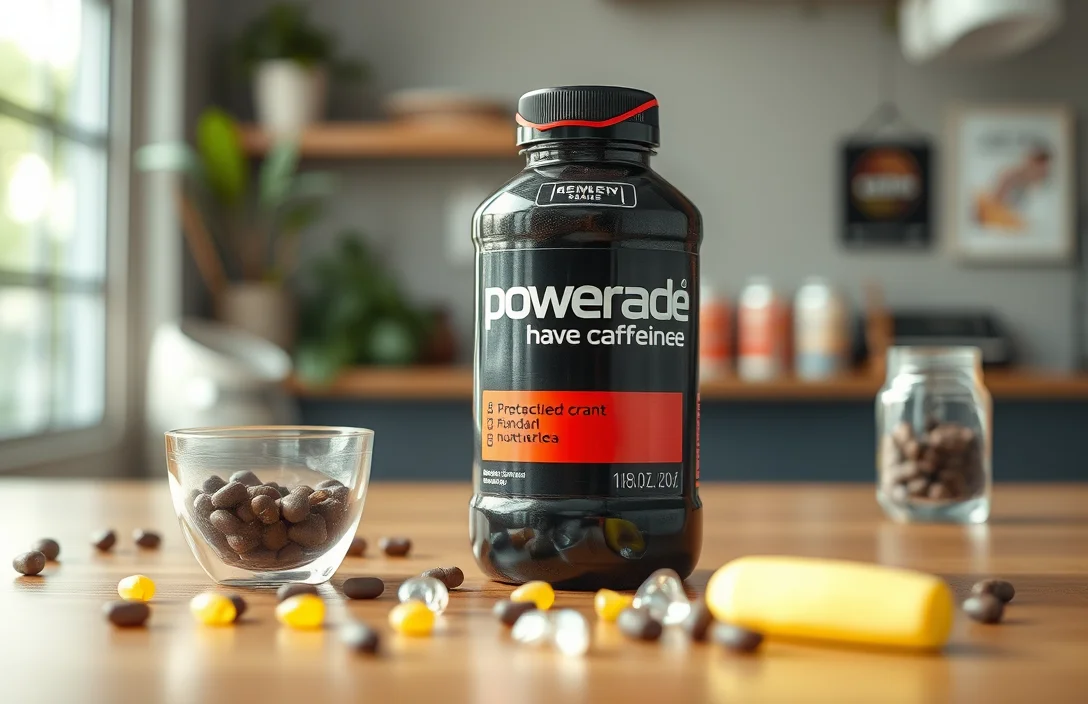
Powerade contains caffeine, but not in all its varieties. For instance, some flavors, like Powerade Ultra, include caffeine, while others do not. This distinction is crucial for consumers seeking an energy boost during workouts or sports activities.
Powerade Ultra offers caffeine for added energy, while regular Powerade options typically do not. Always check the label to confirm caffeine content in your chosen flavor.
Powerade Ingredients Overview
Powerade does not contain caffeine. This sports drink primarily focuses on hydration and replenishing electrolytes lost during physical activity. Its formulation includes water, high fructose corn syrup, electrolytes such as sodium and potassium, and various vitamins, but lacks any stimulants commonly associated with beverages containing caffeine.
Many consumers prefer caffeine-free options for hydration, especially during intense workouts or competitions. Powerade’s blend is designed to provide energy without the potential side effects of caffeine, such as jitters or increased heart rate. Athletes often choose this drink for its ability to maintain hydration and support performance without added stimulants.
Flavor variations of Powerade include distinct blends of fruit flavors, ensuring options suit various taste preferences while keeping caffeine out of the equation. Each flavor maintains the same core ingredients, focusing on hydration and electrolyte balance. This makes Powerade a reliable choice for those who wish to avoid caffeine while still enjoying a refreshing beverage.
Caffeine Content Comparison
Powerade does not contain caffeine, which differentiates it from several other sports drinks and energy beverages. Consumers looking for hydration without the stimulant effects of caffeine can rely on this drink for replenishment during workouts or sports activities. Knowing the absence of caffeine can help guide choices based on personal dietary preferences.
Other popular beverages, like energy drinks, often contain significant caffeine amounts, sometimes exceeding 100 mg per serving. For comparison, a standard cup of coffee usually has about 95 mg of caffeine. Understanding these differences can aid in selecting the right drink based on energy and hydration needs.
Switching to alternatives, many athletes prefer drinks with electrolytes but no caffeine for better hydration. Sports drinks like Gatorade or bodyarmour can sometimes have added caffeine, unlike Powerade. Evaluating options based on caffeine content can enhance performance and recovery without the jitters or crashes associated with stimulants.
Monitoring your caffeine intake is crucial, especially for those sensitive to its effects. Maintaining hydration and energy levels is achievable with Powerade’s formula, which focuses on electrolytes without the added stimulation. This choice is particularly beneficial during intense physical activities or competitions.
Powerade vs Gatorade
Powerade does not contain caffeine. Unlike some energy drinks, this sports beverage focuses on hydration and electrolyte replenishment rather than stimulant effects. Consumers seeking a refreshing drink without caffeine can confidently choose Powerade without worrying about added stimulants.
Flavors vary in Powerade’s lineup. Each flavor includes essential electrolytes like sodium and potassium, designed to help with hydration during or after physical activity. Choosing a flavor that appeals to you can enhance your hydration experience, making workouts or sports more enjoyable.
Ingredients differ from competitor brands. While Gatorade also prioritizes hydration, Powerade specifically uses a combination of vitamins and electrolytes to optimize recovery. Consumers may prefer one brand over the other based on specific ingredient preferences, especially if those ingredients align with their fitness goals.
Market presence shapes consumer choices. Powerade and Gatorade are widely available in stores, but Powerade often positions itself as a more affordable option. Price-sensitive individuals might favor Powerade for its competitive pricing, especially when purchasing in bulk or during promotional sales.
Health Benefits of Caffeine
Caffeine consumption can enhance physical performance significantly. Research shows that caffeine increases adrenaline levels, which prepares the body for intense exercise. Additionally, it can improve endurance by reducing the perception of effort, allowing you to push harder during workouts. This is particularly beneficial for athletes or those engaging in high-intensity training.
Studies indicate that caffeine aids in cognitive function. Regular intake may enhance focus, attention, and reaction time, making it easier to concentrate on tasks. Improved mental clarity can be advantageous not only during workouts but also in daily activities that require sustained attention and decision-making.
Regular caffeine consumption may also contribute to long-term health benefits. Research suggests it is linked to a reduced risk of certain neurological diseases, such as Alzheimer’s and Parkinson’s. These potential protective effects stem from caffeine’s ability to reduce inflammation and oxidative stress within the brain.
Lastly, caffeine can boost metabolism temporarily. This increase in metabolic rate may assist in weight management by promoting fat oxidation. Incorporating moderate amounts of caffeine into your routine can help enhance your overall fitness and wellness goals.
Alternatives to Caffeinated Drinks
Herbal teas provide a flavorful substitute for caffeinated beverages. Varieties like chamomile, peppermint, or hibiscus deliver aromatic tastes without any caffeine content. Enjoying these teas hot or iced can offer a refreshing experience while promoting relaxation and hydration. They are also great for digestion and can be consumed throughout the day without jitters.
Fruit-infused water presents another delightful option. Simply add slices of your favorite fruits, such as lemons, limes, or berries, to water for a refreshing twist. This method enhances hydration while providing essential vitamins and flavors. Experiment with different combinations to find the perfect blend that keeps you refreshed and energized.
Coconut water stands out as a nutritious choice. Naturally rich in electrolytes, it is ideal for rehydrating after workouts. With a mild, pleasant taste, coconut water serves as a great alternative to sugary sports drinks. This option not only hydrates but also helps restore lost nutrients after physical activity.
Vegetable juices can also quench your thirst. Freshly pressed juices made from carrots, beets, or celery deliver nutrients and hydration without caffeine. These juices often contain vitamins and minerals beneficial for overall health. Opt for low-sodium versions to keep your intake balanced and enjoy the refreshing flavors.
Effects of Caffeine on Hydration
Caffeine acts as a mild diuretic, which means it can lead to increased urination. Consuming caffeinated beverages, such as those containing Powerade, may initially cause fluid loss. However, this effect is typically mild and is often countered by the liquid content of the drink itself. Staying hydrated remains essential, especially during physical activity.
Research indicates that moderate caffeine consumption does not significantly affect overall hydration levels in most individuals. Many people experience no adverse hydration effects when consuming caffeinated drinks, particularly if they maintain a balanced fluid intake throughout the day. Knowing this can ease concerns about hydration while enjoying beverages with caffeine.
Sports drinks like Powerade can provide both hydration and energy during workouts. Proper timing and quantity of consumption are key factors in optimizing performance. Consuming it before or during exercise can help maintain hydration without overly relying on caffeine. Monitoring your body’s response can guide your consumption habits effectively.
Balance is crucial. Pairing caffeinated drinks with water or non-caffeinated options ensures you meet hydration needs. Consider your activity level and personal tolerance to caffeine when integrating these beverages into your routine. Monitoring your body’s hydration signals can provide insight into your hydration status.
Consumer Preferences for Caffeine
Consumer preferences reveal insights on caffeine consumption. Many individuals seek energizing beverages to enhance performance, especially during workouts or busy days. Powerade presents an option that combines hydration with a caffeine boost, appealing to those looking for both refreshment and stimulation.
Research indicates that taste significantly influences beverage choices. Flavors play a crucial role in attracting consumers to caffeinated options. Powerade’s fruity flavors cater to diverse palates, making it a popular choice among athletes and casual drinkers alike.
Health consciousness affects caffeine preferences as well. Some consumers opt for low-sugar or natural alternatives, prompting brands to innovate. Powerade’s formulations adapt to these trends, ensuring that it meets the demands of health-focused individuals while still providing the desired caffeine kick.
Convenience factors into consumer decisions as well. Many prefer ready-to-drink options that fit seamlessly into their active lifestyles. Powerade’s packaging and accessibility make it easy for consumers to grab and go, enhancing its appeal in fast-paced environments.
Lastly, marketing strategies shape perceptions about caffeine products. Engaging advertising campaigns can attract attention and influence choices. Powerade effectively communicates its benefits, emphasizing the dual advantage of hydration and energy, appealing directly to the target audience’s desires.
Quick Summary
- Powerade is primarily known as a sports drink designed for hydration and replenishment.
- Most Powerade flavors do not contain caffeine, making them suitable for athletes looking to avoid stimulants.
- However, some specific Powerade products may include caffeine, particularly those targeted at energizing performance.
- Caffeine in sports drinks can enhance athletic performance and improve endurance for some individuals.
- Consumers should check labels to determine the caffeine content in specific Powerade products.
- Moderation is key; excessive caffeine consumption can lead to negative side effects, such as jitters or increased heart rate.
- Powerade with caffeine may appeal to those seeking an energy boost during workouts or sports activities.
Frequently Asked Questions
Does Powerade contain caffeine?
No, Powerade does not contain caffeine. It is primarily a sports drink designed to replenish electrolytes and provide hydration without the stimulant effects of caffeine.
Are there any Powerade flavors that have caffeine?
All Powerade flavors are caffeine-free. The brand focuses on providing hydration and electrolyte replenishment without the addition of caffeine, making it suitable for all ages.
What is the purpose of Powerade?
Powerade is designed to hydrate and replenish electrolytes lost during physical activity. It is often consumed by athletes and active individuals to help maintain performance and prevent dehydration.
Can I drink Powerade before bed?
Yes, you can drink Powerade before bed, as it does not contain caffeine. However, be mindful of your overall fluid intake to avoid nighttime trips to the bathroom.
Is Powerade suitable for children?
Yes, Powerade is suitable for children, especially during physical activities. It provides hydration and electrolytes without caffeine, but it should be consumed in moderation as part of a balanced diet.

- Unlocking the Venti: Discover the Perfect Shot Count for Your Drink - October 13, 2026
- Unpacking the Buzz: Caffeine Levels in Café Bustelo Espresso - October 13, 2026
- How to Fix Bitter Coffee: 10 Expert Ways to Improve the Taste - October 4, 2026