
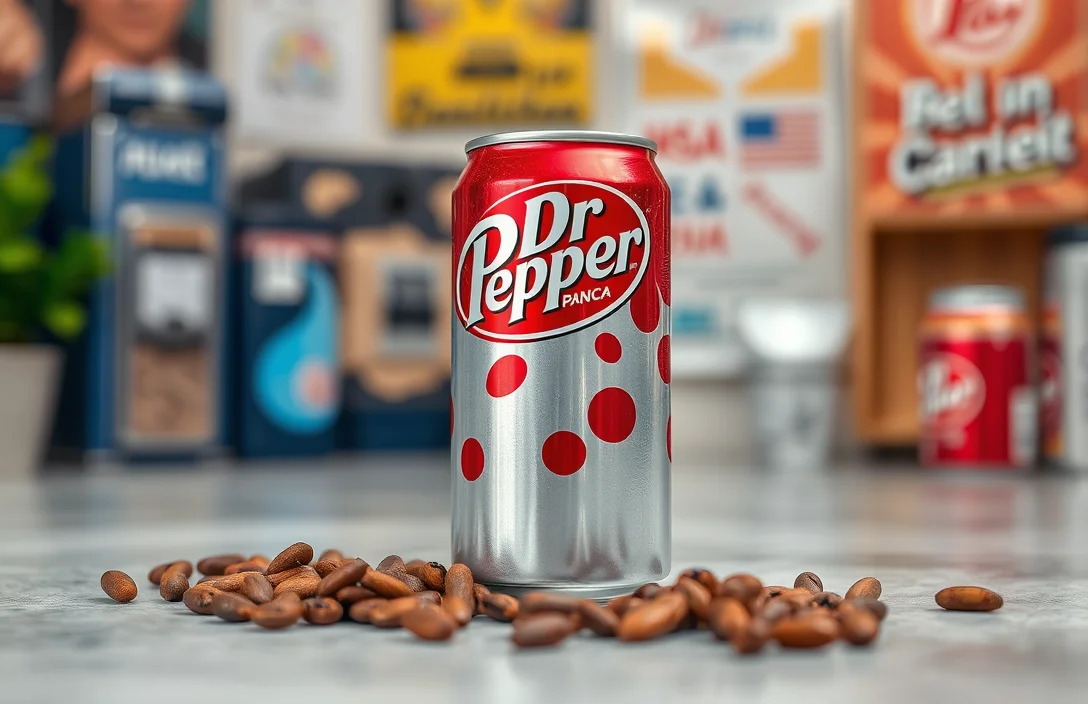
Dr Pepper contains approximately 41 milligrams of caffeine in a 20 oz serving. This amount is lower than that found in many energy drinks and coffee, making it a popular choice for those seeking a moderate caffeine boost without excessive stimulation.
The caffeine content in Dr Pepper is 41 mg per 20 oz serving. For context, that’s less than a typical coffee, which can contain over 95 mg in the same volume, making Dr Pepper a milder option.
Caffeine in Soft Drinks
Dr Pepper contains a notable amount of caffeine, especially for a soft drink. In a 20 oz serving, you can expect approximately 54 mg of caffeine. This level is significant when considering other beverages, particularly if you’re monitoring your daily caffeine intake.
Many consumers appreciate the unique flavor profile of Dr Pepper, but they may not realize its caffeine content. Understanding how much caffeine is in a 20 oz serving allows you to make informed choices about your overall consumption, particularly if you enjoy multiple caffeinated beverages throughout the day.
Experts recommend checking labels for caffeine content, especially in soft drinks. Knowing that Dr Pepper has 54 mg can help you balance your diet and avoid excessive caffeine intake from other sources. Tracking your consumption can lead to better health decisions and improved energy levels.
Being aware of caffeine levels in beverages like Dr Pepper also aids in understanding your body’s response. Some individuals may experience heightened sensitivity to caffeine, which can affect sleep patterns and anxiety levels. Monitoring intake is crucial for those prone to these issues.
Comparing Caffeine Levels
Caffeine content in Dr Pepper varies by serving size. A 20 oz bottle contains approximately 41 mg of caffeine. This amount is relatively low compared to other caffeinated beverages, making it a popular choice for those who enjoy a moderate caffeine intake.
Soft drinks often contain different caffeine levels. For instance, cola products typically range from 30 to 50 mg per 12 oz. Knowing how much caffeine in Dr Pepper can help consumers make informed choices about their beverage options, especially when considering daily caffeine consumption.
Comparisons with other drinks provide clarity. For example, an 8 oz cup of coffee can contain around 95 mg of caffeine, significantly higher than Dr Pepper. This contrast highlights Dr Pepper’s appeal for those seeking flavor without excessive caffeine.
Monitoring caffeine intake is advisable for health-conscious consumers. Individuals sensitive to caffeine may prefer beverages like Dr Pepper due to its lower caffeine profile. Understanding these differences helps in selecting drinks that align with personal health goals.
Health Effects of Caffeine
Caffeine consumption leads to various health effects that can influence daily life. Increased alertness and improved concentration are common benefits, making it a popular choice for many. However, moderation is key to avoid potential downsides such as anxiety and insomnia. Balancing intake according to individual tolerance levels is critical for maintaining overall well-being.
Excessive caffeine can trigger unwanted side effects. Symptoms like jitteriness, rapid heart rate, and digestive issues often arise with high consumption. Individuals sensitive to caffeine may experience even more pronounced reactions. Monitoring personal responses to Dr Pepper or other caffeinated beverages helps determine the right amount for personal consumption.
Withdrawal symptoms can occur when reducing caffeine intake. Headaches, fatigue, and irritability may emerge if one suddenly stops consuming their usual amount. Gradually decreasing caffeine consumption allows the body to adjust and minimizes discomfort. Awareness of these potential effects can guide individuals in managing their caffeine habits effectively.
Health impacts vary among different populations. Pregnant women, for example, should limit caffeine to reduce risks associated with fetal development. Consulting healthcare providers about safe caffeine levels ensures responsible consumption, particularly for vulnerable groups. Everyone should aim for a personalized approach to caffeine intake, considering their unique health circumstances.
Dr Pepper Ingredients List
Caffeine levels in Dr Pepper are significant for those monitoring their intake. A 20 oz serving contains approximately 41 mg of caffeine. This amount is less than some other sodas but still noteworthy for consumers sensitive to caffeine. Comparing this to coffee, which has about 95 mg per 8 oz, highlights a lower caffeine concentration in Dr Pepper.
Flavoring components contribute to Dr Pepper’s unique taste. The beverage’s ingredients include carbonated water, high fructose corn syrup, and natural and artificial flavors. While caffeine adds a mild stimulant effect, the blend of flavors creates its signature profile. Consumers appreciate the complexity that these ingredients bring to the drinking experience.
Label reading is essential for understanding caffeine content. Checking the nutritional information on the bottle or can helps in making informed choices. Awareness of caffeine levels can assist in managing daily intake and avoiding excessive consumption, especially for individuals who are caffeine-sensitive or limiting their intake for health reasons.
Monitoring overall caffeine consumption matters. Besides Dr Pepper, many other beverages contribute to daily caffeine totals. Keeping track of these amounts is crucial for maintaining a balanced diet and ensuring well-being. Individuals should consider all sources, such as coffee, energy drinks, and teas, when calculating their total caffeine intake.
Caffeine in Other Sodas
Caffeine levels in sodas vary significantly among brands. For instance, a 12 oz can of Coca-Cola contains about 34 mg of caffeine, while Pepsi has approximately 38 mg in the same serving size. In comparison, Dr Pepper contains about 41 mg of caffeine in a 12 oz serving. The 20 oz size of Dr Pepper therefore contains roughly 68 mg, making it higher than many other sodas.
Mountain Dew stands out with its caffeine content, providing around 54 mg per 12 oz can. This means that a 20 oz serving offers even more, appealing to those seeking an energy boost. Comparatively, Sprite, which is caffeine-free, would not satisfy those looking for that stimulant effect.
Root beer typically contains no caffeine at all, setting it apart from the majority of sodas. Brands like A&W and Barq’s present a unique choice for consumers wanting to avoid caffeine altogether while enjoying fizzy beverages.
Energy drinks are a different category altogether, often containing much higher caffeine levels. For example, a typical 16 oz energy drink can provide anywhere from 160 mg to 300 mg of caffeine. This stark contrast highlights how Dr Pepper fits into the lower end of the caffeine spectrum compared to these more potent options.
Diet sodas often contain similar caffeine levels as their regular counterparts. Diet Coke, for instance, has about 46 mg of caffeine in a 12 oz can, making it a comparable choice for those who prefer low-calorie options without sacrificing caffeine intake.
Recommended Daily Caffeine
Adults should limit caffeine intake to 400 milligrams per day for optimal health. This amount typically equates to about four 8-ounce cups of brewed coffee. Being aware of this guideline is crucial, especially for those who enjoy caffeinated beverages like Dr Pepper, which contains 41 milligrams of caffeine in a 20 oz serving.
Monitoring your consumption helps prevent issues like insomnia, jitters, or increased heart rate. Many individuals find that keeping a journal of their daily caffeine intake can be beneficial. Consider noting every beverage consumed, including sodas, to stay within the recommended limits.
Comparing caffeine levels across different drinks promotes informed choices. For instance, while Dr Pepper has less caffeine than some energy drinks, it still contributes to your total daily intake. Balancing your diet with moderate consumption of caffeinated beverages will help maintain energy levels without exceeding health guidelines.
Ultimately, being mindful of caffeine sources allows for a more enjoyable experience. Experimenting with caffeine-free alternatives can also provide variety without sacrificing taste. Making informed choices ensures that your caffeine consumption remains enjoyable and within safe limits.
Quick Summary
- A 20 oz serving of Dr Pepper contains approximately 54 mg of caffeine.
- This caffeine content is lower than that of many other soft drinks, such as cola varieties.
- Dr Pepper is considered a moderate caffeine beverage compared to energy drinks and coffee.
- The caffeine level may vary slightly based on production and distribution factors.
- In comparison, a 12 oz can of Dr Pepper has about 41 mg of caffeine.
- Dr Pepper’s unique flavor blend is achieved without significantly increasing caffeine levels.
- Moderate consumption of caffeine is generally considered safe for most adults.
Frequently Asked Questions
How much caffeine is in a 20 oz Dr Pepper?
A 20 oz serving of Dr Pepper contains approximately 54 mg of caffeine. This amount is similar to many other soft drinks but lower than the caffeine found in a standard cup of coffee.
Is the caffeine content in Dr Pepper the same as in other sodas?
No, the caffeine content in Dr Pepper is different from other sodas. For example, a 20 oz Mountain Dew contains about 72 mg of caffeine, while a 20 oz Coca-Cola has around 64 mg, making Dr Pepper one of the lower-caffeine options among popular sodas.
Does Dr Pepper have more caffeine than energy drinks?
Generally, Dr Pepper has less caffeine than most energy drinks. For comparison, many energy drinks contain 80 mg of caffeine or more per 8 oz serving, which is significantly higher than the caffeine found in Dr Pepper.
Can I find caffeine-free Dr Pepper?
Yes, there is a caffeine-free version of Dr Pepper available. It provides the same unique flavor without the caffeine, making it a suitable option for those looking to reduce their caffeine intake.
How does caffeine affect me after drinking Dr Pepper?
The caffeine in Dr Pepper can provide a temporary boost in energy and alertness. However, individual reactions vary, and some people may experience jitters or difficulty sleeping if consumed in excess or close to bedtime.

- Unlocking the Venti: Discover the Perfect Shot Count for Your Drink - October 13, 2026
- Unpacking the Buzz: Caffeine Levels in Café Bustelo Espresso - October 13, 2026
- How to Fix Bitter Coffee: 10 Expert Ways to Improve the Taste - October 4, 2026