
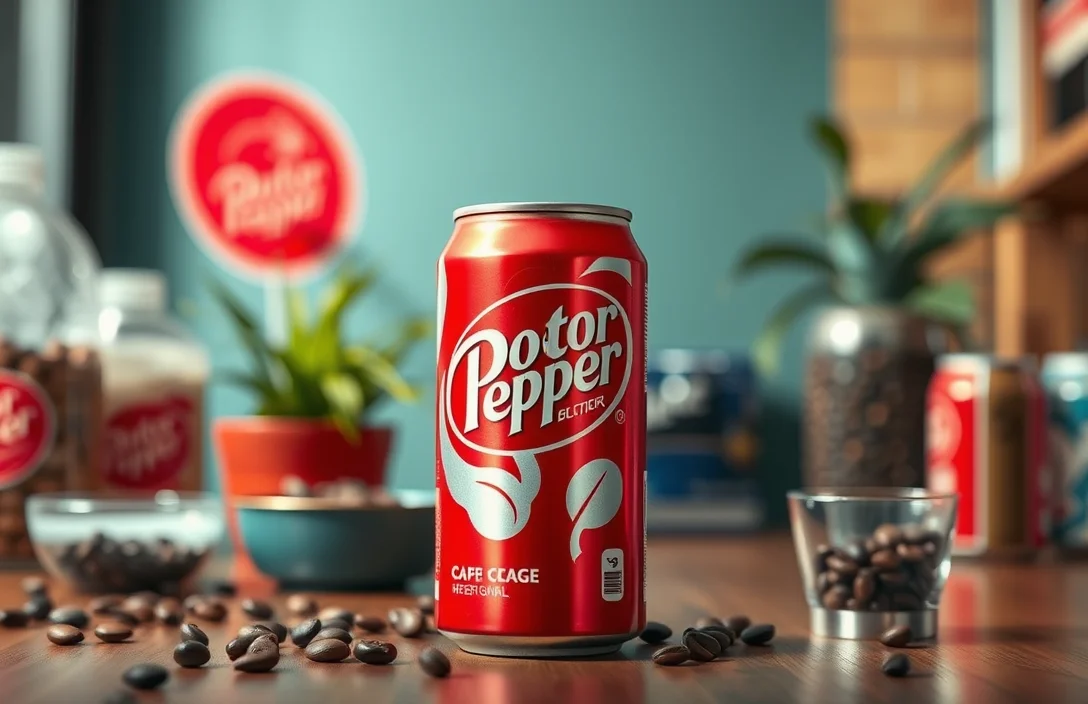
Dr Pepper contains 41 milligrams of caffeine per 12-ounce can, making it one of the more caffeinated soft drinks on the market. While many enjoy its unique flavor, understanding its caffeine content is crucial for those monitoring their intake.
Caffeine content in Dr Pepper: Each 12-ounce serving has 41 mg of caffeine. Compared to Coca-Cola and Pepsi, Dr Pepper has slightly more caffeine, making it noteworthy for caffeine-conscious consumers.
Caffeine Content in Soft Drinks
Caffeine levels in Dr Pepper are significant for consumers monitoring their intake. Each 12-ounce can contains approximately 41 milligrams of caffeine. Understanding this amount helps in making informed choices about consumption, especially for those sensitive to caffeine’s effects.
Research shows that various soft drinks have different caffeine levels. Dr Pepper’s caffeine content is moderate compared to other popular sodas. Knowing how much caffeine is in this beverage allows individuals to balance their daily consumption effectively.
Awareness of caffeine sources is crucial for managing energy levels. Many people enjoy Dr Pepper for its unique flavor, but it’s essential to recognize its stimulant properties. Keeping track of overall caffeine consumption, including Dr Pepper, can help maintain a healthy lifestyle.
Comparison with Other Beverages
Caffeine levels vary significantly among popular beverages. Dr Pepper contains approximately 41 mg of caffeine per 12-ounce can, which is relatively moderate compared to other soft drinks. For instance, a similar serving of Coca-Cola has about 34 mg, while Pepsi offers around 38 mg. This positions Dr Pepper within a similar range of caffeine content among its peers.
Comparatively, energy drinks often pack a much larger caffeine punch. A standard 8-ounce energy drink can contain anywhere from 80 mg to over 300 mg of caffeine, making them significantly stronger than Dr Pepper. For those seeking a caffeine boost, considering these differences is crucial.
Tea and coffee present another interesting comparison. A typical 8-ounce cup of brewed coffee contains about 95 mg of caffeine, while black tea averages around 47 mg. While Dr Pepper provides a mild caffeine kick, traditional coffee remains the go-to choice for those needing a stronger energy boost.
Many consumers prefer soft drinks for their unique flavor profiles. Dr Pepper’s blend of 23 flavors offers a distinct taste experience, making it more appealing than plain caffeinated beverages. This unique selling point attracts drinkers who might otherwise opt for coffee or energy drinks.
Health Effects of Caffeine
Caffeine consumption can lead to various health effects, both positive and negative. Regular intake may enhance alertness and improve cognitive performance, making it a popular choice for individuals seeking to increase productivity. However, excessive consumption can result in anxiety, insomnia, and increased heart rate. Understanding these effects is crucial for making informed decisions regarding caffeine intake.
Moderation plays a vital role in mitigating negative health impacts. Limiting daily caffeine consumption to about 400 milligrams, roughly equivalent to four 8-ounce cups of brewed coffee, can help avoid adverse effects. It’s essential to recognize personal tolerance levels as these can vary significantly between individuals.
Withdrawal symptoms can occur after reducing caffeine intake. Symptoms may include headaches, fatigue, irritability, and difficulty concentrating. Gradually decreasing consumption rather than abruptly stopping is often recommended to minimize discomfort.
Health professionals advise monitoring caffeine sources beyond just beverages. Many foods, including chocolate and certain medications, also contain caffeine. Being aware of all sources ensures a comprehensive understanding of overall caffeine consumption and its potential health implications.
Decaffeinated Dr Pepper Options
Decaffeinated Dr Pepper is not widely available. Many consumers looking for a caffeine-free alternative often find it challenging to locate this specific variant in stores. While Dr Pepper itself contains approximately 41 mg of caffeine per 12 oz can, options without caffeine exist but are less common.
Retailers sometimes offer limited editions or specialty varieties. Checking online marketplaces can reveal options that local grocery stores do not stock. Additionally, some brands produce cola-flavored drinks that mimic the taste of Dr Pepper but without caffeine. Exploring these alternatives can satisfy cravings while avoiding caffeine intake.
Restaurants might provide caffeine-free soda options upon request. Always ask if they have decaffeinated beverages available. Many establishments may not advertise these options but could have them on hand. This approach allows consumers to enjoy a similar taste without the added stimulant effects.
Experimenting with homemade versions can also be a fun alternative. Mixing flavored syrups with carbonated water can create a refreshing drink that mimics Dr Pepper’s flavor profile without caffeine. Customizing sweetness and flavor intensity caters to individual preferences, making it an enjoyable DIY project.
Serving Size and Caffeine
Caffeine content in Dr Pepper varies based on serving size. Standard 12-ounce cans contain about 41 milligrams of caffeine. This amount is significant as it contributes to your daily intake, especially when consumed multiple times throughout the day.
Comparing different sizes, larger servings like 20-ounce bottles contain approximately 69 milligrams of caffeine. Increased serving sizes naturally lead to higher caffeine levels, which can impact your overall consumption. Be mindful of how much you drink, especially if you prefer larger portions.
Monitoring your intake is essential for managing caffeine consumption. If you’re trying to limit caffeine, consider choosing smaller serving sizes. Opting for the 8-ounce version, which has around 30 milligrams, can help you enjoy the flavor with reduced caffeine levels.
Analyzing your beverage choices can provide insight into your caffeine habits. If Dr Pepper is a regular part of your diet, understanding how much caffeine is in it helps you maintain a balanced intake. Remember, every sip counts toward your daily total.
Daily Caffeine Recommendations
Moderate caffeine consumption is crucial for maintaining health. Most health organizations suggest limiting intake to about 400 milligrams per day for adults. This amount equates to approximately four 8-ounce cups of brewed coffee or ten 12-ounce cans of soda. Staying within these limits helps avoid side effects such as insomnia, jitters, and increased heart rate.
Targeting specific sources can help manage caffeine consumption effectively. For example, if you enjoy Dr Pepper, consider its caffeine content in relation to your overall daily intake. Each 12-ounce can contains roughly 41 milligrams of caffeine. Monitoring how much you consume helps you stay within recommended levels.
Tracking your caffeine sources aids in making informed choices. Keep a log of all beverages consumed throughout the day, noting their caffeine content. This practice helps you understand how each drink contributes to your total intake and allows for better management.
Balancing caffeine with water and other hydrating beverages is essential. Staying hydrated can mitigate some of the negative effects associated with caffeine, such as dehydration. Incorporating non-caffeinated drinks into your diet can help maintain a healthy balance and reduce overall caffeine consumption.
Alternatives to Dr Pepper
Consider herbal teas as an alternative. These beverages offer a variety of flavors without the caffeine found in sodas. Many herbal blends can provide a refreshing taste while promoting relaxation. Options like chamomile or peppermint are popular choices that can easily replace your usual soda intake.
Explore sparkling water for a fizzy experience. Carbonated water comes in numerous flavors, allowing you to enjoy bubbles without added sugars or caffeine. Brands often infuse these waters with natural fruit essences, providing a satisfying taste that can mimic the enjoyment of Dr Pepper.
Investigate caffeine-free colas as substitutes. Many brands produce colas that are devoid of caffeine yet maintain a similar flavor profile. These drinks can satisfy cravings for a sweet, carbonated beverage while helping you manage your caffeine consumption.
Try fruit juices mixed with soda water. Combining fresh juice with sparkling water creates a refreshing drink that is low in calories and caffeine. This mix allows customization based on your taste preferences, making it a versatile alternative to traditional soft drinks.
Consider flavored iced teas as options. Iced teas come in various flavors and can be sweetened or unsweetened based on your liking. They offer a refreshing alternative with varying caffeine levels, allowing you to select a beverage that aligns with your desired intake.
Consumer Awareness of Ingredients
Reading labels critically enhances awareness. Consumers should always check the ingredient list and nutritional information on Dr Pepper packaging. Caffeine content is typically listed, helping individuals make informed choices. Standard Dr Pepper contains about 41 mg of caffeine per 12-ounce serving, which is essential to note for those monitoring their intake.
Researching caffeine levels enhances knowledge. Many people may not realize that different flavors or variations of Dr Pepper might contain varying amounts of caffeine. For example, diet versions often have similar caffeine levels, but sugar-free options may affect individuals differently in terms of energy and cravings.
Asking questions promotes better choices. Engaging with store staff or customer service regarding caffeine content can clarify any doubts. Companies often provide detailed FAQs on their websites, which can be beneficial for consumers seeking specific information about their favorite beverages.
Considering personal limits ensures safety. Knowing your own caffeine tolerance can help you decide how much of this popular soda to consume. Individuals sensitive to caffeine might want to limit their intake, especially if they consume other caffeinated beverages throughout the day.
Regional Variations in Formulation
Caffeine levels in Dr Pepper can vary significantly between regions. Formulations differ based on local regulations, consumer preferences, and ingredient availability. In some countries, the beverage may contain higher or lower caffeine concentrations, impacting how it affects consumers.
Comparisons between U.S. and international versions show distinct differences. For instance, European formulations might have less caffeine than their American counterparts. Understanding these variations helps consumers make informed choices about their caffeine intake.
Local regulations also dictate caffeine limits in beverages. Countries with stricter guidelines may result in reduced caffeine levels in products like Dr Pepper. Researching local formulations can provide clarity on what to expect in a specific region.
Lastly, manufacturers often adapt recipes to cater to different taste preferences. Regional tastes may lead to alterations in sweetness or flavor, potentially influencing the perceived strength of caffeine in the drink. Checking labels is essential for accurate information on caffeine content.
Key Point 10: how much caffeine is in doctor pepper
Dr Pepper contains 41 milligrams of caffeine per 12-ounce serving. This amount is relatively moderate compared to other soft drinks. Consumers should be aware of their overall caffeine intake, especially if they drink multiple caffeinated beverages throughout the day.
Levels of caffeine can vary slightly based on the formulation, but the standard amount remains consistent in most regions. Understanding this figure helps individuals monitor their consumption, particularly if they are sensitive to caffeine’s effects. Moderation is key for those who enjoy this beverage.
Comparatively, many other sodas, such as cola varieties, typically contain similar caffeine levels. Knowing this allows for better choices when selecting drinks, especially for those who prefer alternatives with lower caffeine content. Always check labels for specific details on caffeine concentration.
Key Point 11: how much caffeine is in doctor pepper
Caffeine content in Dr Pepper varies slightly depending on the specific variety. Regular Dr Pepper contains approximately 41 milligrams of caffeine per 12-ounce can. Other versions, such as Diet Dr Pepper, maintain a similar caffeine level, offering 41 milligrams as well. It’s essential to consider these amounts when choosing your beverage, especially if you’re monitoring your caffeine intake.
Many consumers appreciate that this level of caffeine is relatively moderate compared to other sodas and energy drinks. For instance, beverages like Mountain Dew can contain up to 54 milligrams per 12 ounces, making Dr Pepper a milder choice for caffeine enthusiasts. This characteristic helps maintain its popularity among those who enjoy a flavorful soda without excessive stimulation.
Monitoring caffeine consumption is critical for individuals sensitive to its effects. Understanding how much caffeine is in Dr Pepper can assist in making informed decisions, especially for those who may experience jitteriness or anxiety from higher caffeine levels. By being aware of your intake, you can enjoy your favorite drinks while managing your overall health effectively.
Quick Summary
- Dr Pepper contains approximately 41 mg of caffeine per 12 fl oz (355 mL) can.
- This caffeine content is lower than that of many other popular soft drinks, such as cola beverages.
- The caffeine level in Dr Pepper is similar to that found in other flavored sodas.
- Caffeine can vary slightly based on the specific product variant and packaging.
- Dr Pepper offers a caffeine-free version for those looking to avoid caffeine.
- Moderate consumption of caffeine is generally considered safe for most adults.
- Always check the nutritional label for the most accurate caffeine content information.
Frequently Asked Questions
How much caffeine is in Dr Pepper?
A 12 fl oz (355 mL) can of Dr Pepper contains approximately 41 mg of caffeine. This amount is relatively moderate compared to other soft drinks and energy drinks.
How does the caffeine in Dr Pepper compare to other sodas?
Dr Pepper has a similar caffeine content to most colas, which typically contain between 30 to 50 mg of caffeine per 12 oz serving. However, it has less caffeine than some energy drinks, which can have over 100 mg per serving.
Is the caffeine content in Diet Dr Pepper the same?
Yes, a 12 fl oz can of Diet Dr Pepper also contains about 41 mg of caffeine. The caffeine content remains consistent between the regular and diet versions of the beverage.
Can I find caffeine-free Dr Pepper?
Yes, there is a caffeine-free version of Dr Pepper available. This option allows those who wish to avoid caffeine for health reasons or personal preference to enjoy the same flavor without the stimulating effects.
Does the caffeine in Dr Pepper affect everyone the same way?
Caffeine affects individuals differently based on factors like tolerance, sensitivity, and overall health. While some may feel alert and energized, others may experience jitters or insomnia, so it’s important to consume it in moderation.

- Unlocking the Venti: Discover the Perfect Shot Count for Your Drink - October 13, 2026
- Unpacking the Buzz: Caffeine Levels in Café Bustelo Espresso - October 13, 2026
- How to Fix Bitter Coffee: 10 Expert Ways to Improve the Taste - October 4, 2026