
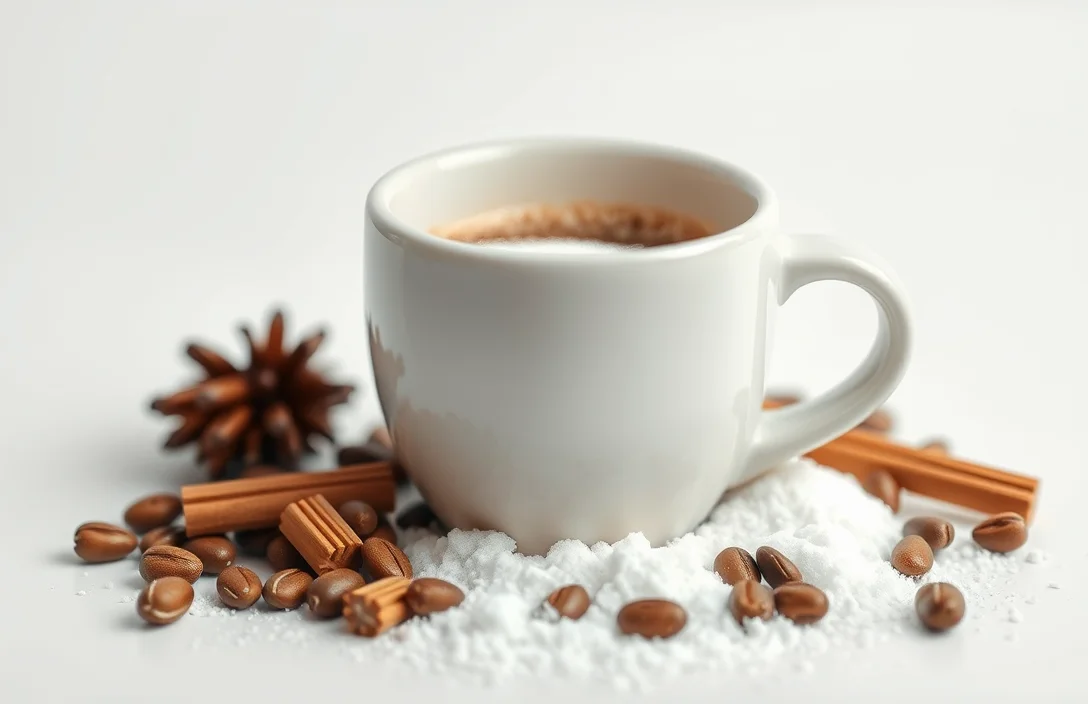
Studies show that nearly 70% of coffee drinkers prefer sweetening their brew, and powdered sugar can be an excellent choice. Its fine texture dissolves quickly, providing an even sweetness without the gritty aftertaste of granulated sugar, making your coffee experience smoother and more enjoyable.
Sweetening coffee with powdered sugar is not only possible but effective. It dissolves easily, adds a rich flavor, and can be used in various coffee styles, from lattes to iced coffee. Experimenting with the amount can help you find your perfect balance.
Powdered Sugar Versus Granulated Sugar
Granulated sugar dissolves slower than powdered, leaving a cleaner mouthfeel but needing more stirring in hot coffee. Powdered sugar’s fine particles blend instantly and create a silkier texture, yet they register as sweeter per spoonful because they compact. When replacing granulated with powdered, use about two-thirds the granulated volume to achieve equivalent sweetness and avoid over-sweetening.
Yes, can i use powdered sugar in coffee? Use about two-thirds the granulated volume when swapping, and note that commercial powdered sugar usually contains cornstarch which can slightly dull crema and add cloudiness; dissolve it first in a small amount of hot water or choose a superfine/caster option for a cleaner finish.
| Aspect | Granulated | Powdered |
| Dissolve speed | Slower; needs stirring | Fast; blends instantly |
| Texture effect | Cleaner mouthfeel | Smoother, slightly starchy |
| Sweetness by volume | Less sweet per teaspoon | Sweeter per teaspoon (packs) |
| Impact on crema/clarity | Minimal | Can mute crema/add cloudiness |
Sweetening Coffee with Powdered Sugar
Start with the right amount. Typically, one to two teaspoons of powdered sugar per cup of coffee will provide a balanced sweetness. Adjust according to your taste preferences, as some may prefer a lighter or more robust flavor. Remember that powdered sugar dissolves quickly, making it easier to incorporate than granulated options.
Mixing effectively enhances flavor. Stir the coffee thoroughly after adding powdered sugar to ensure even distribution. This prevents clumps from forming and allows the sweetness to blend seamlessly with the coffee. A gentle swirl with a spoon works well, but consider using a frother for a more consistent texture.
- Use warm coffee to dissolve.
- Experiment with flavors by adding spices.
- Consider pairing with milk or cream for richness.
Storing powdered sugar properly helps maintain quality. Keep it in an airtight container away from moisture to prevent clumping. Using a sifter before adding can further ensure a smooth blend into your coffee. This practice will keep your coffee experience enjoyable and consistent.
Best Coffee Types for Powdered Sugar
Robust coffee varieties work best. Dark roasts, such as French or Italian, balance the sweetness of powdered sugar effectively. Their bold flavors complement the fine texture of the sugar, creating a harmonious blend that enhances the overall coffee experience. Opting for a strong brew allows the sugar to dissolve easily, resulting in a smooth finish.
Medium roasts also pair well. Coffees like Colombian or Breakfast blends offer a milder flavor that still stands up to the sweetness of powdered sugar. This balance allows for a delightful contrast, making each sip enjoyable without overwhelming the palate. Experimenting with different brewing methods can enhance this experience even further.
Espresso is another excellent choice. The concentrated nature of espresso complements the sweetness, delivering a rich, satisfying drink. Adding powdered sugar can create a sweetened espresso shot or serve as a base for specialty drinks like lattes and macchiatos. The fine granules dissolve quickly in hot espresso, providing a velvety texture.
Flavored coffees add an interesting twist. Varieties like hazelnut, vanilla, or caramel can enhance the sweetness of powdered sugar. These flavors create a dessert-like experience, making coffee an indulgent treat. Blending these options with a dash of cream can elevate the overall taste and texture.
Dissolvability and Texture Considerations
Powdered sugar dissolves quickly in hot coffee, making it a practical choice for sweetening. Due to its fine texture, it blends seamlessly compared to granulated sugar, preventing graininess. This characteristic enhances the overall drinking experience, contributing to a smoother texture in your cup.
- Ensure your coffee is hot. Heat promotes faster dissolving, allowing the sugar to mix thoroughly without leaving residue.
- Stir well after adding. A good swirl helps distribute the powdered sugar evenly, avoiding clumps and ensuring a consistent sweetness throughout.
- Experiment with amounts. Start with a small quantity; you can always add more if needed. Balancing sweetness and flavor is essential for the best outcome.
- Consider the coffee’s texture. Creamy or frothy coffee drinks, like lattes, benefit from powdered sugar, enhancing their mouthfeel without altering the consistency.
Adjusting the amount of powdered sugar can also influence the overall flavor profile. Less sugar enhances coffee’s natural notes, while more can create a dessert-like experience. Pay attention to how it complements your specific coffee type to achieve the desired effect.
Health Implications of Sugar in Coffee
Consuming powdered sugar frequently can lead to various health issues. Excessive sugar intake is linked to weight gain, obesity, and an increased risk of type 2 diabetes. Even in small amounts, the added sugar in your coffee may contribute to these health concerns over time. Moderation is key when sweetening any beverage.
Blood sugar levels can spike after consuming sugary coffee, especially if enjoyed on an empty stomach. These fluctuations may lead to energy crashes, irritability, and cravings for more sugar. Opting for less sugar or exploring alternative sweeteners may help maintain stable energy levels throughout the day.
Heart health becomes a concern with high sugar consumption. Studies suggest a correlation between added sugars and heart disease risk factors, such as high blood pressure and inflammation. Making mindful choices about coffee sweeteners can support cardiovascular well-being.
Dental health also suffers with increased sugar intake. Bacteria in the mouth feed on sugar, producing acid that erodes tooth enamel. Frequent consumption of sweetened coffee can lead to cavities and other dental problems, making oral hygiene even more crucial.
Overview of Alternative Sweeteners
Simple syrup blends instantly and evenly into hot or iced coffee, making it a practical alternative to powdered sweeteners. Make a basic 1:1 syrup by simmering equal parts granulated sugar and water until dissolved, cool and store refrigerated up to a month. Start with one teaspoon per cup, taste, and adjust; infuse vanilla or cinnamon while heating for added flavor.
Flavor Profiles Enhanced by Powdered Sugar
Powdered sugar significantly influences coffee’s overall flavor profile. Its fine texture dissolves rapidly, providing a smooth sweetness without the granularity that regular sugar might contribute. This creates a more pleasant mouthfeel, allowing the coffee’s natural flavors to shine through while balancing acidity and bitterness.
- Experiment with small amounts first. Start with one teaspoon of powdered sugar per cup to gauge the sweetness level that suits your taste.
- Observe the flavor balance. Take note of how the sweetness interacts with the coffee’s aroma and taste, enhancing chocolatey or nutty notes.
- Adjust according to your preference. If you desire more sweetness, gradually increase the amount while tasting until you achieve your desired flavor.
- Consider pairing with flavors. Powdered sugar can complement flavored coffees, such as vanilla or hazelnut, enhancing the overall experience.
- Combine with cream or milk. Powdered sugar blends well with dairy, creating a creamy consistency that enriches the coffee’s flavor.
Incorporating powdered sugar into coffee provides a unique way to enhance its flavor profile. By carefully adjusting the quantity and observing the resulting taste, you can customize your coffee experience to suit your preferences.
Quick Summary
- Powdered sugar can be used as a sweetener in coffee, providing a smooth texture.
- It dissolves quickly in hot liquids, making it ideal for instant sweetness.
- Using powdered sugar can enhance the flavor of coffee without the graininess of regular sugar.
- It may contain cornstarch, which can slightly alter the taste and texture of the coffee.
- Ideal for coffee drinks like lattes and cappuccinos where a fine sweetness is desired.
- Always adjust the amount according to personal taste preferences.
- Experimenting with powdered sugar can lead to unique coffee flavor combinations.
Frequently Asked Questions
Can I use powdered sugar in coffee?
Yes, you can use powdered sugar in coffee. It dissolves quickly due to its fine texture, making it a convenient sweetener for your drink.
Will powdered sugar change the taste of my coffee?
Powdered sugar can add sweetness without altering the coffee’s flavor significantly. However, it may give a slightly different mouthfeel compared to granulated sugar.
How much powdered sugar should I use in my coffee?
The amount of powdered sugar depends on your personal taste preference. Start with a teaspoon and adjust according to how sweet you like your coffee.
Can I use powdered sugar in cold coffee drinks?
Absolutely! Powdered sugar is ideal for cold coffee drinks as it dissolves easily, ensuring a smooth sweetness without any gritty texture.
Are there any downsides to using powdered sugar in coffee?
One downside is that powdered sugar often contains cornstarch to prevent clumping, which may slightly alter the texture. Additionally, if you prefer a more granular sweetness, it might not provide the same experience as regular sugar.

- How to Steam Milk With an Espresso Machine: A Complete Beginner’s Guide - October 26, 2026
- How to Backflush an Espresso Machine: A Step-by-Step Cleaning Guide - October 26, 2026
- Is a 20 Bar Espresso Machine Good? Pressure, Performance, and Buying Guide - October 26, 2026