
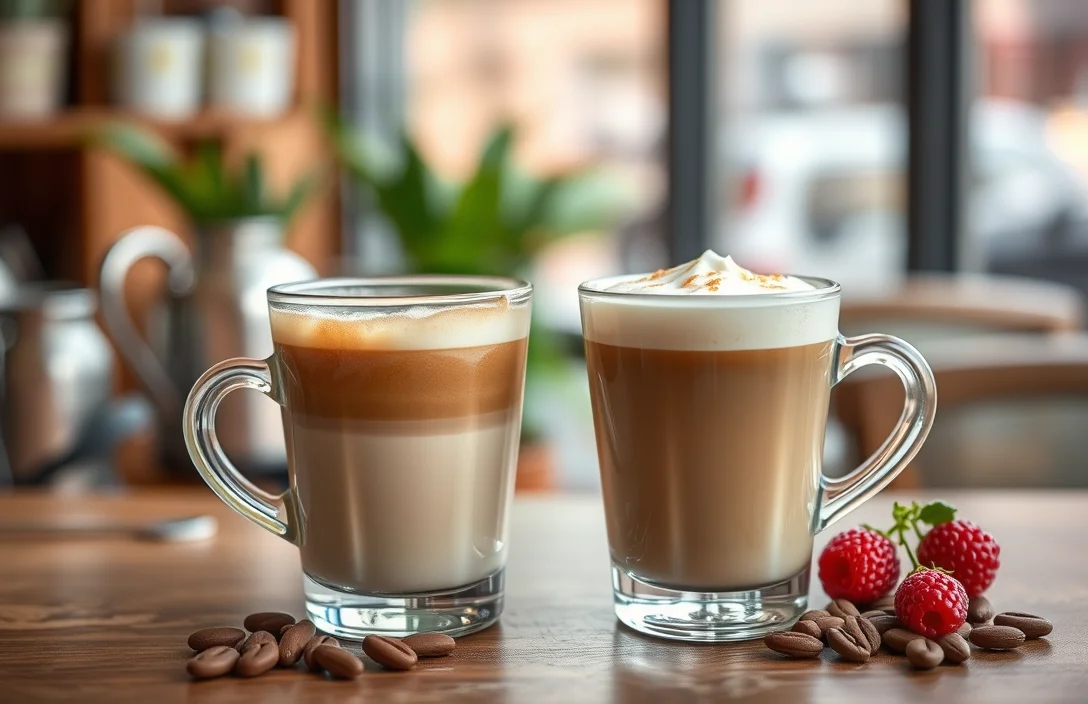
Frappe and latte are two popular coffee drinks, yet they differ significantly in ingredients, preparation, and flavor. While a latte is creamy and warm, a frappe is cold and frothy, making each drink unique in its own right. Understanding these differences can elevate your coffee experience.
Key points: Lattes are espresso-based with steamed milk, while frappes blend coffee with ice and milk. Textures vary, with lattes being smooth and creamy, and frappes being icy and light. Caffeine content also differs, affecting your energy levels and choices.
Frappe Ingredients and Flavor Notes
Frappe consists primarily of instant coffee, cold water, sugar, and ice. Often blended to create a frothy texture, it delivers a refreshing coffee flavor. The simplicity of ingredients allows for easy customization, making it a popular choice during warm months.
Texture plays a crucial role in the frappe experience. A well-made frappe features a thick, creamy foam layer on top, resulting from the blending process. This foam gives a delightful mouthfeel that contrasts with the icy base, making each sip enjoyable and invigorating.
Temperature significantly impacts the frappe. Served cold, it offers a refreshing alternative to hot beverages, particularly in summer. Sipping a frappe can be a delightful way to cool down, while still enjoying the rich coffee taste.
Caffeine content in a frappe varies based on the amount of coffee used. Generally, it contains less caffeine than espresso-based drinks, making it a good option for those seeking a milder energy boost. Adjusting the coffee-to-water ratio can help tailor the caffeine level to your preference.
Calorie counts in frappes can be high, especially with added sugars and cream. Opting for less sugar or using alternative sweeteners can make it a lighter choice. Customizing your frappe at a café or at home allows for dietary considerations, such as vegan or low-calorie options.
Preparation Methods for Each Drink
Preparing a frappe and a latte involves different techniques and ingredients. Both drinks offer unique flavors and textures, making them popular choices. Below are the steps for each drink’s preparation.
- Combine espresso and milk for a latte. Start with one or two shots of espresso in a cup. Steam milk until it reaches about 150°F (65°C), then pour it over the espresso, holding back the foam. Finish with a layer of microfoam on top.
- Blend instant coffee for a frappe. Mix two tablespoons of instant coffee with water in a blender. Add ice and sugar to taste, then blend until frothy and smooth. Optionally, you can add milk for creaminess.
- Steam milk properly for a latte. Use a steam wand to froth the milk, creating a velvety texture. Aim for small bubbles to ensure a rich mouthfeel and a glossy finish.
- Adjust sweetness and flavor for a frappe. Customize further by adding flavored syrups or whipped cream on top. This drink can be easily tailored to suit your taste.
- Serve immediately for best experience. Both drinks are best enjoyed fresh. A latte is typically served hot, while a frappe is cold, making them suitable for different moods and occasions.
Flavor Profiles Compared Directly
Frappe offers a sweet, iced coffee experience. Typically blended with ice, it combines coffee, milk, and sugar, resulting in a creamy, dessert-like flavor. Topped with whipped cream, its sweetness can mask the coffee’s natural bitterness, making it appealing to those who enjoy sweeter drinks.
Latte provides a smooth, rich coffee taste. Made with espresso and steamed milk, it emphasizes the coffee’s boldness while balancing it with creaminess. The milk softens the espresso’s intensity, creating a comforting drink that can be enjoyed hot or iced.
| Aspect | Frappe | Latte |
| Flavor | Sweet, dessert-like | Rich, creamy |
| Temperature | Cold | Hot or iced |
| Caffeine Level | Moderate | High |
Ordering tips include specifying sweetness levels for both drinks. If you prefer less sugar in your frappe, ask for fewer syrups or no whipped cream. For a latte, you can request extra shots of espresso for a stronger flavor, which can enhance your coffee experience.
Texture and Consistency Differences
Frappe drinks present a thick, icy texture. Blended with ice and often topped with whipped cream, they create a refreshing, slushy consistency. This mouthfeel makes them enjoyable on hot days and adds a playful element to the drinking experience.
Latte beverages deliver a creamy, smooth consistency. Made from espresso mixed with steamed milk and topped with a thin layer of milk foam, they provide a velvety mouthfeel. This richness complements the espresso’s bold flavor, creating a balanced drink.
Temperature plays a significant role in each drink’s enjoyment. Frappe drinks are served cold, making them invigorating, while lattes are served hot, offering warmth and comfort. This contrast influences how you experience the flavors and textures.
Caloric content varies between the two options. Frappe drinks often contain added sugars and whipped cream, increasing their calorie count. Lattes, while also creamy, can be lighter if made with low-fat milk or sugar alternatives, catering to dietary preferences.
Practical ordering tips can enhance your experience. Ask for a frappe if you prefer something cold and refreshing, especially during warm months. Opt for a latte if you seek warmth and a rich coffee flavor, perfect for cozy café visits.
Caffeine Content Disparities
Caffeine levels vary significantly between frappes and lattes. Typically, a standard latte contains one or two shots of espresso, providing about 63 to 126 milligrams of caffeine. In contrast, frappes often use instant coffee or brewed coffee, which can range from 30 to 90 milligrams, depending on the coffee used and the serving size.
Espresso-based drinks like lattes deliver a stronger caffeine punch due to the concentrated nature of espresso. Instant coffee used in frappes usually has less caffeine because it’s diluted with milk, ice, or sweeteners. If you prefer a caffeine boost, lattes are generally the better choice.
Calories also differ based on the caffeine source. A typical latte, made with whole milk, can range from 120 to 300 calories, while frappes often contain added sugars and syrups, bringing their calorie count between 300 and 600, depending on size and ingredients. For a lighter option, ask for less syrup or use a low-calorie sweetener in your frappe.
Ordering can be straightforward. If you want a caffeine kick, request a latte with an extra shot of espresso. For a frappe, specify your preferred coffee strength, or ask the barista to customize it according to your taste. Knowing these differences helps you make an informed choice based on your caffeine needs and dietary preferences.
Serving Temperature Preferences
Frappe drinks are typically served cold, often with ice, making them refreshing and ideal for warmer weather. Expect temperatures around 32°F to 40°F (0°C to 4°C). This chilled state enhances the fruity or sweet flavors usually found in blended beverages.
Conversely, lattes are served warm, usually around 150°F to 160°F (65°C to 71°C). This higher temperature allows for a comforting experience, highlighting the rich flavors of espresso and creamy milk. Warmth helps to bring out the subtleties in the coffee’s flavor profile.
Ordering these drinks correctly can enhance your experience. Request a frappe with no ice for a thicker texture or ask for a latte to be served extra hot if you prefer it that way. Knowing the serving temperatures can also help you choose based on your preference for hot or cold beverages.
Presentation and Garnish Variations
Visual appeal enhances both drinks significantly. A frappe is often served in a tall glass, showcasing its frothy texture and ice cubes. Meanwhile, a latte typically appears in a ceramic mug or glass, allowing for a beautiful view of the creamy foam art on top. Both drinks can be customized further with garnishes.
- Frappe can include whipped cream for added richness, topped with chocolate drizzle or a sprinkle of cocoa powder to enhance flavor.
- Latte art, made from steamed milk, can feature intricate patterns like hearts or rosettas, showcasing the barista’s skill.
- Flavor syrups, like vanilla or caramel, can be drizzled over both drinks to elevate sweetness and presentation.
- Cinnamon or nutmeg dusting on top of a latte adds aromatic appeal, while a frappe might benefit from a dusting of crushed cookies or nuts.
- Colorful straws or decorative stirrers can enhance the visual experience of a frappe, making it more inviting, especially in warmer months.
Stylish presentation makes your choice more enjoyable. Remember that these details can significantly influence your overall experience, whether you’re ordering at a café or making drinks at home.
Quick Summary
- Primary drink type: A frappe is an iced, blended or shaken coffee drink; a latte is a hot (or iced) espresso-based drink with steamed milk.
- Base ingredients: Frappes often use instant coffee or cold-brew, ice, milk/cream and sweeteners; lattes use one or more shots of espresso plus steamed milk and a small layer of microfoam.
- Texture and mouthfeel: Frappes are thick, icy and milkshake-like; lattes are smooth and creamy with a velvety foam topping.
- Sweetness and flavoring: Frappes are commonly sweetened and flavored (syrups, whipped cream, mix-ins); lattes are typically less sweet and highlight the espresso, though syrups are also popular.
- Preparation method: Frappes are blended or vigorously shaken with ice; lattes are brewed with espresso machines and milk is steamed and poured.
- Serving and occasion: Frappes are usually served cold as a dessert-like refreshment; lattes are a classic café beverage suitable for morning or anytime coffee drinking.
Frequently Asked Questions
What is the main difference in ingredients between a frappe and a latte?
A frappe typically contains coffee, ice, milk, and often sugar, blended to create a frothy texture. In contrast, a latte consists of espresso and steamed milk, topped with a small amount of milk foam, making it creamier and less icy.
How do the taste and texture differ between a frappe and a latte?
Frappes are usually sweeter and have a chilled, refreshing taste due to the ice and blend of ingredients. Lattes have a rich, smooth flavor from the espresso and steamed milk, providing a warm and creamy experience.
What is the typical temperature of a frappe compared to a latte?
A frappe is served cold, often with ice, making it a refreshing option for warm days. On the other hand, lattes are served hot, providing a comforting drink that is perfect for cooler weather or cozy settings.
How do the calorie counts compare between a frappe and a latte?
The calorie count for a frappe can be higher because of the added sugars and blended ingredients. A basic latte has fewer calories, but this can vary based on the type of milk and any added flavors or sweeteners.
Can I easily make a frappe or a latte at home?
Yes, both drinks can be made at home! For a frappe, blend brewed coffee, ice, milk, and sweeteners to taste. For a latte, brew espresso, steam your milk, and combine them for a delicious, homemade beverage.

- Unlocking the Venti: Discover the Perfect Shot Count for Your Drink - October 13, 2026
- Unpacking the Buzz: Caffeine Levels in Café Bustelo Espresso - October 13, 2026
- How to Fix Bitter Coffee: 10 Expert Ways to Improve the Taste - October 4, 2026