
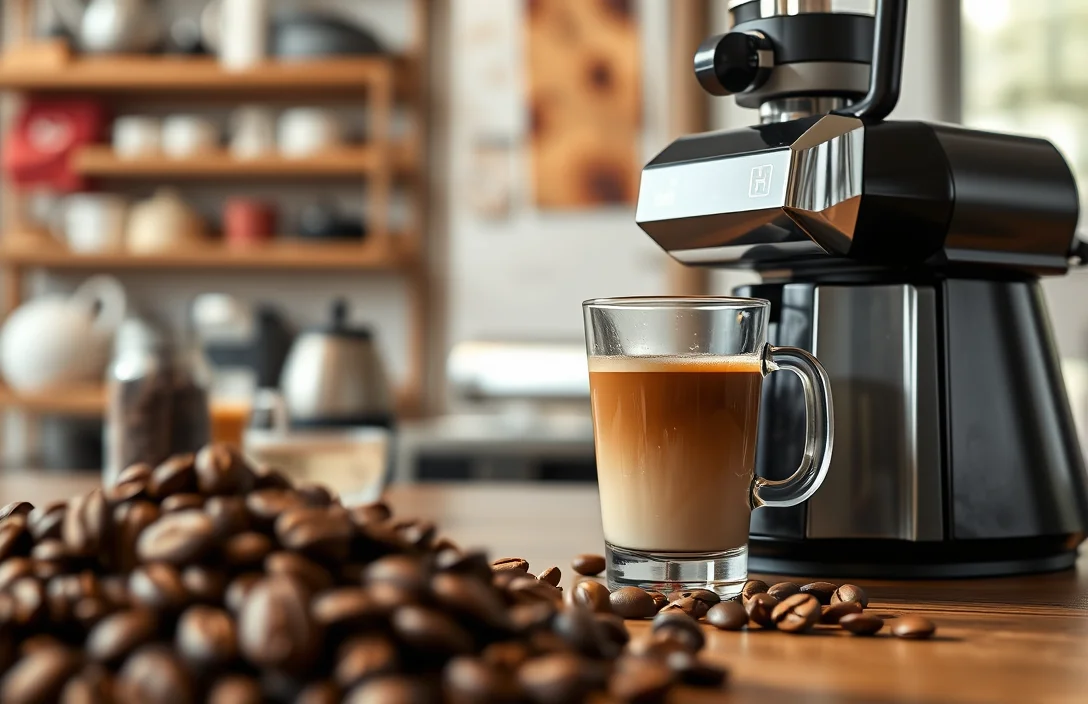
Blonde roast coffee typically contains more caffeine than dark roast, with studies showing a difference of nearly 20%. Many coffee drinkers choose their brew based on taste, but understanding caffeine levels can influence your choice significantly and improve your daily energy management.
Blonde roast generally has higher caffeine content due to lighter roasting, preserving more caffeine, while dark roast loses some during the roasting process. Experience the difference by comparing both styles yourself.
Caffeine Content in Blonde Roast
Blonde roast coffee generally contains more caffeine compared to darker roasts. This difference arises from the roasting process where beans are exposed to heat for a shorter period. Consequently, less caffeine is lost in the lighter roast, maintaining higher levels when brewed.
Studies indicate that an 8-ounce cup of blonde roast coffee typically delivers around 300 milligrams of caffeine. This amount can vary based on factors like the coffee bean type and brewing method, but blonde roast consistently offers a robust caffeine kick. For those seeking an energizing boost, it makes an excellent choice.
Brewing methods significantly impact caffeine extraction. Techniques such as French press or cold brew may yield higher caffeine levels, regardless of roast type. Experimenting with grind size and brew time can also enhance caffeine content in your cup. Understanding these variables allows you to tailor your coffee experience effectively.
Caffeine Content in Dark Roast
Dark roast coffee generally contains slightly less caffeine than lighter roasts. The roasting process affects caffeine levels, causing some degradation during the longer exposure to heat. Despite this, many believe darker roasts provide a stronger coffee experience due to their bolder flavor profile.
Research indicates that caffeine content varies based on the bean type rather than just the roast level. Arabica beans typically contain less caffeine than Robusta beans, regardless of roast. Selecting the right bean type can significantly impact the overall caffeine experience in your cup.
Brewing methods also play a crucial role in caffeine extraction. Techniques such as espresso or cold brew can yield different caffeine concentrations, regardless of roast. Adjusting grind size and steeping time can further enhance or reduce the caffeine in your coffee.
Measuring your coffee accurately is vital for consistent caffeine levels. Using a scale to weigh coffee grounds before brewing ensures precision. A standard ratio of 1:15 (coffee to water) is often recommended for optimal flavor and caffeine extraction.
Brewing Methods Impact
Brewing methods significantly influence caffeine extraction. Different techniques yield varying results in caffeine levels, primarily due to brew time and water temperature. For instance, methods like espresso and French press extract more caffeine than standard drip brewing, affecting your overall intake.
Temperature control plays a crucial role. Higher temperatures typically extract more caffeine from coffee grounds, while lower temperatures might leave some caffeine behind. If aiming for maximum caffeine, consider using hotter water during the brewing process.
Brew time also affects caffeine content. Longer steeping times, as seen in cold brew methods, can extract more caffeine, resulting in a stronger beverage. Conversely, quick methods like pour-over may yield lower caffeine levels if not executed correctly.
Grind size impacts extraction as well. Finer grinds increase surface area, leading to better extraction of caffeine during brewing. If you prefer blonde roasts, using a finer grind can enhance caffeine levels compared to coarser grinds.
Ultimately, your chosen brewing method can either amplify or diminish caffeine levels. Understanding how different techniques affect extraction will help you tailor your coffee experience according to your caffeine preferences.
Flavor Profiles Comparison
Caffeine levels in coffee differ primarily due to the roast type. Blonde roast contains more caffeine per bean compared to dark roast. This is because the roasting process breaks down caffeine, reducing its concentration in darker roasts. The inherent flavors of blonde roast highlight brighter, fruity notes, which can enhance the perception of caffeine’s stimulating effects.
Profile characteristics between the two roasts vary significantly. Blonde roast offers lighter body and acidity, often featuring floral or citrus notes. Dark roast, conversely, tends to present bolder, deeper flavors, with hints of chocolate or caramel. These flavor differences can influence how drinkers perceive caffeine’s effects, with lighter roasts often feeling more invigorating due to their vibrant taste profile.
Consumer preferences also play a role in selection. Some individuals may favor the sharper taste of blonde roast, associating it with higher energy levels. Others may prefer the richness of dark roast for its comfort and boldness. Ultimately, personal taste can guide choices between these two distinct flavor profiles, regardless of their caffeine content.
Roasting Process Differences
Blonde roasts undergo a shorter roasting time compared to dark roasts. This abbreviated process results in less oil on the bean surface, which directly impacts flavor and caffeine content. Caffeine levels can vary based on the roasting duration, with dark roasts often perceived to have more caffeine due to their stronger flavor profile.
Beans roasted longer develop a richer, bolder taste but lose some caffeine in the process. During roasting, heat breaks down caffeine, meaning prolonged exposure can diminish its presence. A medium or light roast may retain more caffeine, making it a preferable choice for those seeking a caffeine boost.
Variations in the roasting process also affect the overall acidity of the coffee. Blonde roasts typically retain higher acidity, while dark roasts mellow this characteristic. Understanding these nuances helps coffee drinkers choose a roast that aligns with their flavor preferences and desired caffeine intake.
Acidity Levels in Roasts
Caffeine content varies between roasts, affecting the overall experience. Blonde roasts tend to have a higher perceived caffeine level due to their lighter flavor profile and less pronounced bitterness. Dark roasts, while still containing caffeine, may taste less potent because of their deeper, bolder flavors that can overshadow the subtle caffeine kick.
Research indicates that roasting time influences caffeine degradation. Longer roasting times, typical of dark roasts, can result in a slight reduction of caffeine content compared to their lighter counterparts. Therefore, if you’re seeking a stronger caffeine punch, blonde roasts might be the better choice.
Experimenting with brewing methods also impacts caffeine extraction. Techniques like cold brew may yield higher caffeine concentrations regardless of roast type. Therefore, if you prefer blonde roast coffee, consider brewing methods that enhance its natural caffeine attributes.
Personal preferences play a crucial role. Some individuals may prefer the milder flavor of blonde roasts, associating that with a higher caffeine perception, while others might enjoy the robust taste of dark roasts. Taste tests can help determine which roast satisfies your caffeine needs best.
Quick Summary
- Blonde roast coffee generally contains slightly more caffeine than dark roast coffee.
- The roasting process affects caffeine levels; lighter roasts retain more caffeine due to shorter roasting times.
- Dark roasts have a stronger, bolder flavor due to the longer roasting process, which can mask the caffeine content.
- Brewing methods and serving sizes also influence the actual caffeine content in your cup.
- On average, an 8 oz cup of blonde roast can contain about 280 mg of caffeine, while dark roast may have around 250 mg.
- Individual coffee beans may vary in caffeine content, regardless of roast type.
- Personal preference in taste and flavor profile should guide the choice between blonde and dark roasts.
Frequently Asked Questions
1. Does blonde roast have more caffeine than dark roast?
No, blonde roast typically has slightly more caffeine than dark roast on a per-volume basis. However, when comparing equal weights of coffee, dark roast beans may have less caffeine because they are less dense due to the roasting process.
2. Why is there a difference in caffeine content between blonde and dark roasts?
The roasting process affects caffeine levels. Blonde roasts are roasted for a shorter time, retaining more caffeine, while dark roasts lose some caffeine as they are roasted longer, causing the beans to expand and become less dense.
3. How does the brewing method affect caffeine content in coffee?
The brewing method can significantly influence caffeine extraction. For example, methods like espresso or AeroPress may yield higher caffeine concentrations compared to drip or French press, regardless of whether the coffee is blonde or dark roast.
4. Are there health benefits associated with caffeine in blonde roast?
Caffeine in both blonde and dark roasts can offer health benefits, such as increased alertness and improved mood. However, the higher caffeine content in blonde roasts might provide a more pronounced effect for some individuals.
5. Should I choose blonde roast or dark roast based on caffeine needs?
If you are specifically looking for a higher caffeine content, blonde roast may be the better choice. However, personal taste preferences should also be considered, as the flavor profiles of each roast differ significantly.

- Unlocking the Venti: Discover the Perfect Shot Count for Your Drink - October 13, 2026
- Unpacking the Buzz: Caffeine Levels in Café Bustelo Espresso - October 13, 2026
- How to Fix Bitter Coffee: 10 Expert Ways to Improve the Taste - October 4, 2026