
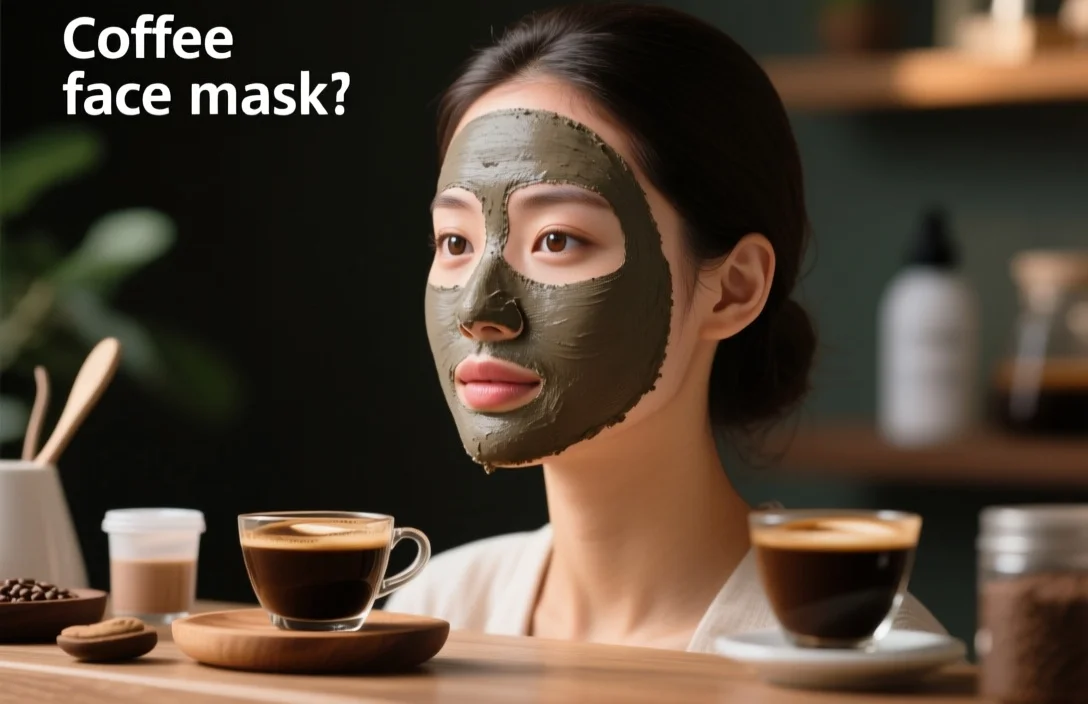
A coffee face mask uses ground coffee mixed with a binder – oil, yogurt, honey, or clay – to exfoliate and temporarily firm skin. This article explains what a coffee face mask does, who should try one, safe recipes, and how to avoid common mistakes.
What a coffee face mask is and why people use it
A coffee face mask is a topical preparation that combines coffee grounds or coffee-derived ingredients with other components to scrub, hydrate, or condition facial skin. Typical goals are mechanical exfoliation (removing dead skin cells), mild stimulation of circulation from topical caffeine contact, and delivering antioxidants from roasted or brewed coffee particles.
Manufacturers and DIYers blend whole, coarse, or finely ground coffee with carriers such as coconut oil, honey, yogurt, aloe vera, or cosmetic clays. The blend determines texture and action: grainy preparations act primarily as physical exfoliants; paste-like formulas can also hydrate and leave occlusive oils. People reach for a coffee face mask for brighter-looking skin after exfoliation, to reduce the visual appearance of puffiness, or simply for the aroma and ritual of a morning skincare step.
This section names the most common ingredients and the role each plays: coffee grounds (abrasion and antioxidants), carrier oils (hydration and slip), humectants like honey or glycerin (water retention), clays (oil absorption and mineral content), and thickeners such as yogurt (lactic acid adds mild chemical exfoliation). The next sections compare mechanisms and give practical recipes and safety guidance.
How coffee masks work on skin – mechanism and limits
Physical abrasion is the primary mechanism when you use whole coffee grounds. Rubbing granules across the skin dislodges surface keratin and sebum, which immediately brightens texture because dead-cell buildup is reduced. Granule size and hardness determine abrasion level; finely ground coffee is gentler than coarse, and used coffee grounds are softer than dry, fresh grounds.
Topical caffeine has two distinct, limited effects. Topical application can cause transient vasoconstriction and a slight tightening sensation, which may reduce the visible appearance of puffiness for a short window. Antioxidants – such as polyphenols in roasted coffee – can scavenge reactive molecules at the surface, but topical antioxidant activity is constrained by formulation stability and skin penetration. Expect modest cosmetic effects rather than long-term structural changes from a single topical coffee treatment.
Chemical exfoliation can occur when coffee is mixed with acidic or enzyme-containing carriers. Yogurt contributes lactic acid; citrus juice provides alpha-hydroxy acids and pH shifts; commercial masks may include glycolic or salicylic acid. Combining physical coffee granules with active chemical exfoliants increases the risk of irritation because two exfoliation mechanisms act at once. Readers should balance the desire for results with the risk of microtears, redness, or increased sensitivity.
Types of coffee face masks
Different formats exist and each has a clear trade-off in control, convenience, and safety. DIY masks let you select grind size and carrier but lack preservatives and standardization. Store-bought coffee face masks offer stabilized formulas, consistent granule size, and preservatives but vary widely in additive ingredients and pricing. Professional treatments at a clinic use controlled mechanical exfoliation or caffeinated serums delivered with protocols and aftercare.
Comparing the formats side by side clarifies which suits a reader’s priorities. The table below ranks options by a practical “Price/Key Spec” column (non-numeric categories used because current retail prices vary) and recommends use cases.
| Name | Price / Key Spec | Best For |
|---|---|---|
| DIY coffee mask (homemade) | Low cost per batch; no preservatives; variable grind size | People who want control over ingredients and fresh scent; those comfortable with short shelf life |
| Store-bought coffee mask | Mid cost per jar; standardized granule size; includes preservatives and added actives | Users who want convenience, consistency, or travel-ready product |
| Professional caffeinated treatment | High cost per session; controlled protocols and post-care | Those seeking faster visible results or who prefer clinician oversight, such as rosacea-prone skin with prior clearance |
This comparison emphasizes practical trade-offs rather than precise pricing. Choose DIY for ingredient control, retail products for consistency, and clinics for higher-cost, protocol-driven outcomes.
How to make a safe DIY coffee face mask
Follow these steps to make a basic gentle coffee face mask that minimizes irritation risk. Each step starts with an action to keep the process clear.
- Gather ingredients: measure 1 tablespoon of finely ground, used coffee; 1 tablespoon of plain yogurt or aloe vera gel; 1 teaspoon of honey or carrier oil.
- Mix the ingredients into a smooth paste using a small bowl and spoon to avoid contamination.
- Cleanse your face with lukewarm water and a gentle cleanser to remove surface oils before applying the mask.
- Apply a thin, even layer using fingertips, avoiding immediate contact with the delicate eye area.
- Massage gently in circular motions for 20-30 seconds if you want mechanical exfoliation; do not scrub aggressively.
- Leave the mask on for 5-10 minutes to allow hydration and mild chemical action from yogurt or honey.
- Rinse with cool water and pat dry. Finish with a fragrance-free moisturizer and, if daytime, SPF on top.
- Discard unused portion after use or store any leftovers refrigerated for a short period (see storage section).
Measure granule size visually: if grounds feel sharp, exchange them for a finer grind or sift them. Prevent over-exfoliation by limiting frequency (see the usage section). Avoid adding raw citrus if you intend to sun-expose soon after the mask because citrus can increase photosensitivity.
How often to use a coffee face mask and application tips
Moderation is the safest path for most skin types. Limit abrasive masks with coffee grounds to no more than twice weekly for non-sensitive skin. If your skincare routine includes topical retinoids or acne medications, reduce frequency further and watch for redness.
Apply the mask to a clean face and focus on T-zone and cheeks where dead skin accumulates. Skip eyelids and avoid any open wounds, inflamed acne lesions, or sunburned areas. Use light pressure while massaging to prevent microtears; a 15-45 second rub is enough to get mechanical benefit without over-abrasion. Rinse thoroughly to remove all granules – residual particles trapped in pores can cause irritation.
Layering active ingredients requires caution. Avoid combining a coffee physical exfoliant with a strong chemical exfoliant on the same day. Sequence products so that strong acids or retinoids are used on different days from abrasive masks. Always follow with a moisturizer and daytime SPF after exfoliation because barrier compromise increases UV sensitivity.
Safety, sensitivity, and medical interactions
Topical coffee is not the same risk profile as ingesting caffeine, but skin reactions still occur. Patch testing reduces the chance of a full-face reaction: apply a small amount of your final mask formula to the inner forearm and wait 24-48 hours to check for redness, burning, or itching.
People with active rosacea, eczema, psoriasis, highly reactive skin, or open lesions should avoid abrasive coffee masks until they consult a clinician. Acne treatments such as benzoyl peroxide or prescription retinoids can make skin thinner and more reactive; combine them with abrasive masks only under guidance from a medical provider. If irritation or persistent redness follows a mask, stop use and consult a dermatologist.
Microtears are a real risk with coarse grounds. Signs of microtears include rawness, stinging after application, or pinpoint bleeding. Switch to a gentler carrier or powdered coffee that is more finely ground if you notice any of those signs. Avoid using coffee masks on inflamed cystic acne because physical agitation can spread bacteria and increase inflammation.
Common mistakes and how to avoid them
Many issues from coffee masks come from mistakes that are easy to prevent. Incorrect grind size, improper rinse, and combining multiple exfoliants are the three most frequent errors.
Using coffee grounds that are too coarse creates unnecessary abrasion. Choose espresso-fine grounds or grind beans toward a nearly powdery texture for facial use. Washing inadequately is another common problem; trapped particles can cause irritation and follicular plugging, so rinse slowly with water while massaging the skin until no granules remain. Overuse is the final avoidable problem – daily abrasive scrubs increase sensitivity long-term.
Other pitfalls include adding incompatible ingredients like undiluted lemon juice or undiluted essential oils, which can irritate or sensitize skin. Leaving an oil-heavy coffee mask on overnight risks clogged pores for acne-prone skin. Finally, storing homemade mixtures at room temperature encourages microbial growth; make small batches and refrigerate leftovers.
Storage, shelf life, and hygiene
Store-bought coffee masks contain preservatives that extend shelf life; check the label for an expiration or “PAO” (period after opening) symbol if you want exact guidance. Homemade masks lack preservatives and therefore require stricter hygiene and shorter storage times.
Make single-use or two-use batches when you mix fresh ingredients. Refrigerate any leftover DIY mask in a sealed container, and discard it if the smell changes, if you detect fermentation, or if mold appears. Use clean utensils and bowls when mixing to prevent bacterial contamination. Avoid double-dipping fingers into jars of prepared product – transfer a small amount to a secondary dish for each use.
If you rely on used coffee grounds from a coffee maker, dry them fully before storing because damp grounds spoil faster. A clean, dry container in the refrigerator slows microbial growth, but homemade masks should still be considered perishable.
Coffee masks versus other scrubs – trade-offs
Comparing coffee to sugar, salt, or synthetic exfoliant beads helps clarify appropriate use cases. Coffee grounds are abrasive but vary in hardness depending on roast and processing. Sugar tends to dissolve in water and provides gentler exfoliation, so it’s often easier on delicate skin. Salt is harsher and can be desiccating for facial use. Synthetic beads may be uniform and effective but pose environmental concerns if not biodegradable.
Choose coffee when you want a balance between moderate mechanical exfoliation and a potential antioxidant component. Opt for sugar or enzyme-based masks for more sensitive types that still want a tactile exfoliant. Use professional mechanical peels under clinician supervision when deeper, controlled results are the goal and when downtime and cost are acceptable trade-offs.
Practical
These sample routines give concrete ways to include a coffee face mask based on skin type. Adapt frequency and post-care depending on personal tolerance.
- Oily, non-sensitive skin: Use a coffee mask once weekly as a short scrub. Follow with a lightweight, oil-free moisturizer and consider a clay-based mask on a different day.
- Dry or mature skin: Mix coffee with hydrating carriers like honey and yogurt, skip vigorous scrubbing, and limit use to once every 10-14 days. Finish with a richer moisturizer and consider adding a hydrating serum.
- Sensitive or rosacea-prone skin: Avoid abrasive grounds entirely. If you still want coffee benefits, try a coffee-infused oil or a product with decaffeinated extract and test on the inner arm first.
- Acne-prone skin: Proceed cautiously. Avoid leaving occlusive oils overnight. Prefer finely ground coffee or enzyme-based alternatives and speak with a dermatologist before combining the mask with topical acne medications.
These examples are starting points. Alter frequency and intensity based on personal results and any signs of irritation.
Troubleshooting: redness, breakouts, and residue
Redness after a mask commonly signals over-exfoliation. Immediately stop abrasive treatments and use a basic barrier repair approach: apply a fragrance-free moisturizer, avoid further exfoliation for at least one week, and protect the area from sun exposure. If redness persists or is accompanied by swelling, seek a medical opinion.
Breakouts that appear a day or two after a coffee mask can result from occlusive carriers or trapped residue. Avoid heavy oils if your skin is acne-prone and ensure thorough rinsing. If clogged pores recur after masks, switch to a gentler formula or discontinue the practice.
Residue under makeup is another common complaint. To prevent this, double-cleanse after paste-style masks: first with a gentle oil or balm cleanser to remove oils and particulates, then with a water-based cleanser to remove remaining residues.
FAQ
Can a coffee face mask reduce under-eye puffiness?
Topical caffeine can cause a temporary tightening effect and may reduce the visible puffiness for a short period. Avoid applying grounds directly to the eyelid; instead, use a thin application of a caffeine-containing eye product or a very diluted coffee extract on the orbital bone area after patch testing.
Is it safe to use coffee grounds on sensitive skin?
Sensitive skin is more likely to react to physical abrasion and to unpreserved homemade mixtures. Perform a patch test first and choose finely ground or filtered coffee extract in a cream base rather than coarse grounds. If inflammation or burning occurs, stop immediately.
Will coffee masks stain skin or clothing?
Coffee can temporarily stain porous fabrics and rarely may leave a faint residue on very fair or compromised skin. Rinse thoroughly and launder clothing immediately. Conduct a quick patch test on an inconspicuous area of skin or fabric if staining is a concern.
Are used coffee grounds better than fresh grounds?
Used grounds are softer and generally gentler for facial use because they have already absorbed some moisture and lipids. Fresh, dry grounds can be more abrasive; sift or regrind them finer if you only have fresh grounds available.
Can I combine a coffee mask with my other active ingredients?
Avoid applying a coffee physical exfoliant on the same day you use strong chemical exfoliants or retinoids. Space these treatments on alternate days and monitor skin response. If you use topical acne medications, consult a clinician about appropriate exfoliation frequency.
How should I test for an allergic reaction to a coffee mask?
Place a small amount of the final mask on the inner forearm and observe for 24-48 hours for redness, itching, or blistering. If any of these occur, discontinue use and consult a healthcare professional for next steps.
Practical verdict
Coffee face masks offer a low-cost, sensory-friendly way to add mechanical exfoliation and a short-term tightening sensation to your routine, but they are not a substitute for clinically indicated treatments. Start with a finely ground formula, patch test, and limit abrasive use to conservative frequency based on your skin’s response. Next step: make a single small batch using the DIY recipe earlier in this article and test it on your inner forearm for 48 hours before trying it on your face.

- Rocket R NINE ONE Edizione Speciale: Features and Buying Guide - October 25, 2026
- LUCCA A53 Mini V2 Espresso Machine: Features and Buying Guide - October 25, 2026
- Caffena Coffee Nuova Simonelli Appia Life 2GR Espresso Machine: Features and Buying Guide - October 25, 2026