
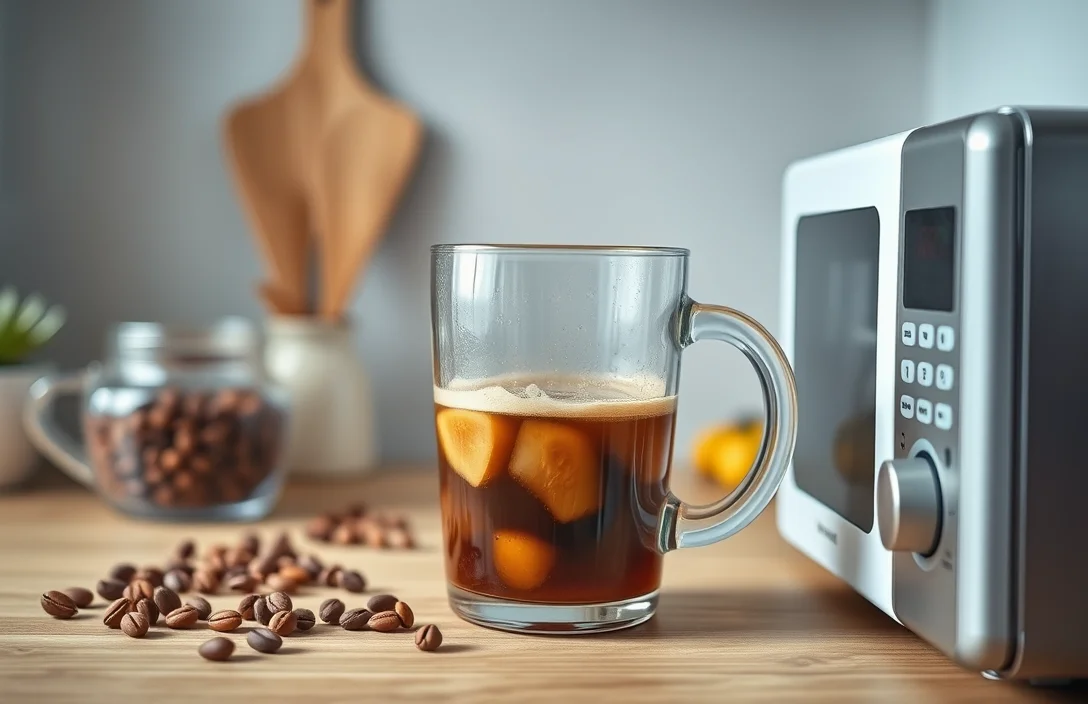
Microwaving cold brew coffee is not uncommon, yet many remain unsure about its safety and taste impact. In fact, heating cold brew can alter its flavor profile, leading to a unique coffee experience that may surprise you.
Heating cold brew is possible, but beware of flavor changes. Microwave in short intervals to avoid overheating, and stir well to ensure an even temperature. Enjoy your warm cold brew with caution!
Microwave Safety Considerations for Cold Brew
Microwaving cold brew coffee presents specific safety concerns. First and foremost, glass containers can shatter with sudden temperature changes. Always use microwave-safe glass or ceramic mugs to mitigate this risk. Inspect for cracks or imperfections before use, as these can lead to dangerous breakage during heating.
Heating cold brew can create hot spots, resulting in uneven temperatures. Stir the coffee after microwaving to ensure an even distribution of heat. This practice helps in avoiding burns or an overly hot sip that could spoil the experience.
Monitoring the heating process is crucial. Set the microwave for short intervals, typically 10 to 15 seconds, and check the temperature frequently. Overheating can lead to a bitter taste, altering the intended flavor profile of your cold brew.
Choosing the right power level is significant. Using a lower wattage can prevent the coffee from reaching boiling point quickly, reducing the risk of splatters or spills inside the microwave. This approach also helps maintain the coffee’s unique flavors.
Storing any leftover cold brew should be done with care. If you plan to microwave previously chilled coffee later, ensure it has been stored properly in the refrigerator. Always reheat only the portion you intend to consume immediately, as repeated heating may degrade quality.
Best Practices for Heating Cold Brew
Microwave settings significantly impact heating cold brew. Use medium power to prevent overheating, which can negatively alter flavor. High settings may create hot spots, leading to uneven heating. Adjusting the microwave power ensures a more consistent temperature throughout the beverage.
Covering the container is essential. Use a microwave-safe lid or plate to minimize splatter and maintain moisture. This practice also helps in preventing a dry, overly concentrated taste in your cold brew, keeping the flavor profile intact.
Heating time requires careful attention. Start with short intervals, around 30 seconds, and check the temperature frequently. Stirring between intervals ensures even heat distribution. Avoid prolonged heating, as it can lead to bitterness and loss of the beverage’s original qualities.
Choosing the right container matters. Glass or ceramic is preferable, as plastic may release harmful chemicals or alter the drink’s taste. Ensure any container used is labeled microwave-safe to avoid accidents and maintain the integrity of your cold brew.
Comparing Cold Brew and Hot Brew Methods
Cold brew extracts slowly at low temperatures, yielding lower acidity, reduced bitterness, and a different balance of dissolved sugars and oils. Hot brewing uses near-boiling water for fast extraction of acids, volatile aromatics, and soluble solids, requiring finer grind and short contact times. Practically, use coarse grind and long steep for cold brew and finer grind plus quick draw for hot methods.
Impact of Temperature on Flavor Profile
Heating cold brew coffee alters its flavor profile significantly. Generally, increased temperature intensifies certain flavors while diminishing others. The result can be a more pronounced bitterness, which may not appeal to everyone. Understanding this impact is essential before deciding to microwave your cold brew.
- Bitterness levels rise with heat. Higher temperatures often enhance bitter notes, overshadowing the smoothness that cold brew typically offers.
- Sweetness can diminish when heated. The natural sugars may not come forward as they do in cold brew, leading to a more astringent taste.
- Aromatics become altered by heating. Some delicate flavors and aromas dissipate under heat, reducing the complexity of the beverage.
- Acidity can become more pronounced. Microwaving can elevate the acidity, which might be off-putting for those who prefer a mellower taste.
- Texture changes with temperature. Cold brew’s silky mouthfeel is often replaced by a less pleasant, flat sensation when heated.
Experimentation is advisable. If you choose to microwave cold brew, consider starting with shorter intervals to gauge flavor changes. This approach can help maintain some of the desired characteristics while minimizing unwanted bitterness and acidity.
Recommended Microwave Heating Times
Heating cold brew requires precision to maintain flavor and prevent overheating. Follow these guidelines for optimal results. Start with short intervals to avoid scorching the beverage. Monitor the temperature closely to achieve your preferred warmth without compromising taste.
- Heat for 30 seconds initially. Place your cold brew in a microwave-safe container and set the timer. This provides a baseline for temperature adjustment.
- Check the temperature after 30 seconds. Carefully remove the container and test the warmth. Stir the beverage to distribute heat evenly.
- Increase heating time in 15-second increments. If it needs more warmth, add additional intervals while checking frequently. This method prevents overheating.
- Aim for a target temperature of around 130°F. At this point, the drink should be pleasantly warm without losing its essential flavors.
- Serve immediately after reaching desired warmth. Enjoy your beverage straight away to savor the best taste and aroma.
Alternative Methods to Microwaving Cold Brew
Warming cold brew coffee can be accomplished without a microwave. Stovetop heating is a reliable method, allowing for precise temperature control. Simply pour the cold brew into a small saucepan and heat over low to medium heat. Stir occasionally to ensure even warming, avoiding boiling, which can alter the flavor profile.
Infusing heat through hot water is an effective alternative. Place your cold brew in a heatproof container, then submerge it in a bowl of hot water. This gentle warming technique preserves the coffee’s original taste while gradually raising its temperature. Monitor the water temperature to maintain warmth without overheating.
Using an electric kettle is another practical option. Fill the kettle with water and set it to boil. Once boiled, turn off the kettle and pour the hot water over your cold brew in a separate container. This method allows for quick warming while ensuring you maintain control over the temperature.
Microwave avoidance is essential for many coffee enthusiasts. Experimenting with these methods not only helps keep the essence of your cold brew intact but also gives you a delightful experience. Each technique offers a unique way to enjoy your beverage warm without compromising its quality.
Storage Tips for Cold Brew Coffee
Proper storage enhances cold brew quality. Use an airtight container to maintain flavor and freshness. Glass or stainless steel vessels work best, as they prevent any light and air exposure. Avoid plastic containers, which can impart unwanted tastes over time. Refrigerate your cold brew immediately after preparation to keep it chilled and safe.
- Store cold brew in glass.
- Seal containers tightly to keep air out.
- Label containers with the brew date.
- Consume within two weeks for optimal taste.
- Keep away from strong odors in the fridge.
Using these storage tips ensures your cold brew remains flavorful and fresh. Remember, while you might wonder, “Can I microwave cold brew?” it’s best enjoyed chilled. Prioritize proper storage techniques to enhance your coffee experience.
Quick Summary
- Microwaving cold brew coffee is possible but may alter its flavor.
- Heat can enhance bitterness, so it’s advisable to microwave in short intervals.
- Use a microwave-safe container to prevent spills and breakage.
- Consider adding milk or sweeteners to improve taste after heating.
- Alternative methods include using a stovetop or hot water to warm cold brew.
- Always stir the coffee after heating to ensure even temperature distribution.
- Experiment to find the right balance of temperature and flavor for personal preference.
Frequently Asked Questions
Can I microwave cold brew coffee?
Yes, you can microwave cold brew coffee. However, it’s recommended to heat it gently to avoid altering its flavor profile. Start with short intervals, stirring in between, to ensure even heating.
How long should I microwave cold brew coffee?
Microwave cold brew for about 30 seconds to 1 minute, depending on your microwave’s wattage and your desired temperature. Always check the temperature before consuming to avoid burns.
Will microwaving cold brew change its taste?
Microwaving can change the taste of cold brew coffee slightly, as heating can release different compounds. To preserve its unique flavor, try using lower power settings and shorter heating times.
Can I add milk or cream before microwaving cold brew?
Yes, you can add milk or cream before microwaving. Just be aware that dairy products can heat quickly, so it’s best to monitor the temperature closely to prevent curdling.
Is it safe to microwave cold brew in a metal container?
No, you should never microwave cold brew in a metal container. Always use microwave-safe glass or ceramic to prevent fire hazards and ensure even heating.

- Unlocking the Venti: Discover the Perfect Shot Count for Your Drink - October 13, 2026
- Unpacking the Buzz: Caffeine Levels in Café Bustelo Espresso - October 13, 2026
- How to Fix Bitter Coffee: 10 Expert Ways to Improve the Taste - October 4, 2026