
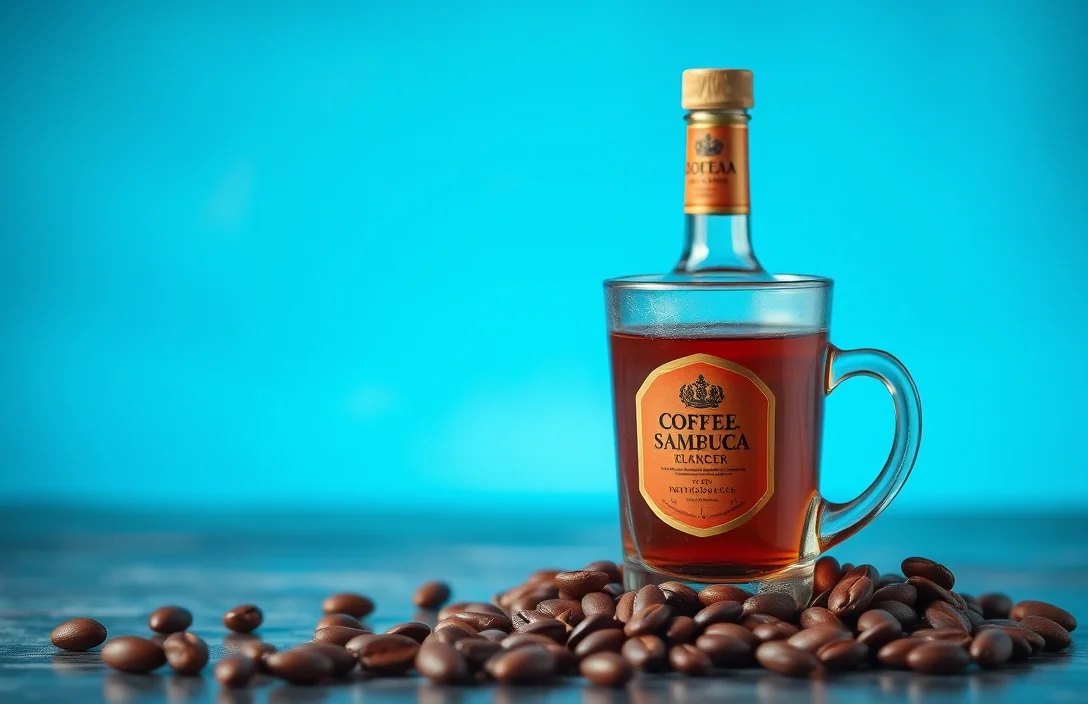
Three coffee beans floating in a glass of sambuca symbolize health, happiness, and prosperity, captivating drinkers since the 19th century. This ritual not only enhances the drink’s aroma but also connects imbibers to a rich Italian tradition steeped in meaning and flavor.
Gaining insight into the three coffee beans ritual reveals its cultural significance and how to replicate it at gatherings, transforming your cocktail experience into an engaging celebration. Each bean serves a purpose, adding dimension to sambuca beyond mere consumption.
Origin of Sambuca
Sambuca originated in Italy during the 19th century, primarily crafted by herbalists. This anise-flavored liqueur quickly gained popularity, often enjoyed as a digestif after meals. Traditionally, sambuca is made from anise, elderflower, or other herbs and spices, creating a unique flavor profile that delights many. Its vibrant aroma and sweet taste make it a favorite among cocktail enthusiasts.
Celebrations often include sambuca in social settings, embodying conviviality. Over time, rituals developed around this drink, enhancing its cultural significance. Among these, the practice of adding three coffee beans stands out, symbolizing health, happiness, and prosperity. This custom not only elevates the drinking experience but also connects people through shared traditions.
Engaging with sambuca invites exploration into Italian culture. Guests at gatherings can appreciate its origins while savoring its flavors. As you serve sambuca, consider incorporating the three coffee beans ritual, enriching interactions and sparking conversations about its unique history. Exploring these traditions creates an inviting atmosphere for all who partake.
Meaning of Coffee Beans
Three coffee beans symbolize health, wealth, and happiness in sambuca. This traditional garnish elevates the drinking experience, making it more than just a shot. Each bean represents a wish for the drinker, creating a moment of connection between friends and family during celebrations.
Health is represented by the first bean, wishing for well-being and vitality. Guests often acknowledge this wish with a clink of glasses, sharing a good vibe that enhances the atmosphere. Wealth comes from the second bean, signifying prosperity in life. It encourages participants to embrace abundance and enjoy the moment together.
Happiness is captured by the third bean, wishing for joy and positive experiences. This ritual invites everyone to reflect on their personal hopes and aspirations. By incorporating these beans into your sambuca serving, you create a memorable experience that resonates with your guests, deepening the cultural significance of the drink.
Traditional Serving Methods
Serving sambuca traditionally involves a specific ritual with three coffee beans. First, place the liquor in a shot glass, then add the beans atop the liquid. This presentation not only symbolizes health, wealth, and happiness but also enhances the drinking experience by adding aromatic depth.
Pouring sambuca requires precision. Carefully fill the shot glass, ensuring that the beans float gracefully on the surface. This visual appeal captures the eye and prepares your guests for the rich flavors about to unfold. The beans should sit comfortably, inviting participants to engage with the ritual.
Lighting the sambuca is optional but adds a dramatic flair. If you choose to ignite it, do so with caution. Light the surface, allowing the flames to dance for a few seconds before extinguishing them. This step caramelizes the sugars, creating a unique aroma that heightens the experience.
Encouraging guests to sip slowly allows them to savor the flavors. As they drink, the beans can be chewed, releasing their coffee essence and complementing the sambuca’s natural sweetness. This interaction enhances the communal aspect of the ritual, making it a memorable moment among friends.
Flavor Profile of Sambuca
Three coffee beans in sambuca represent a unique ritual that enhances the drinking experience. Placing the beans on top of the sambuca serves a dual purpose: it symbolizes health, happiness, and prosperity while also providing an aromatic burst of coffee flavor. As you prepare to enjoy this anise-flavored liqueur, the beans become an integral part of the presentation.
Traditionally, after pouring sambuca into a glass, the three beans are added, often displayed floating on the surface. This visual element draws attention and invites your guests to engage in the ritual. Encourage everyone to appreciate the scent of the beans before consuming the drink, as this heightens the overall sensory experience.
Lastly, sipping sambuca with the coffee beans can be a moment of reflection. As you enjoy the drink, think about the symbolism of the beans, which remind us of the joy of sharing and celebrating life’s moments with friends and family. Recreating this experience at your gatherings adds a layer of cultural depth and personal connection to your mixology skills.
Cultural Significance
Rituals enhance the drinking experience. In sambuca, the tradition of adding three coffee beans transforms the drink into a symbol of prosperity, health, and happiness. Each bean signifies a wish: wealth, health, and happiness, creating a moment of connection among drinkers. This custom not only enriches the beverage but also fosters camaraderie, making it a memorable part of gatherings.
Celebrating this tradition requires participation from everyone. After pouring the sambuca, drop the three beans into the glass. Encourage guests to toast together, then sip while chewing the beans. This act ties the flavors of the sambuca with the aromatic coffee, enhancing the sensory experience. Sharing this moment can make gatherings feel more intimate, bridging gaps between friends and family.
Creating a backdrop for these rituals enhances their significance. Consider dim lighting or candles to set a warm atmosphere, encouraging conversation and reflection. Incorporating stories behind sambuca and its coffee bean tradition can captivate guests, making them appreciate the drink beyond its flavor. Such elements encourage a deeper connection, ensuring that the ritual becomes an integral part of your gatherings.
Coffee Bean Preparation
Selecting high-quality coffee beans is crucial. For the sambuca ritual, whole beans are recommended, as they provide a more authentic and aromatic experience. Look for dark-roasted beans with rich flavors, as they complement the anise notes of sambuca beautifully. Freshness is key, so consider purchasing your beans from a local roaster or specialty shop.
Grinding the beans should be avoided. Keeping them whole preserves their essential oils and flavor until the moment of serving. When ready to enjoy sambuca, you can lightly toast the beans in a dry skillet for a few minutes to enhance their aroma. This step adds an extra layer of depth to the overall drinking experience.
Incorporating the beans involves placing three of them in the glass along with sambuca. These beans symbolize health, happiness, and prosperity, turning a simple drink into a meaningful ritual. As you serve, encourage your guests to express their wishes as they sip, making the moment truly special and memorable.
Variations of Sambuca
Experimenting with sambuca can enhance your gatherings. Consider using different coffee beans to create distinct flavor profiles. For instance, using dark roasted beans can add a rich, bold flavor, while lighter roasts may provide a more delicate taste. This simple swap can transform the drinking experience and spark conversations among your guests.
Pairing sambuca with various mixers also adds exciting layers to the ritual. Try serving it alongside tonic water for a refreshing twist, or blend it with coffee for a warm, comforting drink. These variations can honor the traditional three coffee beans while introducing new elements to the ritual.
Sharing stories about the significance of the three beans can enrich the experience. This storytelling not only connects guests to the tradition but also encourages them to engage more deeply with the drink. Invite them to share their interpretations, making the experience even more memorable.
Quick Summary
- Three Coffee Beans in Sambuca is a traditional Italian drink served as a digestif.
- The drink typically consists of sambuca liqueur, which is anise-flavored, and three coffee beans.
- The three coffee beans represent health, happiness, and prosperity.
- It’s common to serve the drink flambéed, adding a visual element to the experience.
- Drinking the sambuca involves consuming the coffee beans, enhancing the flavor profile.
- This drink is often enjoyed after meals to aid digestion.
- Variations of the recipe can include different flavors or types of coffee beans.
Frequently Asked Questions
What does the tradition of the 3 coffee beans in sambuca symbolize?
The three coffee beans in sambuca represent health, happiness, and prosperity. This ritual is often performed during celebrations and signifies a wish for good fortune for those present.
How do I properly serve sambuca with coffee beans?
To serve sambuca with coffee beans, first pour a shot of sambuca into a glass. Then, float three coffee beans on top and serve it neat, allowing guests to enjoy the aromatic experience as they sip.
Can I use any type of coffee beans for this ritual?
While any coffee beans can be used, it’s best to choose high-quality, aromatic beans to enhance the overall experience. Dark roasted beans are popular because their rich flavor complements the sweetness of sambuca well.
Is there a specific way to drink sambuca with coffee beans?
Traditionally, sambuca is sipped slowly to savor the flavors, and the coffee beans can be chewed or eaten after drinking. This allows you to enjoy the full aroma and taste of both the sambuca and the coffee.
How can I incorporate this ritual into my gatherings?
To incorporate the 3 coffee beans ritual, consider serving sambuca as a post-dinner digestif at your gatherings. Share the significance of the tradition with your guests, and encourage them to make a wish as they enjoy their drink together.

- Unlocking the Venti: Discover the Perfect Shot Count for Your Drink - October 13, 2026
- Unpacking the Buzz: Caffeine Levels in Café Bustelo Espresso - October 13, 2026
- How to Fix Bitter Coffee: 10 Expert Ways to Improve the Taste - October 4, 2026