
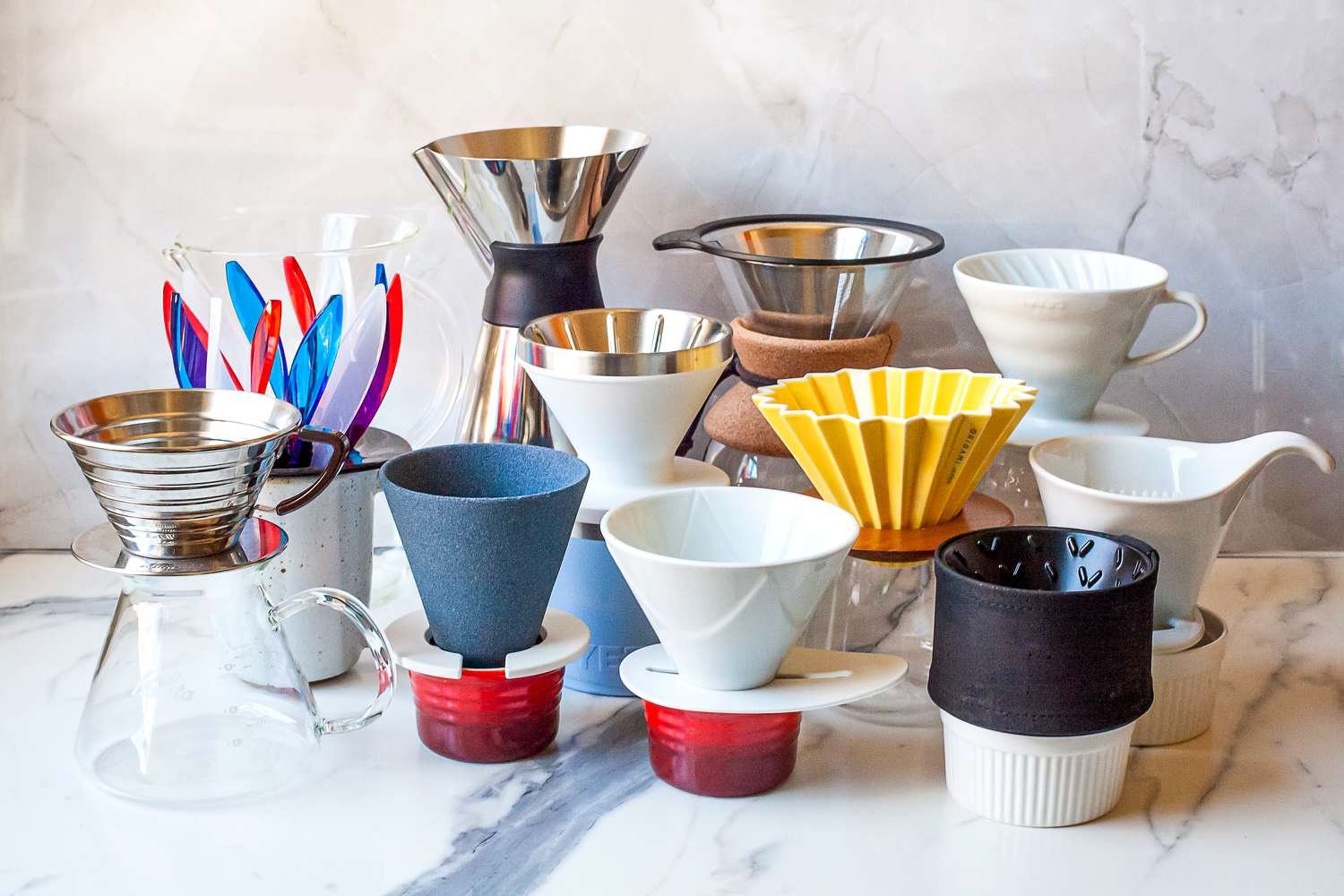
Light-to-medium roast, single-origin Arabica beans, particularly from Ethiopia or Kenya, often yield the best pour-over results.
As a dedicated coffee enthusiast who has spent countless hours meticulously brewing and tasting, I understand the quest for the perfect cup, especially when it comes to the nuanced art of pour-over. This brewing method, celebrated for its ability to highlight the intricate flavors and aromas of coffee, demands a specific kind of bean to truly shine. Navigating the vast world of coffee to find the best coffee beans for pour over brewing can feel overwhelming, but with the right insights and a bit of guidance, you can transform your daily ritual into an extraordinary sensory experience. In this comprehensive guide, we'll delve deep into what makes certain beans exceptional for pour-over, drawing from years of personal experience and expert understanding to help you unlock the full potential of your brew.
Understanding Pour Over Brewing: Why Bean Choice Matters
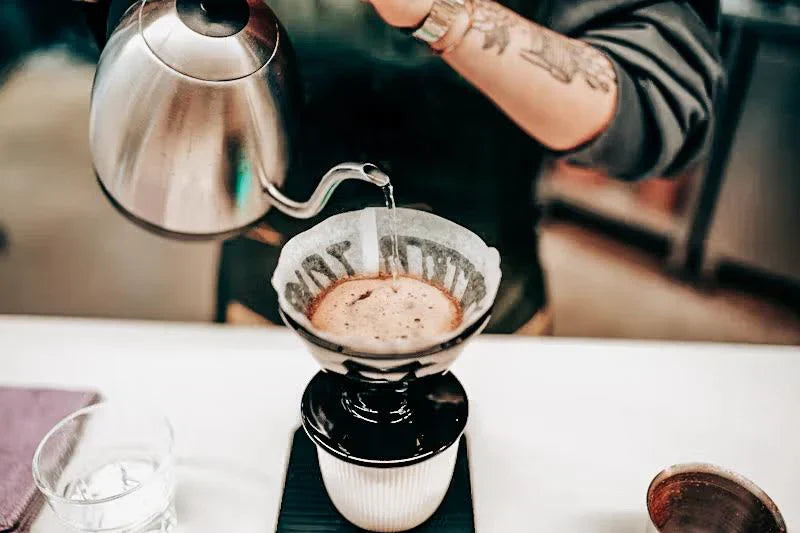
Pour over brewing is an artisanal method that emphasizes clarity, complexity, and cleanliness in the cup. Unlike immersion methods, where coffee grounds steep in water, pour over involves slowly pouring hot water over a bed of coffee grounds, allowing gravity to draw the infused liquid through a filter. This gentle extraction process is incredibly effective at revealing the delicate aromatics and vibrant acidity inherent in high-quality beans, making the selection of the best coffee beans for pour over brewing critically important. The right bean choice ensures that the brew is not only flavorful but also balanced, free from bitterness, and highlights its unique origin characteristics.
Key Characteristics of the Best Coffee Beans for Pour Over Brewing
When selecting the best coffee beans for pour over brewing, several characteristics come into play that significantly influence the final taste profile. These attributes work in harmony to produce the bright, clean, and aromatic cup that pour-over aficionados cherish. Understanding these elements is essential for making an informed decision about your coffee bean purchases.
Varietal and Species
The vast majority of specialty coffee consumed globally comes from the Arabica species, celebrated for its delicate flavors, aromatic complexity, and higher acidity. Within Arabica, there are numerous varietals like Gesha, Sidra, Typica, and Bourbon, each offering distinct taste notes. While Robusta beans can offer a strong crema and caffeine kick, their flavor profile is often too bold and less nuanced for the pour-over method, which aims to highlight subtlety. Therefore, focusing on 100% Arabica beans is the first step towards finding the best coffee beans for pour over brewing.
Origin and Terroir
The origin of coffee beans, including the specific farm, region, and country, plays a monumental role in their flavor profile. Terroir, encompassing climate, soil composition, altitude, and processing methods, imparts unique characteristics to the coffee. For pour over, beans from regions known for bright acidity, floral notes, and fruity undertones are often preferred. East African coffees, for instance, are frequently lauded for their vibrant fruitiness and complex aromas, making them prime candidates for the best coffee beans for pour over brewing.
Processing Methods
Coffee processing methods—washed (wet), natural (dry), and honey—profoundly affect the bean's flavor.
- Washed Process: This method results in a cleaner, brighter cup with pronounced acidity and true-to-origin flavors. The mucilage is removed before drying, leaving a pure bean.
- Natural Process: Beans are dried with the fruit intact, leading to more intense fruitiness, body, and often a sweeter profile. This can add a delightful complexity.
- Honey Process: A hybrid method, where some mucilage is left on the bean during drying, offering a balance of sweetness and acidity.
For pour over, washed coffees are often considered ideal for their clarity, though naturally processed beans can offer an exciting, fruit-forward experience.

Top Regions and Varietals for Pour Over
Exploring specific regions and their associated varietals can significantly narrow down your search for the best coffee beans for pour over brewing. Each region offers a signature flavor profile that perfectly complements the pour-over method. My own journey through these regions has continually reaffirmed their excellence for this brewing style.
- Ethiopia: Often considered the birthplace of coffee, Ethiopia produces beans with unparalleled complexity, showcasing vibrant floral notes like jasmine, tea-like qualities, and distinct berry or citrus flavors. Ethiopian Yirgacheffe or Sidamo beans, typically washed or natural, are consistently among the best coffee beans for pour over brewing, delivering a truly ethereal experience.
- Kenya: Kenyan coffees are renowned for their intense fruitiness, often exhibiting notes of blackcurrant, tomato, or grapefruit, coupled with a sparkling acidity. Their full body and robust flavors stand up beautifully to the pour-over extraction, creating a remarkably dynamic cup. Varieties like SL-28 and SL-34 are particularly sought after.
- Colombia: While Colombia is famous for its mild, balanced coffees, specific regions and micro-lots can produce incredibly complex beans ideal for pour over. Look for high-altitude Colombian coffees, often from Huila or Nariño, which offer caramel sweetness, red fruit notes, and a pleasant brightness.
- Central America (Costa Rica, Guatemala, Honduras): Coffees from these regions frequently feature clean, bright acidity, balanced sweetness, and notes of chocolate, nuts, and citrus. They provide a comforting yet refined pour-over experience. Costa Rican Tarrazú or Guatemalan Antigua are classic choices.

Roast Level: The Sweet Spot for Pour Over
The roast level is a pivotal factor in determining the final flavor profile of any coffee, and it holds particular significance when seeking the best coffee beans for pour over brewing. While personal preference plays a role, certain roast levels are generally more suitable for this delicate brewing method.
- Light Roasts: These roasts are typically preferred for pour over because they preserve the bean's inherent acidity, origin characteristics, and delicate aromatic compounds. A light roast allows the nuanced floral, fruity, and complex notes to truly shine, resulting in a vibrant, bright, and often tea-like cup. The challenge is ensuring the roast isn't too light, which can lead to underdeveloped flavors or an overly grassy taste.
- Medium Roasts: A well-executed medium roast can also be an excellent choice for pour over, especially if you prefer a bit more body and a slightly less acidic cup. These roasts develop notes of chocolate, caramel, and nuts, while still retaining some of the bean's origin characteristics. They offer a balanced profile that many find approachable and delicious.
- Dark Roasts: Dark roasted beans, while popular for espresso or milk-based drinks, are generally not recommended for pour over brewing. The intense roasting process can obliterate the delicate flavors unique to the bean's origin, leading to a smoky, bitter, and often one-dimensional cup that obscures the very nuances pour over aims to highlight.
My advice, based on years of experimentation, is to aim for a light to medium-light roast. This range consistently provides the clarity and complexity that makes for the best coffee beans for pour over brewing.
:max_bytes(150000):strip_icc()/ses-primary-pour-over-coffee-rkilgore.jpg-e1e6c5f5d3e84eec868f98843362d9c5.jpg)
Freshness and Grind: Essential Partners for Pour Over Perfection
Even the best coffee beans for pour over brewing won't perform optimally without proper attention to freshness and grind consistency. These two elements are critical control points that can make or break your pour-over experience, regardless of bean quality.
- Freshness: Coffee is a perishable product, and its aromatic compounds begin to degrade shortly after roasting. For pour over, using beans that were roasted within 2-3 weeks is ideal. This ensures that the coffee retains its vibrant flavors and produces a lively, aromatic brew. Storing your beans in an airtight container away from light, heat, and moisture is crucial to maintain this freshness. I’ve noticed a dramatic difference in cup quality when using freshly roasted beans versus those that have sat for several months.
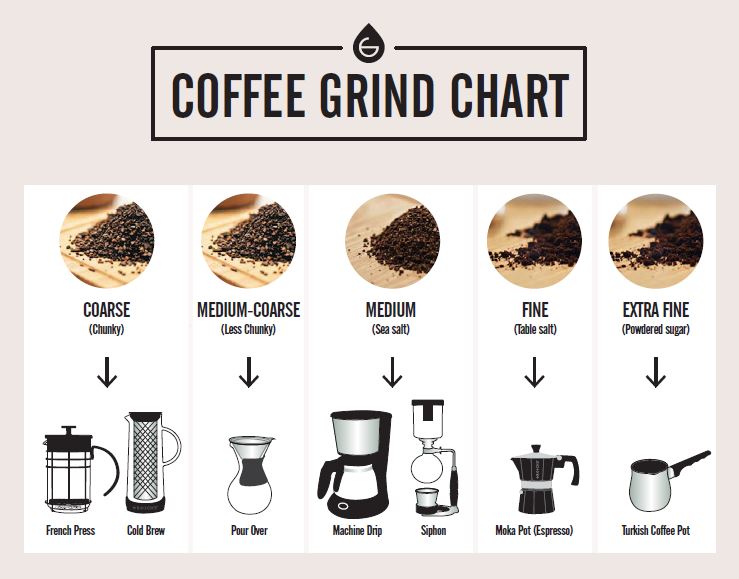
- Grind Consistency: The pour-over method requires a specific grind size to facilitate proper extraction. Generally, a medium-fine grind, similar to table salt, is recommended. This allows for sufficient contact time between the water and coffee grounds without leading to over-extraction (bitterness) or under-extraction (sourness/weakness). Using a high-quality burr grinder is non-negotiable for achieving uniform particle size, which is vital for an even and balanced extraction. Blade grinders, which chop rather than grind, produce inconsistent particle sizes, leading to unpredictable and often subpar results.

My Personal Journey: Discovering the Best Coffee Beans for Pour Over
My fascination with coffee began with a simple drip machine, but it truly blossomed when I discovered the pour-over method. The control, the ritual, and the ability to truly taste the coffee in its purest form captivated me. Early on, I made the common mistake of buying pre-ground, dark roast beans, thinking all coffee was the same. The results were consistently bitter and lacked any discernible character. It was a disheartening experience that almost made me give up on home brewing.
However, a friend, a seasoned barista, introduced me to the concept of specialty coffee and the importance of bean origin and roast level. He suggested I try a light-roasted Ethiopian Yirgacheffe, freshly ground. The difference was astounding. The first sip revealed a burst of blueberry and jasmine notes I never knew coffee could possess. It was an "aha!" moment that completely transformed my understanding of coffee. From that day, I dedicated myself to learning everything about finding the best coffee beans for pour over brewing.
I've since experimented with countless varietals and origins – from the wine-like acidity of a natural processed Kenyan to the chocolatey sweetness of a washed Colombian. Through trial and error, countless brewing sessions, and a fair share of overly sour or bitter cups, I’ve honed my palate and brewing technique. I've learned that investing in quality, freshly roasted, single-origin Arabica beans is the single most impactful decision you can make for your pour-over experience. It’s not just about the caffeine; it’s about savoring the story each bean tells, from its soil to your cup. This journey has not only deepened my appreciation for coffee but has also underscored the power of choosing the best coffee beans for pour over brewing.
:max_bytes(150000):strip_icc()/sea-pour-over-lead-image-hario-yeti-irvin-lin-05-253b703fc31e434d942fc854859c29ea.jpeg)
Frequently Asked Questions
What type of grind is best for pour over coffee?
A medium-fine grind, similar to table salt, is generally best for pour over coffee. This grind size allows for optimal extraction, balancing the contact time between water and grounds to prevent both under-extraction and over-extraction. Using a quality burr grinder ensures consistency, which is crucial for an even and flavorful brew.
Can I use dark roast beans for pour over?
While you can technically use dark roast beans for pour over, it is generally not recommended if you aim for clarity and nuanced flavors. Dark roasts tend to lose their origin characteristics and often result in a smoky, bitter, and less complex cup, which isn't ideal for showcasing the pour-over method's strengths. Light to medium roasts are typically preferred for the best coffee beans for pour over brewing.
How do I store my coffee beans to maintain freshness for pour over?
To maintain freshness for pour over, store your coffee beans in an opaque, airtight container in a cool, dark place, away from direct sunlight, heat, and moisture. Avoid refrigerating or freezing, as this can introduce moisture and freezer burn, degrading the beans' quality. It's best to buy whole beans in smaller quantities and consume them within 2-3 weeks of the roast date.
Is single origin or blend better for pour over?
For pour over, single-origin beans are often considered superior as they highlight the distinct characteristics of a specific region and varietal. They offer a clear, unadulterated taste profile that the pour-over method is designed to accentuate. Blends, while excellent for other brewing methods like espresso, can sometimes lose their individual nuances when brewed as a pour over.
What are some common flavor notes to look for in pour over coffee beans?
For pour over coffee beans, common desirable flavor notes include bright citrus (lemon, orange), berries (blueberry, raspberry), stone fruits (peach, apricot), floral tones (jasmine, rose), and subtle sweetness (caramel, honey). These vibrant and complex notes indicate high-quality beans that will truly shine through the pour-over brewing process.
Conclusion
Choosing the best coffee beans for pour over brewing is an essential step towards crafting an exceptional cup that truly celebrates the art of coffee. By focusing on light to medium-roasted, 100% Arabica, single-origin beans from regions like Ethiopia and Kenya, and paying close attention to freshness and grind, you unlock a world of intricate flavors and aromas. This journey of discovery, blending expert knowledge with personal exploration, ensures that every pour-over experience is not just a routine, but a moment of sensory delight. Embrace the nuances, experiment with different beans, and trust your palate.
Elevate your daily ritual by exploring new origins and varietals, and share your favorite pour-over bean discoveries in the comments below. Your next perfect cup is waiting.

- Unlocking the Venti: Discover the Perfect Shot Count for Your Drink - October 13, 2026
- Unpacking the Buzz: Caffeine Levels in Café Bustelo Espresso - October 13, 2026
- How to Fix Bitter Coffee: 10 Expert Ways to Improve the Taste - October 4, 2026